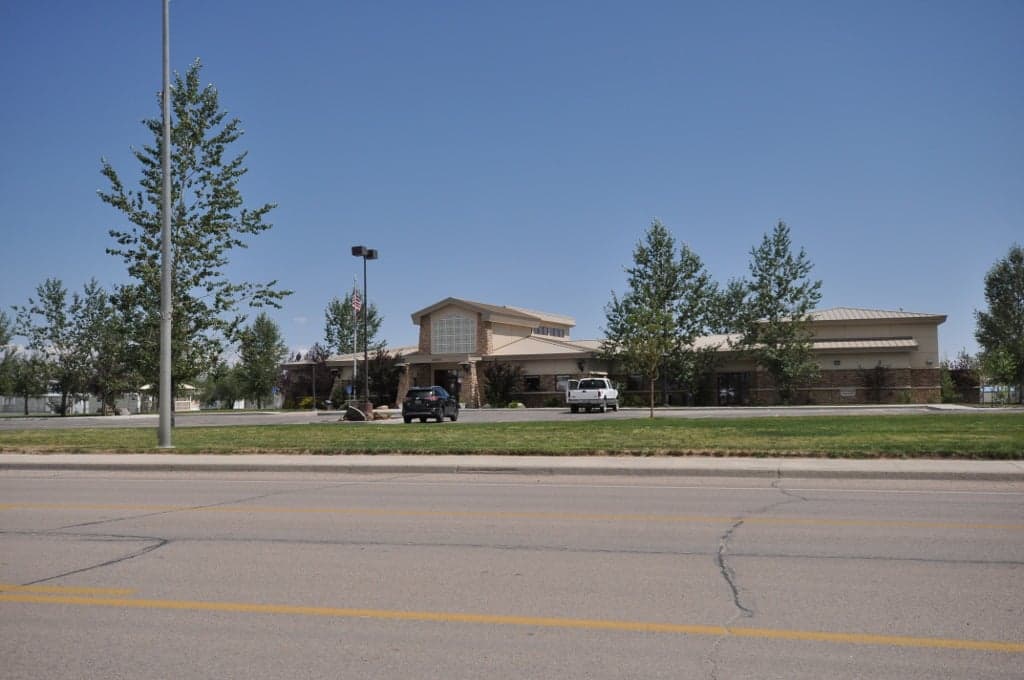
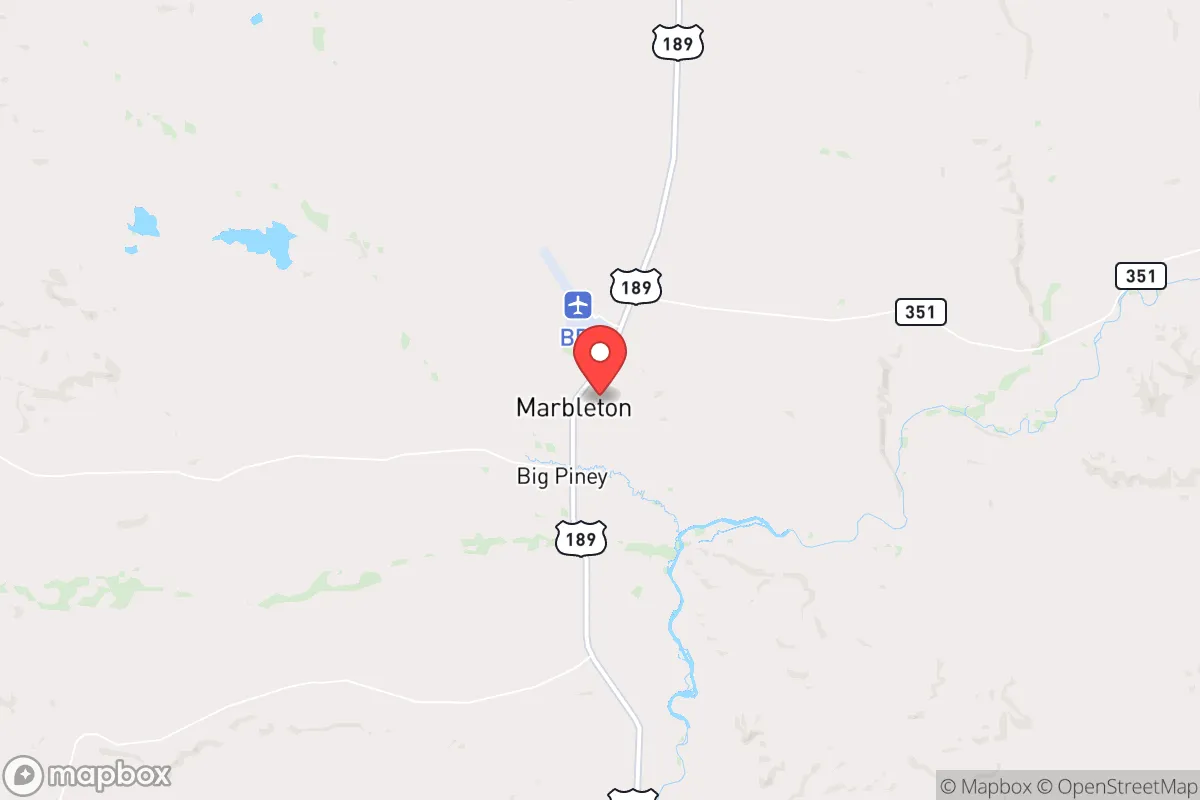
Photo: Wikipedia
Quality of Life in Marbleton, WY
Above-average quality of iife. The area offers a reasonable cost of living, decent mobility, and a mix of neighborhood amenities.
What does Quality of Life tell us?
Quality of Life blends cost of living, nearby amenities, socioeconomic signals, and neighborhood character. City-level scores represent the whole municipality; individual neighborhoods can differ.
What does this tell us?
Quality of Life blends cost of living, nearby amenities, socioeconomic signals, and neighborhood character. City-level scores represent the whole municipality; individual neighborhoods can differ.
Cost of Living
32% below national average
The Real Cost of Living in Marbleton, WY for 2026
| Tier | Individual | Family (4) |
|---|---|---|
| Survival | $13k | $24k |
| Comfortable | $37k | $54k |
| Luxury | $85k+ | $131k+ |
| Elite (Top 5%) | $100k+ | $154k+ |
122%
The Area Signal
A metric tracking the socioeconomic signals of the area.
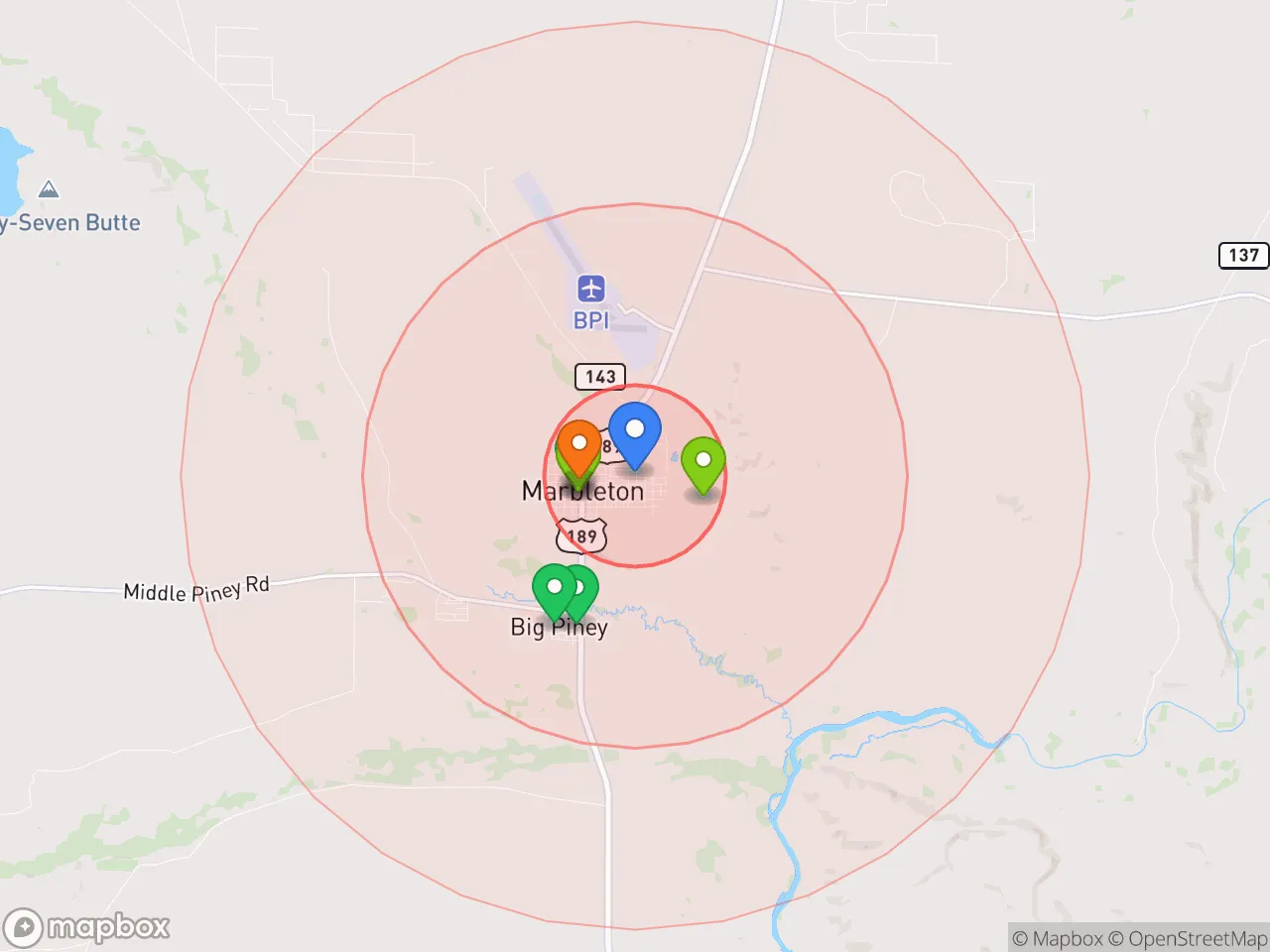
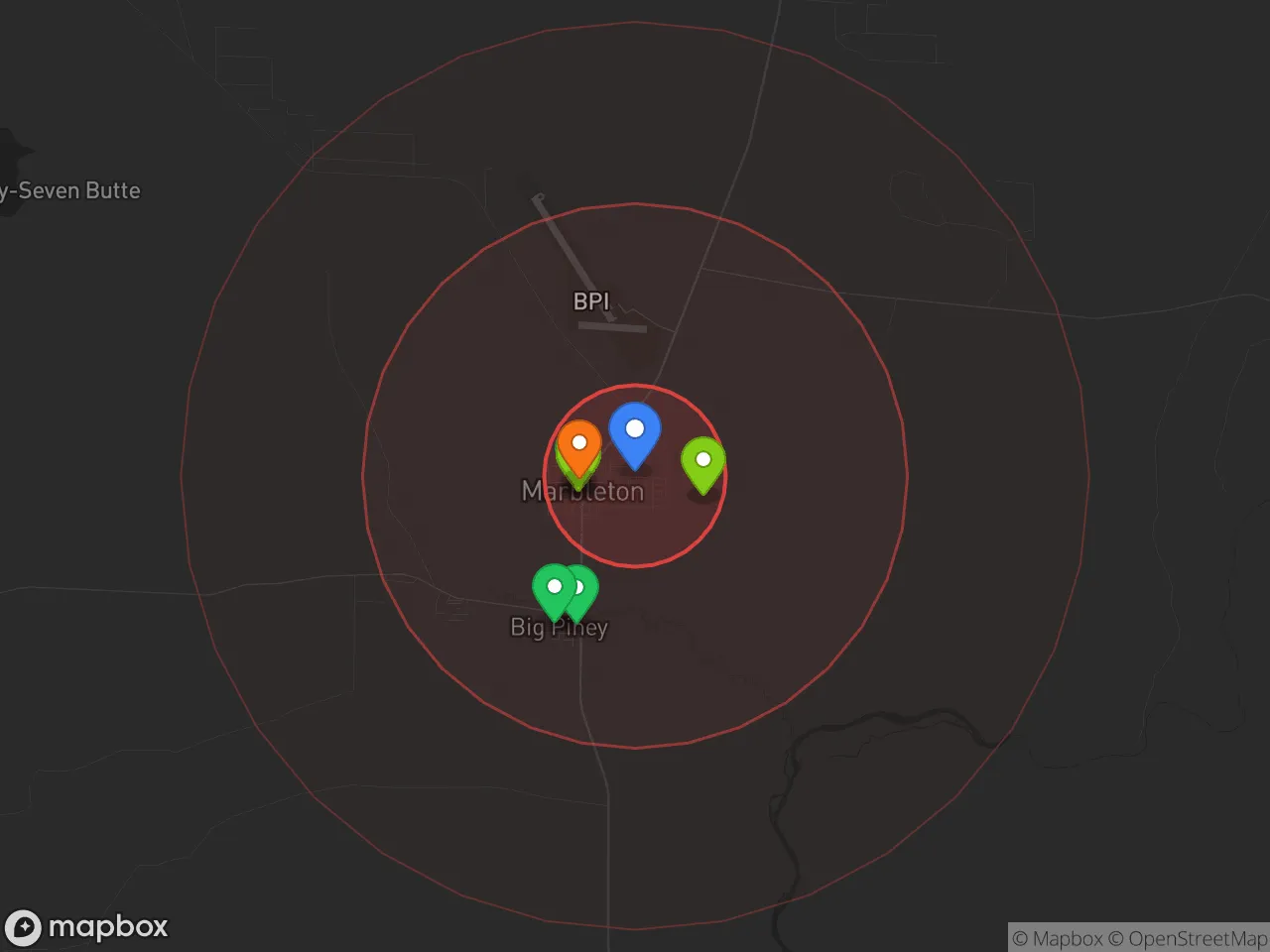
Quality-of-Life Analysis
Marbleton, Wyoming, presents a distinct quality-of-life profile shaped by its remote location in Sublette County, where a modest cost of living meets a community deeply rooted in energy-industry employment and outdoor recreation. With a cost-of-living index of 68—32 percent below the U.S. average—the town attracts a mix of oil and gas workers, ranchers, and families seeking affordable housing in a high-desert setting. The population skews toward working-age adults, with a median age around 37, and the local economy is heavily tied to the nearby Jonah Field and Pinedale Anticline natural gas operations, giving the area a blue-collar, transient feel during boom cycles.
Housing costs and affordability compared to nearby towns
Housing in Marbleton is notably affordable relative to both national benchmarks and neighboring communities. The median home value sits at $189,100, well below the Wyoming statewide median of roughly $280,000, while the median rent of $798 per month is about 30 percent lower than the national figure. This affordability is driven by limited housing stock—much of it older single-family homes and manufactured housing—and the town’s distance from major employment hubs. By contrast, the nearby town of Pinedale, just 15 miles north, commands median home values around $350,000, reflecting its role as the county seat and its more established amenities. The average commute in Marbleton is 18.5 minutes, a short trip that often involves driving to gas-field jobs or into Pinedale for shopping and services, keeping transportation costs low. However, property taxes in Sublette County are moderate, and buyers should note that inventory is tight, with homes often selling within weeks during active drilling periods.
What daily life is like for families and outdoor enthusiasts
Daily life in Marbleton revolves around a small-town rhythm, with limited commercial services—a single grocery store, a few restaurants, and basic retail—meaning most errands require a drive to Pinedale. The Sublette County School District #1 serves the area, with Marbleton’s elementary school feeding into Pinedale High School, which has a graduation rate around 85 percent and offers strong vocational programs tied to local industry. For outdoor recreation, the town is a gateway to the Bridger-Teton National Forest and the Wind River Range, offering world-class fly fishing on the Green River, hiking, and snowmobiling in winter. The community’s social life centers on the Marbleton Town Park, the annual Sublette County Fair, and gatherings at local churches and the senior center. Amenities like healthcare are limited to a small clinic in Marbleton, with the nearest hospital in Pinedale (15 minutes away) and major trauma care in Jackson (about 90 minutes north). The pace is slow and self-reliant, with residents often forming tight-knit networks for childcare, carpooling, and sharing equipment for outdoor pursuits.
Marbleton is best suited for those who prioritize affordability and access to wilderness over urban convenience and career diversity. Workers in the energy sector will find the short commute and low housing costs a clear financial advantage, while outdoor enthusiasts will appreciate immediate access to some of the most pristine public lands in the Lower 48. Retirees on fixed incomes may also find the low cost of living appealing, though they should weigh the limited healthcare and shopping options. Families should be comfortable with a school system that emphasizes practical skills and a community where everyone knows each other. Those seeking nightlife, cultural institutions, or a wide range of employment outside of resource extraction will likely find Marbleton too isolated. For the right person—someone who values quiet, space, and a direct connection to the land—the town offers a rare combination of financial breathing room and unspoiled natural beauty.

Crime in Marbleton, WY
Generally safer than 72% of comparable U.S. locations.
Violent CrimeViolent Crime Analysis
Property CrimeProperty Crime Analysis
Crime Analysis
Marbleton, Wyoming, presents a mixed safety profile that demands careful consideration from potential residents. The town’s violent crime rate of 170 incidents per 100,000 residents is notably lower than the national average, but its property crime rate of 1,006.2 per 100,000 exceeds both state and national benchmarks. While the community benefits from Wyoming’s generally conservative legal environment, which prioritizes public safety and victim rights, the elevated property crime figures warrant attention from anyone evaluating a move to this small Sublette County town.
Crime in context
Marbleton’s violent crime rate sits well below the U.S. average of roughly 380 per 100,000, placing it in a safer tier for personal security. However, the property crime rate is approximately 30% higher than the national average of 770 per 100,000 and significantly above Wyoming’s statewide rate of about 850 per 100,000. This disparity is critical: while the risk of assault, robbery, or homicide is low, residents face a notably higher chance of burglary, theft, or vehicle break-ins. The town’s location near the larger Pinedale area and its role as a hub for energy and outdoor recreation may contribute to transient populations that can elevate property crime. Importantly, Wyoming’s judicial system has not adopted the progressive prosecutorial policies seen in many large metro areas—such as bail reform or reduced sentencing—which means offenders face consistent accountability, reducing the likelihood of repeat crimes that directly harm victims and the public.
What residents experience
Daily life in Marbleton is generally quiet, with most violent incidents being isolated rather than random. Residents report that property crimes—particularly theft from vehicles and unoccupied homes—are the most common safety concern. The town’s small size means neighbors often watch out for one another, but the lack of a large police force means response times can be slower than in urban areas. For families and retirees, the low violent crime rate is reassuring, but proactive measures like locking doors, securing outbuildings, and using outdoor lighting are strongly advised. The contrast with large metro areas is stark: in cities with progressive district attorneys who deprioritize property offenses, Marbleton’s rate would be a red flag, but here, the legal system’s focus on victim justice helps keep repeat offenders off the streets.
Neighborhood-level crime data for Marbleton is limited due to its small population, but anecdotal reports suggest that areas closer to main roads and the town’s commercial core see more property crime, while residential streets on the outskirts experience fewer incidents. The nearby town of Big Piney, just two miles away, shares similar crime patterns, making the entire area a relatively consistent safety zone. For those comparing Marbleton to larger, liberal-leaning cities, the key takeaway is that Wyoming’s conservative judicial philosophy provides a structural advantage: criminals face real consequences, which directly reduces victimization and enhances public safety.
* Values derived from national, state, county, city and local statistics and may differ in a specific area. Last updated: 2026-04-21T11:24:42.000Z
Narrative content on this page is AI-generated and may contain mistakes. Verify any details that matter before acting on them.
ReloMaps may earn a commission from affiliate links at no extra cost to you.

