Photo: Wikipedia
Quality of Life in Mackinac Island, MI
Above-average quality of iife. The area offers a reasonable cost of living, decent mobility, and a mix of neighborhood amenities.
What does Quality of Life tell us?
Quality of Life blends cost of living, nearby amenities, socioeconomic signals, and neighborhood character. City-level scores represent the whole municipality; individual neighborhoods can differ.
What does this tell us?
Quality of Life blends cost of living, nearby amenities, socioeconomic signals, and neighborhood character. City-level scores represent the whole municipality; individual neighborhoods can differ.
Cost of Living
78% above national average
The Real Cost of Living in Mackinac Island, MI for 2026
| Tier | Individual | Family (4) |
|---|---|---|
| Survival | $19k | $35k |
| Comfortable | $122k | $179k |
| Luxury | $178k+ | $277k+ |
| Elite (Top 5%) | $210k+ | $325k+ |
56%
The Area Signal
A metric tracking the socioeconomic signals of the area.
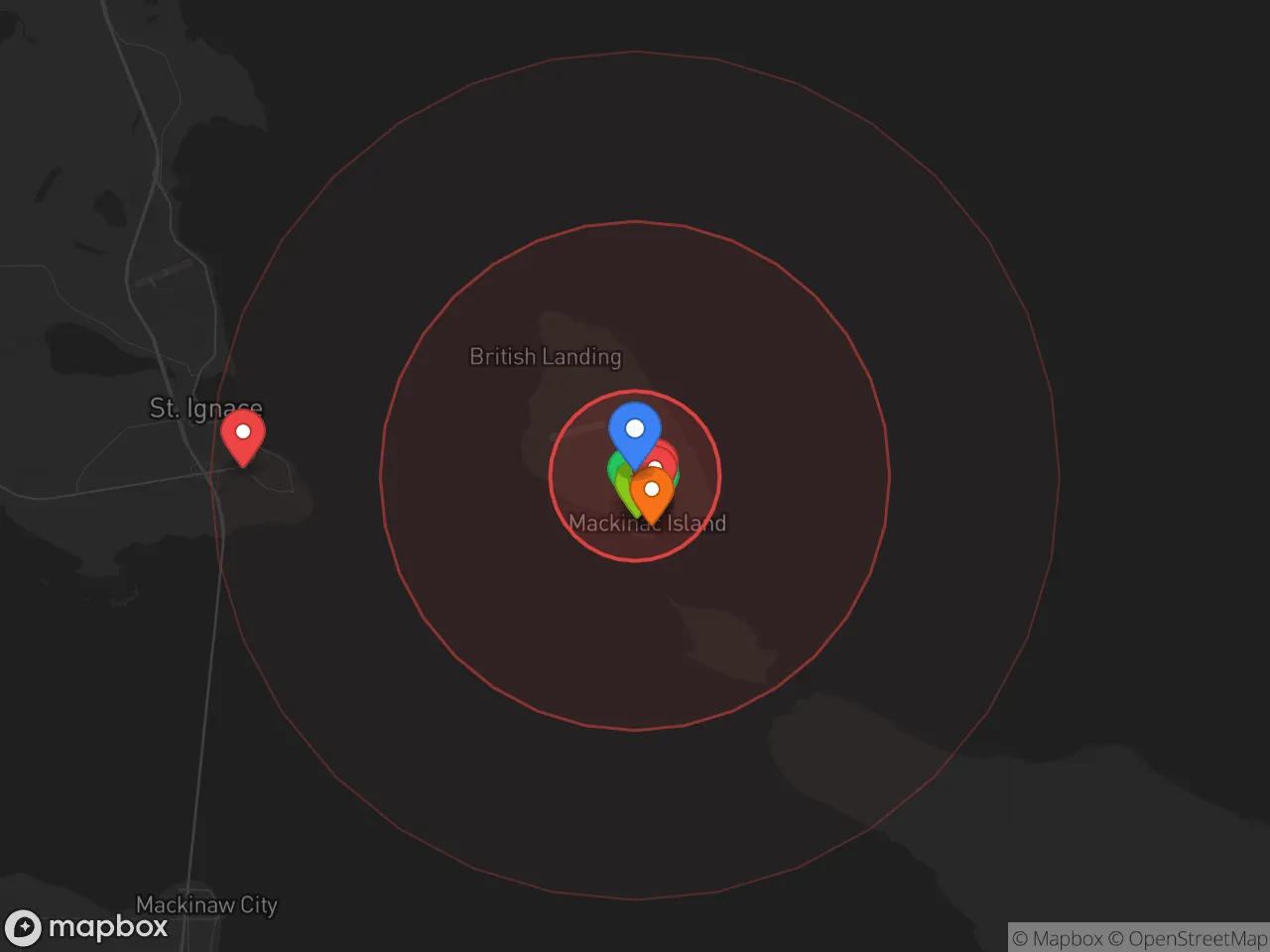
Hobbies
Explore the areaGroceries
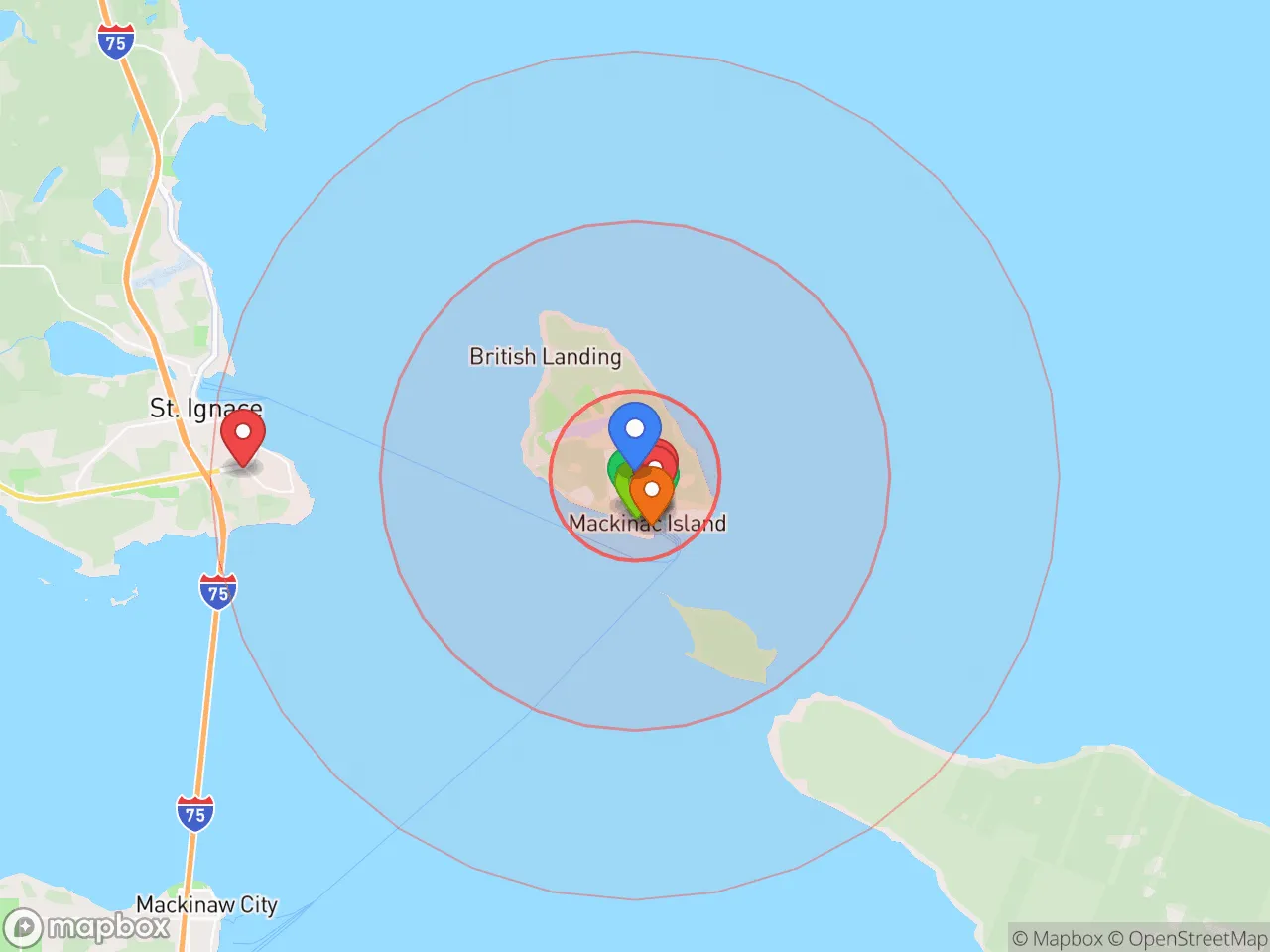
0 within 10 miles
Gas
0 within 10 miles
Hospital
0 within 20 miles
Airport
DTW — Detroit Metropolitan Wayne County
Post Office
Critical Amenities
Quality-of-Life Analysis
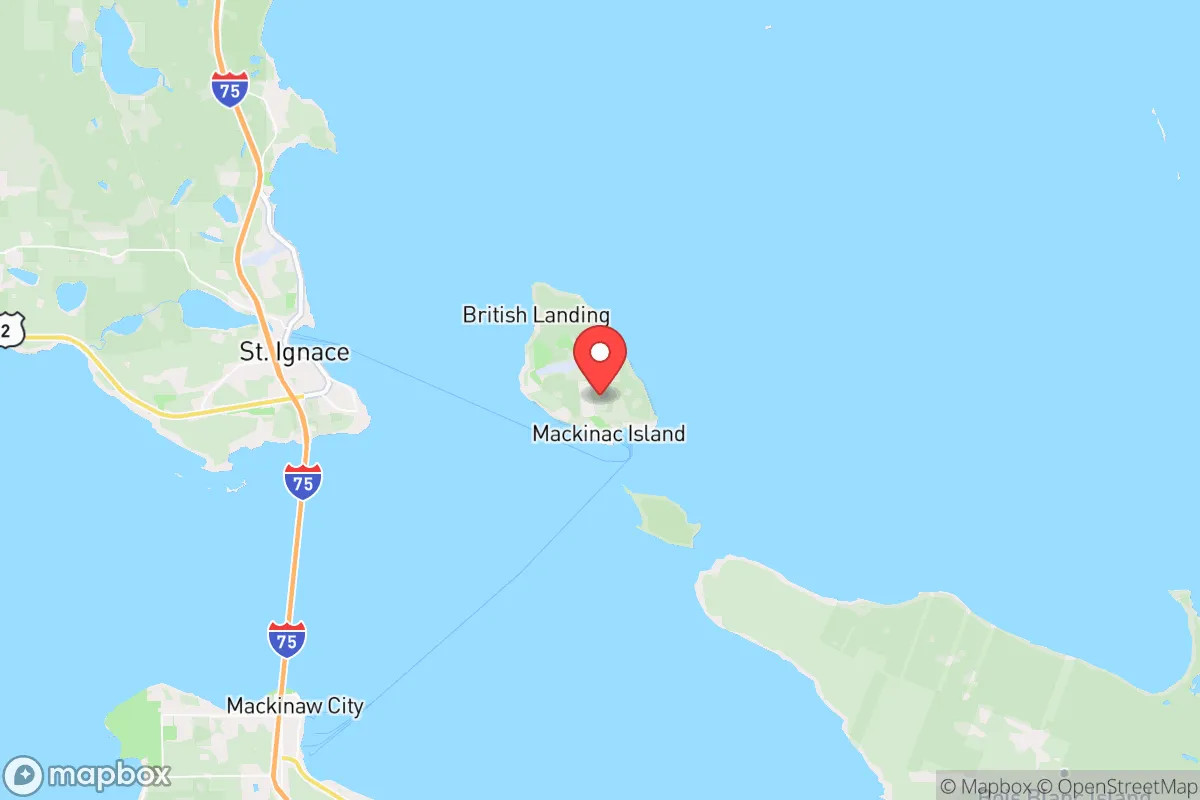
Mackinac Island is an exceptionally affluent and unique community where the permanent population of roughly 500 residents lives without automobiles, relying on horse-drawn carriages, bicycles, and foot travel. The island's cost of living index of 178 (78% above the U.S. average) reflects its status as a premium resort destination, with a median home value of $834,600 that places it among the most expensive small towns in Michigan. The year-round population skews older and wealthier, with many residents working in tourism, hospitality, or commuting to St. Ignace and Mackinaw City via ferry for professional services and healthcare roles.
Cost of living, housing affordability, and how it compares to nearby mainland towns
Housing on Mackinac Island is bifurcated: the median home value of $834,600 is roughly triple that of St. Ignace ($280,000) and Mackinaw City ($310,000), driven by extreme scarcity of buildable land and the premium for island living. However, the median rent of $1,164 is surprisingly moderate, reflecting a rental market dominated by seasonal employee housing and older apartments rather than luxury vacation rentals. The average commute of 24.4 minutes is deceptively low—most residents work on-island, but those commuting to the mainland must factor in ferry schedules and seasonal closures. Property taxes are relatively low due to Michigan's Proposal A (capped at 5% annual increase for non-moving properties), but homeowners insurance is significantly higher than the national average due to the island's isolation and reliance on ferry transport for materials and emergency services. For buyers, the affordability gap versus the mainland is stark: a $834,600 home on the island would cost roughly $350,000–$400,000 in Cheboygan or Petoskey, making Mackinac Island a lifestyle purchase rather than a value play.
What daily life is like for families, schools, and local amenities
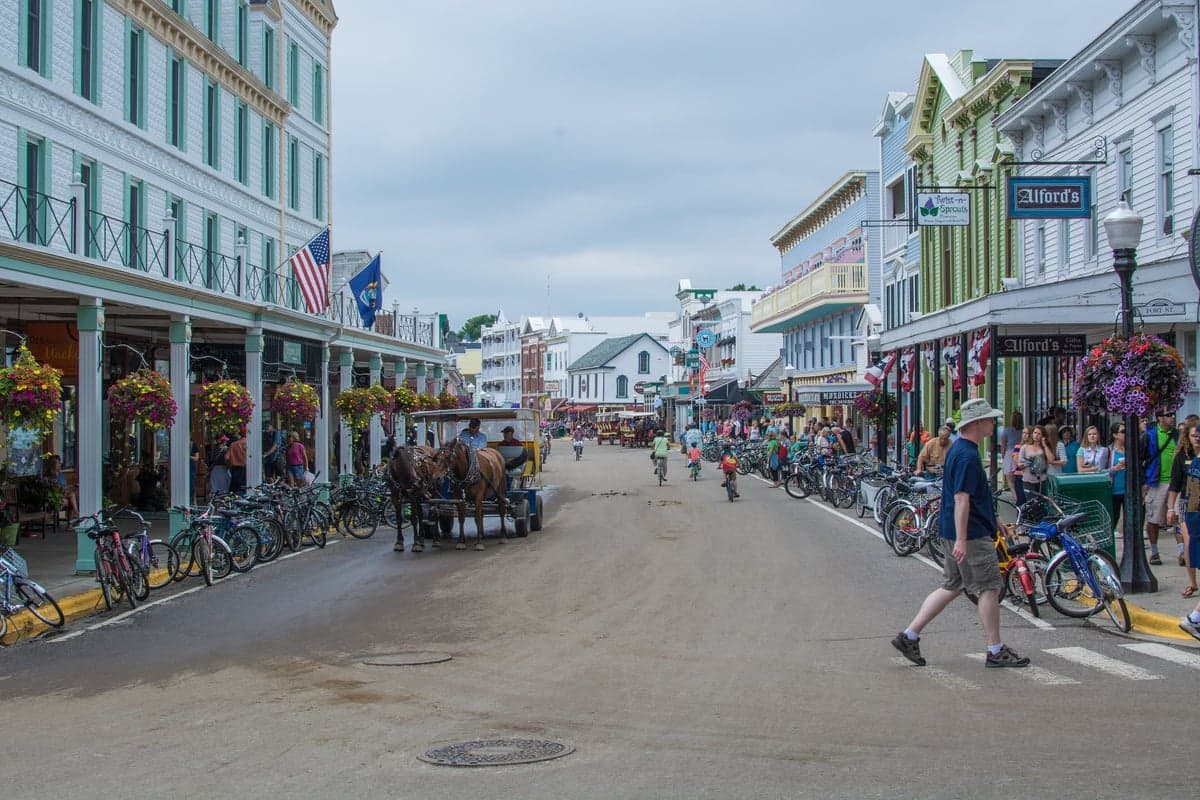
Daily life on Mackinac Island revolves around a car-free, walkable environment where the main street (Market Street) is lined with fudge shops, boutiques, and restaurants that serve both tourists and locals. The island's only school, Mackinac Island Public School, serves grades K–12 with an enrollment of roughly 60 students, offering small class sizes and a tight-knit educational environment—but limited extracurriculars compared to mainland districts like St. Ignace Area Schools. Healthcare is a significant consideration: the Mackinac Island Medical Center provides primary care and emergency stabilization, but serious cases require a 20-minute ferry ride to Mackinac Straits Hospital in St. Ignace. Groceries are available at Doud's Market (the oldest continuously operating grocery in the U.S.), but prices are 15–20% higher than mainland stores due to transport costs. The island's rhythm is heavily seasonal: summer brings crowds, festivals, and extended business hours, while winter sees the population drop to roughly 500, with many restaurants and shops closing entirely from November through April. Internet access has improved with Starlink availability, but fiber-optic service remains limited, and package delivery is restricted to ferry schedules.
Mackinac Island is best suited for retirees, remote workers with high incomes, and hospitality professionals who value a quiet, car-free lifestyle and can tolerate seasonal isolation. Families with school-age children will find the small school appealing but may struggle with limited extracurricular options and the need to ferry children to the mainland for sports or specialized activities. The island's high cost of living and housing prices make it inaccessible to most middle-income households, but for those who can afford it, the trade-off is a uniquely peaceful, historically rich environment with no traffic, low crime, and immediate access to one of Michigan's most iconic natural landscapes.

Crime in Mackinac Island, MI
Lower crime rates than 79% of comparable U.S. locations.
Violent CrimeViolent Crime Analysis
Property CrimeProperty Crime Analysis
Crime Analysis
Mackinac Island presents a unique safety paradox: while its violent crime rate of 322.6 per 100,000 residents is notably lower than the national average, its property crime rate of 8,225.8 per 100,000 is more than double the U.S. figure. This stark contrast is largely driven by the island's unusual transportation and tourism dynamics—no cars, a dense summer population, and a heavy reliance on bicycles and seasonal workers. For prospective residents, understanding this split is essential to evaluating daily life on the island.
Crime in context
Mackinac Island's violent crime rate of 322.6 per 100,000 sits well below the national average of roughly 380 per 100,000, and is significantly lower than Michigan's state rate of approximately 490 per 100,000. This suggests that serious offenses like assault, robbery, and homicide are relatively rare. However, the property crime rate of 8,225.8 per 100,000 is roughly 2.5 times the national average and far exceeds Michigan's state rate of about 1,500 per 100,000. This disparity is almost entirely attributable to the island's massive seasonal tourist influx—the population swells from about 500 year-round residents to over 8,000 daily visitors in summer—creating a high concentration of targets for theft, burglary, and bicycle-related crimes. The island's status as a small, isolated community near a major tourist destination (Mackinaw City and the Straits of Mackinac) means that while violent crime is well-controlled, property crime is a persistent, seasonal challenge.
What residents experience
Year-round residents report that violent crime is virtually unheard of in their daily lives, with most incidents involving minor altercations among seasonal workers or intoxicated visitors. The real safety concern is property crime: bicycle theft is endemic during summer months, and unlocked homes or storage sheds are occasionally targeted. The island's unique legal context—it falls within Mackinac County, which is not part of a large, liberal-leaning metro area—means that local law enforcement and the county prosecutor's office operate under a more traditional, victim-focused approach. Unlike progressive jurisdictions in large metro areas where lenient sentencing can lead to repeat offenses, Mackinac Island's justice system prioritizes accountability, which helps keep violent crime low and property crime from escalating further. Residents generally feel safe walking alone at night, but they lock bikes and secure seasonal property with vigilance.
Neighborhood-level variation is minimal due to the island's small size and tight-knit community. The downtown area along Main Street sees the highest concentration of property crime during tourist season, while residential areas like the West Bluff and East Bluff—where many year-round homes are located—experience very few incidents. The island's isolation and lack of cars mean that criminals have limited escape routes, and the local police department maintains a visible presence. For those considering a move, the trade-off is clear: violent crime is exceptionally rare, but property crime requires proactive prevention, especially during the busy summer months.
* Values derived from national, state, county, city and local statistics and may differ in a specific area. Last updated: 2026-10-20T08:17:16.000Z
Narrative content on this page is AI-generated and may contain mistakes. Verify any details that matter before acting on them.
ReloMaps may earn a commission from affiliate links at no extra cost to you.

