Photo: Wikipedia
Find The Best Places To Live in Terrebonne County
PRO TIP! You can paste a Zillow or Redfin link to get info on that property.
Best Places to Live in Terrebonne County

Cities & Towns in Terrebonne County
Cities in Terrebonne County
What It's Like Living in Terrebonne County, LA
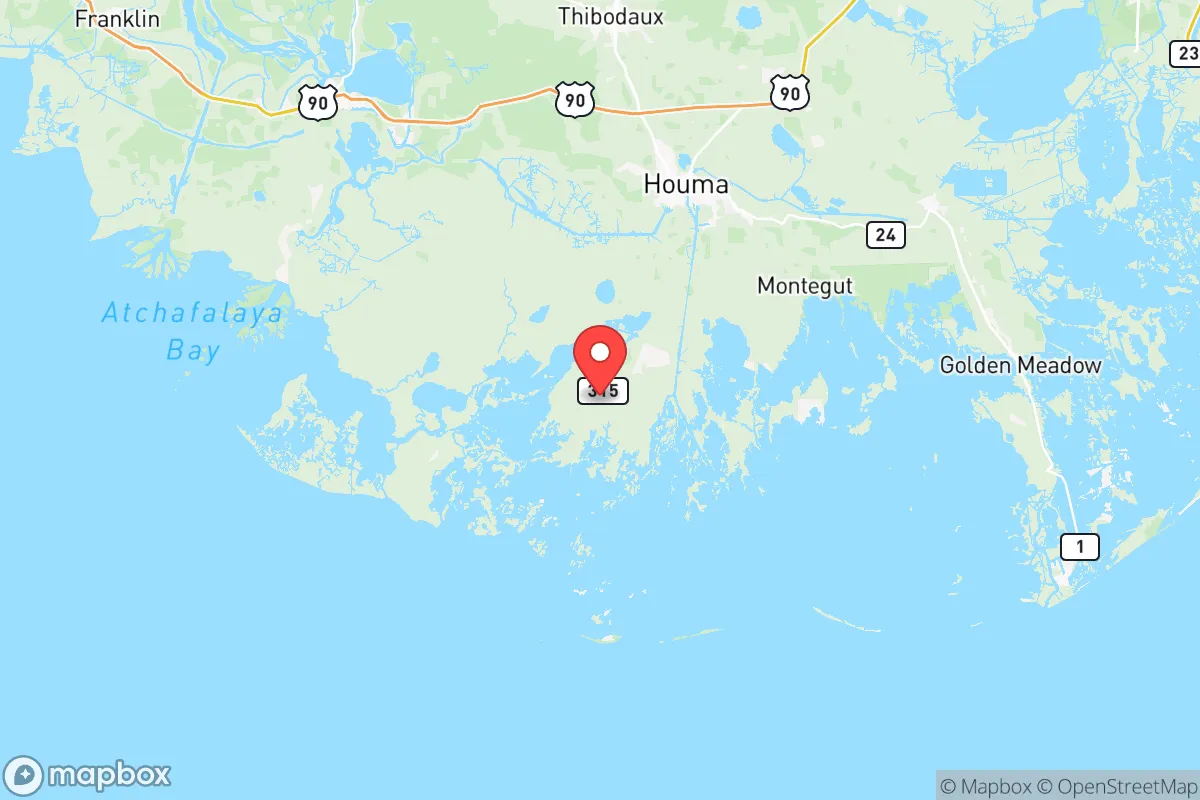
Living in Terrebonne Parish—locals still call it a parish, not a county—feels like being in on a secret that the rest of Louisiana is slowly discovering. It’s a place where the bayous run thick with history, where the air smells of salt marsh and crawfish boil, and where the pace of life moves at a deliberate, unhurried crawl. You’ll find folks who’ve been here for generations working alongside newcomers drawn by the affordable cost of living and the promise of a tight-knit community, from the small city of Houma to the quieter corners of Chauvin and Montegut.
The Daily Rhythm: Bayou Living and the Commute
Most days in Terrebonne start early, often with a cup of coffee on a porch overlooking a canal. The median commute here is just over 24 minutes, which is a bit longer than you might expect for a parish of 107,000 people, but it’s a trade-off for the space you get. People drive from Gray or Schriever into Houma for work at the region’s major employers—the oil-and-gas service companies, the shipyards, or the Terrebonne General Medical Center. The drive is rarely a slog, but it can feel repetitive along the same two-lane highways. After work, the rhythm shifts to family time, often centered around a Friday-night football game or a weekend trip to the Houma-Terrebonne Civic Center for a concert or a rodeo. Shopping is practical: you’ll hit the big-box stores on Martin Luther King Boulevard in Houma, but for real character, you head to the local seafood markets in Dulac for fresh shrimp straight off the boat.
Sports, Community, and the Culture of Friday Nights
High school football is the undisputed king of Terrebonne sports. On any given Friday in the fall, the stands at Vandebilt Catholic High School or Terrebonne High School are packed with parents, grandparents, and former players who never really left. The rivalry between Houma’s public schools and the private Catholic schools is fierce but friendly, and it’s the kind of event where you’ll run into your neighbor, your mailman, and your kid’s teacher all in one night. For college sports, most locals lean toward LSU—the purple-and-gold flags fly from porches in Bourg just as they do in Baton Rouge. There’s no pro team in the parish, but the Houma Hawks, a minor-league baseball team, draw a loyal crowd for summer games at the Southland Field. The real community glue, though, is the Terrebonne Parish Sheriff’s Office Rodeo, a massive annual event that raises money for youth programs and brings out nearly everyone for a weekend of bull riding, barbecue, and live music.
What’s There to Do: From Swamp Tours to Festivals
If you’re the kind of person who loves being outdoors, Terrebonne is a playground. The Mandolin Bayou and the Atchafalaya Basin are right there, offering world-class fishing, crabbing, and kayaking through cypress tunnels. Locals swear by the swamp tours out of Chauvin, where guides point out alligators, egrets, and the occasional nutria. For a night out, the Downtown Houma area has seen a revival, with spots like The Jolly Roger serving up live zydeco and cold beer, and Boudreaux & Thibodeaux’s dishing out crawfish étouffée that’ll make you forget about any chain restaurant. The biggest cultural event of the year is the Houma Cajun Festival, a three-day celebration of music, food, and heritage that draws bands from across the state. It’s a loud, messy, wonderful time where you’ll see families dancing in the street and old men playing accordion on the porch. The median age here is 37.3, which means the crowd skews toward families and working adults—you won’t find a wild club scene, but you will find a community that knows how to throw a party with a purpose.
Pros and Cons of Living in Terrebonne
The biggest draw is the cost of living. With a median home value of $189,100 and a cost-of-living index of 79 (well below the national average of 100), a family earning the median income of $64,819 can actually afford a decent house with a yard and a boat slip. That’s a rarity in 2026. The trade-off is that only 17.7% of adults hold a college degree, which limits the white-collar job market and means many of the best-paying gigs are tied to the volatile oil-and-gas industry. The violent crime rate of 362.3 per 100,000 is higher than the national average, and while most of it is concentrated in specific parts of Houma, it’s a concern that longtime residents will mention over coffee. The weather is another double-edged sword: the summers are brutally humid, and hurricane season from June to November is a real threat—everyone in Montegut has a storm prep plan. But the flip side is that the winters are mild, and the fishing is good year-round. What frustrates locals most is the lack of major entertainment options—you’ll drive to New Orleans (about an hour away) for a big concert or a Saints game. What they love is the sense of place: the way a stranger will wave from a passing boat, the smell of gumbo on a Sunday afternoon, and the knowledge that in Terrebonne, you’re never really alone.

* Values derived from national, state, county, city and local statistics and may differ in a specific area. Last updated: 2026-07-24T07:26:18.000Z
Narrative content on this page is AI-generated and may contain mistakes. Verify any details that matter before acting on them.
ReloMaps may earn a commission from affiliate links at no extra cost to you.

