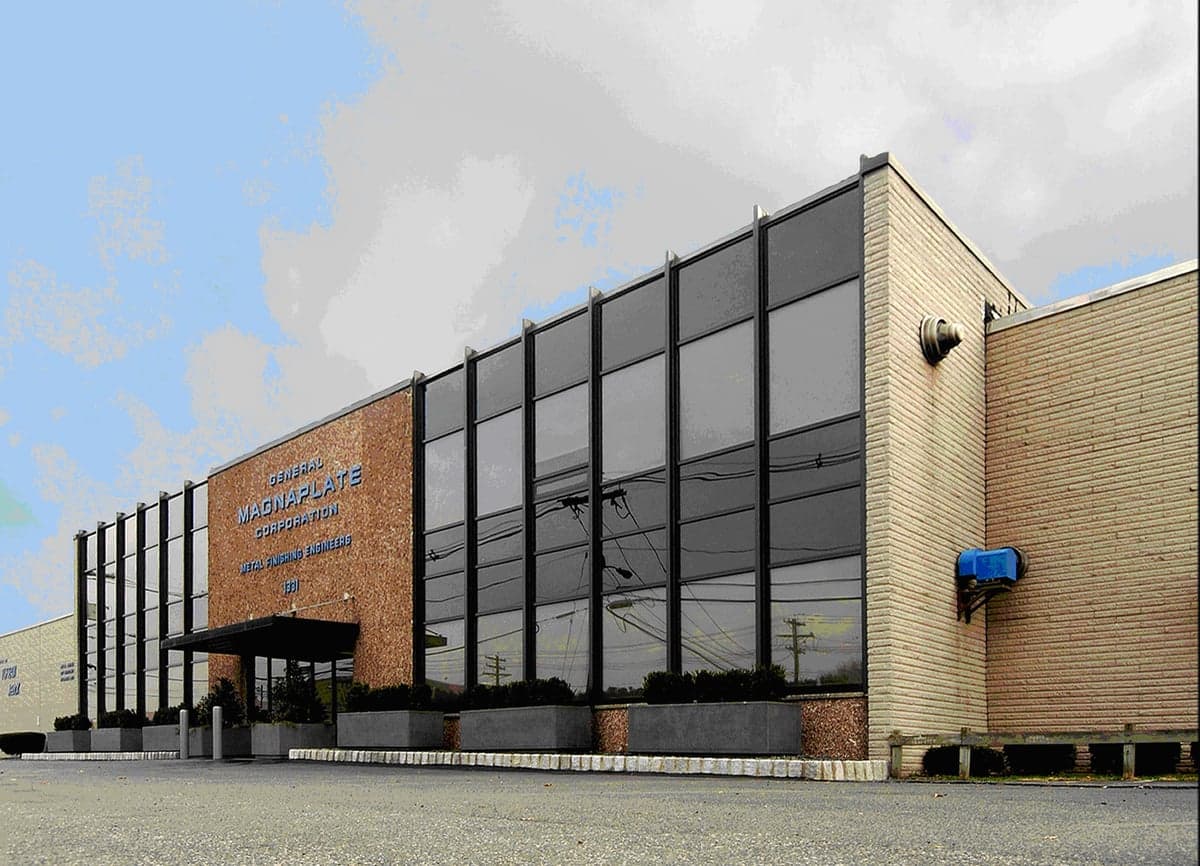
Photo: Wikipedia
Political ClimatePolitical Climate in Linden, NJ
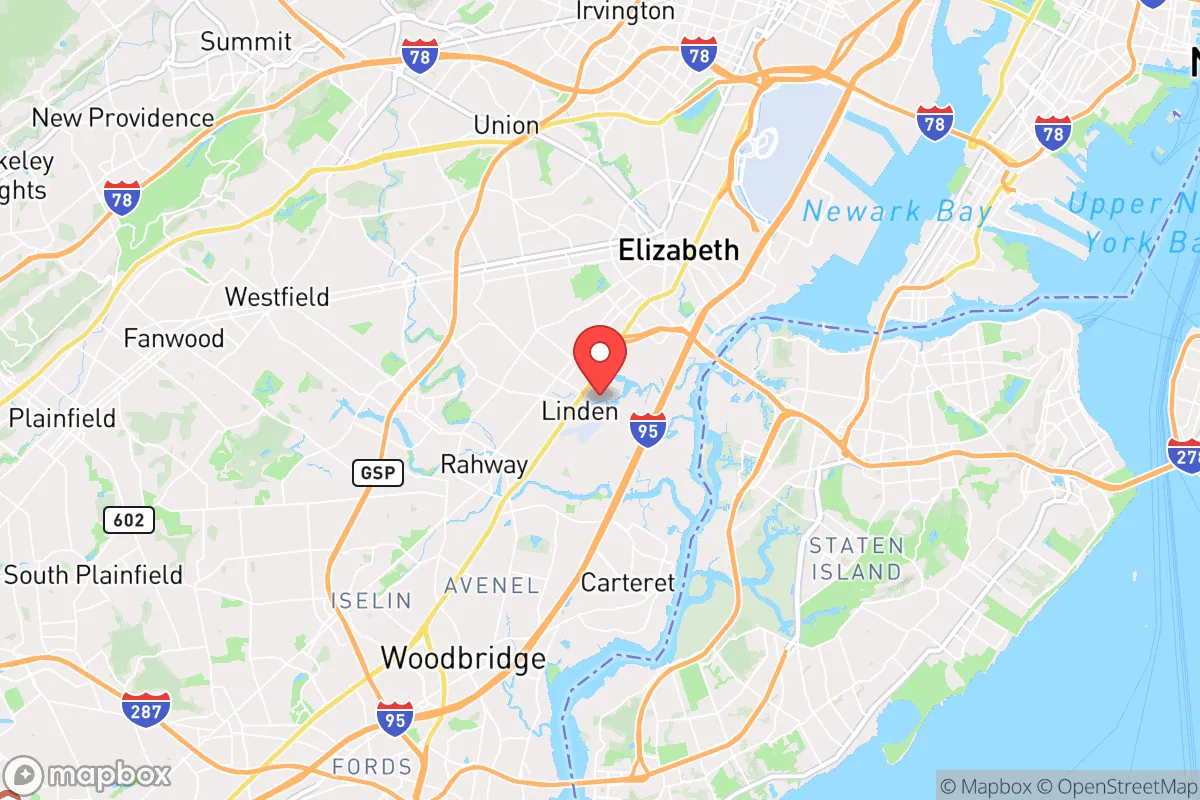
District shown is the primary district for this city’s centroid. Cities may span multiple districts.
Local Political AnalysisPolitical Analysis of Linden, NJ
Linden, New Jersey, sits in a political no-man's-land that's been shifting under our feet for the last decade. The Cook PVI rating of EVEN tells you everything you need to know: this town is a true toss-up, but the direction it's leaning lately should give any freedom-loving resident pause. Back in the day, Linden was reliably blue-collar, union-strong, and socially conservative—folks who worked hard, kept their guns, and didn't want the government poking into their backyards. Now, you're seeing more progressive energy creeping in, especially from younger transplants priced out of nearby Elizabeth and Rahway, and the local machine is starting to cater to that crowd. It's not a full-on takeover yet, but the trajectory is concerning if you value personal liberty and limited government.
How it compares
Linden's political climate is a weird hybrid compared to its neighbors. Head west to Clark or Cranford, and you're in solidly Republican territory—those towns vote red by double digits, and you'll see Trump signs on lawns year-round. Go east into Elizabeth, and you're in a deep-blue stronghold where progressive policies on taxes, zoning, and policing are the norm. Linden sits right in the middle, but it's not a happy medium. The city council and school board have been tilting left, pushing things like diversity, equity, and inclusion initiatives in schools and exploring "sanctuary" policies that tie local cops' hands. Meanwhile, the county-level politics in Union County are dominated by a Democratic machine that's cozy with Trenton, meaning state-level overreach—like strict gun laws and high property taxes—is baked into the system. If you're a conservative here, you're fighting an uphill battle against a regional tide that's getting bluer every cycle.
What this means for residents
For the average Linden homeowner or small business owner, this shift means more than just bumper sticker arguments. Property taxes in New Jersey are already the highest in the nation, and Linden's are no exception—the local government has been quick to raise rates to fund new programs, like expanded public transit subsidies and "equity" training for city employees, without much pushback from the council. On the personal freedom front, you're seeing more restrictions: the town has tightened noise ordinances, cracked down on short-term rentals like Airbnb, and the police department is under pressure to adopt "bias-free" policing policies that can make officers hesitant to enforce the law. For gun owners, New Jersey's already draconian laws are enforced strictly here, and there's no local resistance to state mandates like the carry-killer permit regime. If you value your Second Amendment rights or want to run a business without red tape, Linden is becoming a tougher place to live freely.
Culturally, Linden still has a strong sense of community—the annual Linden Street Fair and the local diners are full of folks who remember when the GM plant was humming. But the policy direction is unmistakable: the city is embracing the progressive playbook, from "climate action" plans that add costs to homeowners to school curriculum changes that prioritize social justice over academics. The long-term worry is that as more families and small businesses get fed up with the taxes and the overreach, they'll pull up stakes for places like Hunterdon County or even Pennsylvania, leaving behind a town that's less diverse in thought and more dependent on government. If you're thinking of moving here, keep your eyes on the next few elections—if the council flips further left, the personal freedoms that made this a great place to raise a family could be a thing of the past.

State Political ClimatePolitical Climate in New Jersey
State Political AnalysisPolitical Environment in the State
New Jersey has long been a blue state, but the reality on the ground is more complicated than the national narrative suggests. The state has voted Democratic in every presidential election since 1992, but the margin has tightened in recent cycles—from a 14-point Biden win in 2020 down to a 6-point Harris win in 2024. The dominant coalition is a mix of suburban professionals, union households, and dense urban populations, but a growing conservative minority is concentrated in the rural northwest, the shore counties, and parts of South Jersey. Over the last 20 years, the state has shifted left on social issues while maintaining a surprisingly moderate streak on fiscal matters, though the overall trajectory is one of increasing government control over daily life.
Urban vs. rural divide
The political map of New Jersey is a tale of two states. The urban core—Newark, Jersey City, Paterson, and Trenton—drives the Democratic supermajority, with turnout from dense minority populations and public-sector unions. These cities reliably deliver 70-80% Democratic margins. The suburbs of Bergen, Essex, and Hudson counties have shifted left over the past decade, driven by professional-class transplants from New York City who bring progressive social values. In contrast, the rural northwest—Sussex, Warren, and Hunterdon counties—votes reliably Republican, often by 15-20 point margins. The Jersey Shore counties, particularly Ocean and Monmouth, are competitive but lean Republican in local races, though they've trended left on social issues like abortion and marijuana legalization. The real battleground is the exurban ring around Philadelphia—Burlington, Camden, and Gloucester counties—where working-class voters have drifted toward Republicans on economic issues but remain culturally moderate.
Policy environment
New Jersey's policy environment is a mixed bag for conservatives. The state has the highest property taxes in the nation, averaging over $9,500 per year, and a progressive income tax that tops out at 10.75% for earners over $1 million. The regulatory posture is heavy: the state has its own environmental standards that exceed federal requirements, a strict gun permit system that requires a "justifiable need" for concealed carry (though the Supreme Court's Bruen decision has loosened this), and a school funding formula that heavily favors urban districts over suburban ones. On education, New Jersey spends more per pupil than almost any other state, but parental rights have become a flashpoint—the state passed a law in 2022 requiring schools to adopt anti-bullying policies that include sexual orientation and gender identity, which conservatives argue undermines parental authority. Healthcare is dominated by the state's Medicaid expansion and a robust individual mandate, though the state has not moved to a single-payer system. Election laws are among the most accessible in the country: automatic voter registration, no-excuse mail-in voting, and same-day registration, which conservatives view as a recipe for fraud, though no major scandals have emerged.
Trajectory & freedom
New Jersey is becoming less free by most conservative measures. The state has expanded gun control repeatedly, including a 2022 law banning the carrying of firearms in "sensitive places" like parks and public transit, which is being challenged in court. On parental rights, the state passed a law in 2023 that prohibits school districts from notifying parents if a student changes their gender identity or pronouns—a direct blow to family autonomy. Medical autonomy took a hit with the state's strict COVID-19 vaccine mandates for healthcare workers and school employees, which remain in effect despite the end of the public health emergency. Property rights are constrained by the state's powerful municipal land-use boards and the Mount Laurel Doctrine, which forces towns to include affordable housing, often overriding local zoning decisions. On the positive side for conservatives, the state has not enacted rent control statewide, and the 2024 budget included a modest property tax rebate for middle-class families. But the overall trend is toward more regulation, higher taxes, and less individual discretion.
Civil unrest & political movements
New Jersey has seen its share of political flashpoints. The 2020 Black Lives Matter protests in Newark and Trenton were large but mostly peaceful, though property damage occurred in some commercial districts. The state's sanctuary policies are robust: since 2018, the Attorney General has directed law enforcement not to cooperate with ICE detainers, and the Immigrant Trust Directive limits local police from asking about immigration status. This has created tension in towns like Freehold and Elizabeth, where immigrant populations have grown rapidly. On the right, the New Jersey 2nd Amendment Society has been active in organizing against gun control, and the state's chapter of Moms for Liberty has gained traction in suburban school board races, particularly in Morris and Somerset counties. Election integrity remains a live issue: the 2020 and 2024 elections saw lawsuits over mail-in ballot procedures, though courts have largely upheld the state's practices. A notable flashpoint was the 2023 school board elections in Westfield, where a conservative slate won on a platform of parental notification and curriculum transparency, only to face legal challenges from the state's education department.
Projection
Over the next 5-10 years, New Jersey is likely to continue its leftward drift on social issues while facing increasing fiscal pressure. The state's population has been stagnant or declining since 2020, with net domestic out-migration of about 30,000 people per year, many of them middle-class families moving to Florida, Texas, or the Carolinas. This exodus is driven by taxes and cost of living, not politics, but it's reshaping the electorate: the people leaving tend to be more conservative, while the people arriving from New York City are more progressive. The state's Democratic supermajority in the legislature is unlikely to be broken, but the margin could narrow if the GOP can win over suburban moderates on economic issues. A new resident moving in now should expect a state where government plays a large role in daily life—from high taxes to strict regulations—but where local communities still offer pockets of conservative culture, particularly in the rural northwest and shore counties. The key battlegrounds will be school boards and local zoning, where conservative parents and property owners can still make a difference.
For a conservative considering a move to New Jersey, the bottom line is this: you'll pay a premium in taxes and deal with a state government that often works against your values, but you'll also find strong communities, excellent schools in many suburbs, and a legal system that respects property rights and contract law. The state is not going to flip red anytime soon, but it's not a monolithic blue either—your vote matters more here than in a deep-red state, and local activism can still produce wins. Just be prepared for a fight on every issue from guns to school curriculum, and budget accordingly for the tax burden.
* Values derived from national, state, county, city and local statistics and may differ in a specific area. Last updated: 2026-05-03T09:16:39.000Z
Narrative content on this page is AI-generated and may contain mistakes. Verify any details that matter before acting on them.
ReloMaps may earn a commission from affiliate links at no extra cost to you.

