
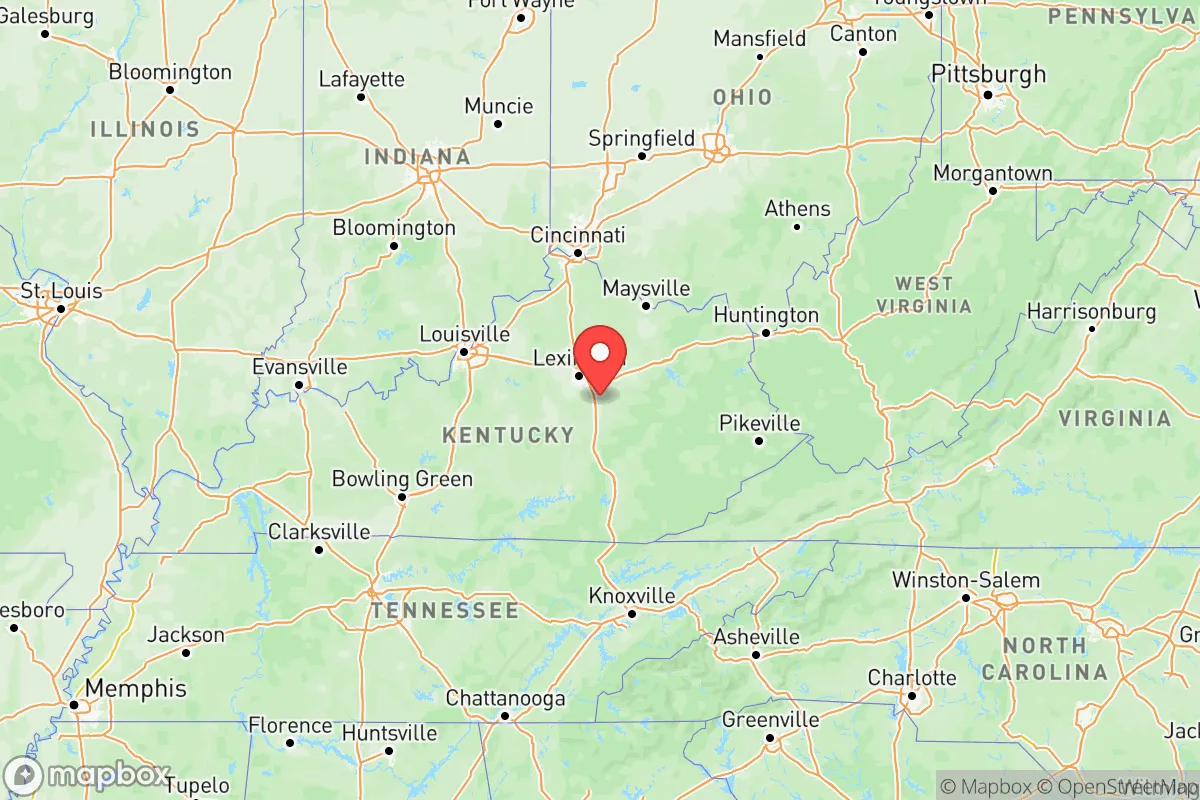
Photo: Wikipedia
Quality of Life in Kentucky
A livable area that tracks near national norms for affordability, walkability, and neighborhood health.
What does Quality of Life tell us?
Quality of Life measures an area by evaluating factors like cost of living, nearby amenities, country club access, airport proximity, socioeconomic signals and neighborhood character. For large states, this is a general average — quality of life can vary dramatically between metro areas, suburbs, and rural communities within the same state.
What does this tell us?
Quality of Life measures an area by evaluating factors like cost of living, nearby amenities, country club access, airport proximity, socioeconomic signals and neighborhood character. For large states, this is a general average — quality of life can vary dramatically between metro areas, suburbs, and rural communities within the same state.
Cost of Living
25% below national average
114%
The Real Cost of Living in Kentucky for 2026
| Tier | Individual | Family (4) |
|---|---|---|
| Survival | $15k | $28k |
| Comfortable | $37k | $55k |
| Luxury | $113k+ | $175k+ |
| Elite (Top 5%) | $141k+ | $219k+ |
Quality-of-Life Analysis
Kentucky offers a remarkably broad spectrum of quality-of-life options, ranging from dense urban centers and vibrant college towns to quiet Appalachian hollows and Bluegrass horse farms. With a cost-of-living index of 75 (well below the national average of 100), a median home value of $192,300, and median rent of $933, the state provides affordable entry points for nearly every lifestyle preference. The average commute of 24 minutes further underscores the accessibility of work, school, and recreation across most of the state, making it a practical choice for remote workers, retirees, and families alike.
Major metros
If you're looking for urban living, Kentucky has two primary metropolitan anchors. Louisville, the state's largest city, offers a blend of historic neighborhoods, a bourbon-and-arts scene, and a diversified economy anchored by health care (Norton Healthcare, Humana) and logistics (UPS Worldport at Louisville Muhammad Ali International Airport). Its vibe is approachable and mid-sized, with a walkable downtown and a strong food-and-drink culture. Lexington, the second-largest city, is the heart of the Bluegrass region, defined by horse farms, the University of Kentucky, and a more refined, college-town energy. Its economy leans into equine industries, higher education, and tech startups. Both cities have median home values above the state average but remain affordable compared to peer metros in the South and Midwest. Northern Kentucky (Covington, Newport, Florence) functions as a third metro corridor, effectively a suburb of Cincinnati, offering urban amenities with lower Kentucky taxes and a more suburban pace.
Mid-size cities & college towns
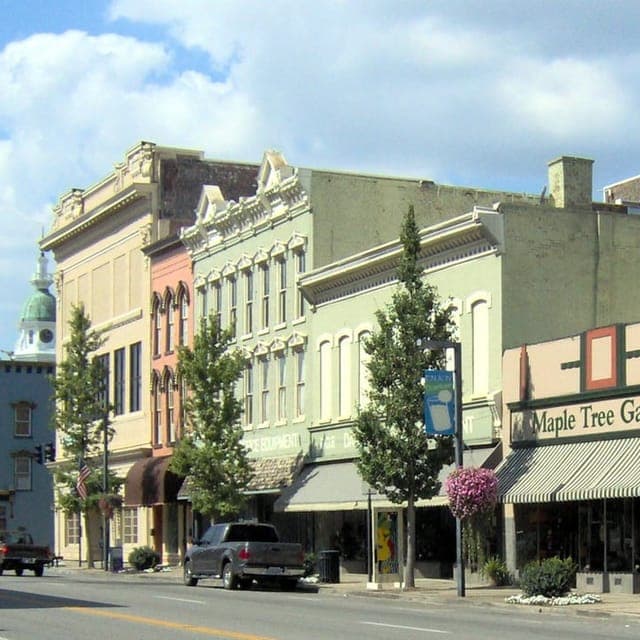
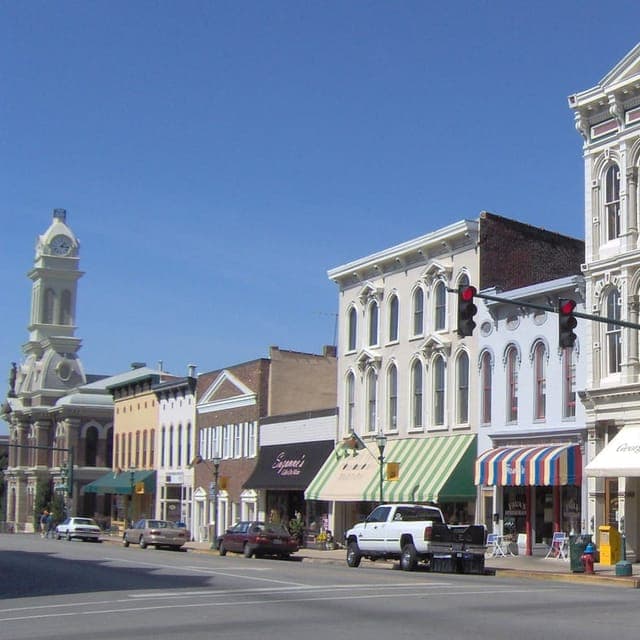
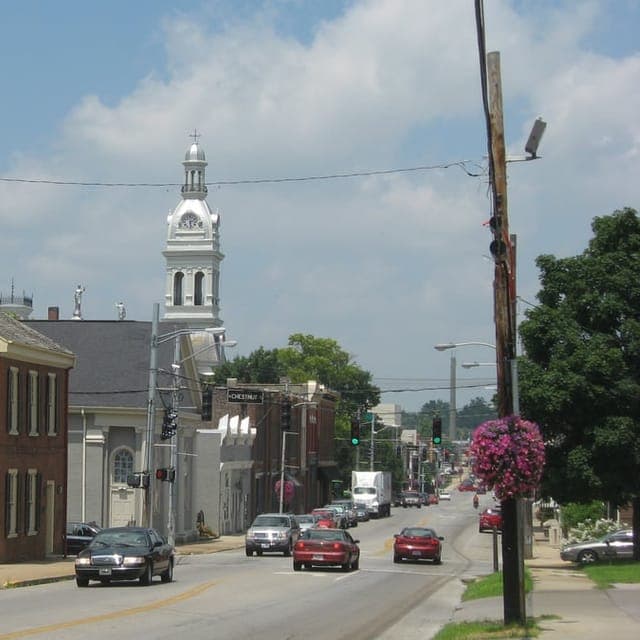
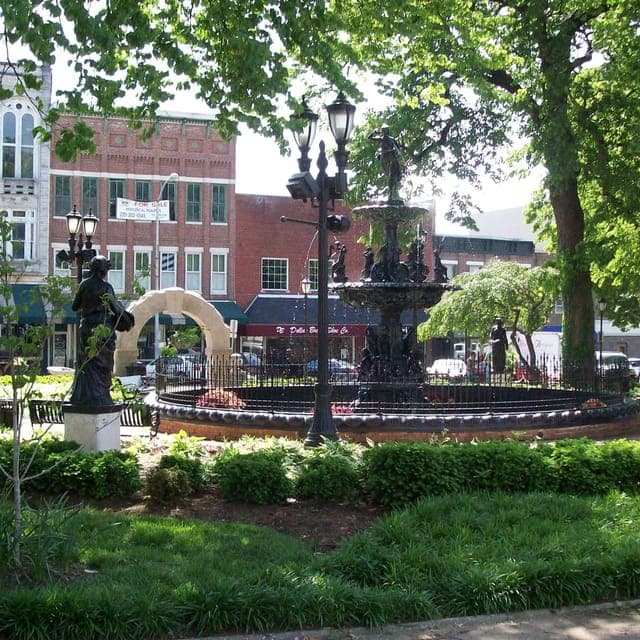
Kentucky's mid-size cities and college towns provide a middle ground between urban density and rural quiet. Bowling Green, home to Western Kentucky University and a growing manufacturing base (including a General Motors Corvette plant), offers a youthful, affordable environment with a median home value around $220,000. Richmond, anchored by Eastern Kentucky University, is a classic college town with a walkable downtown and easy access to Lexington. Owensboro, on the Ohio River, has reinvented itself around a riverfront revitalization and a strong barbecue culture, appealing to families and retirees seeking a slower pace with amenities. Paducah, in the far west, is a UNESCO Creative City for its quilt and fiber arts scene, attracting artists and creatives. Morehead, home to Morehead State University, offers a small-town college atmosphere with proximity to the Daniel Boone National Forest, ideal for outdoor enthusiasts.
Small towns & rural areas
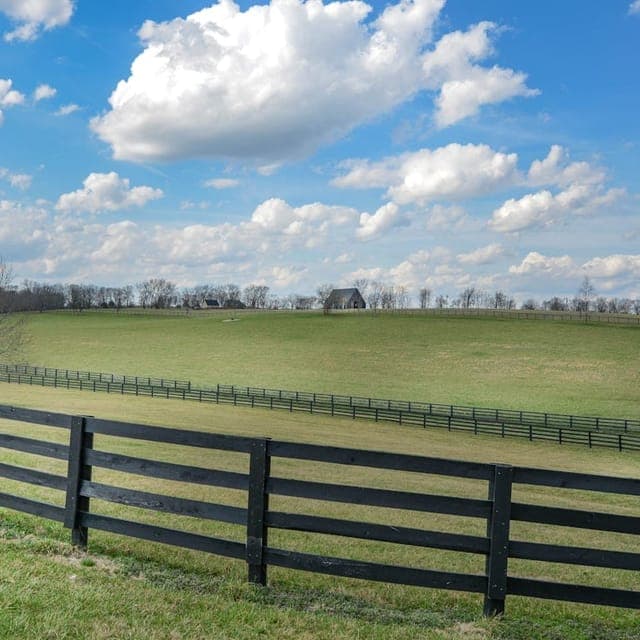
For those seeking a quiet, land-based lifestyle, Kentucky's small towns and rural areas offer distinct flavors. Bardstown, the "Bourbon Capital of the World," combines small-town charm with a thriving tourism economy and historic architecture. Berea, known for Berea College and its artisan crafts, is a progressive-minded small town at the edge of the Appalachian foothills. Harlan and Pikeville, in the eastern coalfields, offer rugged mountain scenery, low home prices (often under $100,000), and a slower pace, though economic opportunities are more limited. Murray, near Kentucky Lake and the Land Between the Lakes recreation area, is a classic lake-town community popular with retirees and water-sports enthusiasts. The rural Bluegrass region, around Paris and Georgetown, offers rolling horse farms, historic estates, and a pastoral lifestyle that attracts equestrians and those seeking acreage.
Luxury vs. affordable living
The luxury tier in Kentucky is concentrated in a few specific enclaves. Anchorage, a wealthy suburb of Louisville, features large estates and a median home value exceeding $600,000. Indian Hills and Glenview, also in the Louisville area, are among the state's most expensive neighborhoods, with homes often topping $1 million. In Lexington, the Ashland Park and Chevy Chase neighborhoods offer historic mansions and walkable urbanity. On the affordable end, Mayfield and Fulton in the far west have median home values under $80,000. Middlesboro and Pineville in southeastern Kentucky offer homes for under $100,000, with a cost of living well below the state average. Glasgow and Campbellsville in the south-central region provide affordable housing (median around $140,000) with access to regional healthcare and retail.
The practical reality is that Kentucky's quality-of-life spectrum is defined by trade-offs between economic opportunity, natural beauty, and cost. Urban professionals and creatives gravitate to Louisville and Lexington for jobs and culture. Families and retirees find the best balance in mid-size cities like Bowling Green or Owensboro, where schools and amenities are solid and home prices remain manageable. Outdoor enthusiasts and those seeking maximum affordability are drawn to the rural east and west, where land is cheap but job markets are thin. The statewide cost-of-living spread is wide: a home in Anchorage may cost 10 times what one in Harlan does, yet both are within a two-hour drive of each other. This diversity makes Kentucky a state where nearly any lifestyle is possible, provided the trade-offs are understood.

Crime in Kentucky
Generally safer than 64% of comparable U.S. locations.
Violent CrimeViolent Crime Analysis
Property CrimeProperty Crime Analysis
Crime Analysis
Kentucky’s overall crime landscape is mixed, with a violent crime rate of 197.1 per 100,000 residents that sits well below the national average, while its property crime rate of 1,201.4 per 100,000 tracks closer to the U.S. median. The state benefits from low violent crime in many rural and suburban counties, but urban centers and areas with progressive prosecutorial policies drive up both categories, creating sharp disparities between communities. For prospective residents, safety depends heavily on choosing a jurisdiction with a track record of law-and-order governance and proactive policing.
Crime in context
Kentucky’s violent crime rate is roughly 30% lower than the national average, a statistic that reflects the safety of its small towns and agricultural regions. However, property crime at 1,201.4 per 100,000 is only about 10% below the U.S. figure, indicating that theft, burglary, and vehicle break-ins are persistent concerns. The state’s largest city, Louisville (Jefferson County), is a notable outlier: its violent crime rate exceeds 700 per 100,000, driven by gang activity and a district attorney’s office that has adopted progressive diversion and non-prosecution policies for certain offenses. Similarly, Lexington (Fayette County) reports violent crime near 400 per 100,000, with property crime rates above the state average, as its elected prosecutor emphasizes restorative justice over incarceration. In contrast, Bowling Green (Warren County) and Owensboro (Daviess County) maintain violent crime rates below 150 per 100,000, reflecting more traditional sentencing approaches and robust police-community partnerships.
What residents experience
Daily life for most Kentuckians outside the major metro areas is relatively safe, with property crime being the more likely encounter. In Louisville’s West End and parts of Lexington’s Northside, residents report frequent car break-ins, package thefts, and occasional armed robberies, often linked to open-air drug markets. The progressive policies of the Jefferson County Commonwealth’s Attorney—which include declining to prosecute low-level drug possession and reducing bond amounts for repeat offenders—have been criticized by local business owners for emboldening property criminals. In Covington (Kenton County), just across the Ohio River from Cincinnati, property crime rates hover near 2,500 per 100,000, partly due to its proximity to a larger metro area and a judicial district that has experimented with cite-and-release programs. Meanwhile, residents in Richmond (Madison County) and Elizabethtown (Hardin County) report far fewer incidents, with neighborhood watch programs and conservative district attorneys contributing to a sense of security.
Neighborhood-level variation is stark. In Louisville, the Highlands and St. Matthews areas see property crime rates roughly half the city average, while the Russell and Shawnee neighborhoods experience violent crime at triple the city rate. Lexington’s Chevy Chase and Ashland Park are among the safest urban enclaves, with violent crime nearly nonexistent, whereas Winchester Road and Versailles Road corridors see frequent thefts and assaults. Suburban counties like Oldham County (northeast of Louisville) and Boone County (near Cincinnati) consistently report the lowest crime rates in the state, with violent crime below 100 per 100,000 and property crime under 800 per 100,000, thanks to well-funded police departments and district attorneys who prioritize victim rights and public safety over offender rehabilitation. For those relocating, choosing a county with a conservative prosecutor and a low-density population is the most reliable path to a safe daily experience.
Top Cities for Quality of Life in Kentucky
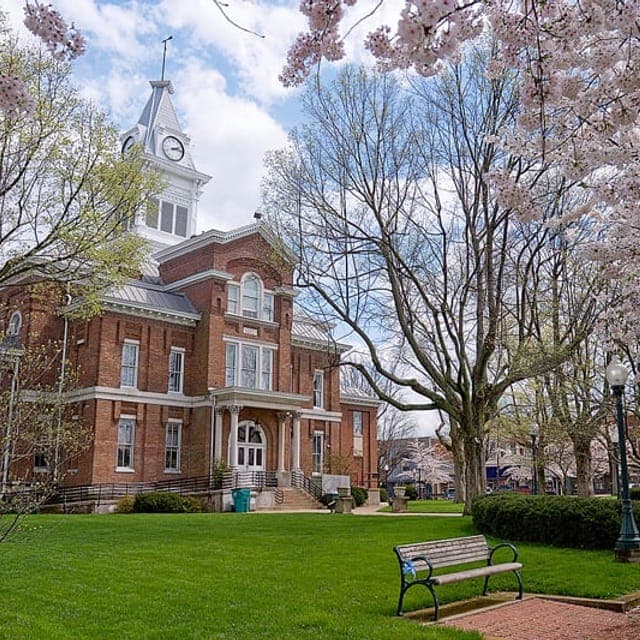
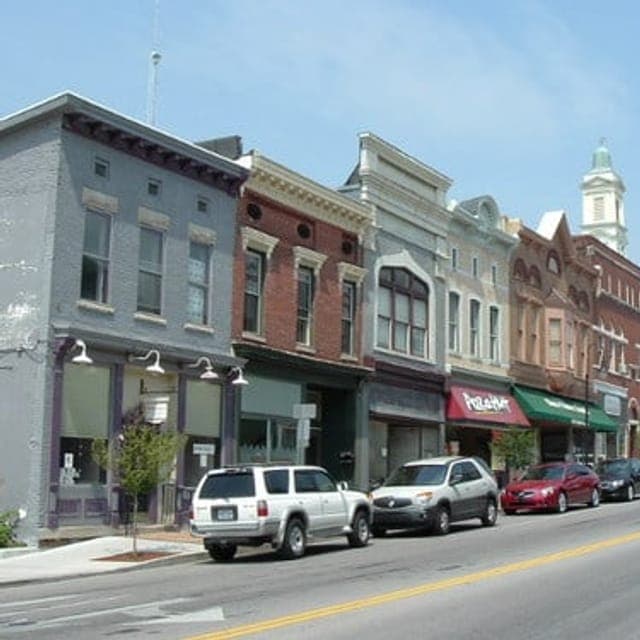


* Values derived from national, state, county, city and local statistics and may differ in a specific area. Last updated: 2026-04-18T22:38:41.000Z
Narrative content on this page is AI-generated and may contain mistakes. Verify any details that matter before acting on them.
ReloMaps may earn a commission from affiliate links at no extra cost to you.

