Photo: Wikipedia
Political ClimatePolitical Climate in Kentucky
Political Environment in the State
Kentucky is a deeply red state with a Cook PVI of R+15, meaning it votes about 15 points more Republican than the national average in presidential elections. The dominant coalition is a mix of rural conservatives, evangelical Christians, and working-class voters who have shifted rightward over the past two decades, particularly as the Democratic Party lost its grip on the state’s old coal country and union strongholds. In 2008, Kentucky went for John McCain by 16 points; by 2024, that margin had widened to over 30 points for Donald Trump, reflecting a long-term realignment that shows no signs of reversing.
Urban vs. rural divide
The political map of Kentucky is a textbook study in urban-rural polarization. The state’s two major metros—Louisville (Jefferson County) and Lexington (Fayette County)—are blue islands in a sea of red. Louisville, home to about 620,000 people, voted for Joe Biden by roughly 30 points in 2020, driven by its diverse population, university presence, and unionized manufacturing base. Lexington, with its University of Kentucky and growing tech sector, went for Biden by about 15 points. But outside these two cities, the state is overwhelmingly Republican. The eastern coal counties—like Pike, Harlan, and Letcher—were once reliably Democratic but have flipped hard red, with Trump winning them by 60-70 points in 2020. The northern suburbs of Cincinnati, such as Boone County, are solidly Republican, while Bowling Green (Warren County) and Owensboro (Daviess County) lean red but with pockets of blue around their universities. The most politically distinct suburb is probably Covington, just across the Ohio River from Cincinnati, which has a younger, more progressive tilt than its neighbors, but it’s an outlier.
Policy environment
Kentucky’s policy environment is broadly conservative, with a few notable exceptions that frustrate freedom-minded residents. The state has a flat income tax rate of 4.5% as of 2025, down from 6% in 2018, with a scheduled phase-down to 4% by 2026—a clear win for taxpayers. Property taxes are low, with no state-level property tax, and the sales tax is 6% on most goods. The regulatory posture is business-friendly, with right-to-work laws in place since 2017 and no state-level minimum wage above the federal $7.25. Education policy is a mixed bag: Kentucky has a school choice program (the Education Opportunity Account Act, passed in 2022) that allows tax-credit scholarships for private school tuition, but it’s been tied up in court battles. The state also passed a 2023 law banning critical race theory and DEI initiatives in public schools and universities, which has been popular with conservatives. Healthcare is a flashpoint: Kentucky expanded Medicaid under the Affordable Care Act in 2014, and about 1.5 million residents are on the program, but the state has imposed work requirements (currently blocked by courts). Election laws are moderately restrictive: voter ID is required, early voting is limited to three days before Election Day, and no-excuse absentee voting was ended after 2020. There’s no ballot harvesting or same-day registration, which keeps election integrity high in the eyes of most residents.
Trajectory & freedom
Kentucky is becoming more free in several key areas, but there are worrying signs of government overreach. On the positive side, the state passed constitutional carry (permitless concealed carry) in 2019, and in 2024 it enacted a Second Amendment Preservation Act that prohibits state enforcement of any future federal gun bans or red-flag laws—a strong stand for gun rights. Parental rights were bolstered by the 2023 “Parents’ Bill of Rights,” which requires schools to notify parents of any changes to a child’s health or well-being and bans transgender procedures for minors. Medical autonomy took a hit, however: Kentucky has one of the strictest abortion bans in the nation, with no exceptions for rape or incest, which some see as government overreach into personal medical decisions. Property rights are generally strong, with no statewide rent control and limited eminent domain abuse, though the state’s tax foreclosure process has been criticized for being aggressive. The biggest freedom concern is the state’s high incarceration rate—Kentucky has the fifth-highest imprisonment rate in the U.S., driven by mandatory minimums and drug laws that many conservatives now view as excessive. The 2023 “Safer Kentucky Act” increased penalties for some crimes, which has supporters but also raises questions about personal liberty.
Civil unrest & political movements
Kentucky has seen its share of political flashpoints, though they’re less dramatic than in some states. The 2020 protests in Louisville over the death of Breonna Taylor were the most intense, with weeks of demonstrations, property damage, and a heavy police presence that left many residents feeling unsafe. The state legislature responded with a 2021 law (HB 1) that increased penalties for rioting and blocking highways, which critics say chills free speech. On the right, the “Take Back Kentucky” movement has been active, pushing for election integrity audits and opposing vaccine mandates, with a strong presence in rural counties like Pulaski and Hardin. Immigration politics are relatively quiet—Kentucky has a small foreign-born population (about 4%), and there are no sanctuary cities; in fact, a 2023 law requires local law enforcement to cooperate with ICE. There’s been no serious secession or nullification rhetoric, though some eastern Kentucky counties have floated the idea of joining West Virginia. Election integrity controversies flared after 2020, with the state’s Republican Secretary of State Michael Adams (a moderate) defending the results, but a 2022 audit found no widespread fraud. The most visible flashpoint for a new resident might be the “Let Them Play” movement in 2020-21, where parents in places like Oldham County and Warren County protested school closures and mask mandates, leading to a lasting distrust of public health authorities.
Projection
Over the next 5-10 years, Kentucky is likely to become more Republican and more conservative, driven by in-migration from blue states and the continued exodus of younger, more liberal residents from Louisville and Lexington to places like Nashville or Charlotte. The state’s population is growing slowly (about 0.5% annually), but the newcomers are disproportionately retirees and remote workers from Ohio, Illinois, and California who are drawn to low taxes and gun-friendly laws. This will likely push the state further right on cultural issues—expect more school choice expansion, further tax cuts, and possibly a push to repeal the Medicaid expansion. The biggest wildcard is the coal transition: as eastern Kentucky’s economy continues to decline, the region may become even more politically isolated, potentially leading to more radical populist movements. A new resident moving in now should expect to find a state that is increasingly aligned with traditional conservative values—low taxes, strong gun rights, parental control in education—but with a growing tension between the rural base and the urban blue pockets. The state’s freedom trajectory is positive for most personal liberties, but the high incarceration rate and strict abortion law are likely to remain points of contention.
For a new resident, the bottom line is this: Kentucky offers a low-cost, low-regulation environment with a strong conservative culture, especially outside of Louisville and Lexington. You’ll find a state that respects gun rights, parental authority, and local control, but you’ll also encounter a government that is not shy about using its power on criminal justice and social issues. If you value personal freedom from federal overreach and want a place where your vote actually counts in a red state, Kentucky is a solid choice—just be aware that the blue cities can feel like a different world, and the state’s history of political corruption (think former Governor Matt Bevin’s pardon scandal) means you should keep an eye on local politics. It’s a state that’s trending in the right direction for conservatives, but it’s not without its warts.

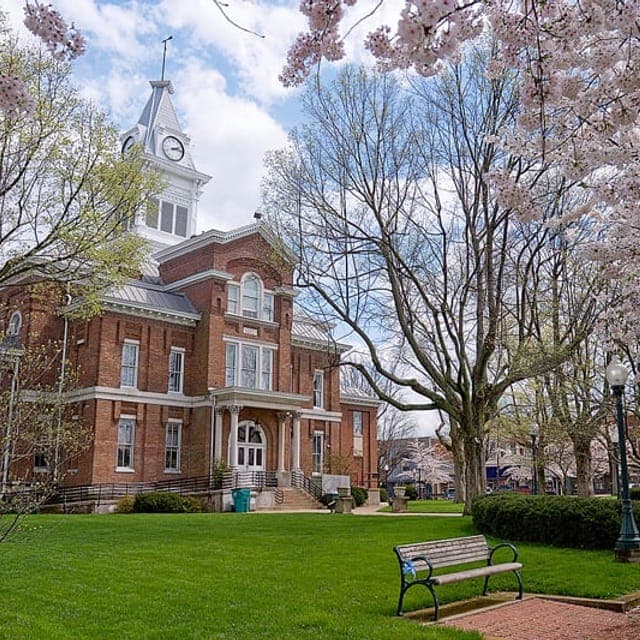
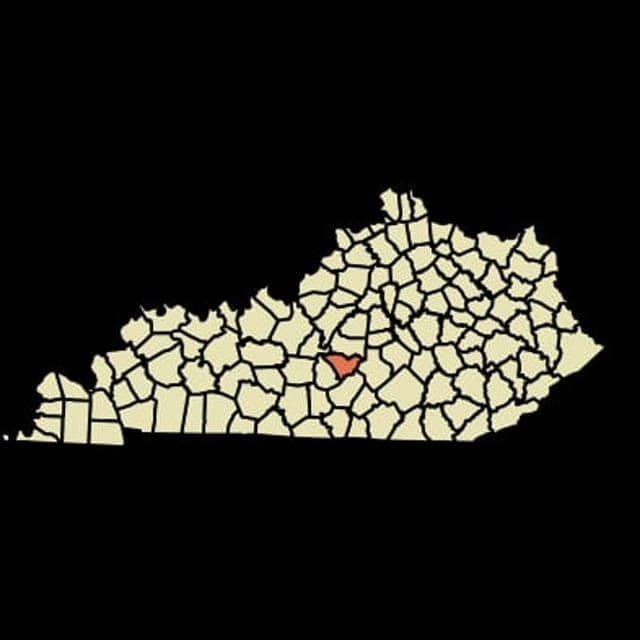
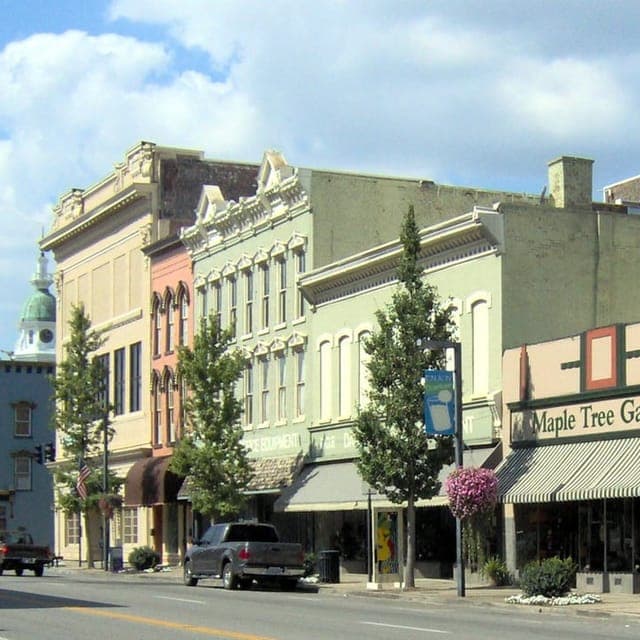
Most Conservative Cities in Kentucky


Most Liberal Cities in Kentucky




* Values derived from national, state, county, city and local statistics and may differ in a specific area. Last updated: 2026-04-18T22:38:41.000Z
Narrative content on this page is AI-generated and may contain mistakes. Verify any details that matter before acting on them.
ReloMaps may earn a commission from affiliate links at no extra cost to you.

