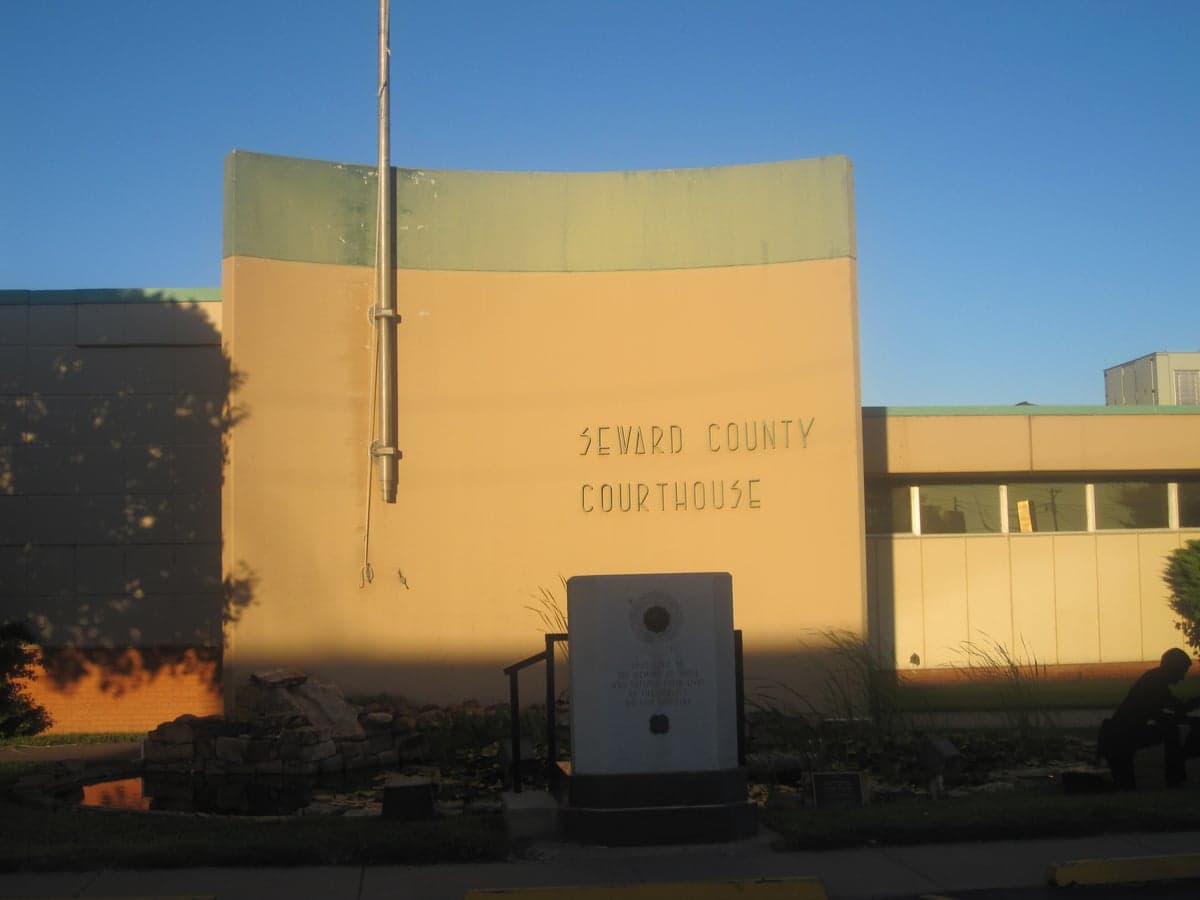
Photo: Wikipedia
Quality of Life in Seward County
A livable area that tracks near national norms for affordability, walkability, and neighborhood health.
What does Quality of Life tell us?
Quality of Life measures an area by evaluating factors like cost of living, nearby amenities, country club access, airport proximity, socioeconomic signals and neighborhood character. For large states, this is a general average — quality of life can vary dramatically between metro areas, suburbs, and rural communities within the same state.
What does this tell us?
Quality of Life measures an area by evaluating factors like cost of living, nearby amenities, country club access, airport proximity, socioeconomic signals and neighborhood character. For large states, this is a general average — quality of life can vary dramatically between metro areas, suburbs, and rural communities within the same state.
Cost of Living
33% below national average
163%
The Real Cost of Living in Seward County for 2026
| Tier | Individual | Family (4) |
|---|---|---|
| Survival | $15k | $28k |
| Comfortable | $26k | $38k |
| Luxury | $100k+ | $154k+ |
| Elite (Top 5%) | $117k+ | $182k+ |
Quality-of-Life Analysis
Seward County, Kansas, offers a quality-of-life spectrum that ranges from the regional hub of Liberal to unincorporated farming hamlets, attracting a mix of industrial workers, agricultural families, and cost-conscious retirees. The county’s character is defined by its position in the southwestern Kansas breadbasket, where the economy is anchored by a Tyson Foods beef processing plant and a growing wind energy sector. Residents drawn to Liberal seek job density and amenities, while those in the county’s smaller communities prioritize land, quiet, and a lower cost of living that already sits at a cost-of-living index of 67—33% below the national average.
Largest town(s) & population centers
Liberal is the county seat and sole incorporated city of significant size, home to roughly 19,000 residents. Daily life here revolves around the Tyson Foods plant, which employs over 2,000 workers and drives a steady influx of immigrant and migrant labor, giving Liberal a notably diverse population for rural Kansas. The town offers a full set of amenities: a regional hospital (Southwest Medical Center), a community college (Seward County Community College), a Walmart Supercenter, and a modest downtown with local restaurants and the historic Coronado Museum. Commute times average 16.5 minutes, reflecting the compact layout where most housing is within a 10-minute drive of the plant and schools. Housing is affordable—median home value $134,000, median rent $924—but the rental market is tight due to worker demand, with some apartments renting above the county median. Families with school-age children are drawn to Liberal’s USD 480 district, which offers bilingual programs and a strong agricultural-education track.
Smaller towns & rural pockets
Outside Liberal, Seward County contains a handful of unincorporated communities and crossroads settlements. Kismet, located about 12 miles west of Liberal along U.S. Highway 54, is a census-designated place with fewer than 500 residents, a grain elevator, and a small post office. Hayne, roughly 8 miles east of Liberal, is a former railroad stop now reduced to a few homes and agricultural operations. Arkalon, 10 miles north of Liberal, is another unincorporated hamlet with a church and scattered farmsteads. These areas offer no retail or services—residents commute to Liberal for groceries, healthcare, and schooling. The appeal is purely rural: larger lots (often 1–5 acres), lower property taxes than Liberal’s city rates, and complete quiet. Many residents are multi-generational farming families growing wheat, corn, and sorghum, or workers who prefer a buffer between home and the industrial activity of Liberal. The county’s average commute of 16.5 minutes holds true even for these outlying areas, as the flat, straight roads make travel quick.
Cost & lifestyle range
The cost-of-living spread across Seward County is narrow but meaningful. At the low end, a renter in a rural mobile home park near Kismet might pay $600–$700 per month for a two-bedroom unit, well below the county median rent of $924. At the higher end, a newer three-bedroom home in Liberal’s west-side subdivisions—near the golf course or the high school—sells for $180,000–$220,000, still far below national averages. The county’s overall cost-of-living index of 67 is driven by housing costs roughly 40% below the U.S. median, with utilities and groceries also below average due to the agricultural supply chain. Lifestyle differences are stark: Liberal offers nightlife (a few bars, a bowling alley), organized youth sports, and a public library, while rural pockets offer zero commercial amenities but abundant space for gardening, livestock, or hunting. The trade-off is access: residents in Arkalon or Hayne must drive 15–20 minutes for a gallon of milk or a doctor’s appointment, whereas Liberal residents have everything within a 5-minute drive.
Who thrives in Seward County? The county suits people who value affordability and short commutes over urban variety. Industrial workers at Tyson or the nearby wind farms find stable employment and reasonable housing costs. Agricultural families appreciate the low taxes and land availability. Retirees on fixed incomes can stretch savings further here than in most of the U.S. However, those seeking cultural diversity beyond the Hispanic-influenced community of Liberal, or expecting robust public transit and walkable neighborhoods, will find the county limiting. For residents who accept the trade-offs, Seward County delivers a practical, low-stress daily life in the heart of the Great Plains.

Crime in Seward County
Crime rates similar to the national median for U.S. locations.
Violent CrimeViolent Crime Analysis
Property CrimeProperty Crime Analysis
Crime Analysis
Seward County, anchored by the city of Liberal, presents a mixed safety profile that requires careful examination. The county's violent crime rate of 447.8 per 100,000 residents exceeds both the Kansas state average (approximately 390) and the national average (roughly 380). Property crime stands at 1,806.8 per 100,000, which is below Kansas's statewide rate of about 2,200 but slightly above the national property crime benchmark of 1,950. Residents in Liberal, Kismet, and Plains encounter crime patterns that differ significantly from those in larger Kansas metros such as Wichita or Kansas City, where progressive prosecutorial policies have drawn criticism for contributing to repeat offending.
Crime in context
When compared to broader Kansas trends, Seward County's elevated violent crime rate is notable. The county falls within the 26th Judicial District, which encompasses Seward and Meade counties and has historically maintained a conservative approach to sentencing and prosecution—a contrast to the more lenient, offender-focused policies seen in jurisdictions like Johnson County or Wyandotte County. Property crime in Seward County, while lower than the state figure, remains a concern; common offenses include burglary, theft from vehicles, and agricultural equipment theft, particularly in rural areas around Kismet and Plains. The national violent crime rate has hovered near 380 per 100,000 in recent years, making Seward County roughly 18% higher in that category, while property crime here is about 7% below the national average.
What residents experience
Daily safety perceptions in Seward County are heavily shaped by location and context. In Liberal, the county's largest city and economic hub, residents frequently report thefts from unlocked vehicles and occasional vandalism in older downtown neighborhoods. Violent incidents, though less common in terms of sheer numbers, are often interpersonal—domestic disputes or arguments between acquaintances—rather than random stranger attacks. The Seward County Sheriff's Office and the Liberal Police Department maintain proactive patrols, and the conservative judicial philosophy of the 26th District means convicted offenders are more likely to face custody time rather than diversion programs, a factor that reassures many residents concerned about recidivism. Smaller towns like Plains and Kismet experience substantially lower property crime rates, though their remote locations can delay emergency response times.
Neighborhood-level variation within Seward County is pronounced. In Liberal, the newer subdivisions east of U.S. Route 83 and around the Seward County Community College area report far fewer incidents than the older core near the railroad tracks and downtown commercial strips. Rural unincorporated areas such as Hayne and the countryside surrounding the Cimarron National Grassland see crime rates approaching zero, with thefts largely limited to outbuildings or unattended equipment. For residents moving from larger Kansas cities like Wichita—where progressive district attorneys have been criticized for soft-on-crime policies—Seward County's straightforward, conservative justice system offers a tangible sense of security, even though raw statistical rates may not fully reflect that sentiment. Prospective residents should still secure vehicles and property, especially in Liberal’s central precincts, but the overall safety picture is manageable with standard precautions.
* Values derived from national, state, county, city and local statistics and may differ in a specific area. Last updated: 2026-05-21T05:52:08.000Z
Narrative content on this page is AI-generated and may contain mistakes. Verify any details that matter before acting on them.
ReloMaps may earn a commission from affiliate links at no extra cost to you.

