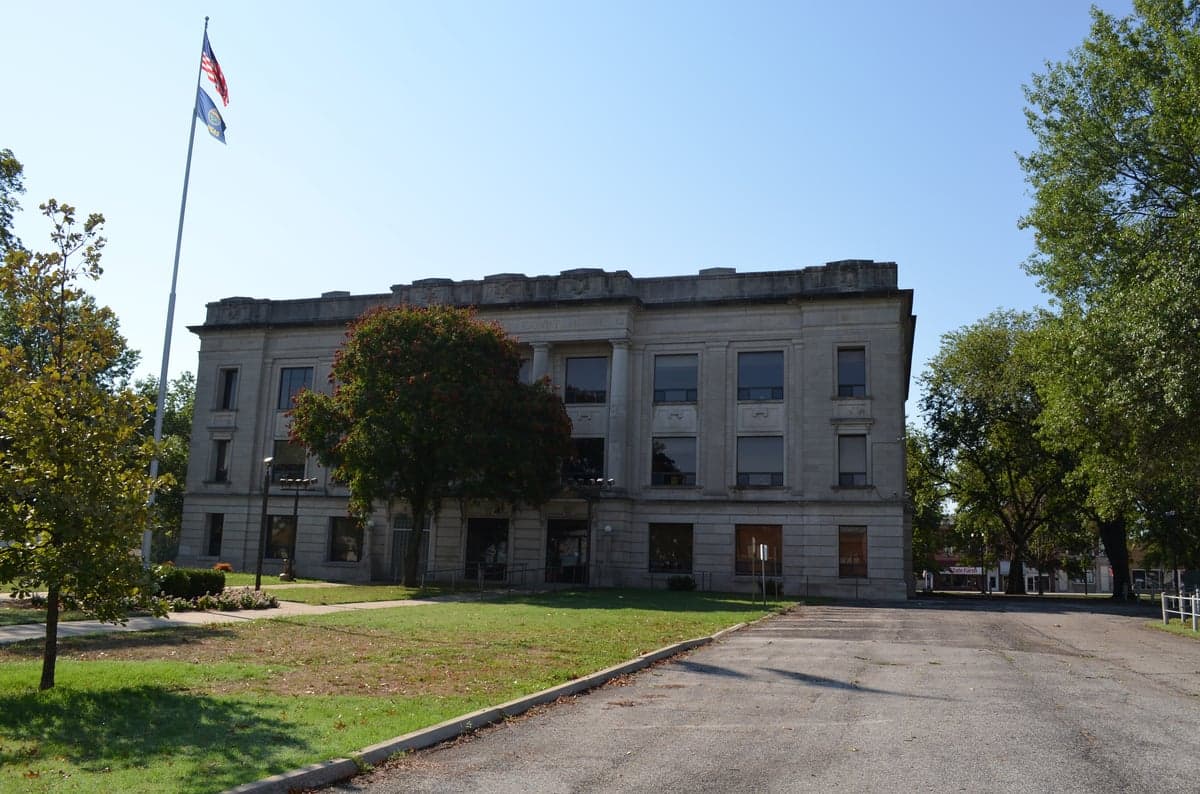
Photo: Wikipedia
Find The Best Places To Live in Crawford County
PRO TIP! You can paste a Zillow or Redfin link to get info on that property.
Best Places to Live in Crawford County
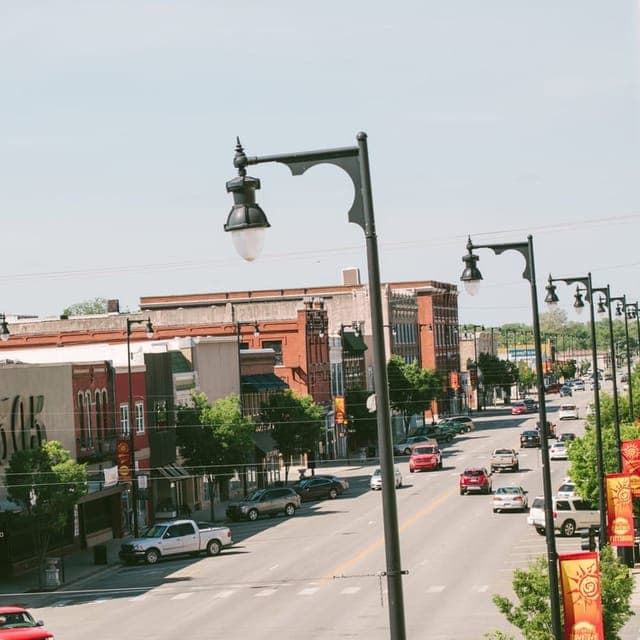
Cities & Towns in Crawford County
Cities in Crawford County
What It's Like Living in Crawford County, KS
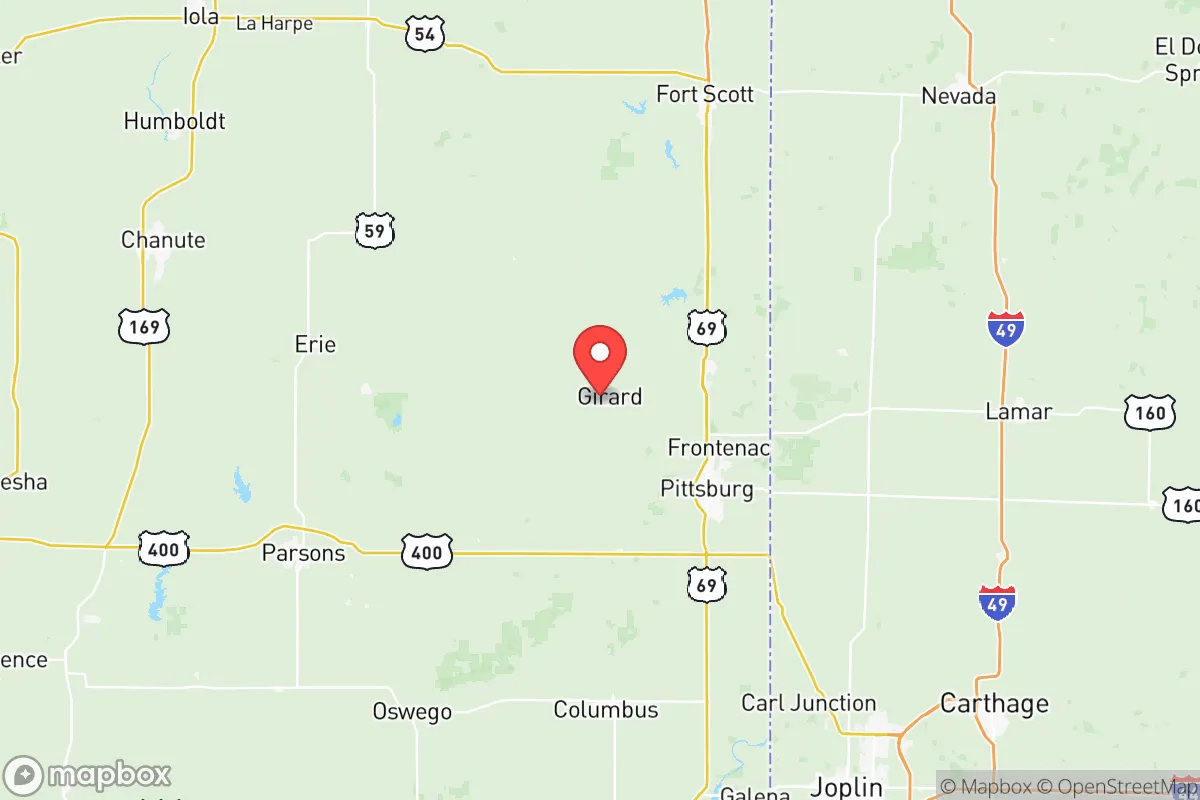
Crawford County sits in the far southeast corner of Kansas, a place where the prairie meets the Ozark foothills and the pace of life slows to something you can actually feel. It’s not a flashy place—Pittsburg is the biggest city, with Frontenac, Arma, Girard, and Cherokee making up the smaller towns—but it has a steady, unpretentious character that draws people who want space to breathe and a community that actually knows your name. If you’re looking for a low-cost, low-hype corner of the Midwest where Friday night lights still matter and you can buy a home for well under $150,000, this county deserves a serious look.
Daily Rhythm in a Place That Moves at Its Own Speed
Life in Crawford County revolves around work, family, and a handful of well-loved local institutions. The median income here is about $50,311, which goes a long way thanks to a cost-of-living index of 61—that’s nearly 40 percent below the national average. Most people commute less than 17 minutes each way, so you’re not burning gas or time just to get to the grocery store. In Pittsburg, you’ll find the big-box shopping and chain restaurants along Broadway, but the real character lives in places like Pittsburg State University, which anchors the local economy and culture, and in the small downtowns of Frontenac and Girard, where you can grab coffee at a local shop or catch a high school game on a Friday night. The median age is just 33.8, so there’s a surprising number of young families and students mixed in with the longtime residents—it’s not all retirees and empty-nesters.
Weather here is genuinely four-season: hot, humid summers that make you grateful for air conditioning, crisp autumns perfect for tailgating, and winters that can drop below freezing but rarely dump the kind of snow that shuts things down for days. Spring brings thunderstorms and occasional tornado warnings—locals keep an eye on the sky from March through June, but it’s just part of the rhythm.
Sports, Community, and the Things That Bring People Together
If you move here, you’ll quickly learn that Pittsburg State Gorillas football is a big deal. The university’s program draws serious crowds to Carnie Smith Stadium, and on fall Saturdays the whole county seems to wear red and white. High school sports are just as central—Pittsburg High School’s Purple Dragons and Frontenac’s Raiders pack gyms and bleachers, and the rivalry games between Pittsburg and Frontenac are the kind of events that get talked about for weeks. For a county of roughly 38,963 people, the sports culture punches well above its weight.
Beyond athletics, the county has a few signature events that define the social calendar. The Crawford County Fair in Girard is a classic small-town affair with livestock shows, carnival rides, and enough funnel cake to test anyone’s willpower. Pittsburg’s Little Balkans Festival over Labor Day weekend celebrates the area’s immigrant heritage with food, music, and a parade that feels like the whole county shows up. For outdoor types, the Strip Pits—a series of old mining lakes south of Pittsburg—offer swimming, fishing, and hiking trails that are popular with families and college students alike.
Pros and Cons of Living in Crawford County
Let’s be honest about the trade-offs. The biggest draw is affordability: the median home value sits at $122,400, and with 32 percent of adults holding a college degree, you’ll find a decent mix of educated neighbors without the premium price tag. The short commute and low stress are real perks—you can actually own a home and have time to enjoy it here. But the violent crime rate of 447.8 per 100,000 is higher than the national average, and most of that is concentrated in Pittsburg’s denser areas. Property crime can be an issue too, so smart newcomers pick a neighborhood carefully and don’t leave valuables in plain sight.
Job opportunities are limited outside of education, healthcare, and manufacturing—Pittsburg State and Via Christi Hospital are the big employers, and there’s some light industry in Arma and Cherokee. If you work remotely or in a trade, you’ll do fine; if you’re looking for a tech hub or a fast-growing job market, this isn’t it. Dining options are solid for a small county—Pete’s on Broadway in Pittsburg is a local institution for steaks and drinks, and Chicken Annie’s in Frontenac has been serving fried chicken since the 1930s—but you won’t find many trendy farm-to-table spots or late-night scenes. The kind of person who fits in here values stability, community, and elbow room over nightlife and career hustle. It’s a place for raising kids, buying a first home, or slowing down after years in a bigger city—not for chasing the next big thing.

* Values derived from national, state, county, city and local statistics and may differ in a specific area. Last updated: 2026-06-12T06:56:14.000Z
Narrative content on this page is AI-generated and may contain mistakes. Verify any details that matter before acting on them.
ReloMaps may earn a commission from affiliate links at no extra cost to you.

