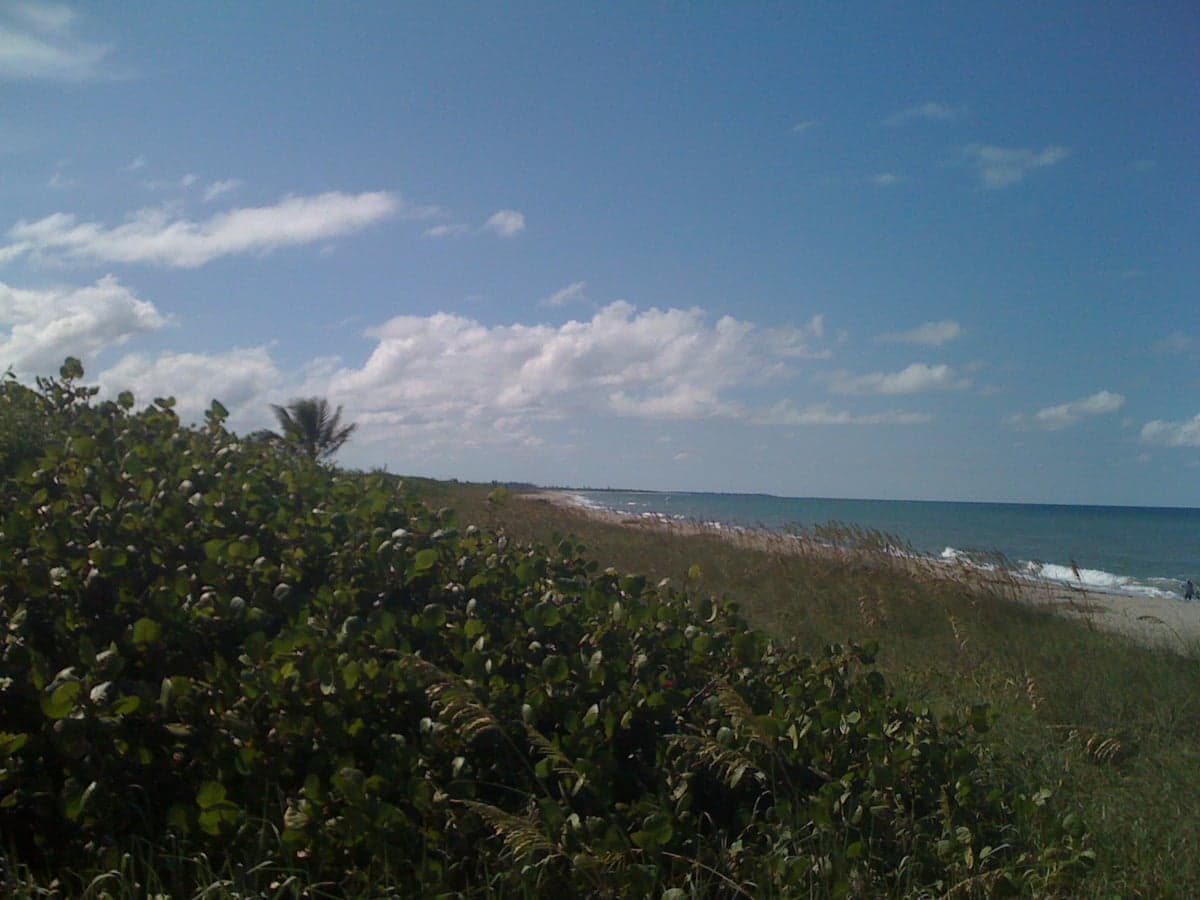
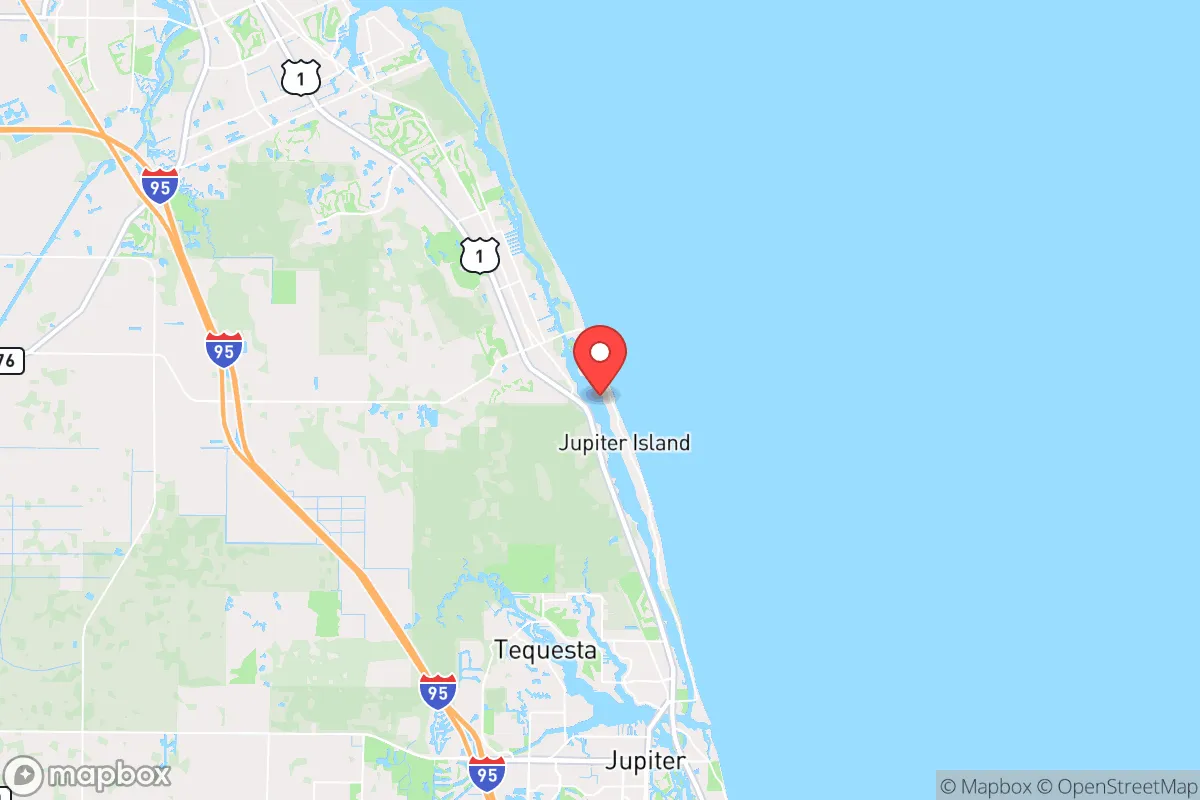
Photo: Wikipedia
Personal Sovereignty in Jupiter Island, FL
Viable for self-reliance. Generally workable, though some barriers may limit total independence.
What does Personal Sovereignty tell us?
Personal Sovereignty measures your capacity for self-reliance and independence with minimal government friction. Higher scores mean fewer barriers between you and the way you want to live... but it assumes you have the space you need and good neighbors.
What does this tell us?
Personal Sovereignty measures your capacity for self-reliance and independence with minimal government friction. Higher scores mean fewer barriers between you and the way you want to live... but it assumes you have the space you need and good neighbors.
State Policy
Energy independence: Importer (10% of energy produced in-state)
Personal Liberty
Homesteading

Personal Liberty Analysis
Jupiter Island, Florida, offers an unusually high degree of personal sovereignty for those who can afford its exclusivity, but the autonomy here is heavily mediated by wealth, local governance, and the broader state legal framework. For a survivalist or prepper with a conservative mindset, the island presents a paradox: extreme privacy and low crime are counterbalanced by restrictive HOA-style regulations and a reliance on external infrastructure. The real sovereignty play is not in off-grid living but in leveraging Florida’s strong state-level protections for gun rights, property rights, and medical freedom, while using the island’s isolation as a buffer against the chaos of the mainland. However, anyone expecting to live entirely free from government overreach will find that Jupiter Island’s high property values come with a correspondingly high tolerance for local rule-making.
Tax burden and regulatory posture: How Florida’s low-tax environment interacts with local restrictions
Florida’s lack of a state income tax is the single biggest sovereignty win for Jupiter Island residents, allowing individuals to keep more of their earnings and invest in self-reliance. The state’s constitutional cap on property tax increases (the Save Our Homes amendment) provides long-term stability for homeowners, though new buyers face market-rate assessments that can be steep on a barrier island where median home values exceed $5 million. Sales tax is a flat 6% (with local options adding up to 1%), and there is no estate or inheritance tax, which matters for those passing assets to the next generation. On the regulatory side, Martin County’s land development code is strict, particularly regarding coastal construction and environmental buffers. Jupiter Island itself operates under a town government that enforces stringent building codes, noise ordinances, and landscaping rules—this is not a place to park an RV in the driveway or run a generator 24/7. The trade-off is that these rules keep the island exclusive and quiet, but for a prepper, the local HOA-style oversight can feel like a velvet-gloved version of government overreach. The key is that state-level preemption laws limit local governments from banning short-term rentals or imposing rent control, preserving some property rights, but the island’s zoning is so restrictive that most commercial activity is banned outright.
Self-defense and gun law specifics: What Florida’s permitless carry means for island residents
Florida’s permitless carry law, effective July 2023, allows any legal gun owner to carry a concealed firearm without a permit, which is a significant sovereignty gain for Jupiter Island residents who value the ability to defend themselves without government permission. The state also has strong Stand Your Ground laws, meaning there is no duty to retreat before using deadly force in any place where you have a legal right to be. Jupiter Island’s low crime rate (violent crime is virtually nonexistent, with property crime rates far below national averages) means that self-defense scenarios are rare, but the legal framework is solid for those who want to be prepared. The island is in Martin County, which has a pro-Second Amendment sheriff’s office and no local ordinances that restrict firearm possession beyond state law. However, note that Florida law prohibits carrying firearms in certain locations like schools, government buildings, and airports—and Jupiter Island’s private beach accesses and parks are generally open to carry. For preppers, the biggest limitation is that Florida’s 3-day waiting period for handgun purchases (enacted in 2023) applies statewide, and background checks are required for all gun sales, including private transfers. Magazine capacity is unrestricted, and there is no state-level assault weapons ban. The practical sovereignty takeaway: you can arm yourself heavily, but you must navigate the state’s bureaucratic purchase process first.
Self-reliance and homesteading viability: Lot sizes, zoning, and off-grid feasibility on a barrier island
Jupiter Island is fundamentally hostile to traditional homesteading or off-grid living, which is a major sovereignty limitation for preppers seeking true self-reliance. Minimum lot sizes are large (typically 1-2 acres), but the zoning is exclusively single-family residential with strict prohibitions on agricultural activity, livestock, and commercial farming. The island has no grocery stores, hardware stores, or fuel stations—everything must be brought in via the single bridge connecting to Hobe Sound. Off-grid power generation (solar panels, wind turbines) is technically allowed but subject to town approval and aesthetic restrictions; most homes are connected to Florida Power & Light’s grid, and backup generators are common but must be screened from view. Water comes from the county utility, and septic systems are standard, but new construction must meet strict environmental standards to protect the island’s coastal dune ecosystem. For a survivalist, the island’s isolation is a double-edged sword: it provides privacy and a natural barrier against civil unrest, but it also creates a single-point-of-failure dependency on that bridge and the mainland supply chain. The real self-reliance play here is financial—having the resources to stockpile supplies, maintain a boat for evacuation, and pay for private security—rather than living off the land. If you want to raise chickens, grow a vegetable garden, or drill a well, this is the wrong location.
Personal liberties: Parental rights, medical autonomy, speech, and property protections
Florida under recent leadership has become a stronghold for certain personal liberties that matter to conservative and survivalist audiences. Parental rights in education are explicitly protected by state law (the Parental Bill of Rights), giving parents control over their children’s medical decisions, curriculum access, and records. Medical autonomy is mixed: Florida banned COVID-19 vaccine mandates for most employers and schools, and it protects the right to refuse any medical treatment, but it also has strict prescription drug monitoring and no allowance for psilocybin or other alternative therapies. Speech is broadly protected under the First Amendment, and Florida’s anti-SLAPP laws provide some defense against frivolous lawsuits meant to silence criticism. Property rights are the strongest sovereignty feature: Florida has no state-level property tax on tangible personal property (like vehicles or equipment), and the state’s homestead exemption protects a primary residence from creditors (up to unlimited value for most homeowners). Jupiter Island’s town government does impose some restrictions on property use (e.g., no commercial vehicles parked overnight, no political signs exceeding certain sizes), but these are minor compared to the overall freedom to use your land as you see fit. The biggest threat to personal liberty here is the potential for future local overreach—the town council could tighten noise, light, or building restrictions at any time, and the island’s wealthy residents often support such measures to maintain exclusivity.
Overall, Jupiter Island offers a unique sovereignty profile: maximum privacy and state-level protections for guns, property, and parental rights, but minimal tolerance for the kind of rugged self-reliance that preppers typically seek. Compared to rural areas in the Florida Panhandle or inland counties like Okeechobee, the island is far more restrictive in terms of land use and off-grid feasibility. However, compared to coastal enclaves like Palm Beach or Miami Beach, it is far more conservative and less regulated. For a single individual or family with deep pockets who values legal autonomy over physical self-sufficiency, Jupiter Island is a strong choice. For anyone who wants to live truly free from government oversight—growing food, storing fuel, and running a homestead without permits—the island’s velvet cage will chafe. The strategic move is to use Jupiter Island as a secure base while maintaining a secondary property inland for actual prepping activities.

* Values derived from national, state, county, city and local statistics and may differ in a specific area. Last updated: 2026-05-14T01:52:20.000Z
Narrative content on this page is AI-generated and may contain mistakes. Verify any details that matter before acting on them.
ReloMaps may earn a commission from affiliate links at no extra cost to you.

