Photo: Wikipedia
Demographics of Jupiter Island, FL
Affluence Level in Jupiter Island, FL
An elite concentration of wealth — high incomes, strong home values, advanced degrees, and minimal poverty signal a top-tier socioeconomic profile.
People of Jupiter Island, FL
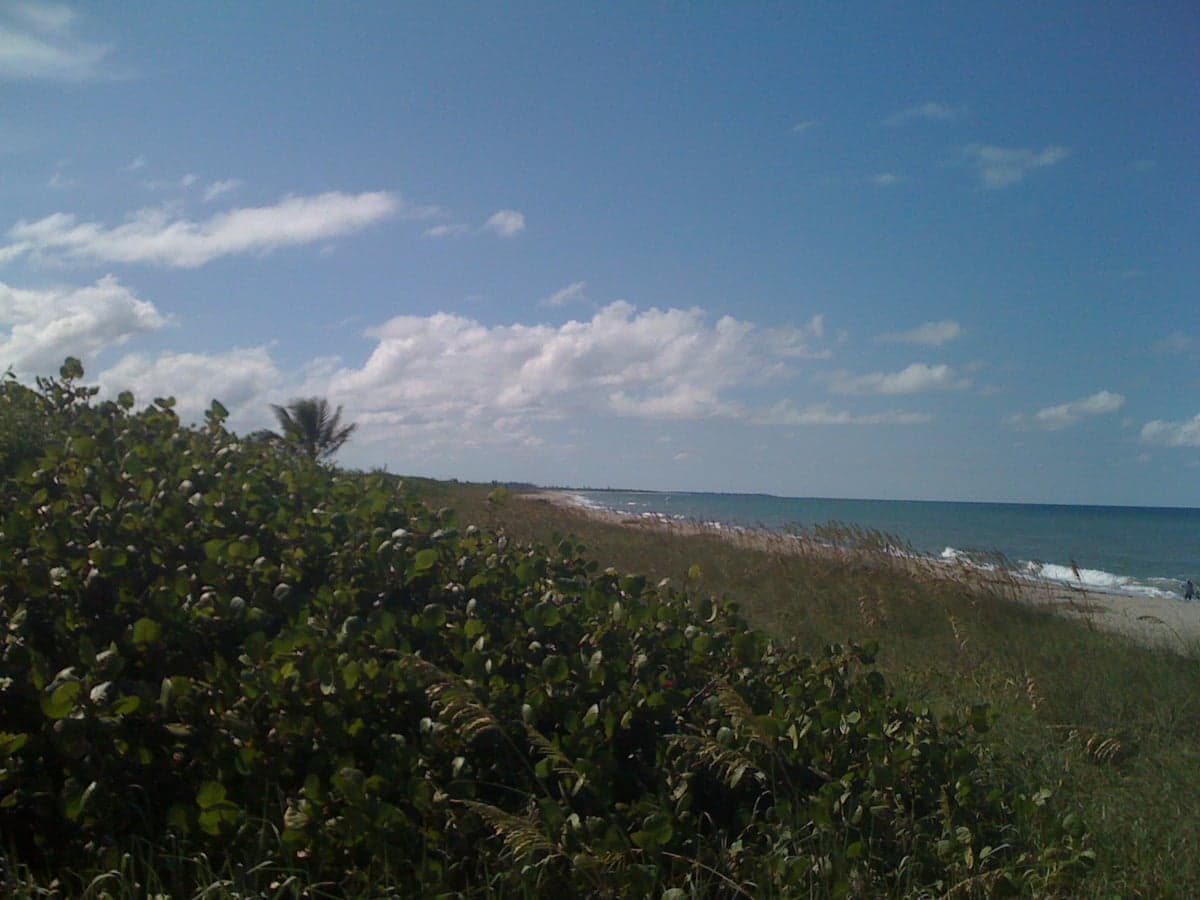
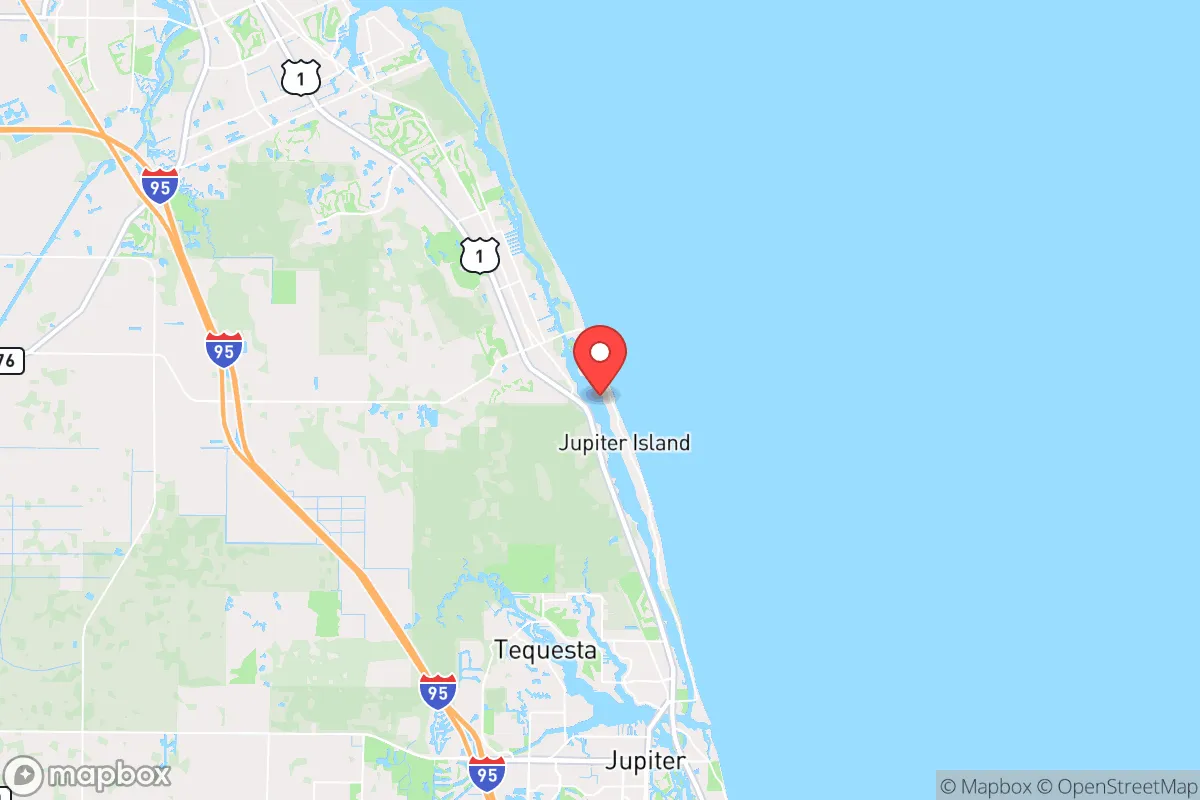
Jupiter Island, Florida, is an ultra-exclusive barrier-island town of 871 residents, defined by extraordinary wealth, privacy, and a predominantly white, highly educated population. With 66% of adults holding a college degree and a foreign-born share of just 6.2%, the community is among the most demographically homogeneous and affluent in the state. The island’s character is shaped by a legacy of old-money families, corporate executives, and professional athletes who have sought seclusion along its pristine Atlantic coastline.
How the city was settled and grew
Jupiter Island’s human history begins not with colonial settlement but with the Gilded Age vision of wealthy Northern industrialists. In the 1890s, the island was largely undeveloped mangrove and beach until Joseph V. Reed, a Standard Oil executive, purchased large tracts and built a winter estate. The real population wave arrived in the 1920s and 1930s, when the island was platted as an exclusive enclave. The Jupiter Island Club neighborhood, centered around the private golf and beach club founded in 1928, became the anchor for families like the Phipps (Mellon banking fortune) and the Harrimans (railroad wealth). These early residents were overwhelmingly white, Protestant, and from the Northeast, drawn by the promise of a private, climate-controlled retreat. The Blowing Rocks Preserve area, now a nature sanctuary, was originally part of large estate holdings. Through the mid-20th century, the island remained a seasonal haven for a tight-knit circle of industrialists and financiers, with no significant immigrant or working-class population.
Modern era (post-1965)
After the 1965 Immigration and Nationality Act, Jupiter Island saw little demographic change compared to mainland Florida. The island’s extreme property values—among the highest per capita in the U.S.—effectively limited new residents to the ultra-wealthy. The North Jupiter Island neighborhood, developed in the 1970s and 1980s, attracted a wave of corporate CEOs and professional athletes, including golfers and tennis stars seeking privacy. The Jupiter Island Beach Club area remained the social core for old-money families. The island’s Black population (6.0%) and Hispanic population (5.7%) are almost entirely composed of domestic staff, groundskeepers, and service workers who commute from mainland communities like Tequesta and Hobe Sound; they do not reside in any distinct neighborhood on the island itself. The East/Southeast Asian share (2.1%) and Indian-subcontinent share (2.2%) reflect a small number of wealthy professionals and business owners who have purchased homes in the South Jupiter Island enclave near the Hobe Sound National Wildlife Refuge. No immigrant enclave exists on the island; the foreign-born population is dispersed and integrated into the elite social fabric.
The future
Jupiter Island’s population is projected to remain stable or decline slightly, constrained by a finite number of lots and a town government that actively limits new development. The island’s zoning code prohibits multi-family housing, commercial development, and short-term rentals, ensuring that only the wealthiest buyers can enter. The population is aging—the median age is over 55—and younger families are increasingly rare due to the cost of entry (median home values exceed $5 million). The Hispanic and Black shares are unlikely to grow significantly, as service workers cannot afford to live on the island and must commute from mainland communities. The East/Southeast Asian and Indian-subcontinent shares may see modest growth as global wealth relocates to Florida, but these groups will remain a small, assimilated presence within the existing elite structure. The island is not tribalizing into ethnic enclaves; it is homogenizing around a single economic class.
For a conservative-leaning individual or family considering relocation, Jupiter Island offers a stable, secure, and deeply private environment with minimal demographic change. The trade-off is extreme exclusivity: the population is overwhelmingly white, wealthy, and older, with little diversity of income, background, or lifestyle. New residents should expect a community that values discretion over engagement, and where the primary shared identity is financial success rather than ethnic or cultural heritage.

* Values derived from national, state, county, city and local statistics and may differ in a specific area. Last updated: 2026-05-14T01:52:20.000Z
Narrative content on this page is AI-generated and may contain mistakes. Verify any details that matter before acting on them.
ReloMaps may earn a commission from affiliate links at no extra cost to you.

