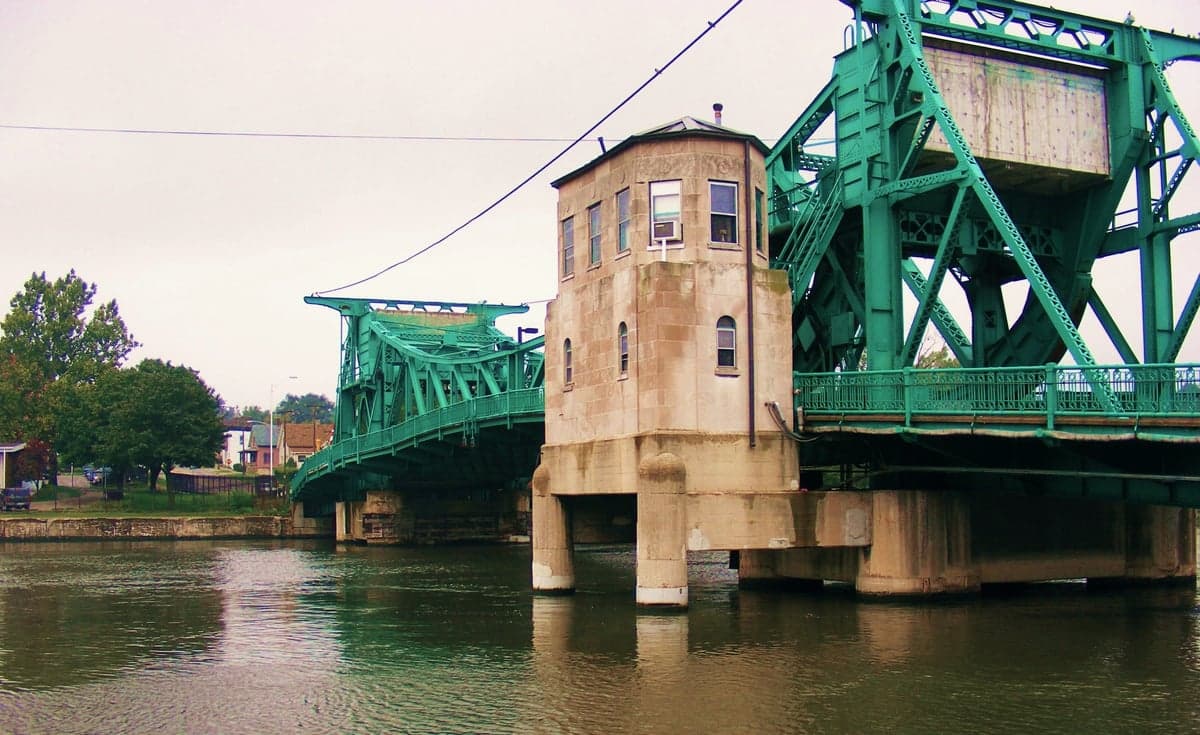
Photo: Wikipedia
Strategic Assessment of Joliet, IL
Multiple tactical vulnerabilities. Population density, target proximity, or disaster risk are likely compounding. A retreat property and exit planning is required.
What does the Strategic Assessment tell us?
Our Strategic Assessment grades tactical survivability of an area. Major population centers, military targets, fallout zones, natural disasters, and border exposure all drive risk — lower exposure means a more defensible position in a crisis.
This is heavily inspired by Joel Skousen's Strategic Relocation book. Highly recommended you checkout the book ($)What does this tell us?
Our Strategic Assessment grades tactical survivability of an area. Major population centers, military targets, fallout zones, natural disasters, and border exposure all drive risk — lower exposure means a more defensible position in a crisis.
This is heavily inspired by Joel Skousen's Strategic Relocation book. Highly recommended you checkout the book ($)Strategic Pillars

Key Distances
Regional Safe Places
Below is our recommended "safe zones" in Illinois and the surrounding area based on our strategic heuristics. For most people, it's unrealistic to live in a “safe zone” full-time due to work, family or other personal reasons. They tend to be more rural. However, many of these areas are perfect for second homes and retreat properties that double as a vacation home or even a short-term rental.
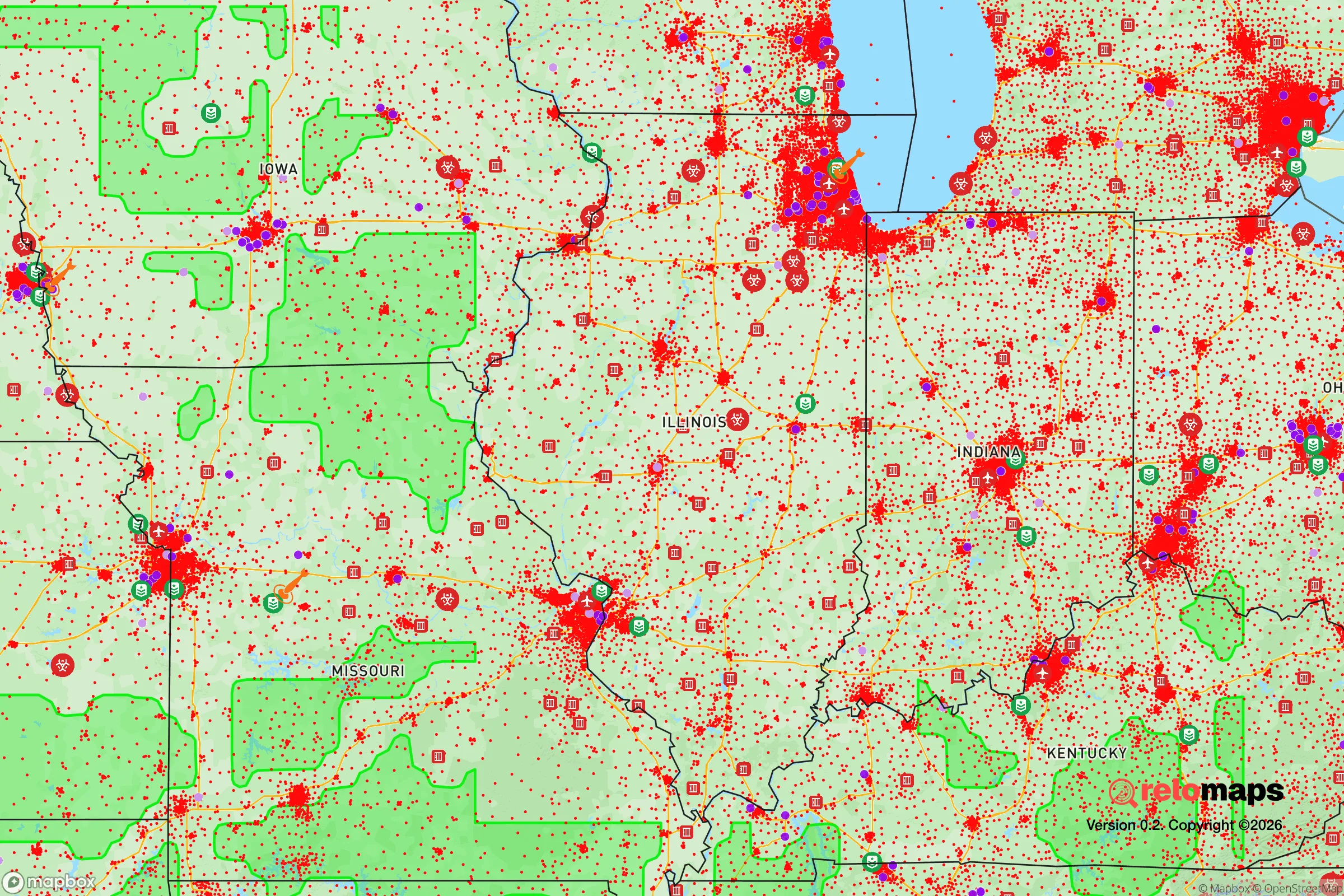
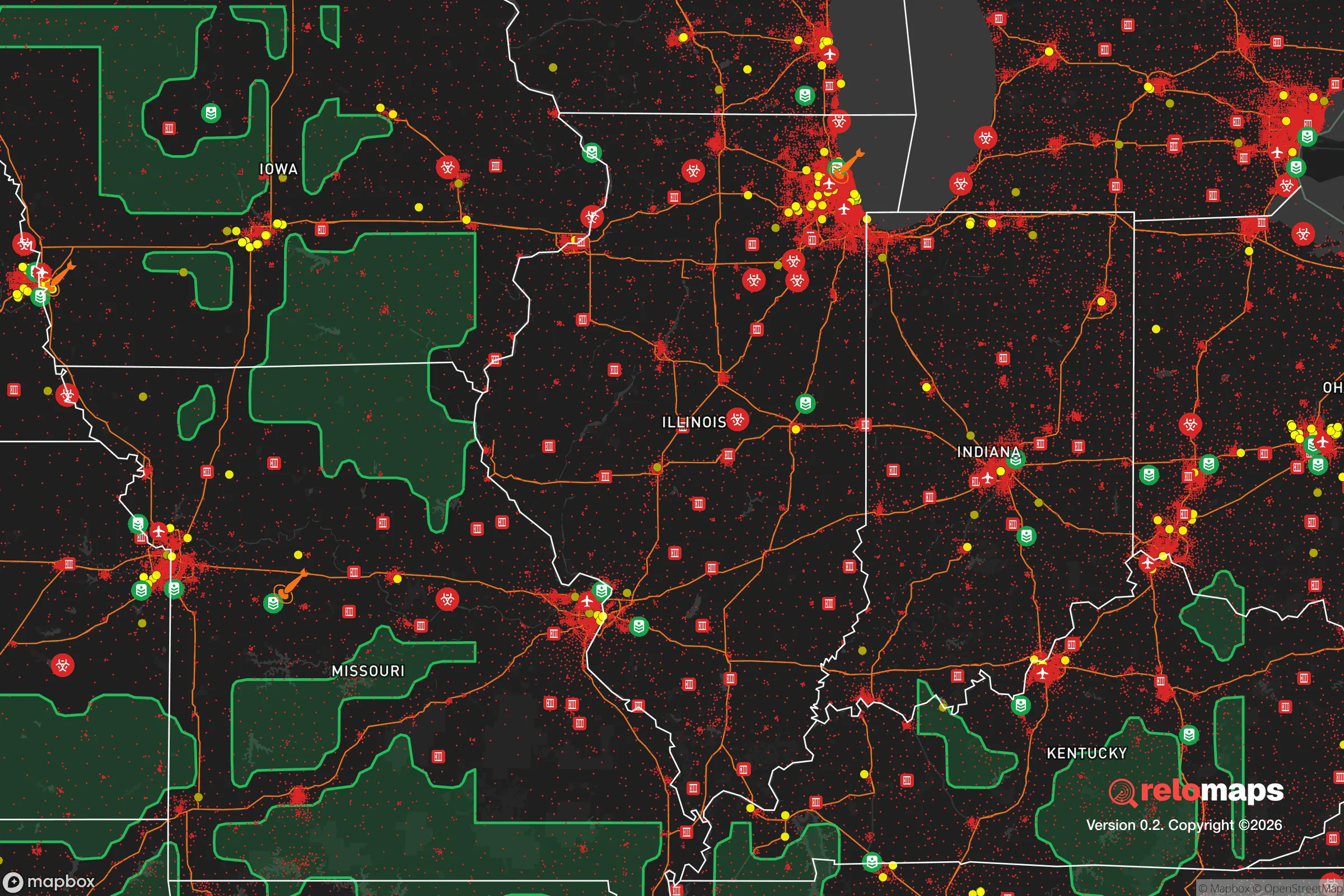


Important Note: For informational purposes only. This does not mean nothing bad ever happens in the green zones. Please use common sense. This is based on public data and modeled with AI. We tried to take a conservative approach but mistakes happen. We update this regularly as new information becomes available.
Solar Generator Recommendations
Backup power matters more here than in safer locations. We've picked three solar generators across budgets and capacity tiers — start with the budget unit if you only need a few essentials, or step up if you want to run a fridge and HVAC for days at a time.

Jackery Portable Power Station Explorer 300
Budget OptionPower on the Go: Weighing only 11 lbs, it's convenient to set up and store with book-sized foldable solar panels

BLUETTI Portable Power Station AC180
Designed for both indoor and outdoor scenarios, AC180 is highly capable as it has a robost capacity and continuous output power.

EF ECOFLOW DELTA Pro Ultra Power Station
Upgraded PickEcoFlow DELTA Pro Ultra is a whole-home energy system designed to grow with your family. Integrated with the Smart Home Panel 2, it scales to meet your evolving energy needs — keeping your home powered, intelligent, and secure through every stage of life.
We earn a commission, at no additional cost to you.
Strategic Assessment Analysis
Joliet, Illinois, sits in a precarious but potentially strategic position for those serious about long-term preparedness. Its location along the Des Plaines River and major rail and highway corridors gives it economic resilience, but that same connectivity makes it a target during widespread unrest or disaster. For a conservative relocator looking at the Midwest, Joliet offers a mix of industrial self-sufficiency and proximity to resources, but it also carries significant risks tied to its proximity to Chicago and critical infrastructure that could become fallout zones.
Geographic position and natural advantages for long-term survival
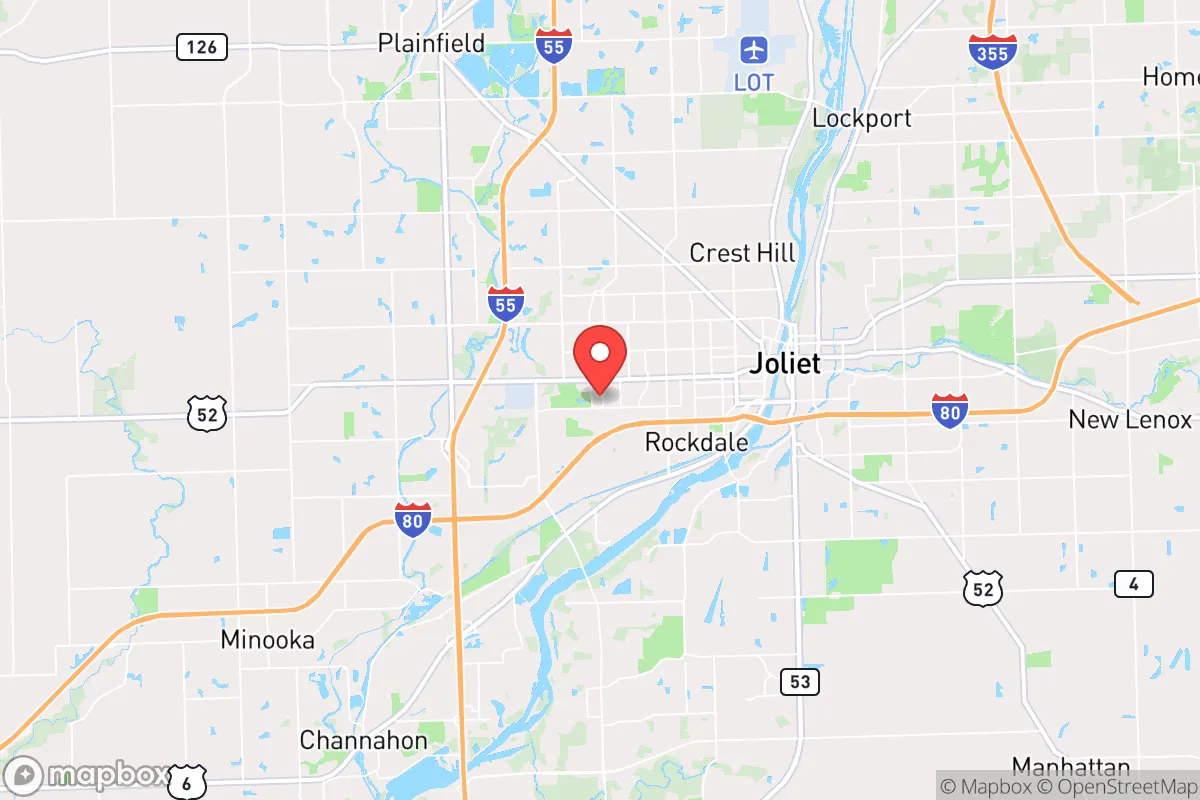
Joliet’s location roughly 40 miles southwest of Chicago places it at the edge of the Chicago metropolitan area, not in it. This buffer is critical. The city sits on the Des Plaines River, which feeds into the Illinois River and ultimately the Mississippi, providing a potential waterway for transport, fishing, and escape if roads become impassable. The surrounding Will County is largely flat agricultural land, meaning food production capacity is nearby—grain elevators, livestock operations, and farmland are within a 20-minute drive. The area also sits atop the Cambrian-Ordovician aquifer system, which supplies groundwater to many private wells in the outer townships. For a prepper, this means surface water from the river and groundwater access are both viable, though the river itself is heavily industrialized and would require serious filtration. The terrain offers no mountains or natural barriers, but the network of county roads, rail lines, and the I-80/I-55 interchange gives multiple egress routes if one corridor gets locked down. The climate is four-season, with cold winters that can be a survival challenge but also slow the spread of disease and pests compared to warmer regions.
Risks, exposures, and proximity to fallout-relevant landmarks
The biggest strategic weakness is Joliet’s proximity to Chicago and its associated critical infrastructure. Joliet is less than 10 miles from the Dresden Generating Station, a nuclear power plant on the Illinois River, and about 25 miles from the Braidwood Generating Station. In a major grid-down event or terrorist attack, these are prime targets. A meltdown or conventional strike could render large swaths of Will County uninhabitable for decades. Additionally, Joliet is a major rail hub—the Union Pacific and BNSF lines run through the city, and the Joliet Arsenal (now the Midewin National Tallgrass Prairie) was once a massive munitions depot. While the arsenal is largely remediated, the soil and groundwater contamination history is a reminder that this area was a military industrial complex. During civil unrest, the rail yards and I-80 corridor would be chokepoints for looting, roadblocks, and potential military checkpoints. The city itself has a population of about 150,000, which is large enough to experience food and fuel shortages within days of a supply chain disruption. Gang activity and property crime are above national averages, meaning that in a collapse scenario, local security would be a serious concern—not just from outsiders, but from within the city limits. The county jail and the stateville correctional center are nearby, which could become sources of escaped inmates during a breakdown of order.
Practical resilience for a relocator: food, water, energy, and defensibility
For a relocator willing to live on the outskirts—say, in unincorporated Will County or near the towns of Shorewood, Channahon, or Minooka—the practical resilience picture improves. Private wells are common in these areas, and many homes already have septic systems, reducing dependency on municipal infrastructure. The agricultural land means you can buy acreage for gardening, livestock, and rainwater catchment. The local climate supports a 150-day growing season, enough for corn, beans, squash, and cold-hardy greens. For energy, natural gas is widely available, but solar is viable—Will County gets about 190 sunny days per year, which is average for the Midwest. A grid-down scenario would require backup generation or battery storage, but the flat terrain means wind turbines are also an option on larger parcels. Defensibility is the weak point. The terrain offers no high ground or natural chokepoints. A rural property with a long driveway, fencing, and a good line of sight is your best bet. The local gun culture is present but not as pronounced as in rural Missouri or Indiana—Illinois has strict firearm laws, including a FOID card requirement and a ban on certain rifles. Stockpiling ammunition and magazines before any future bans is a practical move. For food storage, the area has multiple Mennonite and Amish communities within a 30-minute drive (around Dwight and Odell), which can be a source of bulk grains, seeds, and hand tools that don't rely on the grid. The Joliet Farmers Market and local CSAs are good for normal times, but for prepping, building relationships with local farmers directly is key.
Overall strategic picture for the conservative prepper
Joliet is a mixed bag. It offers genuine advantages in water access, agricultural proximity, and transportation routes that can be used for both supply and escape. But the risks from nuclear plants, rail infrastructure, and urban crime are real. For a single individual or family willing to live on the rural fringe and invest in water filtration, solar backup, and a solid security plan, it can work as a base of operations. The conservative community is present but not dominant—Will County voted for Biden in 2020 by a slim margin, and the county board is split. You’ll find like-minded people at gun shops, farm supply stores, and churches, but you won’t be surrounded by them. The bottom line: Joliet is a strategic location for those who want to be near resources but not inside a major city, provided you accept the nuclear risk and invest in hardening your property. If you’re looking for a place that balances economic opportunity with a realistic survival posture, it’s worth a serious look—just don’t buy within 15 miles of Dresden or Braidwood, and keep your bug-out bag pointed southwest toward the Mississippi River valley.

* Values derived from national, state, county, city and local statistics and may differ in a specific area. Last updated: 2026-04-29T23:54:42.000Z
Narrative content on this page is AI-generated and may contain mistakes. Verify any details that matter before acting on them.
ReloMaps may earn a commission from affiliate links at no extra cost to you.

