Photo: Wikipedia
Demographics of Iowa
Affluence Level in Iowa
A middle-class area roughly in line with national averages across income, home values, education, and employment.
People of Iowa
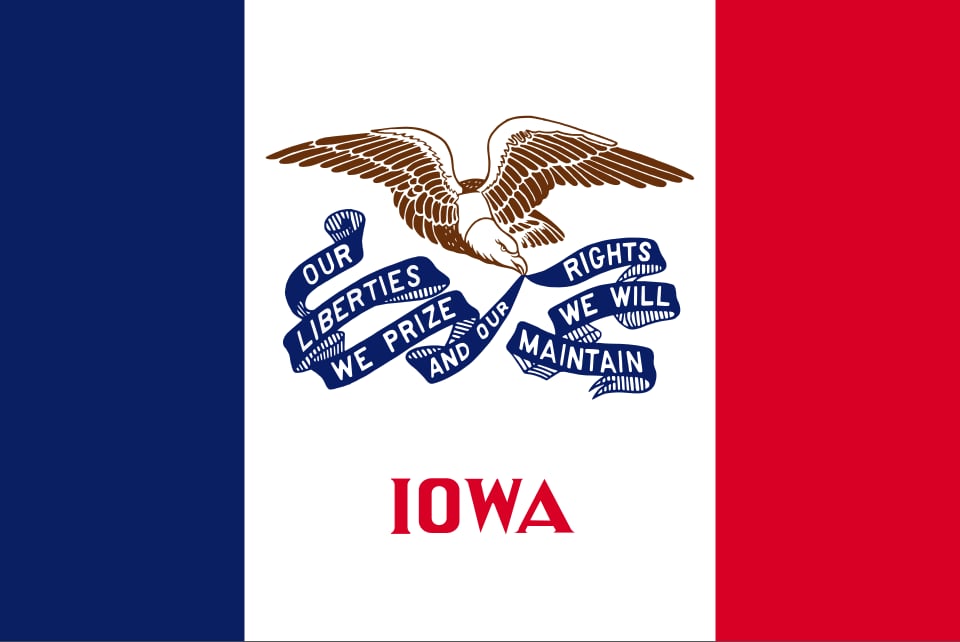
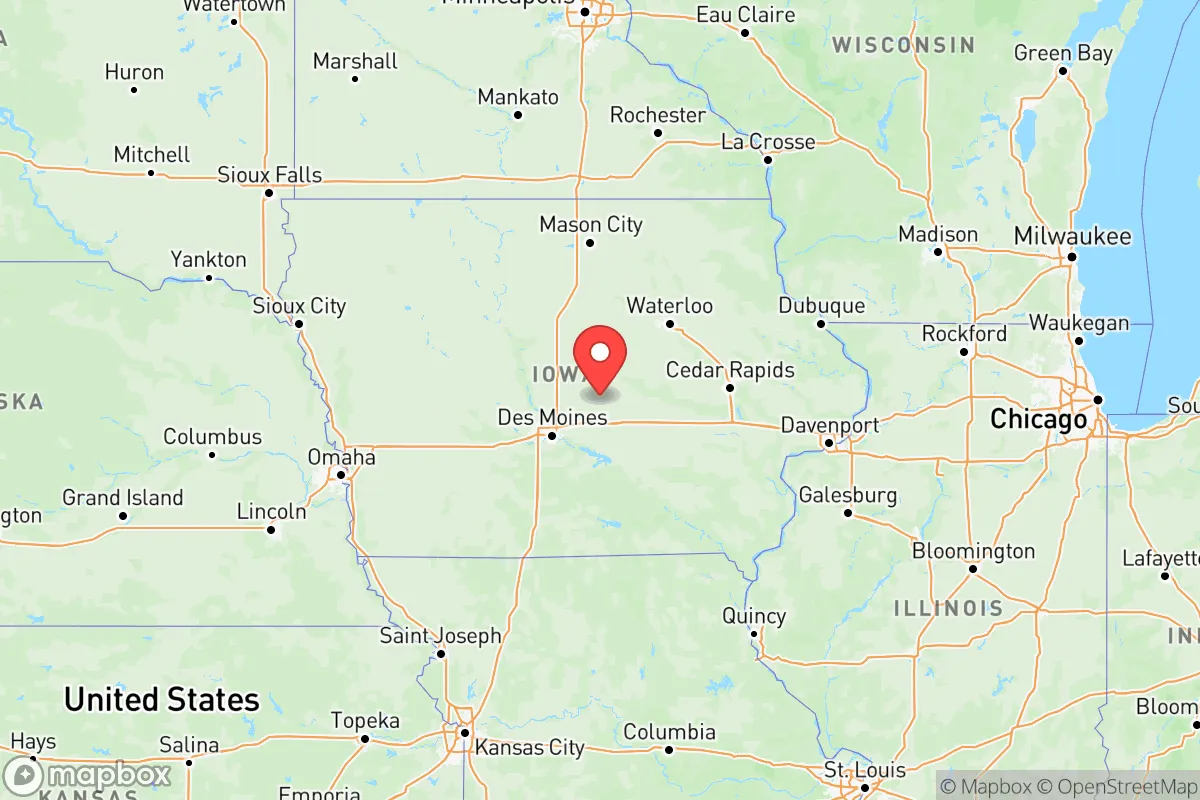
Iowa’s 3.2 million residents today are among the most ethnically homogeneous in the Midwest, with a population that is 83.1% white and only 3.1% foreign-born. The state’s character is defined by a strong work ethic rooted in its agricultural heritage, a relatively low population density, and a political landscape that has shifted from reliably Democratic to a competitive, often Republican-leaning battleground. Distinctive identity markers include a deep sense of place in small towns and a growing, but still modest, diversity concentrated in its urban centers.
Settlement & growth (pre-1960)
Before American settlement, Iowa was home to several Native American nations, including the Ioway (Báxoje), Sauk, Meskwaki (Fox), and Sioux. The Meskwaki are unique in the United States for having repurchased their own land in the 1850s, establishing a settlement near Tama that remains a sovereign community today. European-American settlement began in earnest after the Black Hawk Purchase of 1832 and the subsequent forced removal of Native tribes.
The first major wave of American settlers came from the Upper South and Ohio Valley in the 1830s and 1840s, primarily of Scots-Irish and English stock. They were drawn by the promise of cheap, fertile prairie land under the Preemption Act of 1841 and later the Homestead Act of 1862. These early pioneers established towns like Burlington and Davenport along the Mississippi River, which served as gateways for the interior.
A far larger wave arrived from Germany and Scandinavia between 1850 and 1890. German immigrants, fleeing political unrest and economic hardship, became the largest ethnic group in the state. They settled heavily in the Amana Colonies (a communal religious society), Dubuque, and across the northeastern quadrant of the state. Scandinavian immigrants—Norwegians, Swedes, and Danes—were drawn by railroad land grants and the promise of familiar climates and farming conditions. They concentrated in the northwest, founding towns like Decorah (Norwegian) and Story City (Swedish). These groups established a strong Lutheran and Catholic cultural foundation that persists today.
Irish immigrants arrived in significant numbers during and after the Great Famine of the 1840s, often working on railroad construction and settling in cities like Dubuque and Council Bluffs. A smaller but notable wave of Dutch immigrants settled in Pella and Orange City in the mid-19th century, maintaining distinct Calvinist communities that still hold annual tulip festivals. By 1900, Iowa was overwhelmingly white, native-born, and rural, a character that held steady through the first half of the 20th century.
Modern era (post-1965)
The 1965 Hart-Cellar Act had a modest impact on Iowa compared to coastal states. The state’s foreign-born population remains just 3.1%, far below the national average. However, the law did open the door for new immigrant streams that have reshaped a few specific communities. The most notable post-1965 arrivals are East/Southeast Asian refugees and immigrants. After the Vietnam War, a significant number of Hmong, Lao, and Vietnamese refugees were resettled in Iowa by church and state sponsors. They formed a visible community in Des Moines, particularly in the city’s south side, where the annual Asian Festival draws thousands. A smaller but growing Indian-subcontinent community (0.6% of the state) has also emerged, with professionals concentrated in the Des Moines and Iowa City metro areas, often working in healthcare, technology, and higher education.
Hispanic population growth has been the most significant demographic shift since 1990. The Hispanic share of Iowa’s population now stands at 7.0%, up from just 1.2% in 1990. This growth is driven by both domestic migration from other U.S. states and direct immigration from Mexico and Central America. The meatpacking and food-processing industries have been the primary pull, with plants in Storm Lake, Postville, and Denison attracting large numbers of Hispanic workers. In Storm Lake, for example, the public school district now serves a student body that is over 50% Hispanic. This has created a visible cultural shift in these small industrial towns, with Spanish-language churches, grocery stores, and radio stations becoming common.
Domestic migration patterns have also shifted. Since the 1980s, Iowa has experienced a net outflow of young, college-educated residents to larger metropolitan areas, a phenomenon often called the "brain drain." However, this has been partially offset by in-migration of older retirees and remote workers seeking lower costs of living. The Des Moines metro area has grown steadily, absorbing population from rural counties, while many small towns in the northwest and south-central regions have seen decades of population decline. Suburbanization has been most pronounced around West Des Moines, Ankeny, and Johnston, which have grown into affluent, largely white, family-oriented communities.
The future
Iowa’s population is projected to age and slowly diversify over the next 20 years. The white, non-Hispanic share will continue to decline gradually, while the Hispanic share is expected to rise to around 10-12% by 2040, driven by higher birth rates and continued labor migration. The East/Southeast Asian and Indian communities are likely to grow modestly, primarily through professional migration to the Des Moines and Iowa City areas. The state’s overall population growth will remain slow, constrained by low birth rates among the white majority and continued out-migration of young adults.
The cultural identity of Iowa is likely to become more bifurcated. Urban centers like Des Moines, Iowa City, and Cedar Rapids will continue to diversify and adopt more cosmopolitan attitudes, while rural and small-town Iowa will remain overwhelmingly white and culturally conservative. This urban-rural divide is already the dominant political and social cleavage in the state. The immigrant communities that have settled in places like Storm Lake and Postville are showing signs of assimilation—second-generation Hispanics are increasingly English-dominant and intermarrying—but they are also forming distinct ethnic enclaves that maintain their cultural practices.
For a conservative-leaning individual or family considering a move to Iowa, the state offers a stable, safe, and affordable environment with strong communities and a traditional work ethic. The demographic changes are real but gradual, and they are largely concentrated in specific industrial towns and urban centers. The vast majority of the state remains culturally and politically conservative, with a population that values self-reliance, faith, and neighborliness.

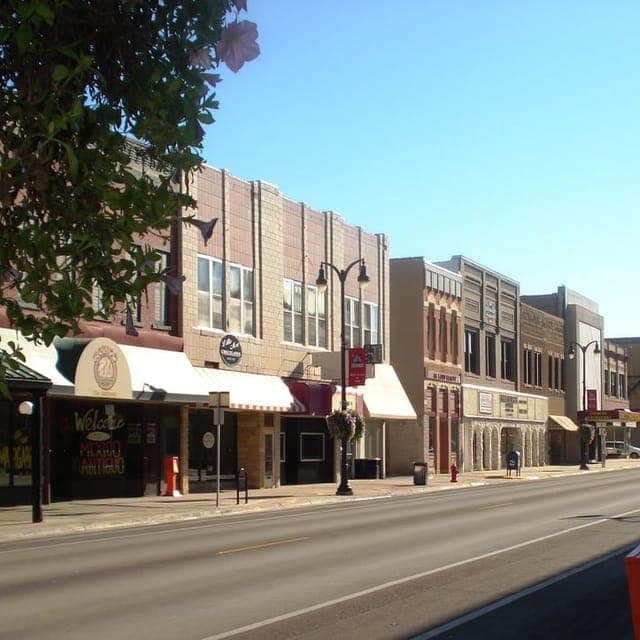
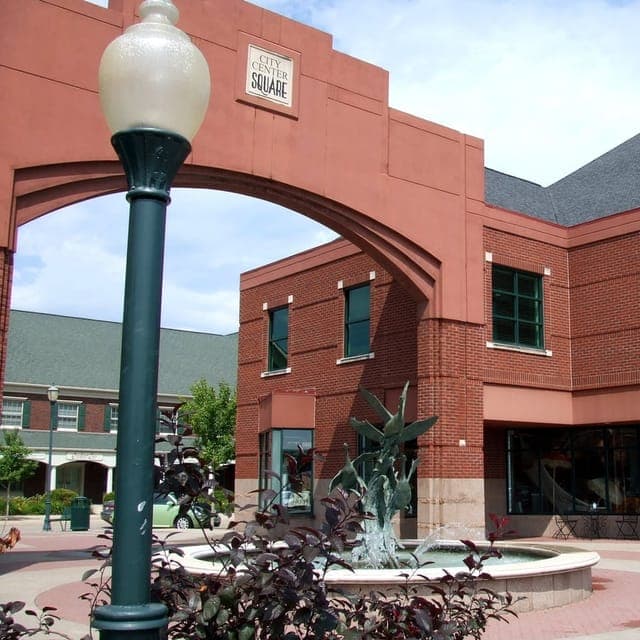
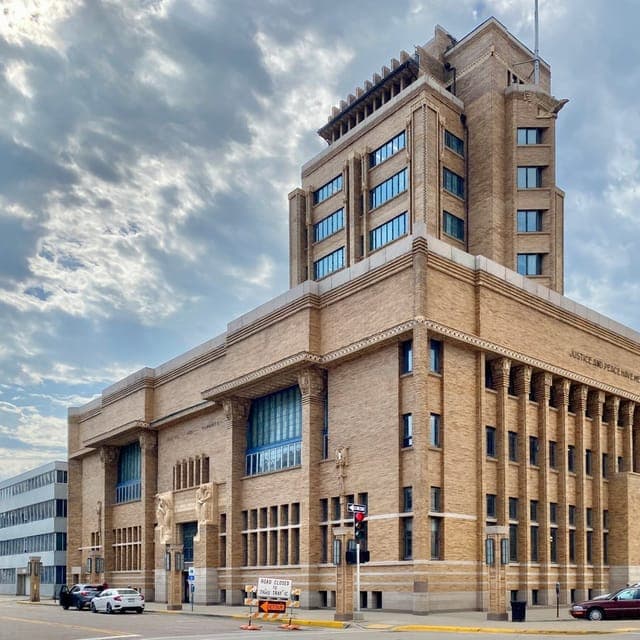
Most Diverse Cities in Iowa

Most Homogenous Cities in Iowa
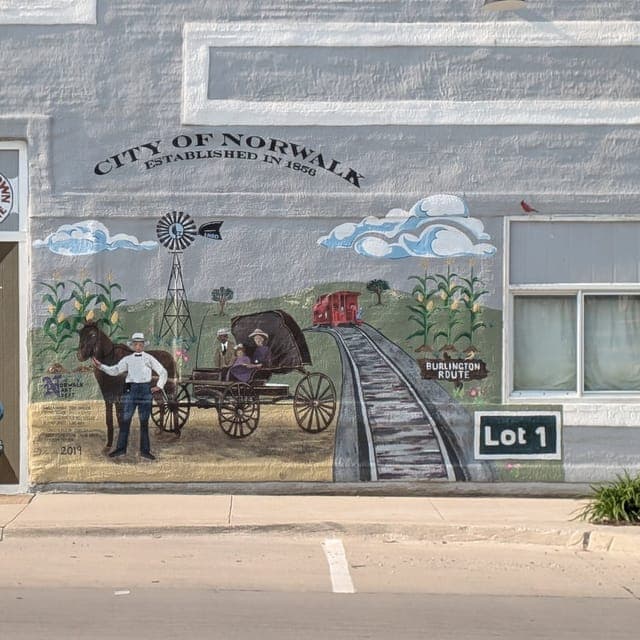

* Values derived from national, state, county, city and local statistics and may differ in a specific area. Last updated: 2026-04-18T22:25:01.000Z
Narrative content on this page is AI-generated and may contain mistakes. Verify any details that matter before acting on them.
ReloMaps may earn a commission from affiliate links at no extra cost to you.

