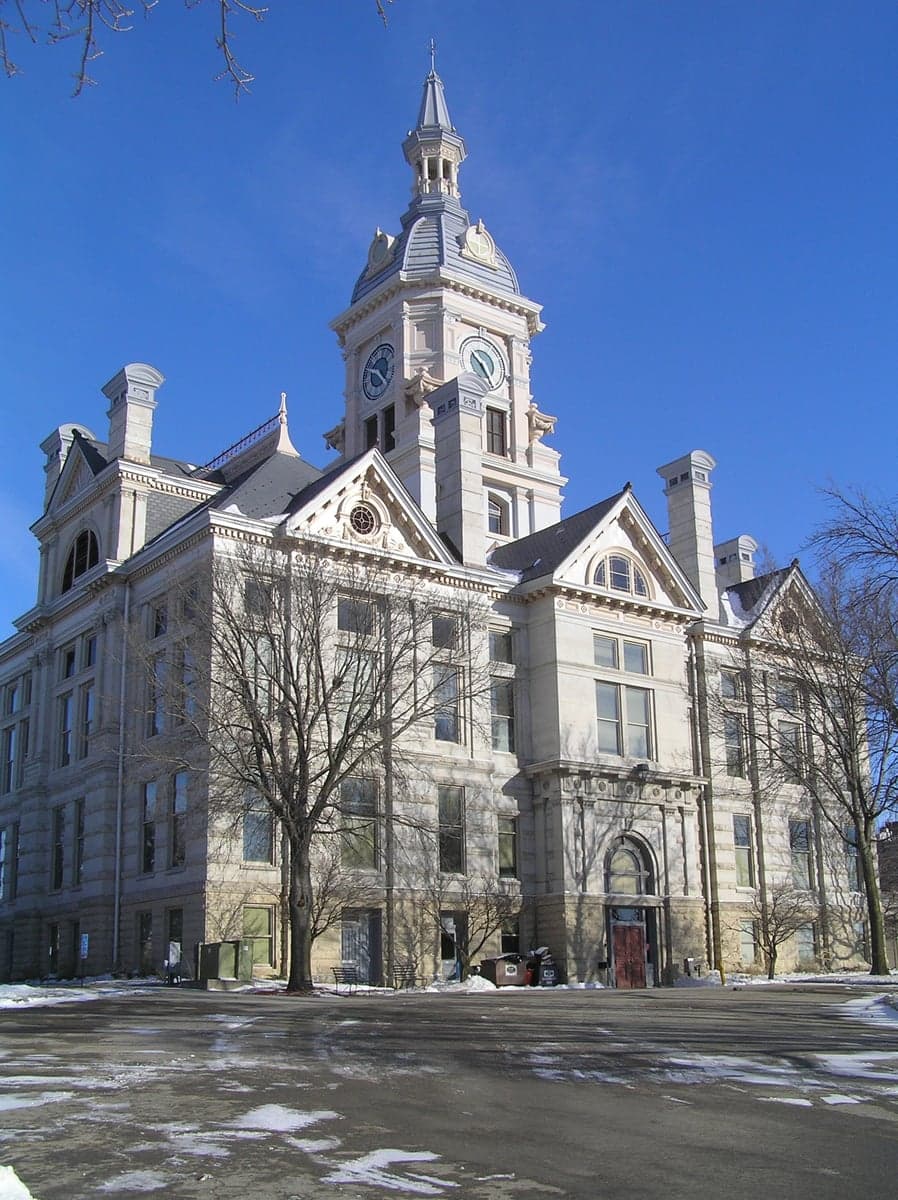
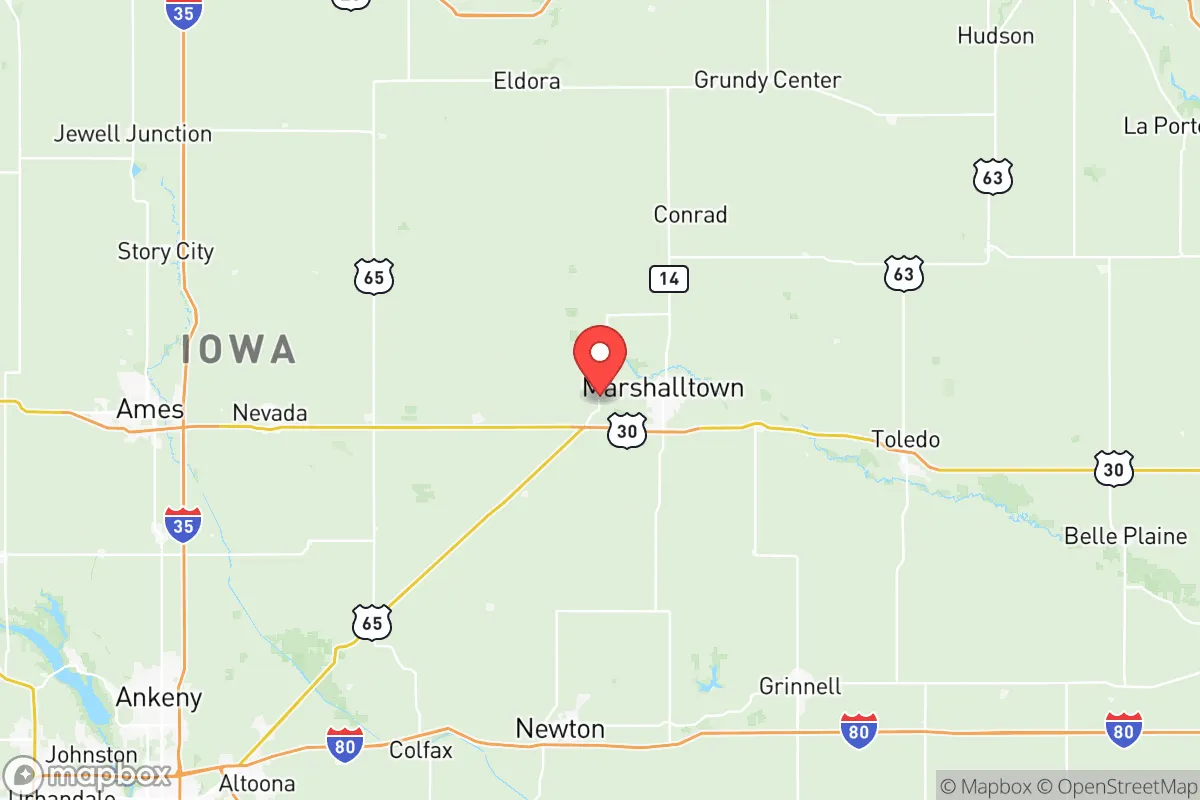
Photo: Wikipedia
Quality of Life in Marshall County
A livable area that tracks near national norms for affordability, walkability, and neighborhood health.
What does Quality of Life tell us?
Quality of Life measures an area by evaluating factors like cost of living, nearby amenities, country club access, airport proximity, socioeconomic signals and neighborhood character. For large states, this is a general average — quality of life can vary dramatically between metro areas, suburbs, and rural communities within the same state.
What does this tell us?
Quality of Life measures an area by evaluating factors like cost of living, nearby amenities, country club access, airport proximity, socioeconomic signals and neighborhood character. For large states, this is a general average — quality of life can vary dramatically between metro areas, suburbs, and rural communities within the same state.
Cost of Living
37% below national average
190%
The Real Cost of Living in Marshall County for 2026
| Tier | Individual | Family (4) |
|---|---|---|
| Survival | $14k | $26k |
| Comfortable | $26k | $38k |
| Luxury | $99k+ | $154k+ |
| Elite (Top 5%) | $117k+ | $181k+ |
Quality-of-Life Analysis
Marshall County, Iowa, offers a spectrum of quality-of-life options that range from the regional hub of Marshalltown to quiet, unincorporated crossroads and working farmsteads, drawing residents who value either urban-style amenities or deep rural seclusion. With a cost of living index of 63 (well below the US average of 100), a median home value of $134,100, and a median rent of $860, the county provides significant financial breathing room. The average commute of just over 20 minutes means that even those living in the most remote pockets can reach Marshalltown’s jobs and services without a long drive, making the county attractive to both young families seeking affordable starter homes and retirees looking for a slower pace.
Largest town(s) & population centers
Marshalltown is the county seat and by far the largest population center, home to roughly 27,000 residents. Daily life here centers on a compact downtown with local restaurants, the Marshalltown Medical & Surgical Center, and Iowa Valley Community College. The town’s industrial base includes major employers like JBS USA (pork processing) and Emerson Process Management, providing stable blue-collar and skilled-trade employment. Housing in Marshalltown spans from historic Victorian homes near the courthouse to newer subdivisions on the south side, with prices that often fall below the county median. The town offers a full slate of amenities—a YMCA, a public library, multiple grocery stores, and a regional airport—making it the clear choice for those who want walkable neighborhoods and a strong sense of community without big-city costs.
Smaller towns & rural pockets
Outside Marshalltown, the county is dotted with smaller incorporated towns that each offer a distinct flavor. State Center (pop. ~1,400) is known for its historic downtown and the annual “State Center Sweet Corn Festival,” with a slower pace and a strong agricultural identity. Gilman (pop. ~500) and Liscomb (pop. ~300) are classic Iowa farm towns with a few local businesses, a post office, and a grain elevator. Laurel (pop. ~200) and Haverhill (pop. ~150) are even smaller, offering little more than a church, a volunteer fire department, and wide-open views. The truly rural pockets—areas like Timber Creek Township or the unincorporated Green Mountain—consist of scattered farmhouses on gravel roads, where residents rely on well water and septic systems and drive 20+ minutes to Marshalltown for groceries or medical care. These areas attract those who prioritize privacy, land for hobby farming, or a complete escape from suburban noise.
Cost & lifestyle range
The cost-of-life spread across Marshall County is narrow but meaningful. At the low end, a small older home in Gilman or Laurel can be purchased for under $80,000, with property taxes often below $1,200 annually. Renters in these towns might find a two-bedroom apartment for $600–$700. At the higher end, newer construction in Marshalltown’s South 12th Avenue corridor or custom-built homes on acreages near Haverhill can reach $250,000–$350,000, still a fraction of what similar properties cost in Des Moines (50 miles south). Lifestyle varies accordingly: in Marshalltown, residents have access to chain retailers, a hospital, and a multiplex cinema; in State Center, the social life revolves around the local café and the town park; in rural townships, entertainment is self-created—gardening, hunting, or four-wheeling on private land. The county’s low COL index of 63 means that even the priciest homes remain affordable for most middle-income households.
Marshall County is best suited for people who value financial predictability and a slower rhythm of life but still want access to a regional hub. Young families can buy a home in Marshalltown for less than $150,000 and commute to stable manufacturing jobs, while retirees or remote workers can settle in State Center or Gilman for a fraction of coastal costs. Those who need constant urban energy or high-end dining will find the county too quiet, but for anyone seeking a low-stress, low-cost base in the Iowa heartland, Marshall County delivers a clear and practical choice.

Crime in Marshall County
Generally safer than 69% of comparable U.S. locations.
Violent CrimeViolent Crime Analysis
Property CrimeProperty Crime Analysis
Crime Analysis
Marshall County, Iowa, reports a violent crime rate of 229.1 per 100,000 residents and a property crime rate of 1,163.4 per 100,000, placing it in a moderate risk tier compared to both state and national averages. The county’s overall safety picture is shaped by a mix of small-town environments and the more urbanized hub of Marshalltown, where the majority of reported incidents are concentrated. While not among Iowa’s most dangerous counties, the property crime figure is notably higher than the statewide average, warranting attention from prospective residents.
Crime in context
Marshall County’s violent crime rate of 229.1 per 100,000 is roughly 35% lower than the national average of 380 per 100,000, but it sits slightly above the Iowa state average of approximately 210 per 100,000. The property crime rate of 1,163.4 per 100,000 is about 20% higher than the Iowa average of 970 per 100,000, driven largely by theft and burglary in and around Marshalltown. By comparison, smaller communities like Liscomb, Albion, and Clemons report far fewer incidents, often with single-digit crime totals annually. The county’s crime index places it in a similar range to neighboring Jasper County but below the higher rates seen in Polk County (Des Moines).
What residents experience
Daily life for most Marshall County residents involves low exposure to violent crime, though property crime is a more tangible concern. In Marshalltown, the county seat and largest city, residents report occasional vehicle break-ins, shed burglaries, and theft from unlocked cars, particularly near the downtown corridor and along the U.S. 30 corridor. The Marshalltown Police Department has responded with targeted patrols and a neighborhood watch program, but property crime rates have remained stubbornly elevated since 2020. In contrast, towns like State Center, Gilman, and Laurel see virtually no violent crime and only sporadic theft, making them attractive for families seeking quieter, safer settings. The county’s judicial district, the 2nd Judicial District of Iowa, operates under a conservative legal framework that emphasizes victim rights and public safety, which residents generally view as a positive factor in maintaining order.
Neighborhood-level variation is pronounced. The eastern and southern edges of Marshalltown, including the area around the Iowa Veterans Home, are considered safer, with lower incident density. The central business district and areas near the Marshalltown Mall see higher property crime volumes. Outside the city, the rural townships of Timber Creek and Le Grand report crime rates near zero, though residents note that agricultural equipment theft can occasionally occur. Overall, the county’s safety profile is manageable for those who take standard precautions, but the elevated property crime rate in Marshalltown itself is a factor to weigh when choosing a specific neighborhood or town within the county.
* Values derived from national, state, county, city and local statistics and may differ in a specific area. Last updated: 2026-05-12T17:59:37.000Z
Narrative content on this page is AI-generated and may contain mistakes. Verify any details that matter before acting on them.
ReloMaps may earn a commission from affiliate links at no extra cost to you.

