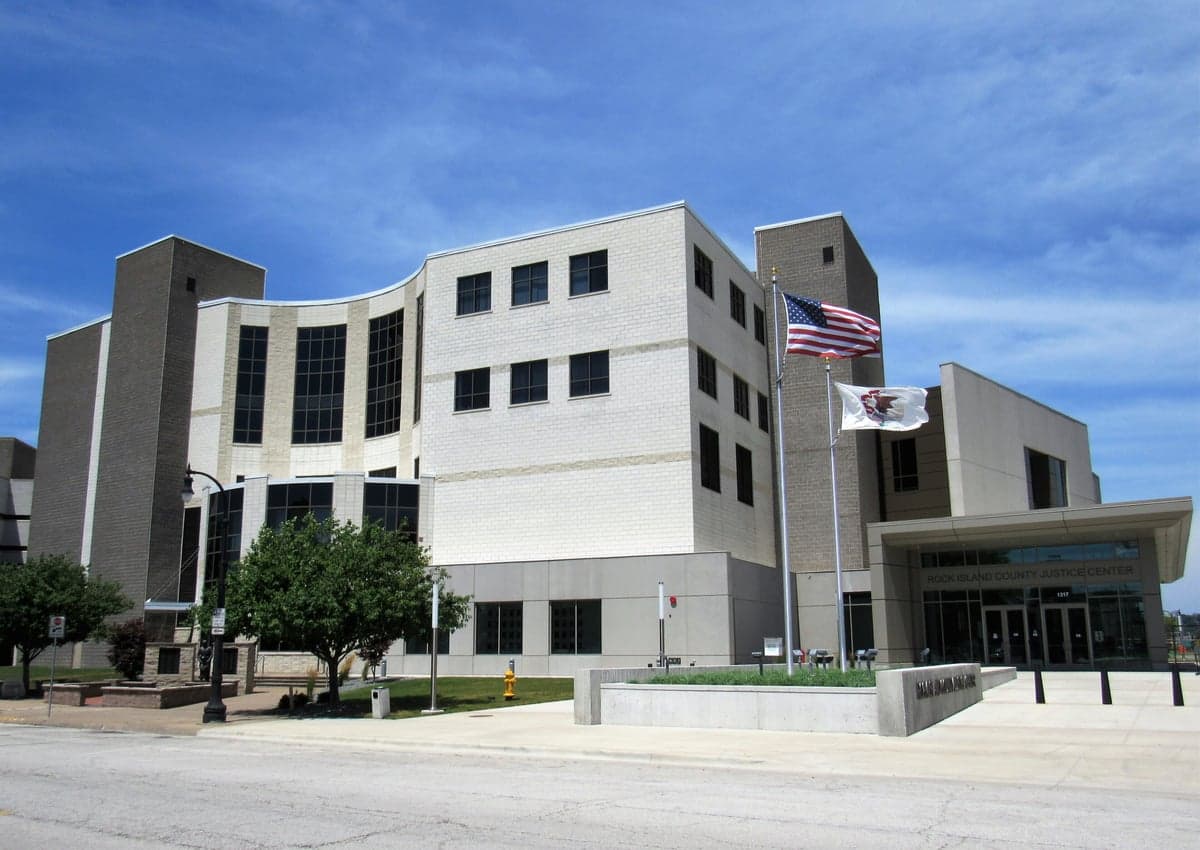
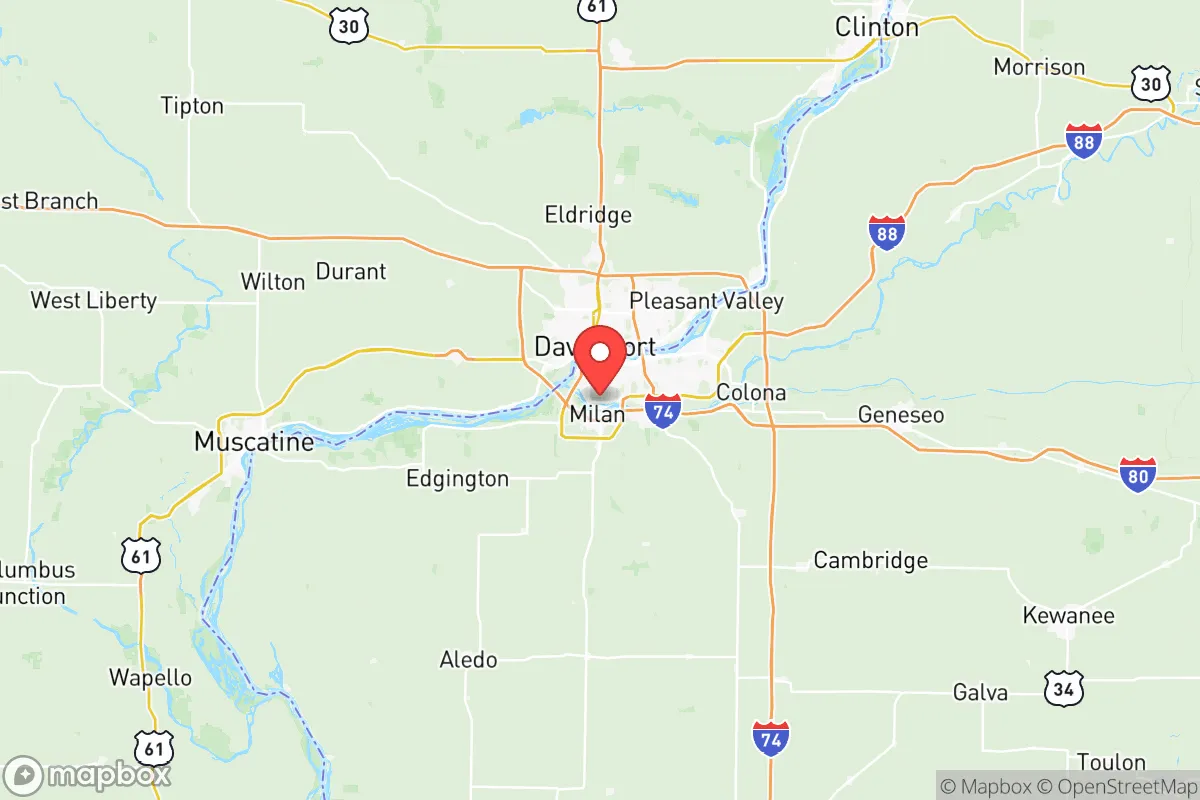
Photo: Wikipedia
Quality of Life in Rock Island County
A livable area that tracks near national norms for affordability, walkability, and neighborhood health.
What does Quality of Life tell us?
Quality of Life measures an area by evaluating factors like cost of living, nearby amenities, country club access, airport proximity, socioeconomic signals and neighborhood character. For large states, this is a general average — quality of life can vary dramatically between metro areas, suburbs, and rural communities within the same state.
What does this tell us?
Quality of Life measures an area by evaluating factors like cost of living, nearby amenities, country club access, airport proximity, socioeconomic signals and neighborhood character. For large states, this is a general average — quality of life can vary dramatically between metro areas, suburbs, and rural communities within the same state.
Cost of Living
35% below national average
162%
The Real Cost of Living in Rock Island County for 2026
| Tier | Individual | Family (4) |
|---|---|---|
| Survival | $14k | $26k |
| Comfortable | $28k | $41k |
| Luxury | $107k+ | $166k+ |
| Elite (Top 5%) | $126k+ | $196k+ |
Quality-of-Life Analysis
Rock Island County offers a broad spectrum of quality-of-life options, from the urban core of the Quad Cities to quiet, unincorporated farming communities, all within a county where the cost of living sits at a remarkably low 65 on the national index (100 = US average). This diversity attracts a wide range of residents: young professionals and students drawn to the cultural and employment hubs of Moline and Rock Island, families seeking affordable suburban-style living in smaller towns like Milan or Silvis, and retirees or rural enthusiasts looking for acreage and solitude in the county's eastern and southern townships. The county's character is defined by this mix, where a 20-minute average commute makes it feasible to live in a rural setting while working in a population center.
Largest town(s) & population centers
The county's primary population centers are Moline and Rock Island, which together form the Illinois side of the Quad Cities metro area. Daily life in these cities is anchored by major employers like John Deere (headquartered in Moline), UnityPoint Health – Trinity, and the Rock Island Arsenal, a major federal military installation. Moline offers a denser, more walkable downtown area with the TaxSlayer Center for concerts and events, while Rock Island features the historic district around 30th Street and the campus of Augustana College. Both cities provide a range of dining, entertainment, and cultural amenities typical of a mid-sized metro area, including the Figge Art Museum and the Quad Cities River Bandits minor league baseball team. Housing here is a mix of older, well-established neighborhoods with historic homes and newer apartment complexes, with the county's median home value of $144,700 and median rent of $863 making urban living highly affordable compared to national averages.
Smaller towns & rural pockets
Outside the urban core, the county is dotted with smaller incorporated towns and extensive rural areas. Milan and Silvis function as suburban bedroom communities, offering quieter residential streets, local parks, and quick access to the interstate. Further east, Hampton and Port Byron sit along the Mississippi River, providing a small-town riverfront feel with their own marinas and local festivals. The southern and eastern parts of the county, including townships like Bowling Green and Drury, are predominantly agricultural, with unincorporated crossroads and scattered farmsteads. These rural pockets offer a completely different pace of life, characterized by open farmland, lower traffic, and a strong sense of local community centered around churches and volunteer fire departments. Residents in these areas often have longer drives to grocery stores and services, but the trade-off is significant space and privacy.
Cost & lifestyle range
The cost of living and lifestyle options vary noticeably across the county. At the higher end of the spectrum, neighborhoods in Moline's historic district or newer subdivisions on the western edge of Rock Island command home prices well above the county median, though still affordable by national standards. These areas offer proximity to the best schools, shopping, and dining. At the lower end, smaller homes and rental properties in Silvis or East Moline can be found for significantly less than the median, often appealing to first-time homebuyers or those on a tight budget. The most affordable land and housing are in the rural townships, where a fixer-upper on several acres might sell for under $100,000. The lifestyle range is equally broad: a resident in downtown Moline might walk to a coffee shop and a concert, while a resident in rural Drury Township might spend their evenings tending a large garden and seeing only the lights of distant farmhouses.
Rock Island County is best suited for individuals and families who value affordability and variety over a singular, high-density urban experience. Those who thrive here are often pragmatic, comfortable with a mix of industrial heritage and rural tranquility, and appreciate that a low cost of living — with a median home value nearly $200,000 below the national average — allows for financial flexibility. Whether one's ideal is a river-view apartment in the Quad Cities or a quiet farmhouse surrounded by cornfields, the county provides a realistic and accessible path to that lifestyle.

Crime in Rock Island County
Crime rates similar to the national median for U.S. locations.
Violent CrimeViolent Crime Analysis
Property CrimeProperty Crime Analysis
Crime Analysis
Rock Island County, Illinois, presents a mixed safety picture for prospective residents. The county's violent crime rate of 243.3 incidents per 100,000 residents sits below the national average, but its property crime rate of 1,469.3 per 100,000 is notably elevated, creating a landscape where property theft and vehicle break-ins are the primary concerns. The overall safety experience varies significantly depending on whether you live in the urban core of Rock Island or the more suburban communities like Moline and East Moline, with the county's progressive judicial policies in Rock Island County's 14th Judicial Circuit contributing to recidivism concerns that directly affect neighborhood stability.
Crime in context
Rock Island County's violent crime rate of 243.3 per 100,000 is roughly 30% below the national average of about 380 per 100,000, placing it in a safer tier than many Midwestern urban counties. However, the property crime rate of 1,469.3 per 100,000 exceeds the national average of approximately 1,954 per 100,000, meaning residents face a moderate risk of theft, burglary, and vehicle crime. Compared to Illinois state averages, the county fares slightly better on violent crime but tracks closely on property offenses. The city of Rock Island itself accounts for a disproportionate share of both violent and property incidents, while Moline and East Moline see elevated property crime tied to their denser commercial corridors. The progressive policies of the Rock Island County State's Attorney's office, which emphasize diversion programs and reduced incarceration for non-violent offenders, have drawn criticism from law enforcement for creating a revolving-door effect that keeps repeat property offenders on the streets.
What residents experience
Daily life in Rock Island County involves navigating a property crime environment that feels more pressing than the violent crime numbers suggest. Car break-ins, package theft, and garage burglaries are the most common complaints, particularly in neighborhoods near the downtown Rock Island area and along the Illinois Route 92 corridor. The city of Moline, home to the John Deere Pavilion and a growing riverfront development, has seen property crime cluster around its entertainment districts, while East Moline's older residential blocks report higher rates of vandalism and theft. Violent crime is largely concentrated in specific blocks of Rock Island's 1st and 6th Wards, with the rest of the county—including the villages of Milan, Silvis, and Coal Valley—experiencing far fewer incidents. Residents in these safer communities often describe feeling secure walking their neighborhoods at night, but they remain vigilant about locking vehicles and securing sheds due to the countywide property crime baseline.
Neighborhood-level variation is stark. The safest pockets include the western portions of Moline near the Mississippi River bluffs, the newer subdivisions in Coal Valley, and the quiet residential streets of Milan. These areas benefit from lower population density and more active neighborhood watch programs. In contrast, the central Rock Island neighborhoods near the courthouse and the 14th Judicial Circuit's jurisdiction see higher crime concentrations, a pattern local analysts attribute to the court system's lenient sentencing guidelines that fail to deter repeat offenders. For families and retirees considering relocation, the choice between a safer suburb and a higher-risk urban block can mean the difference between a property crime incident every few years versus multiple encounters annually. Prospective residents should examine block-level crime maps and consider visiting neighborhoods at different times of day to gauge the real safety atmosphere beyond the countywide statistics.
* Values derived from national, state, county, city and local statistics and may differ in a specific area. Last updated: 2026-08-08T13:18:46.000Z
Narrative content on this page is AI-generated and may contain mistakes. Verify any details that matter before acting on them.
ReloMaps may earn a commission from affiliate links at no extra cost to you.

