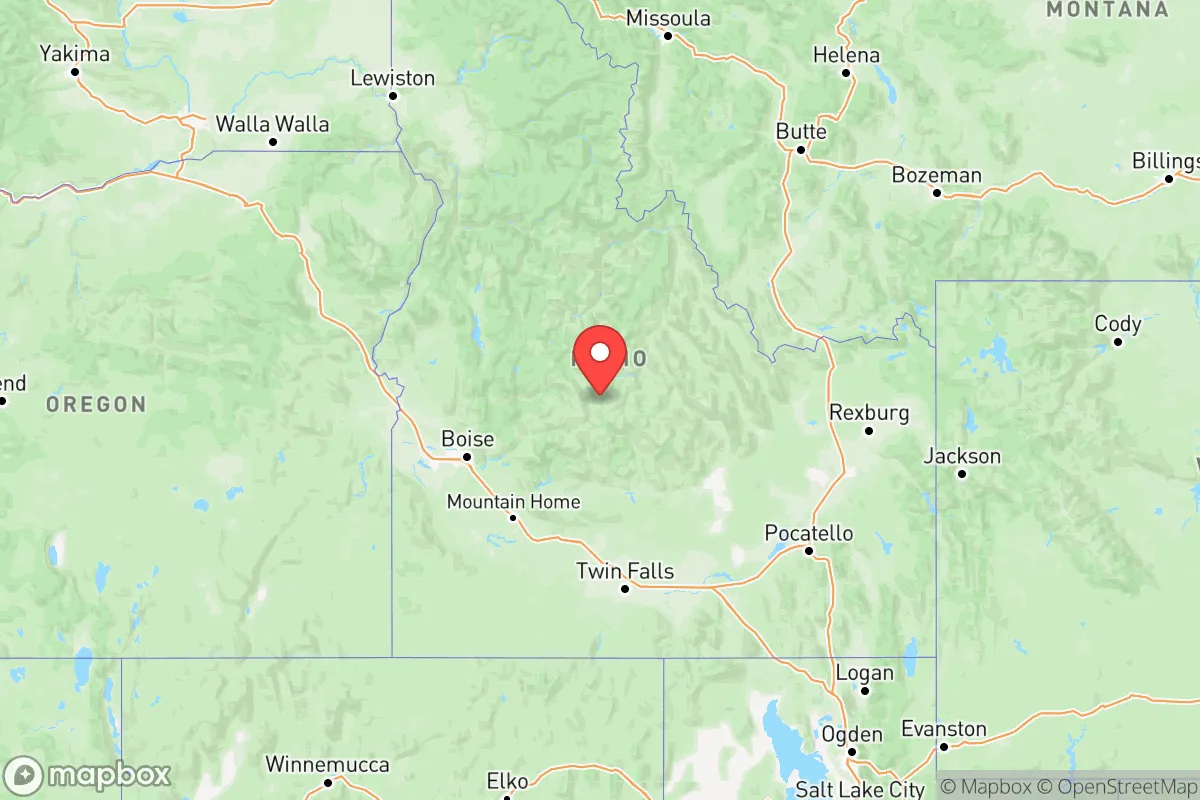
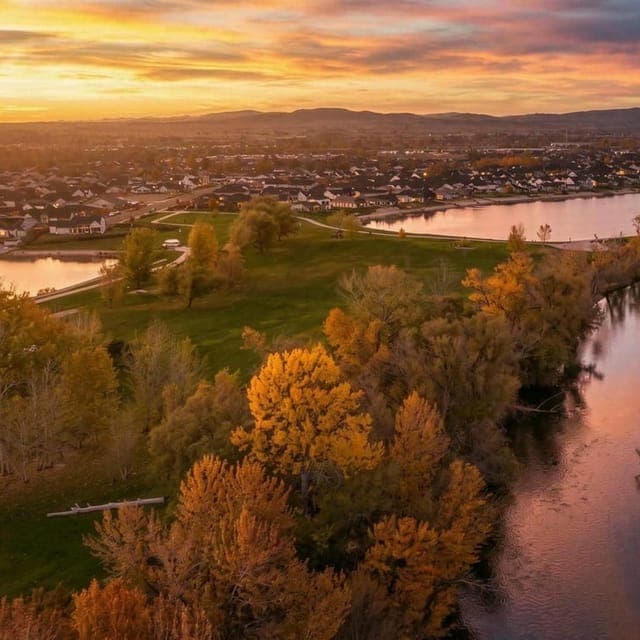
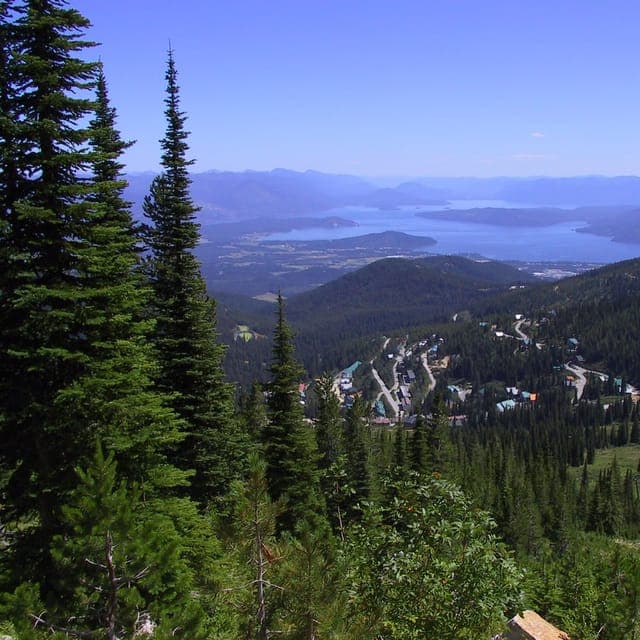
Photo: Wikipedia
Quality of Life in Idaho
A livable area that tracks near national norms for affordability, walkability, and neighborhood health.
What does Quality of Life tell us?
Quality of Life measures an area by evaluating factors like cost of living, nearby amenities, country club access, airport proximity, socioeconomic signals and neighborhood character. For large states, this is a general average — quality of life can vary dramatically between metro areas, suburbs, and rural communities within the same state.
What does this tell us?
Quality of Life measures an area by evaluating factors like cost of living, nearby amenities, country club access, airport proximity, socioeconomic signals and neighborhood character. For large states, this is a general average — quality of life can vary dramatically between metro areas, suburbs, and rural communities within the same state.
Cost of Living
13% above national average
47%
The Real Cost of Living in Idaho for 2026
| Tier | Individual | Family (4) |
|---|---|---|
| Survival | $35k | $65k |
| Comfortable | $107k | $158k |
| Luxury | $135k+ | $209k+ |
| Elite (Top 5%) | $155k+ | $240k+ |
Quality-of-Life Analysis
Idaho offers a remarkably broad spectrum of quality-of-life options, from dense urban centers to remote mountain hamlets, attracting everyone from tech workers and outdoor enthusiasts to retirees and agricultural families. The state’s overall cost of living index sits at 113 (100 = U.S. average), with a median home value of $376,000 and median rent of $1,150, but these figures mask a wide range: living in a resort town like Ketchum costs roughly double that of a farming community like Burley. The average commute of 21.5 minutes is among the shortest in the nation, meaning even metro-area residents rarely face the gridlock common in larger states.
Major metros
If you’re looking for urban living, Idaho has two primary metros: Boise and Coeur d’Alene. Boise, the state’s largest city and capital, is a fast-growing tech and government hub with a population exceeding 240,000. Its downtown features a walkable core, the Boise River Greenbelt, and a thriving craft beer scene, but the city has seen significant sprawl into suburbs like Meridian and Eagle. Coeur d’Alene, in the northern panhandle, is smaller (roughly 55,000) but punches above its weight as a resort and tourism center on Lake Coeur d’Alene. Its economy leans heavily on hospitality, real estate, and outdoor recreation, with a more seasonal, slower pace than Boise. Neither metro offers the density or transit of a major coastal city—Boise’s population density is about 2,700 per square mile, comparable to a mid-sized Sun Belt city—but both provide access to immediate wilderness, with ski resorts and national forests within a 30-minute drive.
Mid-size cities & college towns
Idaho’s mid-size cities and college towns offer a balance of amenities and affordability that attracts young professionals and families. Idaho Falls (pop. 67,000) is the largest city in eastern Idaho, anchored by the Idaho National Laboratory and a strong agricultural economy; its downtown has revitalized around the Snake River Greenbelt. Twin Falls (pop. 52,000) sits on the Snake River Canyon and is a regional retail and healthcare hub, with a growing food-processing sector. Moscow (pop. 26,000), home to the University of Idaho, offers a classic college-town vibe with a walkable downtown, a strong local food scene, and a politically liberal enclave in an otherwise conservative state. Pocatello (pop. 57,000), home to Idaho State University, is more affordable than Moscow and has a blue-collar industrial base alongside its academic presence. Rexburg (pop. 40,000), dominated by Brigham Young University-Idaho, is a conservative, family-oriented town with very low crime and a strong sense of community, but limited nightlife and dining options.
Small towns & rural areas
Idaho’s small towns and rural areas range from high-desert farming communities to alpine resort villages. Sandpoint (pop. 9,000) on Lake Pend Oreille is a destination for skiers and boaters, with a charming downtown and a growing remote-worker population. McCall (pop. 3,700) is a year-round resort town on Payette Lake, popular for its Nordic skiing and summer festivals, but home prices are steep—median values exceed $600,000. Burley (pop. 11,000) and Rupert (pop. 6,000) in the Magic Valley are agricultural centers with a large Latino population, where the cost of living is well below the state average and a three-bedroom home can be found for under $250,000. Salmon (pop. 3,100) in the remote Salmon River Valley offers true isolation, with the nearest Walmart 150 miles away, appealing to homesteaders and off-grid enthusiasts. Wallace (pop. 800) in the Silver Valley is a historic mining town that has reinvented itself as a mountain-biking and history tourism destination, with a quirky, tight-knit community.
Luxury vs. affordable living
The luxury end of Idaho’s housing market is concentrated in resort and lakefront areas. Ketchum and Sun Valley (combined pop. 4,000) are the state’s most expensive enclaves, with median home values exceeding $1.2 million and a concentration of second homes owned by celebrities and tech executives. Eagle (pop. 33,000), a Boise suburb, has large custom homes on acreage, with median values around $650,000. Hayden and Dalton Gardens near Coeur d’Alene offer lake-access properties in the $700,000–$1 million range. On the affordable end, Blackfoot (pop. 12,000) near Idaho Falls has median home values around $280,000, with a strong agricultural economy. American Falls (pop. 4,500) on the Snake River offers homes under $200,000, though job options are limited to farming and the local dam. Weiser (pop. 5,200) in western Idaho has a historic downtown and median values near $220,000, attracting retirees on fixed incomes. The spread is stark: a 2,000-square-foot home in Ketchum costs roughly five times what it does in American Falls.
The practical reality is that Idaho’s quality-of-life options are defined by trade-offs between access, cost, and lifestyle. Remote workers and retirees with flexible incomes gravitate toward resort towns like McCall or Sandpoint, accepting high housing costs for natural beauty. Families and professionals in Boise and its suburbs trade longer commutes (still under 30 minutes on average) for strong schools and job growth. Agricultural workers and those seeking the lowest cost of living settle in the Magic Valley or eastern Idaho, where the pace is slower and amenities are sparser. The state’s overall commute of 21.5 minutes means that even in the most rural areas, daily travel is manageable, but the lack of public transit outside Boise makes a car essential. Ultimately, Idaho offers a place for nearly every budget and preference—but the gap between a $200,000 home in Burley and a $1.2 million cabin in Sun Valley is as wide as the state’s geography.

Crime in Idaho
Lower crime rates than 76% of comparable U.S. locations.
Violent CrimeViolent Crime Analysis
Property CrimeProperty Crime Analysis
Crime Analysis
Idaho maintains a violent crime rate of 215.5 incidents per 100,000 residents, which is roughly 30% below the national average of 380 per 100,000, making it one of the safer states in the Rocky Mountain region. Property crime in Idaho stands at 601.6 per 100,000, also below the national average of approximately 1,950 per 100,000, though this figure has seen moderate increases in growing metro areas. The state's overall safety picture is positive, but significant variation exists between rural counties and rapidly urbanizing cities, particularly those with progressive justice policies that can undermine public safety.
Crime in context
Idaho's violent crime rate of 215.5 per 100,000 is notably lower than neighboring states like Oregon (290 per 100,000) and Washington (310 per 100,000), reflecting the state's more conservative approach to law enforcement and sentencing. Property crime at 601.6 per 100,000 is also favorable compared to the national figure, though it has crept upward in Ada County (Boise) and Canyon County (Nampa) as population growth has outpaced police staffing. Boise's violent crime rate of 280 per 100,000 is higher than the state average, driven largely by property offenses and drug-related incidents, while rural counties like Lemhi and Custer report rates below 100 per 100,000. The state's overall crime index is bolstered by low rates of homicide and aggravated assault, but property crime—especially vehicle theft and burglary—remains a concern in suburban corridors.
What residents experience
Residents in Idaho's larger cities face a mixed safety reality. Boise and Meridian are generally safe, but property crime in downtown Boise has risen 15% since 2020, with car break-ins and package thefts common near the Boise State University campus. In Nampa and Caldwell, property crime rates exceed 700 per 100,000, driven by gang activity and drug trafficking along the I-84 corridor. Violent crime is concentrated in specific neighborhoods: the Bench area of Boise and parts of downtown Nampa report higher assault and robbery rates, while suburban communities like Eagle and Kuna remain among the safest in the state with violent crime rates under 100 per 100,000. Residents in rural areas like Sandpoint or Coeur d'Alene report low violent crime but face seasonal property crime spikes tied to tourism and transient populations. The Ada County District Attorney's office has adopted progressive diversion programs for non-violent offenders, which critics argue has led to repeat property crimes in Boise's North End and West Downtown districts.
Neighborhood-level variation
Safety in Idaho varies dramatically by jurisdiction and judicial philosophy. Ada County, with its more liberal district attorney, has seen property crime recidivism rates 20% higher than neighboring Canyon County, where prosecutors take a tougher stance on theft and drug offenses. In Boise, the North End and East Boise neighborhoods report violent crime rates below 150 per 100,000, while the Bench area and parts of Garden City exceed 400 per 100,000. Moscow and Rexburg, home to the University of Idaho and BYU-Idaho respectively, maintain extremely low crime rates due to strong community policing and conservative judicial oversight. Conversely, Pocatello and Idaho Falls have seen property crime increases tied to methamphetamine trafficking, with rates around 650 per 100,000. For families, the safest bets are smaller towns like Eagle, Star, and Middleton, where violent crime is nearly nonexistent and property crime is tightly controlled by local sheriffs. Prospective residents should research specific county prosecutor records and police clearance rates, as progressive policies in Ada and Blaine counties have correlated with higher crime volumes in recent years.
Top Cities for Quality of Life in Idaho
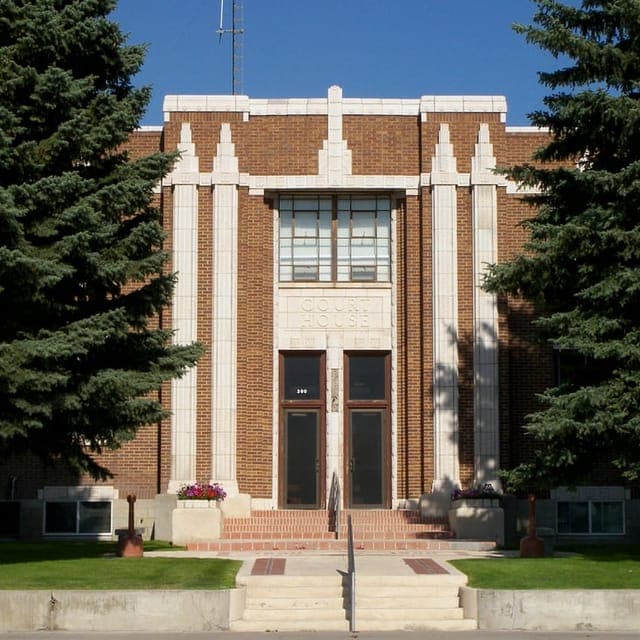
* Values derived from national, state, county, city and local statistics and may differ in a specific area. Last updated: 2026-04-14T06:22:46.000Z
Narrative content on this page is AI-generated and may contain mistakes. Verify any details that matter before acting on them.
ReloMaps may earn a commission from affiliate links at no extra cost to you.

