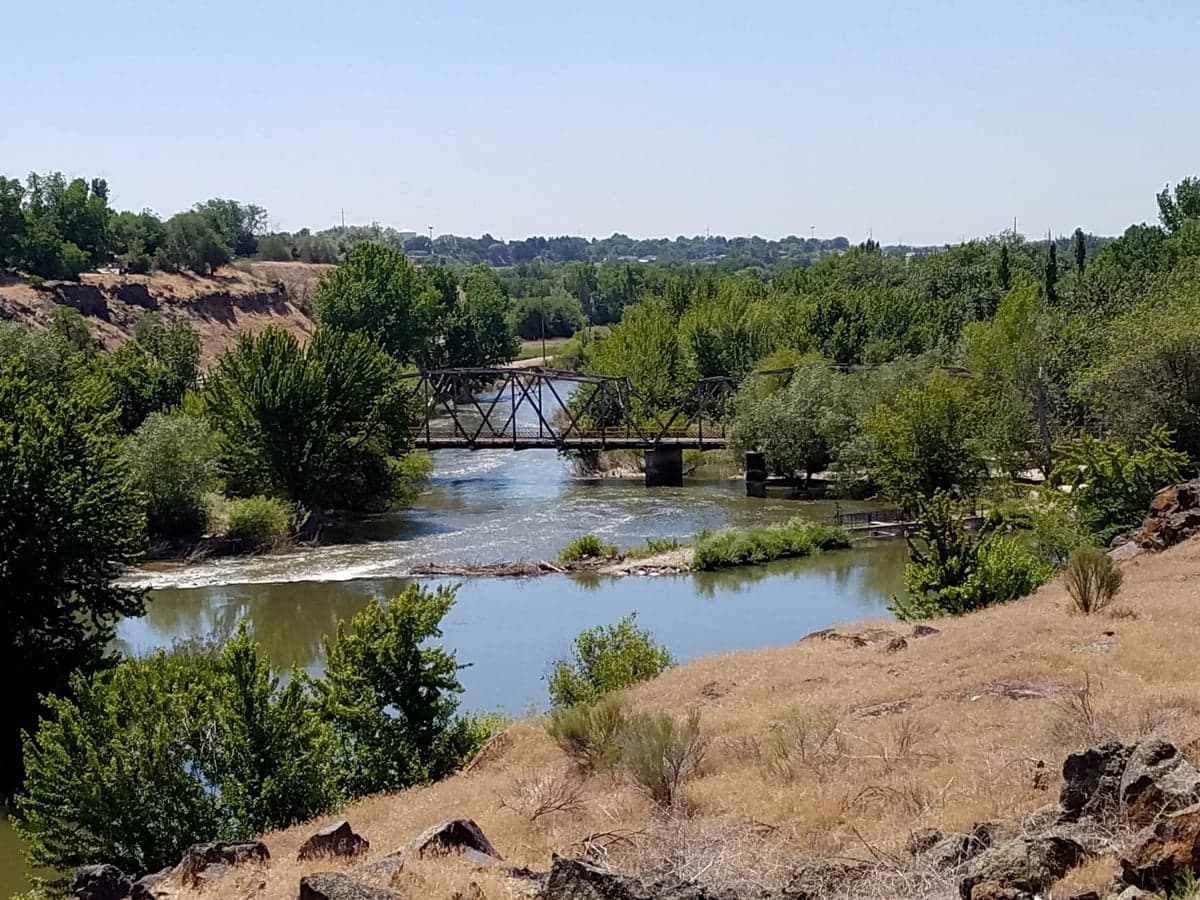
Photo: Wikipedia
Quality of Life in Canyon County
A livable area that tracks near national norms for affordability, walkability, and neighborhood health.
What does Quality of Life tell us?
Quality of Life measures an area by evaluating factors like cost of living, nearby amenities, country club access, airport proximity, socioeconomic signals and neighborhood character. For large states, this is a general average — quality of life can vary dramatically between metro areas, suburbs, and rural communities within the same state.
What does this tell us?
Quality of Life measures an area by evaluating factors like cost of living, nearby amenities, country club access, airport proximity, socioeconomic signals and neighborhood character. For large states, this is a general average — quality of life can vary dramatically between metro areas, suburbs, and rural communities within the same state.
Cost of Living
15% above national average
72%
The Real Cost of Living in Canyon County for 2026
| Tier | Individual | Family (4) |
|---|---|---|
| Survival | $20k | $38k |
| Comfortable | $68k | $100k |
| Luxury | $108k+ | $167k+ |
| Elite (Top 5%) | $127k+ | $197k+ |
Quality-of-Life Analysis
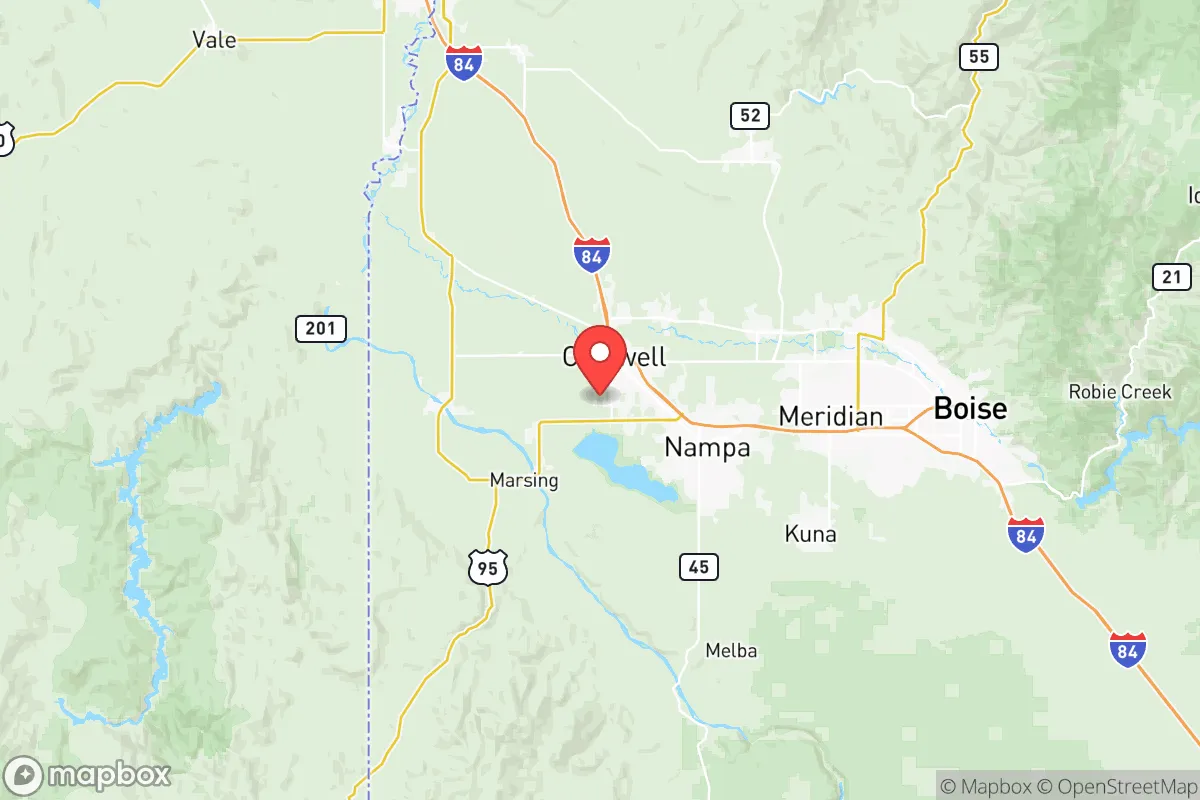
Canyon County, Idaho, offers a broad spectrum of living environments, from the dense suburban and commercial core of its largest city to the quiet, agricultural crossroads of its unincorporated communities. This diversity draws a wide range of residents: young families and commuters seeking affordable access to the Boise metro, agricultural workers and retirees looking for slower-paced rural life, and everyone in between. The county’s character shifts noticeably within a 30-minute drive, making it a place where lifestyle choice is often a matter of which exit you take off the interstate.
Largest town(s) & population centers
Nampa, the county seat and largest city, is the primary population and commercial hub, home to roughly 100,000 residents. Daily life here is distinctly suburban and car-dependent, centered around major retail corridors like the Karcher Road and Garrity Boulevard interchanges. Nampa offers a full range of big-box shopping, chain restaurants, and the Nampa Civic Center for events. Caldwell, the second-largest city, has a more historic downtown core anchored by the College of Idaho and a growing food-and-brewery scene along its main street. Both cities are experiencing rapid residential development, with new subdivisions filling former farmland. Commuting is a central fact of life: the average commute across the county is about 25 minutes, with many residents driving the 20–30 minutes west into Ada County for work in Boise or Meridian. Public transit is limited to the Valley Regional Transit bus system, which primarily serves the Nampa-Caldwell corridor.
Smaller towns & rural pockets
Beyond the urban core, Canyon County contains several distinct smaller communities. Middleton, located north of Nampa, retains a small-town feel with a historic main street and newer subdivisions popular with families seeking larger lots. Parma, near the Oregon border, is an agricultural service town surrounded by sugar beet and onion fields, with a slower pace and a strong sense of local community. Greenleaf and Notus are tiny, unincorporated hamlets where life revolves around the local church, the grain elevator, and the volunteer fire department. Wilder, also on the western edge, is a small, predominantly Hispanic community with a strong agricultural workforce and a quiet, family-oriented atmosphere. These areas offer a stark contrast to Nampa and Caldwell, with fewer retail options, no major employers, and a reliance on personal vehicles for everything.
Cost & lifestyle range
The cost of living and lifestyle options vary dramatically across the county. The overall cost-of-living index is 115 (15% above the U.S. average), driven largely by housing. The median home value sits at $350,300, and median rent is $1,259. At the higher end, newer subdivisions in south Nampa and north Caldwell near the Boise River command prices well above the county median, often exceeding $450,000, with homes on larger lots and access to newer schools. At the lower end, older housing stock in Wilder and Parma can be found for under $250,000, and rental options in these areas are more limited but cheaper. Lifestyle trade-offs are clear: residents in the larger towns enjoy proximity to shopping, healthcare, and the Boise job market, but face more traffic and smaller lot sizes. Those in the rural pockets trade convenience for space, quiet, and a stronger connection to the agricultural landscape, but must drive 20–30 minutes for a grocery store or a doctor’s appointment.
This county works best for people who value choice and are willing to trade off between convenience and space. Commuters who work in the Treasure Valley but want a lower home price than Ada County can find it in Nampa or Caldwell. Families seeking a slower, more self-sufficient lifestyle often settle in Middleton or Parma. Agricultural workers and those who prize privacy and land find their place in the unincorporated areas around Greenleaf and Notus. Canyon County is not a single experience; it is a collection of distinct communities where the right fit depends entirely on how far one is willing to drive for a gallon of milk or a job.

Crime in Canyon County
Lower crime rates than 76% of comparable U.S. locations.
Violent CrimeViolent Crime Analysis
Property CrimeProperty Crime Analysis
Crime Analysis
Canyon County, Idaho, presents a mixed safety profile where property crime rates notably exceed state averages while violent crime remains below the national median. The county, part of the Boise metropolitan area, recorded a violent crime rate of 215.5 per 100,000 residents and a property crime rate of 601.6 per 100,000 in the most recent data. These figures place Canyon County in a middle ground—safer than many urbanized Western counties but requiring residents to remain vigilant, particularly regarding theft and burglary, especially in its more densely populated cities like Nampa and Caldwell.
Crime in context
When compared to both Idaho and national benchmarks, Canyon County’s violent crime rate of 215.5 per 100,000 is roughly 38% lower than the U.S. average of approximately 380 per 100,000, but it sits slightly above Idaho’s statewide rate of about 210 per 100,000. The property crime rate of 601.6 per 100,000, however, is significantly higher than Idaho’s average of roughly 450 per 100,000 and approaches the national average of around 1,950 per 100,000 when adjusted for population density. This disparity is largely driven by the county’s growing population and the concentration of retail and residential targets in its larger cities. For context, neighboring Ada County (Boise) reports a lower violent crime rate near 190 per 100,000 but a similar property crime rate, indicating that property offenses are a regional challenge across the Treasure Valley.
What residents experience
Daily life in Canyon County involves a tangible awareness of property crime, particularly vehicle break-ins, package theft, and residential burglary in suburban neighborhoods. The city of Nampa, the county’s largest municipality, accounts for a disproportionate share of reported incidents, with its downtown core and areas near the Nampa Gateway Center seeing higher theft rates. Caldwell, the county seat, also experiences elevated property crime, especially around the College of Idaho campus and along the Cleveland Boulevard corridor. In contrast, smaller communities like Middleton and Parma report significantly lower crime rates, offering a quieter, more rural living environment. Violent crime, while less common, is not evenly distributed—incidents of aggravated assault and robbery are concentrated in specific neighborhoods within Nampa and Caldwell, often tied to gang activity or domestic disputes. The Canyon County Sheriff’s Office and local police departments have implemented targeted patrols and community policing initiatives in these hotspots, but residents in higher-density areas should still take standard precautions like locking vehicles and securing outbuildings.
Neighborhood-level variation is pronounced in Canyon County. The unincorporated areas west of Nampa and south of Caldwell, such as the Lake Lowell vicinity, tend to have very low crime rates, appealing to families seeking space and safety. Conversely, the older, more densely built sections of central Nampa—particularly around the historic downtown and near the railroad tracks—show elevated crime statistics. The judicial landscape also plays a role: Canyon County’s elected prosecutors and judges generally follow a conservative, law-and-order approach, which helps keep recidivism rates in check compared to more progressive jurisdictions. However, residents moving from areas with lenient sentencing policies (such as those in parts of the Pacific Northwest) should be aware that local courts here prioritize victim restitution and public safety, which can mean stricter penalties for repeat offenders. For those considering a move, focusing on the outer ring of towns like Greenleaf or Melba offers the lowest crime risk, while Nampa and Caldwell require more careful neighborhood selection.
* Values derived from national, state, county, city and local statistics and may differ in a specific area. Last updated: 2026-05-07T22:35:47.000Z
Narrative content on this page is AI-generated and may contain mistakes. Verify any details that matter before acting on them.
ReloMaps may earn a commission from affiliate links at no extra cost to you.

