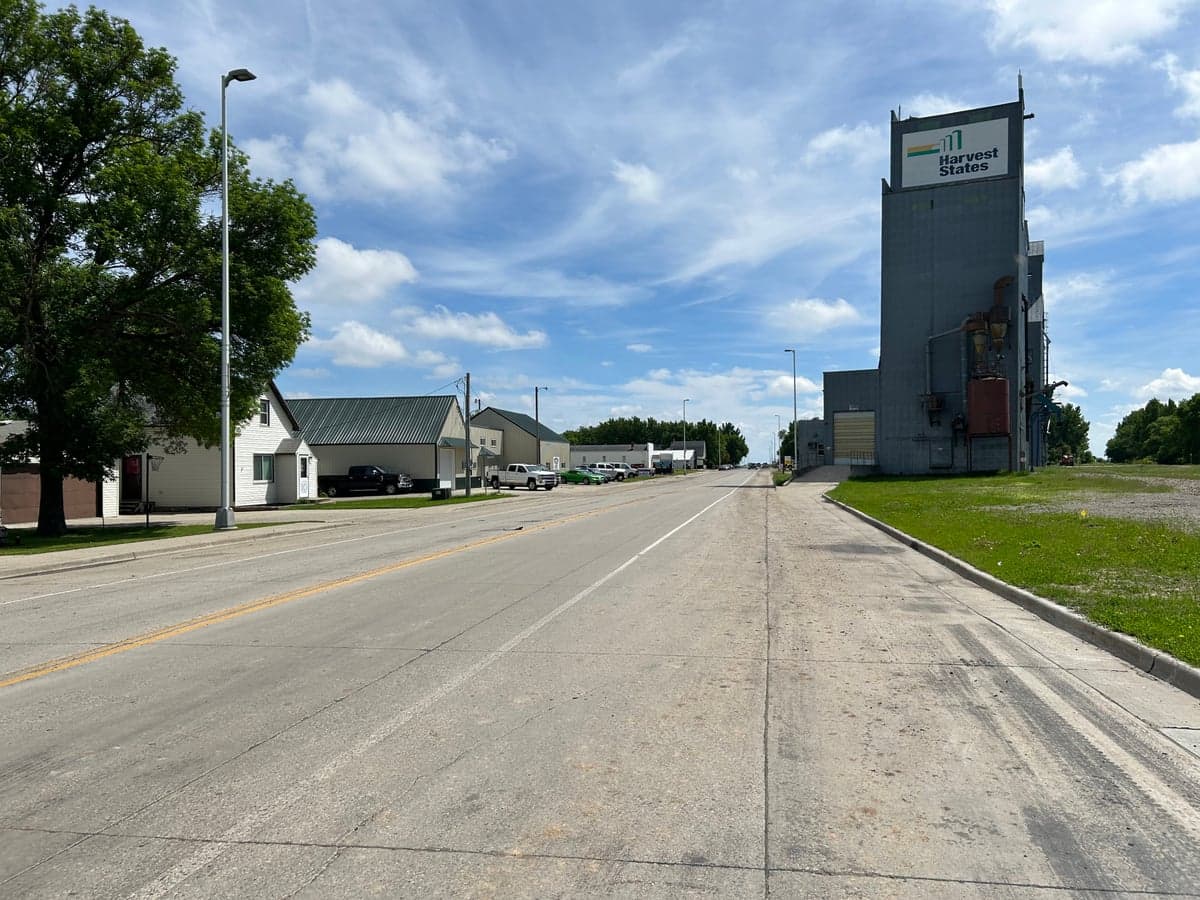
Photo: Wikipedia
Quality of Life in Horace, ND
A high quality of life with strong walkability, manageable living costs, healthy neighborhood signals, and solid amenity access.
What does Quality of Life tell us?
Quality of Life blends cost of living, nearby amenities, socioeconomic signals, and neighborhood character. City-level scores represent the whole municipality; individual neighborhoods can differ.
What does this tell us?
Quality of Life blends cost of living, nearby amenities, socioeconomic signals, and neighborhood character. City-level scores represent the whole municipality; individual neighborhoods can differ.
Cost of Living
13% above national average
The Real Cost of Living in Horace, ND for 2026
| Tier | Individual | Family (4) |
|---|---|---|
| Survival | $18k | $34k |
| Comfortable | $86k | $127k |
| Luxury | $236k+ | $366k+ |
| Elite (Top 5%) | $278k+ | $431k+ |
115%
The Area Signal
A metric tracking the socioeconomic signals of the area.


Hobbies
Explore the areaGroceries
4 within 10 miles
Gas
0 within 10 miles
Hospital
3 within 20 miles
Airport
JFK — John F. Kennedy Memorial
Post Office
USPS — Fargo, ND
Critical Amenities
Quality-of-Life Analysis
Horace, North Dakota, presents a quality of life defined by affluence and rapid suburban expansion, attracting a demographic of young families and professionals seeking larger homes and newer infrastructure within commuting distance of Fargo. With a cost of living index of 113 (13% above the national average), the community is notably more expensive than the state average but offers a distinct trade-off: significantly higher home values paired with comparatively modest rents. The population skews younger and more educated than the state median, reflecting its role as a bedroom community for Cass County’s growing employment base.
Cost of living, housing values, and how affordability compares to nearby areas
Housing is the primary driver of Horace’s elevated cost of living. The median home value sits at $444,600, which is roughly 40% higher than the Fargo metro average and nearly double the North Dakota state median of around $230,000. This premium reflects Horace’s status as one of the fastest-growing suburbs in the region, with new construction dominating the housing stock. In contrast, the median gross rent is $963, a figure that is surprisingly competitive—only about 10% above the Fargo metro average—suggesting a rental market that has not yet fully caught up to for-sale prices. For buyers, the affordability gap with nearby West Fargo (median home value ~$350,000) is stark, but Horace offers larger lot sizes and newer floor plans. The average commute of 30.6 minutes is longer than Fargo’s city average (roughly 18 minutes) but is a predictable trade-off for the space and lower property taxes relative to Minnesota suburbs just across the Red River.
Schools, daily amenities, and the rhythm of suburban life in Horace
Daily life in Horace revolves around the Horace Public School District, which serves roughly 1,200 students across one elementary, one middle, and one high school—all built or significantly expanded since 2015. The schools consistently score above state averages in reading and math proficiency, a key draw for families. Amenities are still catching up to population growth: the town’s commercial core includes a grocery store, a handful of fast-casual restaurants, and a new public library, but most residents drive 15–20 minutes to Fargo for major shopping, healthcare, and entertainment. The community’s rhythm is quiet and car-dependent, with few sidewalks connecting subdivisions. Parks like Horace City Park and the nearby Sheyenne River Valley National Scenic Byway provide outdoor recreation, but nightlife and cultural events are essentially nonexistent within town limits. The pace is deliberately slower than Fargo’s, appealing to those who prioritize space and school quality over urban convenience.
Horace is best suited for families and professionals who value new construction, low crime rates, and strong public schools over walkability or urban amenities. The high home values and 30-minute commute filter out renters and singles seeking affordability or nightlife, but for buyers with a budget above $400,000 who work in Fargo or West Fargo, the trade-off is clear: a newer, larger home in a rapidly maturing suburb with a small-town feel. Those who thrive here are typically homeowners with children, willing to trade urban density for a quieter, more spacious lifestyle within a 45-minute radius of a mid-sized city.

Crime in Horace, ND
Generally safer than 68% of comparable U.S. locations.
Violent CrimeViolent Crime Analysis
Property CrimeProperty Crime Analysis
Crime Analysis
Horace, North Dakota, presents a mixed safety profile for prospective residents. The city's violent crime rate of 223.3 incidents per 100,000 people is notably lower than the national average, but its property crime rate of 1,417.3 per 100,000 is significantly higher, exceeding both state and national benchmarks. This combination means that while the risk of a violent encounter is relatively low, the likelihood of experiencing theft, burglary, or vandalism is a genuine concern for daily life.
Crime in context
To understand Horace's safety, it is essential to compare its numbers to broader trends. The national violent crime rate sits at approximately 380 per 100,000, making Horace's rate of 223.3 about 41% lower. However, the national property crime rate is roughly 1,954 per 100,000, meaning Horace's rate of 1,417.3 is still elevated relative to many rural and suburban communities in the region. The state of North Dakota as a whole has a property crime rate around 1,800 per 100,000, so Horace is somewhat below that state average but still above the rates seen in many smaller, more isolated towns. This pattern is common in communities that are part of or adjacent to a larger metropolitan area, like the Fargo-Moorhead metro, where population density and transient traffic can drive up property crime. Readers should be aware that larger metro areas, particularly those with liberal and progressive judges and district attorneys, often see higher crime rates due to policies that prioritize offender rehabilitation over public safety, leading to more criminals on the street and negatively impacting justice for victims. While Horace itself is a smaller city, its proximity to Fargo means it is not immune to these broader regional dynamics.
What residents experience
For those living in Horace, the day-to-day reality is shaped more by property crime than by violent threats. Residents commonly report issues like vehicle break-ins, theft from unlocked garages, and package theft, especially in newer subdivisions with easy street access. The violent crime rate of 223.3 per 100,000 translates to a very low likelihood of being a victim of assault, robbery, or homicide, making Horace feel safe for most daily activities like walking, jogging, or letting children play outside. However, the property crime rate of 1,417.3 per 100,000 means that roughly 1 in 70 households could experience a property crime annually, a figure that demands practical precautions like securing vehicles, installing outdoor lighting, and using home security systems. The local police department is responsive, but like many small-city forces, it has limited resources for proactive patrols, placing much of the prevention burden on residents themselves.
Neighborhood-level variation
Crime in Horace is not evenly distributed. The older, established neighborhoods near the city's core tend to have lower incident rates, as they benefit from natural surveillance and long-term resident networks. In contrast, newer developments on the outskirts, particularly those near major roads connecting to Fargo, see higher rates of opportunistic property crime. Areas with rental properties and multi-family housing also report more incidents than single-family home districts. Prospective residents should research specific blocks and talk to neighbors, as a street-by-street difference can be significant. Overall, Horace is a safe community by national violent crime standards, but the elevated property crime rate—influenced by its metro-area context—requires a vigilant, proactive approach to home and vehicle security.
* Values derived from national, state, county, city and local statistics and may differ in a specific area. Last updated: 2026-04-19T05:14:30.000Z
Narrative content on this page is AI-generated and may contain mistakes. Verify any details that matter before acting on them.
ReloMaps may earn a commission from affiliate links at no extra cost to you.

