 Popular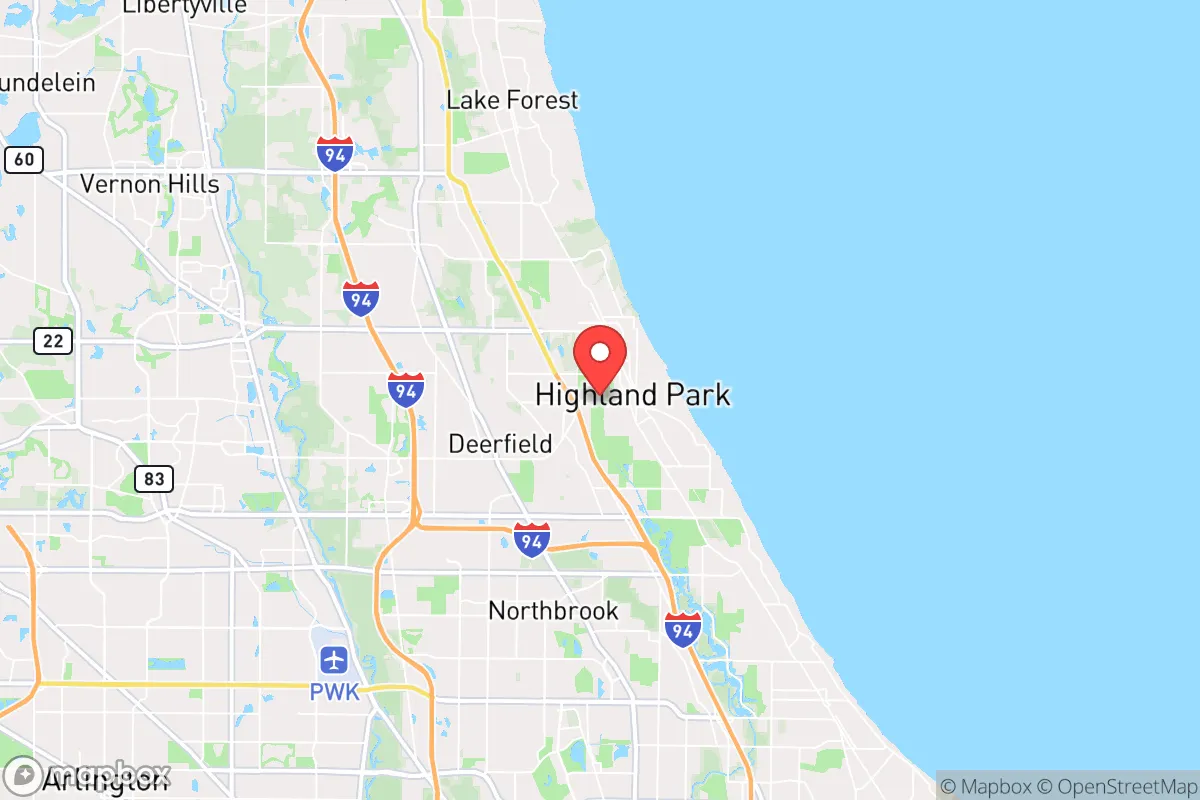
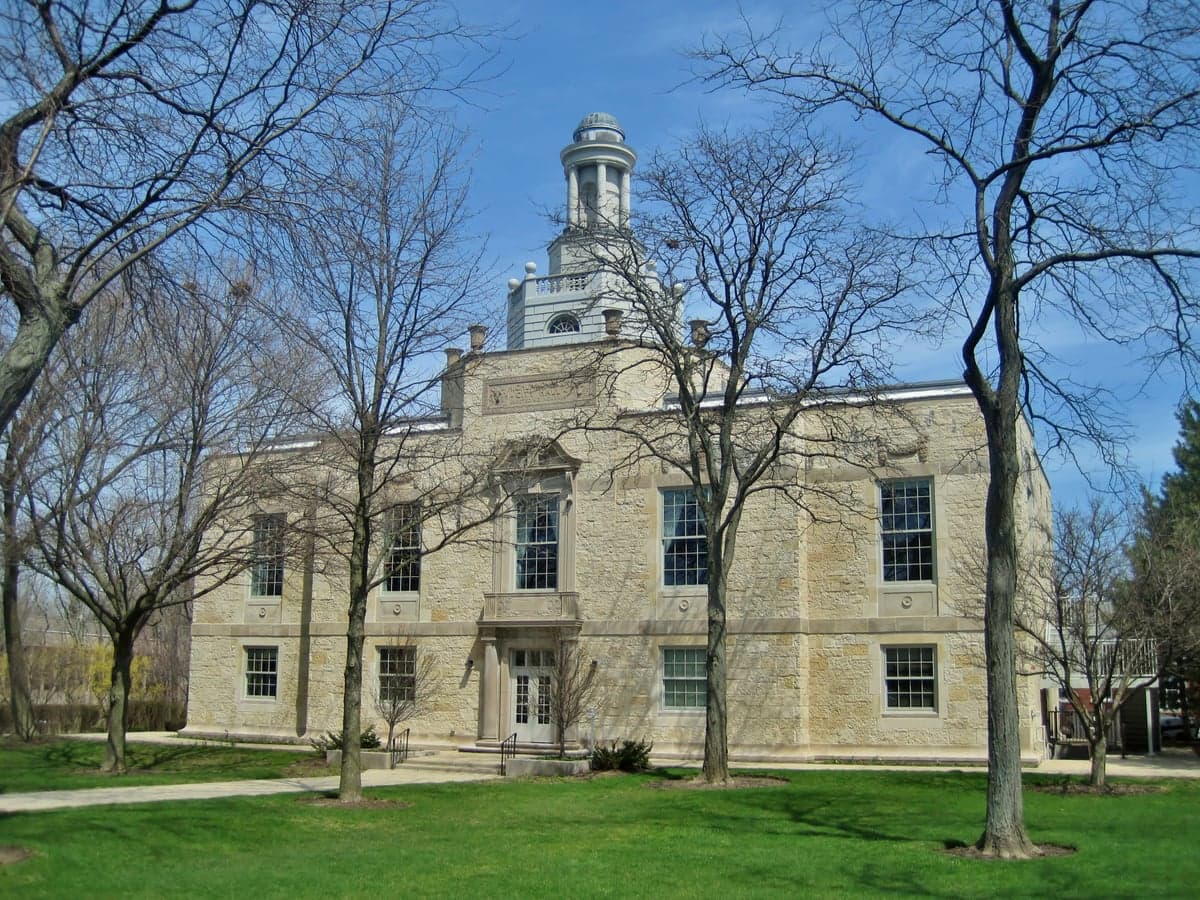
Photo: Wikipedia
Strategic Assessment of Highland Park, IL
Multiple tactical vulnerabilities. Population density, target proximity, or disaster risk are likely compounding. A retreat property and exit planning is required.
What does the Strategic Assessment tell us?
Our Strategic Assessment grades tactical survivability of an area. Major population centers, military targets, fallout zones, natural disasters, and border exposure all drive risk — lower exposure means a more defensible position in a crisis.
This is heavily inspired by Joel Skousen's Strategic Relocation book. Highly recommended you checkout the book ($)What does this tell us?
Our Strategic Assessment grades tactical survivability of an area. Major population centers, military targets, fallout zones, natural disasters, and border exposure all drive risk — lower exposure means a more defensible position in a crisis.
This is heavily inspired by Joel Skousen's Strategic Relocation book. Highly recommended you checkout the book ($)Strategic Pillars

Key Distances
Regional Safe Places
Below is our recommended "safe zones" in Illinois and the surrounding area based on our strategic heuristics. For most people, it's unrealistic to live in a “safe zone” full-time due to work, family or other personal reasons. They tend to be more rural. However, many of these areas are perfect for second homes and retreat properties that double as a vacation home or even a short-term rental.
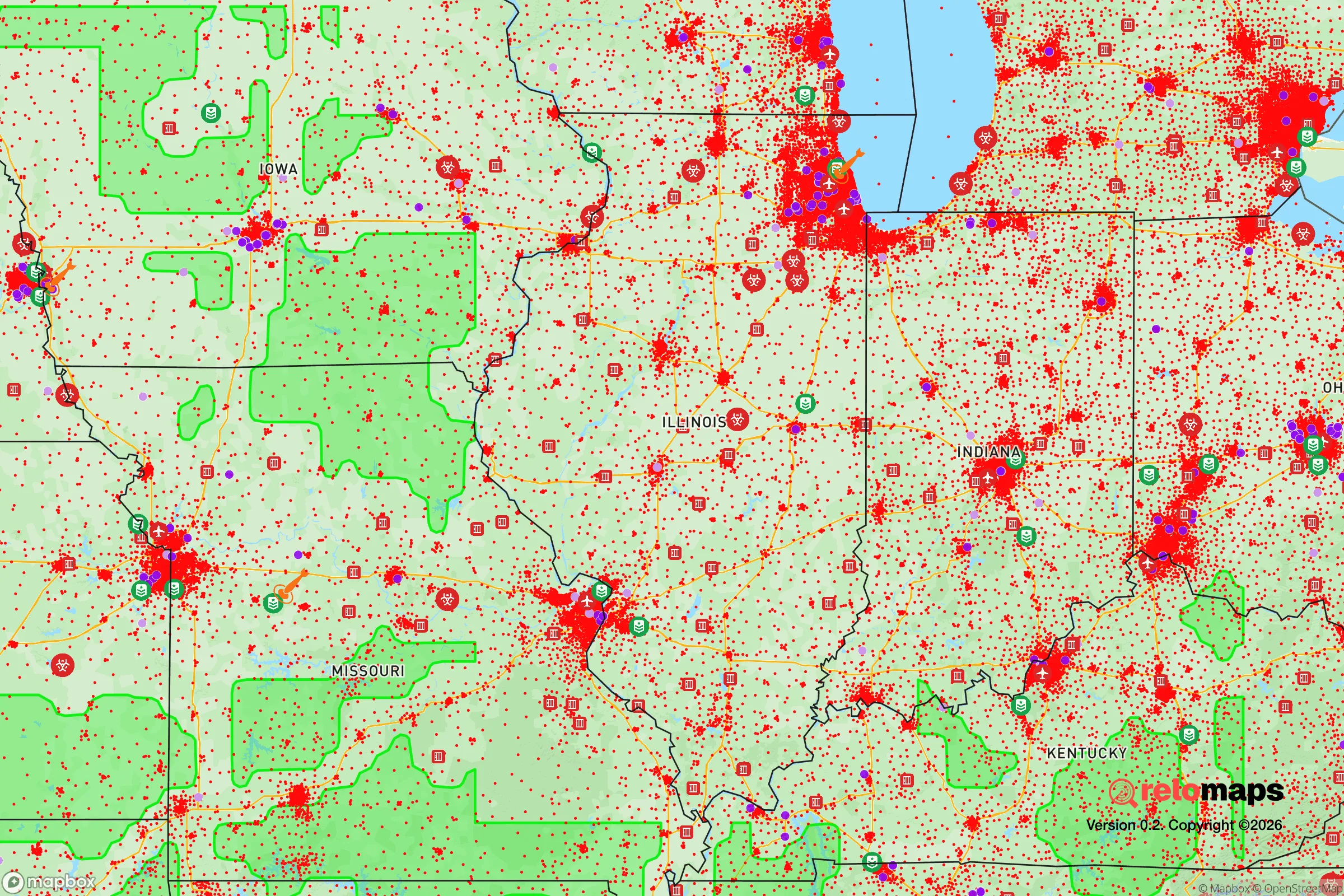
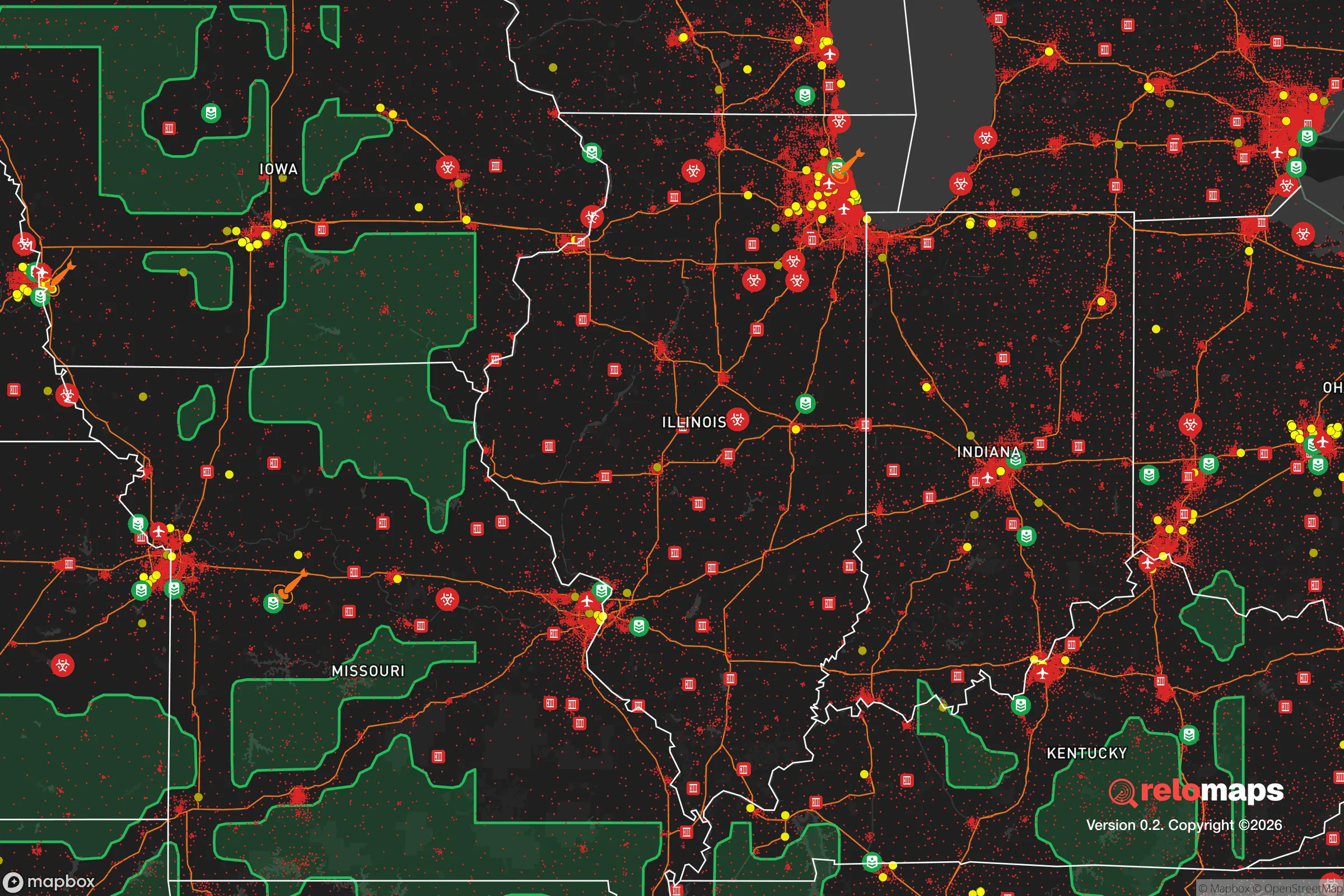


Important Note: For informational purposes only. This does not mean nothing bad ever happens in the green zones. Please use common sense. This is based on public data and modeled with AI. We tried to take a conservative approach but mistakes happen. We update this regularly as new information becomes available.
Solar Generator Recommendations
Backup power matters more here than in safer locations. We've picked three solar generators across budgets and capacity tiers — start with the budget unit if you only need a few essentials, or step up if you want to run a fridge and HVAC for days at a time.

Jackery Portable Power Station Explorer 300
Budget OptionPower on the Go: Weighing only 11 lbs, it's convenient to set up and store with book-sized foldable solar panels

BLUETTI Portable Power Station AC180
Designed for both indoor and outdoor scenarios, AC180 is highly capable as it has a robost capacity and continuous output power.

EF ECOFLOW DELTA Pro Ultra Power Station
Upgraded PickEcoFlow DELTA Pro Ultra is a whole-home energy system designed to grow with your family. Integrated with the Smart Home Panel 2, it scales to meet your evolving energy needs — keeping your home powered, intelligent, and secure through every stage of life.
We earn a commission, at no additional cost to you.
Strategic Assessment Analysis
Highland Park, Illinois, offers a mixed strategic picture for the relocation-minded reader prioritizing resilience and self-sufficiency. Its location on the Lake Michigan shoreline, roughly 25 miles north of downtown Chicago, provides a distinct set of geographic advantages and vulnerabilities that demand careful consideration. While the area benefits from abundant fresh water and a relatively stable climate, its proximity to a major metropolitan center and critical infrastructure introduces significant man-made risks that a serious disaster-preparedness assessment cannot ignore.
Geographic position and natural advantages for long-term stability
Highland Park sits on a high bluff overlooking Lake Michigan, a position that provides natural drainage and reduces flood risk from the lake itself, though low-lying areas near the lakefront and the Skokie River corridor remain flood-prone. The city's elevation—roughly 650 feet above sea level—offers a modest defensive advantage against storm surge and provides clear sightlines over the surrounding flat terrain. The lake itself is the single most valuable natural asset: it holds an essentially inexhaustible supply of fresh water, a resource that becomes priceless in any prolonged disruption scenario. The region's clay-loam soils support productive gardening, and the area's temperate climate allows for a growing season from late April through October, enabling significant food production for those willing to invest in cold frames or hoop houses. The surrounding Lake County landscape is a patchwork of forest preserves, wetlands, and agricultural land, offering both natural buffers and potential foraging or hunting opportunities. The area's relatively low seismic risk and absence of hurricane or wildfire threats (compared to the West Coast or Gulf states) make it a stable choice from a natural-hazards perspective. However, the region's reliance on the lake for water means that any contamination event—whether accidental or intentional—would directly threaten the entire municipal supply, a vulnerability that residents should understand and plan for.
Risks, exposures, and proximity to fallout-relevant landmarks
The most significant strategic weakness of Highland Park is its proximity to Chicago and the dense web of critical infrastructure that radiates from it. The city lies within the blast and fallout zone of any major event targeting the Chicago metropolitan area, including nuclear strikes on O'Hare International Airport (roughly 20 miles southwest), the Argonne National Laboratory (about 30 miles south), or the numerous rail yards, refineries, and chemical plants along the Lake Michigan shoreline. The prevailing westerly winds mean that fallout from a Chicago-area event would likely be carried east over Lake Michigan, but a shift in wind direction could deposit radioactive material directly over Highland Park. The city is also within 10 miles of the Zion Nuclear Power Station (decommissioned but still storing spent fuel on-site), a facility that, while not currently generating power, represents a potential radiological hazard in the event of a security breach or accident. Major transportation corridors—Interstate 94, U.S. Route 41, and the Metra Union Pacific North Line—run through or near the city, making it a potential chokepoint for evacuation or a target for disruption. The area's high population density (roughly 30,000 residents in the city proper, with over 700,000 in Lake County) means that any large-scale emergency would trigger rapid congestion on the limited north-south evacuation routes. The presence of wealthy suburbs and critical infrastructure also makes the region a plausible target for cyberattacks on the power grid or water treatment systems, which could cascade into prolonged outages.
Practical resilience for a relocator: food, water, energy, and defensibility
For a relocator serious about self-sufficiency, Highland Park presents a challenging but not impossible environment. The municipal water supply, drawn from Lake Michigan, is treated at the James W. Jardine Water Purification Plant in Chicago and piped north; a disruption to that system would leave residents dependent on stored water, private wells (rare in the city limits), or lake access with proper filtration. The city's building codes are modern, and many homes have basements that can serve as storm shelters or storage for supplies, but few properties are designed for true off-grid living. Solar potential is moderate—the region averages about 190 sunny days per year, below the national average—but a grid-tied system with battery backup can provide meaningful resilience for critical loads. Natural gas is the primary heating fuel, and the local distribution network is vulnerable to earthquakes (though rare) and sabotage. Wood-burning fireplaces or stoves are common in older homes and offer a backup heat source, but local air-quality regulations may restrict their use during poor air days. Defensibility is a concern: Highland Park is a dense, interconnected suburb with multiple entry points and a police force that, while professional, would be overwhelmed in a widespread breakdown of order. The city's wealth and visibility make it a potential target for looting or civil unrest, and the lack of natural barriers (the lake is the only significant one) means that perimeter security is difficult to establish. On the positive side, the area has a strong sense of community and a well-organized emergency management system, including the Lake County Emergency Management Agency and local CERT (Community Emergency Response Team) programs. The presence of multiple hospitals, including Highland Park Hospital (part of NorthShore University HealthSystem), provides medical infrastructure that would be critical in a crisis, though these facilities would be under extreme stress in a regional event.
The overall strategic picture for Highland Park is one of calculated trade-offs. The area offers exceptional natural water access, a stable climate, and a community that is likely to organize effectively in a crisis. However, its proximity to Chicago, its position downwind of major infrastructure, and its dense, interconnected layout introduce risks that a relocator must take seriously. For a family or individual willing to invest in robust preparations—including a well-stocked pantry, a reliable water filtration system, a backup power source, and a clear evacuation plan—Highland Park can be a viable base. But for those seeking true isolation and defensibility, the suburbs of the Upper Peninsula or rural Wisconsin would offer a more resilient long-term position. Highland Park is best understood as a high-amenity, moderate-risk location that rewards preparation but punishes complacency.

* Values derived from national, state, county, city and local statistics and may differ in a specific area. Last updated: 2026-08-24T21:17:27.000Z
Narrative content on this page is AI-generated and may contain mistakes. Verify any details that matter before acting on them.
ReloMaps may earn a commission from affiliate links at no extra cost to you.

