Photo: Wikipedia
Demographics of Heber, AZ
Affluence Level in Heber, AZ
A middle-class area roughly in line with national averages across income, home values, education, and employment.
People of Heber, AZ
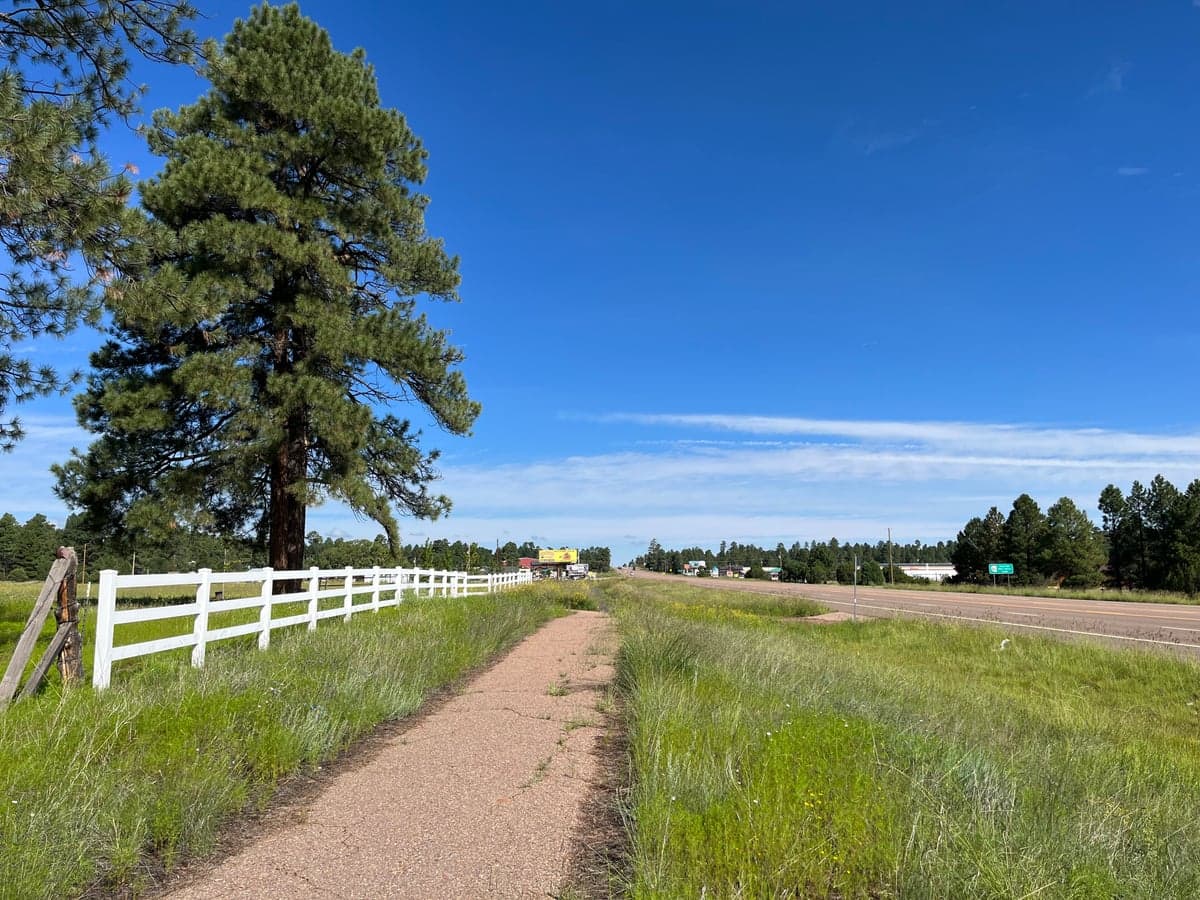
Heber, Arizona, is a small, tightly knit mountain community of 3,216 residents, characterized by its overwhelmingly White (89.3%) and native-born (0.0% foreign-born) population. With a notably low college attainment rate of 9.4% and a modest Hispanic presence at 5.3%, the town retains a distinctly rural, working-class identity rooted in its timber and ranching heritage. The population is older and more homogenous than the state average, creating a quiet, insular atmosphere that appeals to those seeking a slower pace of life away from Arizona’s booming Sun Belt corridors.
How the city was settled and grew
Heber’s human history begins not with Spanish or Mormon pioneers, but with the Apache and Yavapai peoples who used the Mogollon Rim’s forests for seasonal hunting. Permanent Anglo-American settlement began in the 1880s, driven by the timber industry and the arrival of the railroad. The first wave of settlers—primarily of Northern European descent—homesteaded along the Little Colorado River and built the town’s earliest core in what is now Old Town Heber, centered around the original general store and post office. By the early 1900s, a second wave of ranchers and loggers established the Mogollon Rim Ranches area, a loose collection of homesteads along the rim’s edge. These early residents were almost entirely White, drawn by cheap land and the promise of steady work in the region’s sawmills. The town’s population remained tiny—under 500—through the 1950s, with no significant non-White settlement during this period. The Heber-Overgaard area, often treated as a single community, saw its first modest subdivision, Ponderosa Pines, platted in the 1940s for summer cabins, but year-round residents remained scarce.
Modern era (post-1965)
The post-1965 era brought little demographic change to Heber, as the town was largely bypassed by the immigration waves that reshaped Phoenix and Tucson. The 1970s and 1980s saw a slow trickle of domestic in-migration, primarily White retirees and second-home buyers from California and the Phoenix metro area. These newcomers concentrated in newer subdivisions like Wilderness Pines and Shadow Mountain, which offered larger lots and forested views. The Hispanic population, which today stands at 5.3%, grew modestly during this period, largely through families working in the region’s remaining timber and service industries. These households settled primarily in the Heber Heights area, a lower-cost neighborhood near the town’s main commercial strip. The Black, Asian, and Indian populations remain at 0.0%, reflecting the town’s lack of economic diversity and limited job opportunities beyond seasonal tourism and ranching. The college-educated share—just 9.4%—underscores the working-class character of the population, with most residents holding high school diplomas or trade certifications.
The future
Heber’s population is projected to remain stable or grow slowly, with no major shifts in racial or ethnic composition expected. The town’s zero percent foreign-born rate and negligible non-White populations suggest it will continue to be one of Arizona’s most homogenous communities. New development is likely to concentrate in the Mogollon Rim Estates area, a newer subdivision targeting out-of-state retirees and remote workers seeking forested acreage. The Hispanic share may inch upward as service-sector workers seek affordable housing, but the overall cultural identity will remain deeply rooted in rural, Anglo-American traditions. The lack of a college-educated workforce and the absence of major employers mean Heber will not attract the diverse, knowledge-economy migrants reshaping Flagstaff or Prescott. Instead, the town will likely become slightly older and more reliant on tourism and second-home construction.
For someone moving in now, Heber offers a stable, predictable community where the population is overwhelmingly White, native-born, and working-class. The town is not becoming more diverse or cosmopolitan; it is doubling down on its identity as a quiet, forested retreat for those who value isolation and homogeneity. New residents should expect a place where change comes slowly, and where the social fabric remains tightly woven around family, church, and outdoor recreation.

* Values derived from national, state, county, city and local statistics and may differ in a specific area. Last updated: 2026-11-24T18:17:49.000Z
Narrative content on this page is AI-generated and may contain mistakes. Verify any details that matter before acting on them.
ReloMaps may earn a commission from affiliate links at no extra cost to you.

