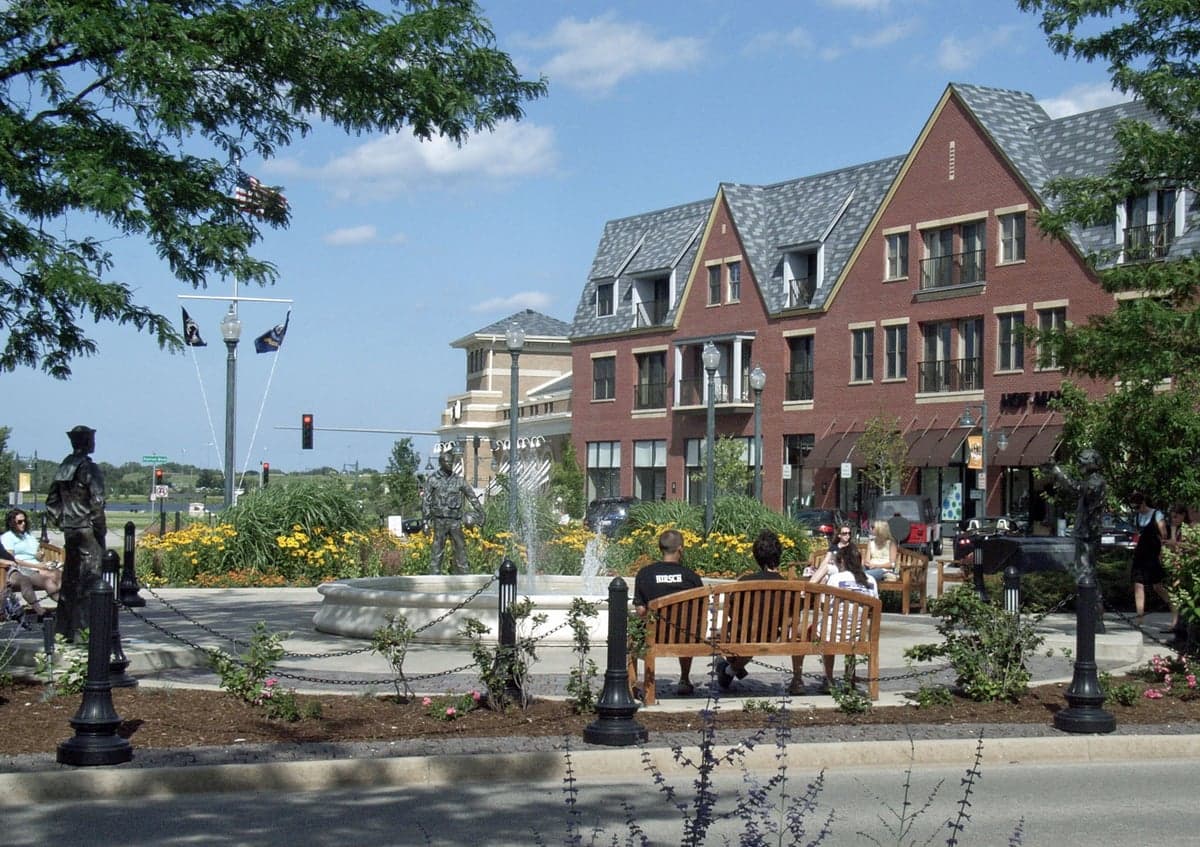
Photo: Wikipedia
Strategic Assessment of Glenview, IL
Multiple tactical vulnerabilities. Population density, target proximity, or disaster risk are likely compounding. A retreat property and exit planning is required.
What does the Strategic Assessment tell us?
Our Strategic Assessment grades tactical survivability of an area. Major population centers, military targets, fallout zones, natural disasters, and border exposure all drive risk — lower exposure means a more defensible position in a crisis.
This is heavily inspired by Joel Skousen's Strategic Relocation book. Highly recommended you checkout the book ($)What does this tell us?
Our Strategic Assessment grades tactical survivability of an area. Major population centers, military targets, fallout zones, natural disasters, and border exposure all drive risk — lower exposure means a more defensible position in a crisis.
This is heavily inspired by Joel Skousen's Strategic Relocation book. Highly recommended you checkout the book ($)Strategic Pillars

Key Distances
Regional Safe Places
Below is our recommended "safe zones" in Illinois and the surrounding area based on our strategic heuristics. For most people, it's unrealistic to live in a “safe zone” full-time due to work, family or other personal reasons. They tend to be more rural. However, many of these areas are perfect for second homes and retreat properties that double as a vacation home or even a short-term rental.
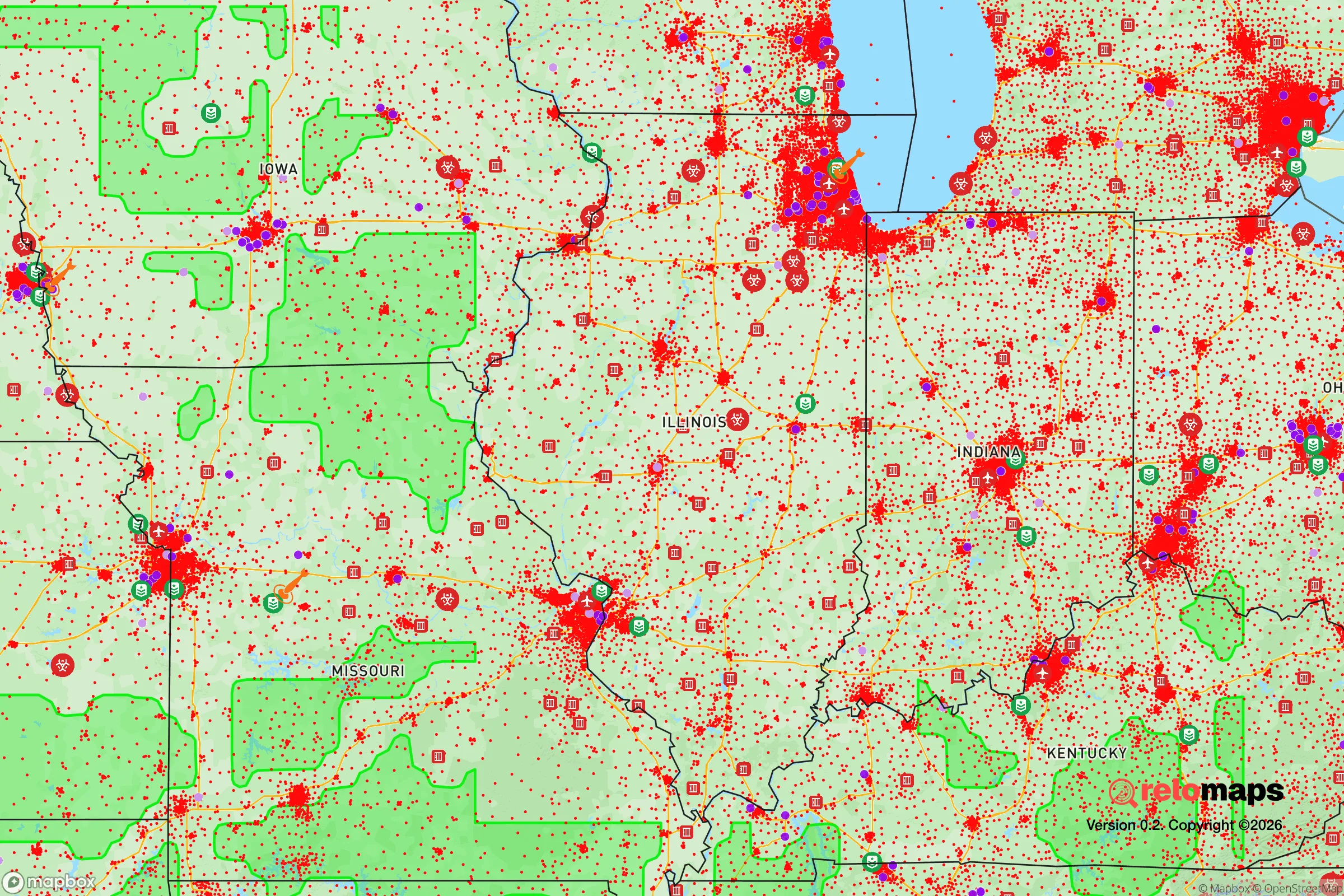
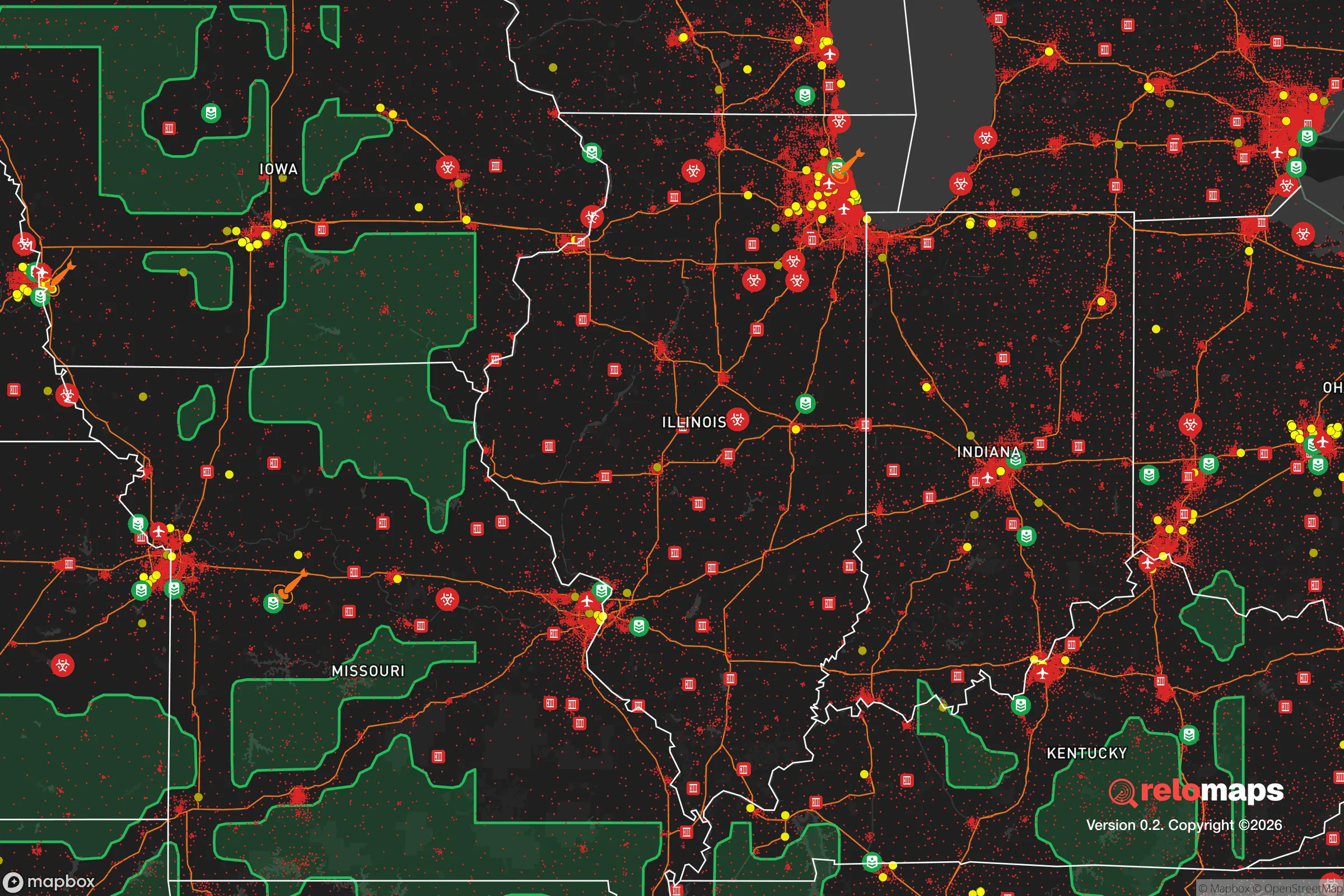


Important Note: For informational purposes only. This does not mean nothing bad ever happens in the green zones. Please use common sense. This is based on public data and modeled with AI. We tried to take a conservative approach but mistakes happen. We update this regularly as new information becomes available.
Solar Generator Recommendations
Backup power matters more here than in safer locations. We've picked three solar generators across budgets and capacity tiers — start with the budget unit if you only need a few essentials, or step up if you want to run a fridge and HVAC for days at a time.

Jackery Portable Power Station Explorer 300
Budget OptionPower on the Go: Weighing only 11 lbs, it's convenient to set up and store with book-sized foldable solar panels

BLUETTI Portable Power Station AC180
Designed for both indoor and outdoor scenarios, AC180 is highly capable as it has a robost capacity and continuous output power.

EF ECOFLOW DELTA Pro Ultra Power Station
Upgraded PickEcoFlow DELTA Pro Ultra is a whole-home energy system designed to grow with your family. Integrated with the Smart Home Panel 2, it scales to meet your evolving energy needs — keeping your home powered, intelligent, and secure through every stage of life.
We earn a commission, at no additional cost to you.
Strategic Assessment Analysis
Glenview, Illinois, presents a mixed strategic picture for the conservative prepper. It offers genuine resilience advantages—strong local governance, a robust tax base, and a community ethos that leans toward self-reliance—but its position as a wealthy Chicago suburb places it directly in the blast radius of any major urban disruption. For the relocator weighing long-term security against short-term convenience, Glenview is a calculated compromise: defensible in a slow-burn crisis, but vulnerable in a sudden, large-scale event. The key is understanding that this is not a retreat; it is a forward operating base with good logistics and moderate exposure.
Geographic position and natural advantages for long-term security
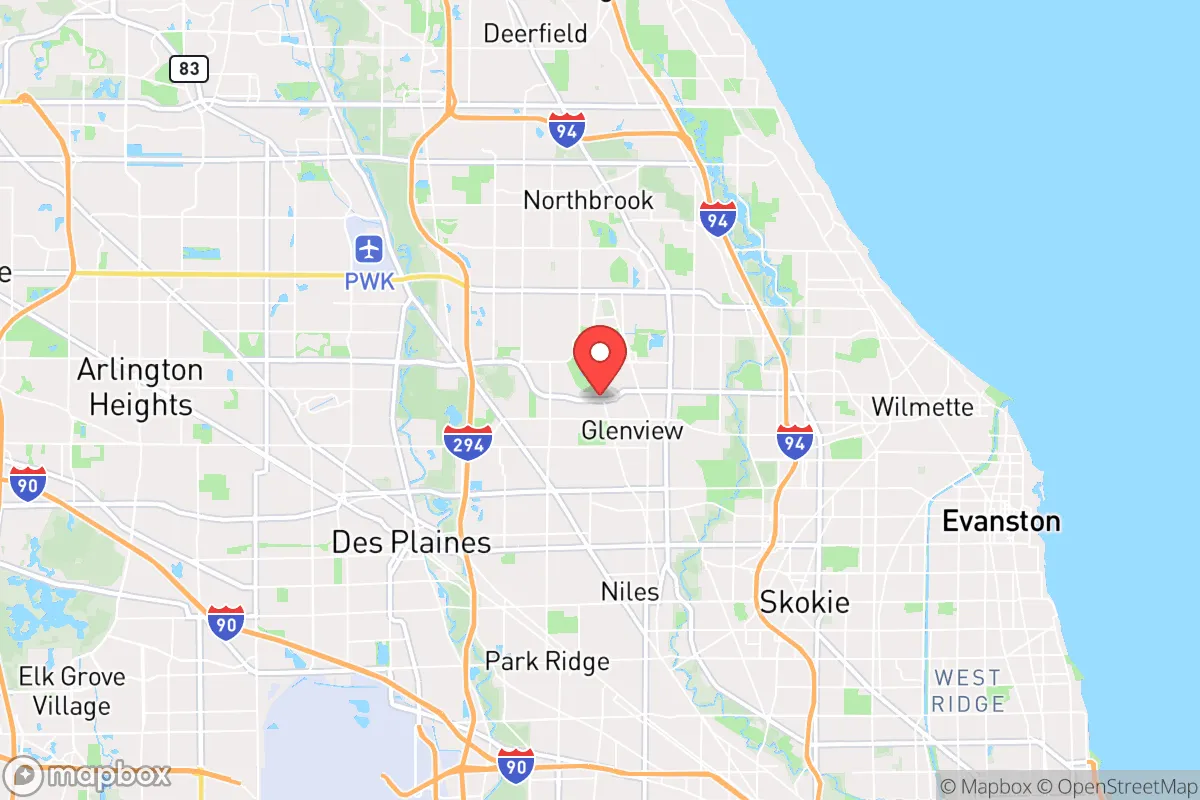
Glenview sits roughly 20 miles northwest of downtown Chicago, a location that provides both buffer and burden. The area benefits from the natural drainage and flat terrain of the Lake Michigan plain, which means no floodplain risks from major rivers and no wildfire corridors—two of the most common natural disaster threats in the Midwest. The village is surrounded by a patchwork of forest preserves, including the 1,500-acre Glenview Woods and the adjacent Cook County Forest Preserve system, which offer game habitat, forage potential, and natural cover for movement. The proximity to Lake Michigan (about 10 miles east) is a double-edged sword: it provides an immense freshwater resource, but also places Glenview within the primary water supply infrastructure for the entire Chicago metro area, making it a target for any disruption to that system. The local water table is high, and many homes have private wells or access to shallow aquifers, which is a significant plus for off-grid water security. The terrain is mostly flat with gentle rises, offering no natural defensive high ground, but the dense suburban tree canopy and winding residential streets create a natural maze that slows vehicular movement and provides cover for foot patrols. The area's position relative to major highways—I-94, I-294, and I-90—is a tactical liability: these are evacuation corridors that will clog instantly in a crisis, but they also provide multiple egress routes if you know the secondary roads. The Glenview Naval Air Station, now largely decommissioned and redeveloped as a business park, still has a functioning runway and hangar space that could be commandeered by federal or state authorities in an emergency, which is both a potential asset and a risk depending on the nature of the disruption.
Risks, exposures, and proximity to fallout-relevant landmarks
The single greatest strategic vulnerability for Glenview is its location within the Chicago metropolitan statistical area, home to nearly 9.5 million people. In any mass casualty event—whether natural, economic, or civil—the population density of the region will create a cascading crisis of refugees, resource competition, and infrastructure collapse. Glenview is directly downwind of the O'Hare International Airport complex (about 8 miles south), which is a primary target for any airborne biological or chemical release, and the Argonne National Laboratory (about 20 miles southwest) is a high-value target for sabotage or accident. The area is also within the fallout zone of the Braidwood and Byron nuclear power plants (about 50 and 70 miles southwest and west, respectively), though prevailing winds typically carry fallout east and northeast, away from Glenview. More immediately concerning is the proximity to the Cook County Department of Corrections (the jail complex at 26th and California) and the Chicago Police Department headquarters—both are likely flashpoints for civil unrest that could spill into the suburbs. The village itself has a low crime rate and a well-funded police department (over 100 sworn officers for a population of 45,000), but in a regional collapse, that force will be stretched thin. The Glenview Public Safety Department operates its own dispatch and emergency management, which is a plus for coordination, but the village is not walled or gated, and the residential streets connect directly to the larger suburban grid. The presence of several large corporate campuses—including the headquarters of Illinois Tool Works and the North Shore corporate corridor—means that any economic collapse or targeted disruption will hit local employment hard. The area's reliance on the electrical grid is a concern: the local substations are above-ground and vulnerable to sabotage or weather, and there is no municipal backup power for residential areas. Natural gas is the primary heating fuel, and while the local distribution network is robust, a prolonged outage would leave homes without heat in winter, which is a real risk given Chicago's harsh winters.
Practical resilience for a relocator: food, water, energy, and defensibility
For the relocator focused on practical preparedness, Glenview offers a mixed bag. Water security is the strongest point: the village draws from Lake Michigan via the Chicago water system, but many homes in the older sections of town have private wells, and the shallow aquifer is accessible with a hand pump. The Glenview Water Reclamation Plant treats wastewater, but in a grid-down scenario, that facility will fail, so a septic system or composting toilet is essential. Food security is moderate: there are several large grocery chains (Jewel-Osco, Mariano's, Whole Foods) within a 10-minute drive, but these will be stripped within hours of a crisis announcement. The Glenview Farmers Market runs seasonally, and there are a handful of community gardens, but the area is not agricultural—the nearest working farms are in Lake County, about 15 miles north. For long-term food storage, a basement or root cellar is common in older homes, and the climate allows for cold storage of root vegetables for several months. Energy resilience is a weak point: the grid is reliable in normal times, but there is no municipal microgrid or community solar program. Solar panels are feasible (the area gets about 190 sunny days per year), but most homes are not pre-wired for backup power. A whole-house generator is a wise investment, and propane tanks are common for grilling but not typically sized for home heating. Defensibility is situational: Glenview is a classic suburban grid of cul-de-sacs and arterial roads, which makes it easy to navigate but hard to defend. The best defensive posture is a home on a corner lot with clear sightlines, or a property backing onto a forest preserve for a quick escape. The village has a strong neighborhood watch program and a community emergency response team (CERT), which is a force multiplier for local security. The Glenview Police Department has a mutual aid agreement with surrounding suburbs, but in a regional crisis, those resources will be committed elsewhere. The local hospital, Glenbrook Hospital (part of NorthShore University HealthSystem), is a level II trauma center with a helipad, but it will be overwhelmed in any mass casualty event. The village's proximity to the Chicago Executive Airport (about 5 miles east) is a double-edged sword: it provides a potential evacuation point by air, but it also makes the area a target for anyone seeking to commandeer aircraft.
The overall strategic picture for Glenview is one of calculated risk. It is not a survivalist retreat—it is a suburb with good bones for weathering a slow-motion crisis, but it will be a dangerous place in a sudden, large-scale event. The conservative prepper who chooses Glenview should focus on building a resilient home base: a well-stocked pantry, a reliable water source, a backup power system, and a plan for self-defense that does not rely on local law enforcement. The area's strengths—good governance, low crime, strong community ties, and access to natural resources—make it a viable option for the relocator who wants to stay connected to the broader economy while maintaining a prepared posture. But the proximity to Chicago and its associated vulnerabilities means that the smart move is to treat Glenview as a base of operations, not a final redoubt. Have a bug-out plan for the Upper Peninsula or rural Wisconsin, and keep your go-bag ready. In a world of increasing uncertainty, Glenview is a solid B+—good enough for the long haul, but not a place to bet your life on in a worst-case scenario.

* Values derived from national, state, county, city and local statistics and may differ in a specific area. Last updated: 2026-04-19T19:56:08.000Z
Narrative content on this page is AI-generated and may contain mistakes. Verify any details that matter before acting on them.
ReloMaps may earn a commission from affiliate links at no extra cost to you.

