Demographics of Glenbrook, NV
Affluence Level in Glenbrook, NV
An elite concentration of wealth — high incomes, strong home values, advanced degrees, and minimal poverty signal a top-tier socioeconomic profile.
People of Glenbrook, NV
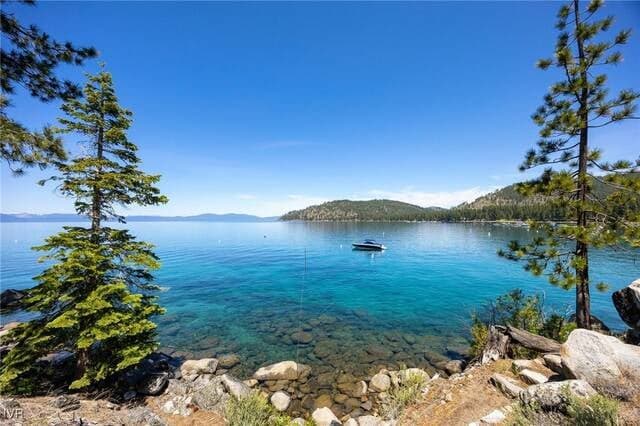
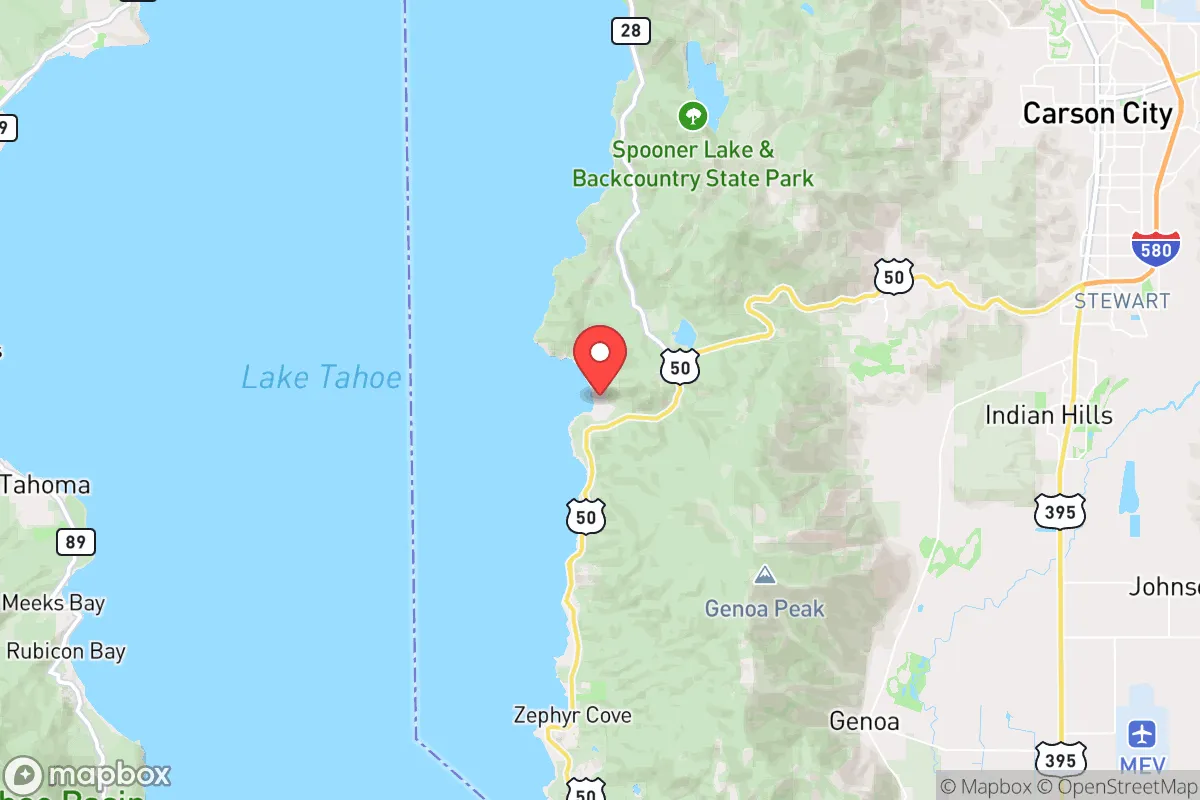
Glenbrook, Nevada, is a tiny, exceptionally homogeneous lakeside community of 274 residents on the eastern shore of Lake Tahoe. The population is entirely white (100.0%) and native-born (0.0% foreign-born), with a strikingly high college attainment rate of 72.5%. Its character is defined by generational wealth, privacy, and a seasonal rhythm driven by second-home owners and retirees, making it one of the most demographically uniform places in the Tahoe Basin.
How the city was settled and grew
Glenbrook’s human history begins not with a town, but with a single industry: logging. In the 1860s, the Comstock Lode’s insatiable demand for timber drew the first permanent residents—mostly white, native-born laborers of Northern European descent—to the east shore of Lake Tahoe. The Glenbrook area became the site of a major sawmill operation, and the small settlement that grew around it was named after the glen and creek that fed the lake. The original workers lived in rough cabins clustered near the mill site, an area now largely subsumed by private estates along Glenbrook Creek and the shoreline. By the 1890s, the timber boom had collapsed, and the population dwindled to a handful of caretakers and ranchers. Unlike many Western towns, Glenbrook saw no subsequent wave of mining or railroad settlement; it remained a sparsely inhabited, seasonal outpost for decades.
Modern era (post-1965)
The modern transformation of Glenbrook began in the 1960s and 1970s, when wealthy families from the San Francisco Bay Area and Reno discovered the east shore’s relative seclusion. The passage of the 1965 Hart-Cellar Act had no measurable effect here—Glenbrook’s foreign-born population remains zero. Instead, domestic in-migration of affluent, white professionals reshaped the community. Large vacation homes and estates replaced the old logging cabins, particularly in the Glenbrook Highlands and Lake Shore Drive neighborhoods, where properties command multi-million-dollar valuations. The Glenbrook Club, a private homeowners’ association founded in the 1960s, became the social and geographic anchor, with its own beach, tennis courts, and pier. By the 1990s, the year-round population had stabilized at roughly 250–300, almost entirely composed of white, college-educated retirees and second-home owners. The North Canyon Road corridor and the Upper Glenbrook area, which sit at higher elevations away from the lake, absorbed the few year-round residents who work in service roles for the estate owners, though even these pockets remain overwhelmingly white.
The future
Glenbrook’s demographic trajectory points toward continued homogeneity and slow, controlled decline in year-round population. The 0.0% foreign-born and 0.0% Hispanic figures are not anomalies—they reflect a community with no rental housing stock, no multi-family zoning, and no economic engine beyond private wealth. The median age is likely well above the national average, as younger families are priced out by $2 million+ entry-level homes. The Glenbrook Village area, a small cluster of historic buildings near the lake, has seen no new residential development in decades. Over the next 10–20 years, the population will likely shrink slightly as older owners pass away and their heirs sell to similarly affluent, white buyers from California or Nevada. There is no mechanism for demographic diversification: no new industry, no affordable housing, and no public transit connecting Glenbrook to the more diverse communities of South Lake Tahoe or Carson City. The community is not tribalizing into enclaves—it is simply aging in place as a single, exclusive enclave.
For someone moving in now, Glenbrook offers a stable, predictable, and deeply private environment where demographic change is essentially nonexistent. It is a place for those who prioritize seclusion, natural beauty, and a like-minded, high-net-worth peer group over diversity or urban amenities. The population will remain small, white, and native-born for the foreseeable future, with no signs of the growth or diversification reshaping other parts of the Tahoe Basin.

* Values derived from national, state, county, city and local statistics and may differ in a specific area. Last updated: 2026-04-23T04:14:55.000Z
Narrative content on this page is AI-generated and may contain mistakes. Verify any details that matter before acting on them.
ReloMaps may earn a commission from affiliate links at no extra cost to you.

