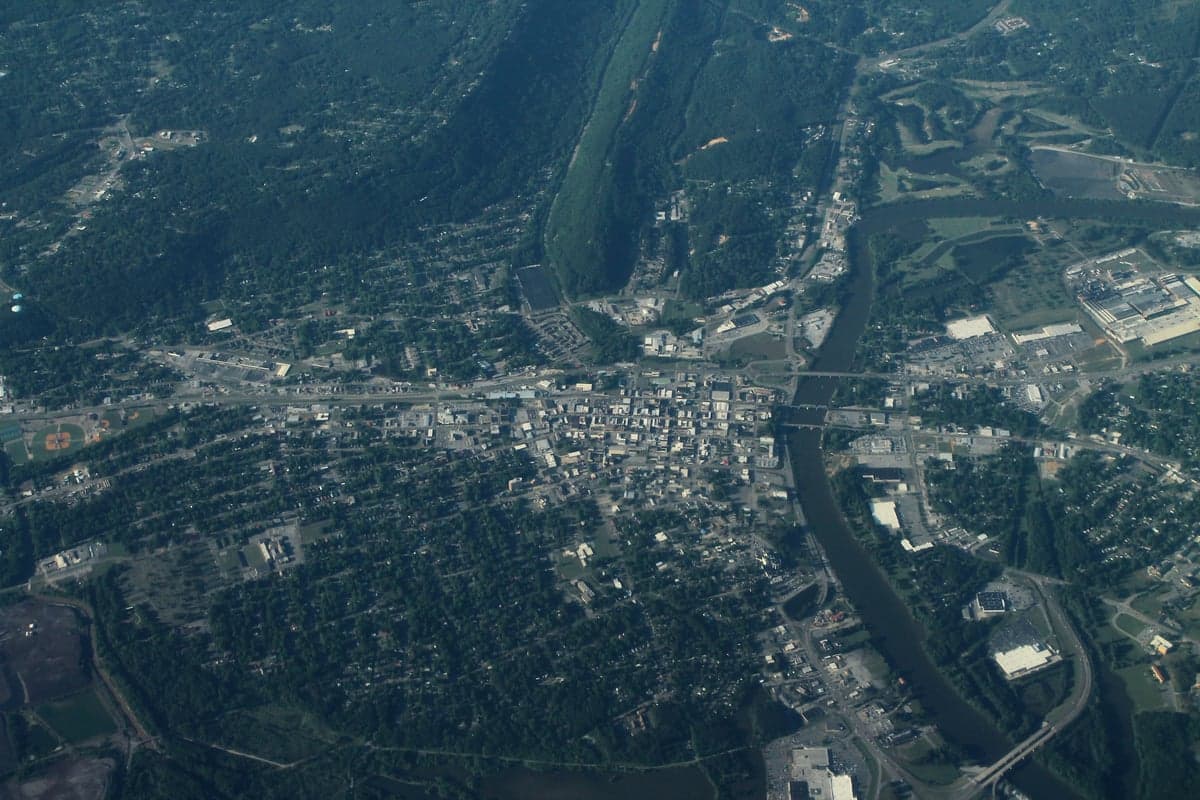
Photo: Wikipedia
Quality of Life in Gadsden, AL
A high quality of life with strong walkability, manageable living costs, healthy neighborhood signals, and solid amenity access.
What does Quality of Life tell us?
Quality of Life blends cost of living, nearby amenities, socioeconomic signals, and neighborhood character. City-level scores represent the whole municipality; individual neighborhoods can differ.
What does this tell us?
Quality of Life blends cost of living, nearby amenities, socioeconomic signals, and neighborhood character. City-level scores represent the whole municipality; individual neighborhoods can differ.
Cost of Living
45% below national average
The Real Cost of Living in Gadsden, AL for 2026
| Tier | Individual | Family (4) |
|---|---|---|
| Survival | $13k | $24k |
| Comfortable | $21k | $31k |
| Luxury | $70k+ | $108k+ |
| Elite (Top 5%) | $94k+ | $145k+ |
125%
The Area Signal
A metric tracking the socioeconomic signals of the area.


Hobbies
Explore the areaGroceries
2 within 10 miles
Gas
0 within 10 miles
Hospital
3 within 20 miles
Airport
ATL — Hartsfield–Jackson Atlanta International
Post Office
USPS — Gadsden, AL
Critical Amenities
Quality-of-Life Analysis
Gadsden, Alabama, offers a notably low cost of living that attracts a mix of retirees, young families, and workers in manufacturing and healthcare, though the area's median household income of roughly $42,000 sits below the national average. The city's affordability is a primary draw, but this comes with trade-offs in terms of local amenities and economic opportunity compared to larger metros like Birmingham or Huntsville. The population of about 35,000 is predominantly working-class, with a significant portion employed by major local employers such as Gadsden Regional Medical Center, the Gadsden City Schools system, and nearby automotive suppliers like Hyundai and Mercedes-Benz suppliers in the broader Etowah County area.
How affordable is Gadsden compared to Birmingham or Huntsville?
Gadsden's cost of living index of 55 (where 100 equals the U.S. average) makes it one of the most affordable cities in Alabama, significantly cheaper than both Birmingham (index ~85) and Huntsville (index ~95). The median home value of $101,900 is roughly half the national median, and the median rent of $787 is well below the state average of around $950. For context, a comparable home in Birmingham's suburbs might cost $220,000, while in Huntsville's tech-driven market, prices often exceed $300,000. The average commute time of 19.4 minutes is notably short, reflecting the city's compact layout and limited traffic congestion—a sharp contrast to the 25- to 30-minute commutes common in Alabama's larger metros. However, property taxes remain low (Etowah County's rate is about 0.4% of assessed value), and utility costs are below the national average, further stretching household budgets.
What daily life is like for families and retirees in Gadsden
Daily life in Gadsden centers on a slower, more community-oriented rhythm, with the Coosa River and nearby Noccalula Falls Park providing outdoor recreation. The Gadsden City Schools system serves about 7,500 students, with Gadsden City High School offering career-tech programs in partnership with local industries, though test scores lag behind state averages. For healthcare, Gadsden Regional Medical Center (a 346-bed facility) and Riverview Regional Medical Center cover most needs, but specialized care often requires a 60-mile drive to Birmingham. Shopping and dining are concentrated along Rainbow Drive and in the Gadsden Mall area, with a mix of national chains and local spots like the Back Forty Beer Company. The city lacks a major university, though Gadsden State Community College provides associate degrees and workforce training. Cultural amenities include the Mary G. Hardin Center for Cultural Arts and the annual Riverfest music festival, but residents typically travel to Birmingham for concerts, professional sports, or fine dining.
Gadsden is best suited for those who prioritize low housing costs and a short commute over access to high-end amenities or rapid career growth. Retirees on fixed incomes and remote workers who can leverage the area's low cost of living while earning outside wages will find the most value here. Families should weigh the affordable housing against the school system's performance, while manufacturing and healthcare workers will appreciate the proximity to stable employers. For anyone seeking a quiet, budget-friendly base within an hour of Birmingham's urban resources, Gadsden offers a practical, if modest, quality of life.

Crime in Gadsden, AL
Higher crime rates than 63% of comparable U.S. locations.
Violent CrimeViolent Crime Analysis
Property CrimeProperty Crime Analysis
Crime Analysis
Gadsden, Alabama, presents a crime and safety profile that demands careful consideration from potential residents. The city's violent crime rate stands at 395.2 incidents per 100,000 residents, while property crime occurs at a rate of 2,158.4 per 100,000. These figures place Gadsden above both state and national averages, indicating a higher-than-desirable risk environment that should be weighed against the city's lower cost of living and community assets.
Crime in context
To understand Gadsden's safety landscape, it is essential to compare its rates to broader benchmarks. The national average for violent crime is approximately 380 per 100,000, while Alabama's state average hovers around 445 per 100,000. Gadsden's violent crime rate of 395.2 per 100,000 sits slightly above the national figure but below the state average. However, property crime tells a more concerning story. The national property crime rate is roughly 1,950 per 100,000, and Alabama's is about 2,300 per 100,000. Gadsden's property crime rate of 2,158.4 per 100,000 is higher than the national average and nearly on par with the state's elevated rate. This suggests that theft, burglary, and motor vehicle theft are persistent issues, likely driven by economic factors and, in some cases, by lenient local justice policies that fail to deter repeat offenders.
What residents experience
For those living in Gadsden, the statistical risk translates into tangible daily concerns. Violent crime, while less frequent than property crime, includes aggravated assault as the most common category, with robbery and rape occurring at rates that exceed the national median. Property crime is the more immediate threat, with residents reporting frequent vehicle break-ins, residential burglaries, and theft from porches or yards. The city's proximity to Interstate 59 contributes to transient criminal activity, as offenders can quickly move in and out of the area. Furthermore, the broader judicial environment in Etowah County and the state of Alabama—while not as progressive as in large metro areas—still faces scrutiny. In jurisdictions where district attorneys and judges adopt more lenient, offender-focused approaches, the result is often higher recidivism and reduced public safety. Gadsden residents should be aware that any shift toward progressive prosecution policies could exacerbate existing crime trends, as such ideologies prioritize offender rehabilitation over victim protection and public deterrence.
Neighborhood-level variation
Safety in Gadsden is not uniform across the city. The downtown core and areas along Broad Street and Meighan Boulevard experience higher concentrations of both violent and property crime, particularly near commercial zones and public housing complexes. In contrast, neighborhoods like East Gadsden and the Noccalula Falls area report lower crime rates, benefiting from more stable homeownership, stronger community watch programs, and less foot traffic from transient populations. The southern and western edges of the city, closer to the Coosa River and rural Etowah County, also tend to be safer. Prospective residents are advised to consult local police department crime maps and speak with current residents in specific subdivisions before committing to a move. While Gadsden offers affordable housing and a historic downtown, the crime data and potential for policy-driven increases in criminal activity make thorough neighborhood research a non-negotiable step.
* Values derived from national, state, county, city and local statistics and may differ in a specific area. Last updated: 2026-04-19T18:52:08.000Z
Narrative content on this page is AI-generated and may contain mistakes. Verify any details that matter before acting on them.
ReloMaps may earn a commission from affiliate links at no extra cost to you.

