Photo: Wikipedia
Quality of Life in Eureka, MT
A high quality of life with strong walkability, manageable living costs, healthy neighborhood signals, and solid amenity access.
What does Quality of Life tell us?
Quality of Life blends cost of living, nearby amenities, socioeconomic signals, and neighborhood character. City-level scores represent the whole municipality; individual neighborhoods can differ.
What does this tell us?
Quality of Life blends cost of living, nearby amenities, socioeconomic signals, and neighborhood character. City-level scores represent the whole municipality; individual neighborhoods can differ.
Cost of Living
23% below national average
The Real Cost of Living in Eureka, MT for 2026
| Tier | Individual | Family (4) |
|---|---|---|
| Survival | $16k | $30k |
| Comfortable | $33k | $49k |
| Luxury | $79k+ | $123k+ |
89%
The Area Signal
A metric tracking the socioeconomic signals of the area.
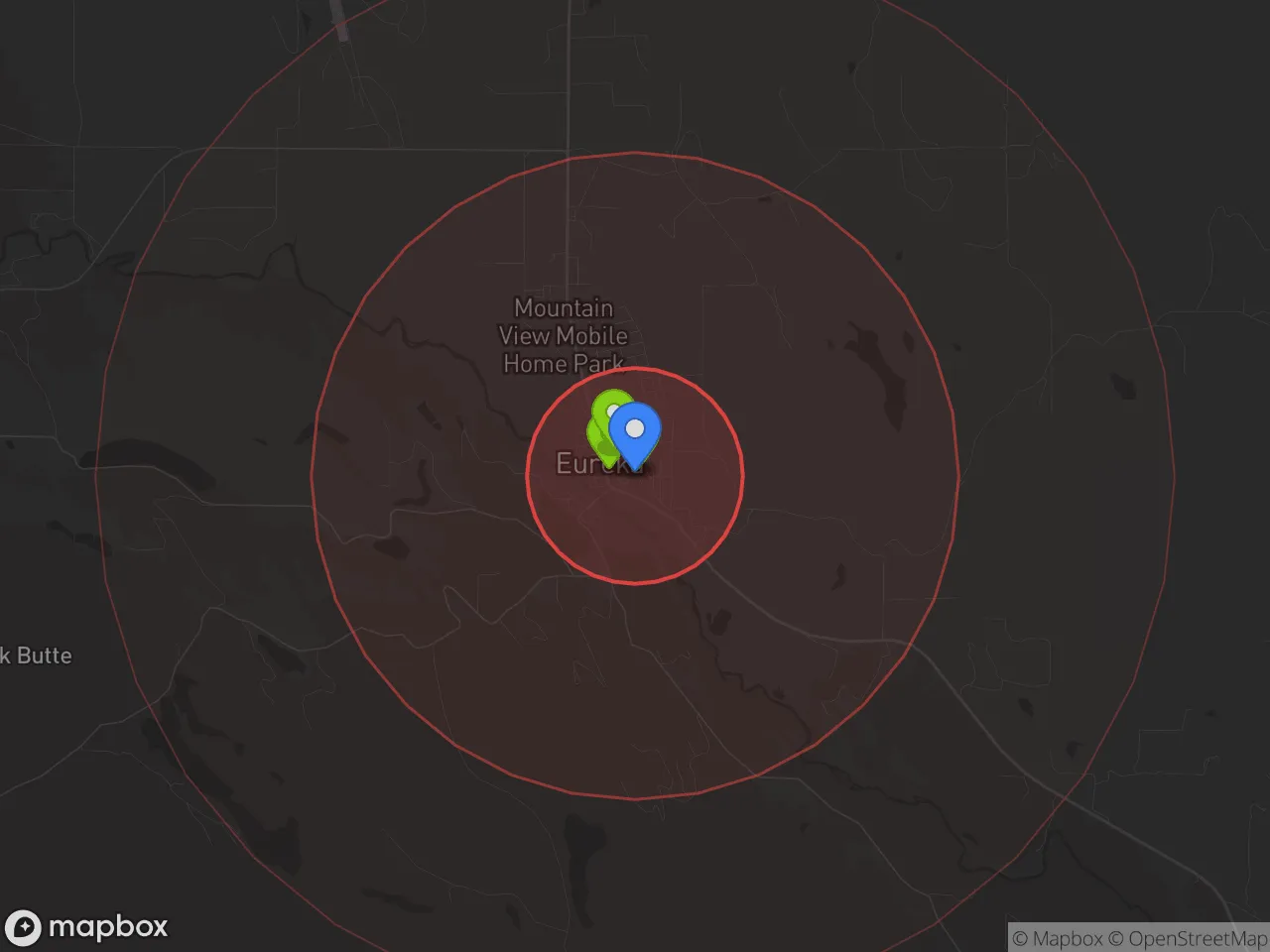
Hobbies
Explore the areaGroceries
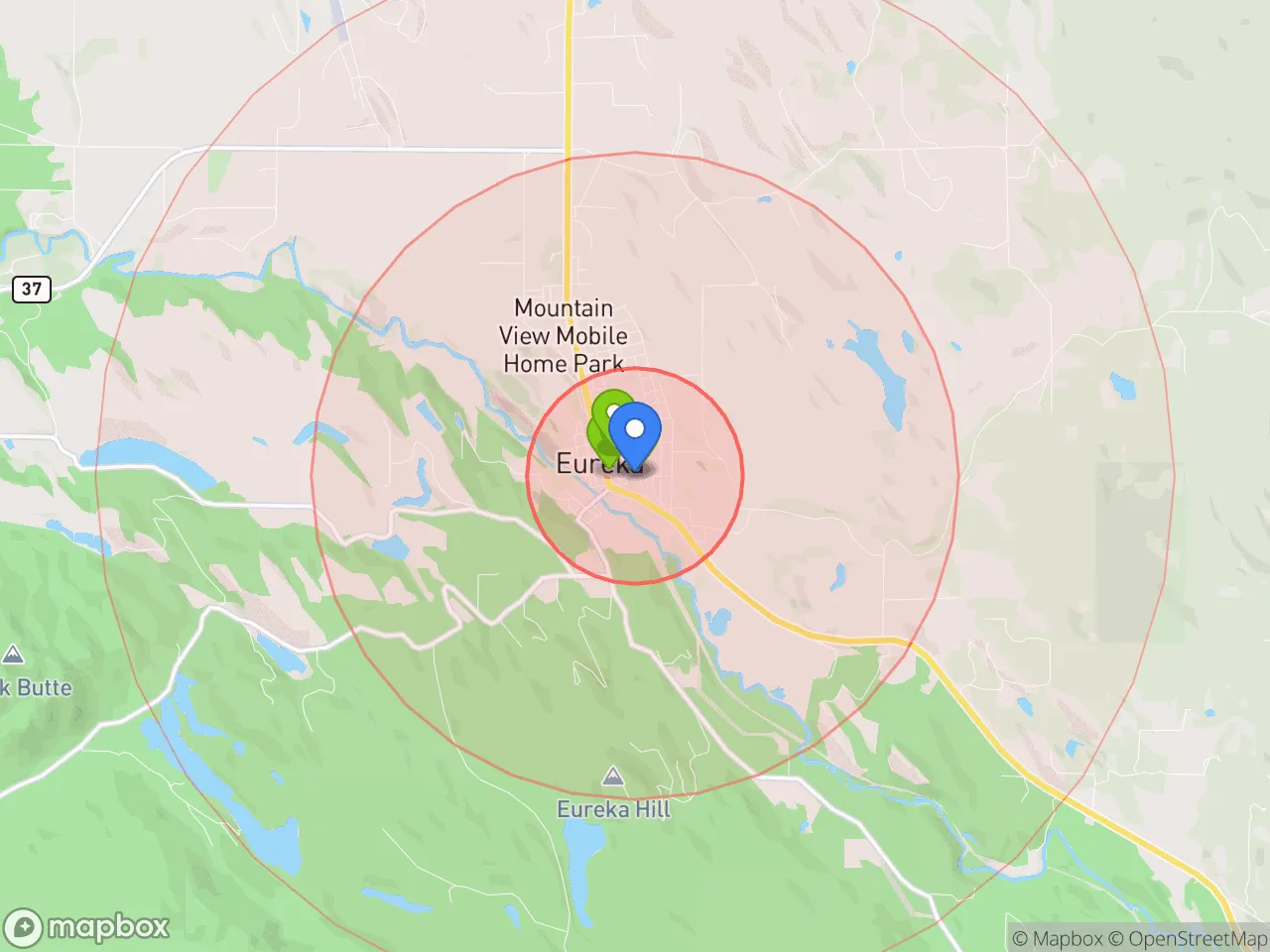
0 within 10 miles
Gas
1 within 10 miles
Hospital
0 within 20 miles
Airport
SEA — Seattle–Tacoma International
Post Office
USPS — Eureka, MT
Critical Amenities
Quality-of-Life Analysis
Eureka, Montana, presents a distinctive quality-of-life profile defined by its rural remoteness, modest affluence, and a population that values self-sufficiency and outdoor access over urban convenience. With a cost-of-living index of 77 (23% below the U.S. average), the town attracts a mix of retirees, remote workers, and tradespeople who prioritize affordability and space. The median household income hovers around the national median, but the low cost base means residents enjoy a higher effective standard of living than their nominal earnings might suggest, creating a community that is neither wealthy nor struggling, but quietly comfortable.
Cost of living, housing, and affordability compared to nearby areas
Eureka’s housing market is a standout draw. The median home value sits at $172,300, roughly half the national median and significantly below the Montana state average of approximately $350,000. Median rent is $1,012, making it one of the more affordable rental markets in Lincoln County. Compared to nearby Whitefish or Kalispell—where median home values exceed $500,000—Eureka offers a stark affordability advantage. However, this lower cost comes with trade-offs: the housing stock is older, with many homes built before 1980, and inventory is limited. The average commute of 19 minutes is notably short, reflecting the town’s compact layout and the fact that most residents work locally or remotely. For buyers, the key comparison is with Libby (30 miles south), where home values are similar but job opportunities are fewer. Eureka’s affordability is genuine, but it is not a bargain-hunter’s paradise—it is a reflection of the area’s isolation from major employment centers.
What daily life is like for families: amenities, schools, and local rhythm
Daily life in Eureka revolves around the outdoors and small-town routines. The town’s K-12 school system, part of the Eureka Public Schools district, serves roughly 600 students and maintains a student-teacher ratio of about 14:1, which is favorable compared to state averages. For families, the nearby Lake Koocanusa and Tobacco River provide year-round recreation—fishing, boating, and hiking in summer; snowmobiling and cross-country skiing in winter. Grocery and basic retail are covered by a local supermarket and a handful of shops, but for major purchases or specialized healthcare, residents drive 45 minutes to Kalispell or 90 minutes to Spokane, Washington. The town’s rhythm is slow: most businesses close by 6 p.m., and the social calendar centers on school sports, the county fair, and church gatherings. Internet access has improved with fiber-optic expansion, but speeds can be inconsistent in outlying areas. For families, the trade-off is clear: lower costs and outdoor access versus limited cultural amenities and longer drives for services.
Eureka is best suited for those who prioritize affordability, space, and outdoor recreation over urban amenities and career diversity. Retirees on fixed incomes, remote workers with stable internet, and families who value a tight-knit, low-stress environment will find the town a strong fit. Professionals seeking high-paying jobs, cultural diversity, or fast-paced social scenes should look elsewhere. The town’s quiet, self-reliant character rewards those who embrace its limitations—and punishes those who expect the conveniences of a larger city.

Crime in Eureka, MT
Lower crime rates than 92% of comparable U.S. locations.
Violent CrimeViolent Crime Analysis
Property CrimeProperty Crime Analysis
Crime Analysis
Eureka, Montana, is an exceptionally safe small town by national standards, with a violent crime rate of 0 per 100,000 residents — a figure that places it among the safest communities in the state. Property crime, however, occurs at a rate of 684.5 per 100,000, which is slightly above the national average for rural areas but well below the rates seen in Montana's larger cities like Billings or Missoula. For context, the national violent crime rate in 2024 was roughly 380 per 100,000, making Eureka's zero-violent-crime statistic a standout outlier.
Crime in context
Eureka's violent crime rate of zero is dramatically lower than both the Montana state average (approximately 300 per 100,000) and the U.S. national average. Property crime in Eureka, at 684.5 per 100,000, is roughly 20% higher than the Montana state average of about 570 per 100,000, but still significantly lower than the national average of approximately 1,950 per 100,000. The town benefits from its remote location in Lincoln County, near the Canadian border, which naturally limits the transient criminal activity common in larger urban centers. However, residents should be aware that property crime — primarily theft from vehicles and outbuildings — is the most common public safety issue.
What residents experience
Daily life in Eureka is characterized by a strong sense of security. Most residents report feeling safe walking alone at night, and the town's small population (roughly 1,600) means neighbors know one another. The Lincoln County Sheriff's Office and the Eureka Police Department maintain a visible presence, and response times are generally quick due to the town's compact geography. Property crime tends to be opportunistic — unlocked cars and sheds are the primary targets. Violent crime is virtually nonexistent, with no reported homicides, aggravated assaults, or robberies in recent years. This safety profile is a major draw for families and retirees relocating from higher-crime areas.
Neighborhood-level variation in Eureka is minimal. The downtown core and residential streets near the Kootenai River are equally safe, with no statistically significant crime hotspots. The most notable risk factor is proximity to U.S. Route 93, which sees occasional vehicle break-ins at trailheads and pull-offs. Overall, Eureka offers a safety profile that is rare in modern America, making it an attractive option for those prioritizing personal security and community cohesion.
* Values derived from national, state, county, city and local statistics and may differ in a specific area. Last updated: 2026-04-30T03:00:54.000Z
Narrative content on this page is AI-generated and may contain mistakes. Verify any details that matter before acting on them.
ReloMaps may earn a commission from affiliate links at no extra cost to you.

