
Photo by Joris Beugels on Unsplash
Quality of Life in Emmonak, AK
A high quality of life with strong walkability, manageable living costs, healthy neighborhood signals, and solid amenity access.
What does Quality of Life tell us?
Quality of Life blends cost of living, nearby amenities, socioeconomic signals, and neighborhood character. City-level scores represent the whole municipality; individual neighborhoods can differ.
What does this tell us?
Quality of Life blends cost of living, nearby amenities, socioeconomic signals, and neighborhood character. City-level scores represent the whole municipality; individual neighborhoods can differ.
Cost of Living
32% below national average
The Real Cost of Living in Emmonak, AK for 2026
| Tier | Individual | Family (4) |
|---|---|---|
| Survival | $16k | $30k |
| Comfortable | $26k | $38k |
| Luxury | $85k+ | $132k+ |
| Elite (Top 5%) | $100k+ | $155k+ |
146%
The Area Signal
A metric tracking the socioeconomic signals of the area.


Limited data for this area
Limited data for this area
Hobbies
Explore the areaGroceries
2 within 10 miles
Gas
0 within 10 miles
Hospital
0 within 20 miles
Airport
Emmonak Airport
Post Office
USPS — Emmonak, AK
Critical Amenities
Quality-of-Life Analysis
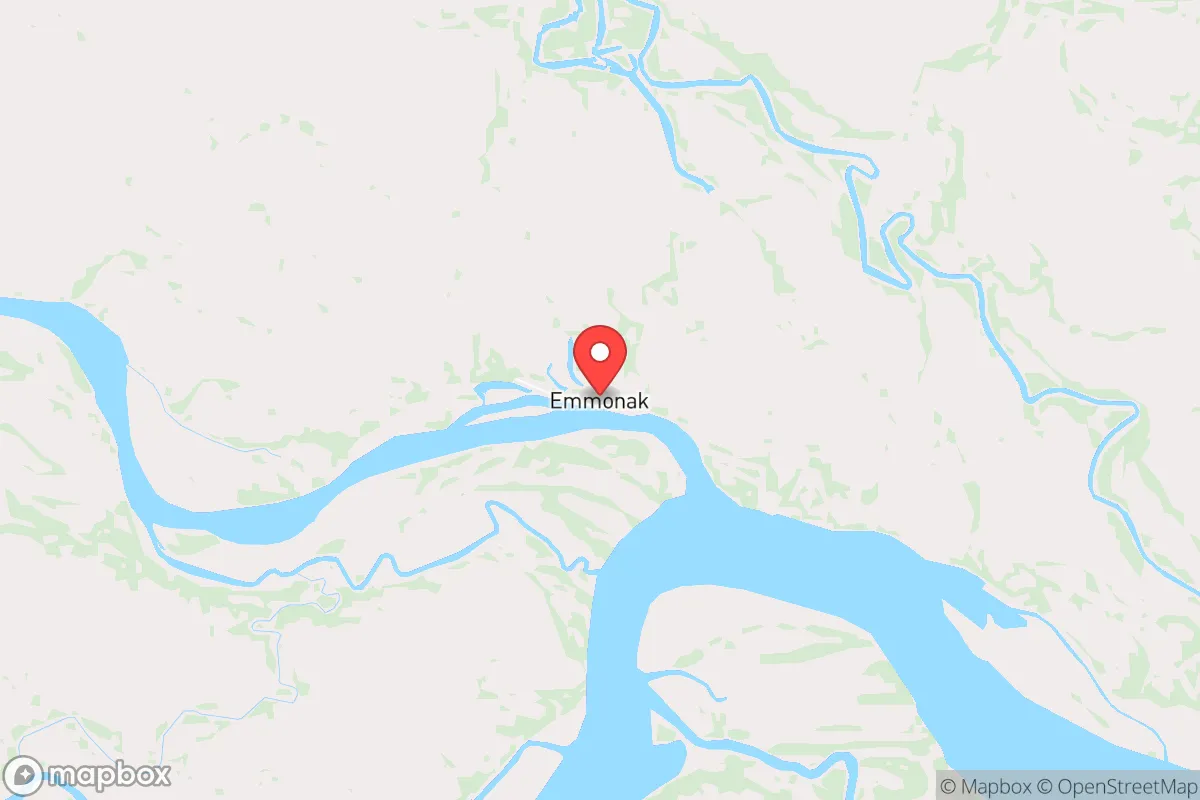
Emmonak, a remote Yup’ik village on the Yukon River delta in western Alaska, presents a quality of life that is both economically modest and culturally rich, standing in stark contrast to the affluence of urban Alaska. With a cost of living index of 68—32% below the national average—the community is predominantly composed of Alaska Native families, subsistence hunters, and commercial fishermen, rather than high-income professionals. Median household incomes hover around $40,000, reflecting a tight-knit, resource-based economy where traditional practices like salmon fishing and berry picking are as vital as cash wages.
Cost of living, housing affordability, and how Emmonak compares to nearby areas
Emmonak’s cost of living is significantly lower than the U.S. average, but this figure masks the high expense of imported goods and fuel. The median home value of $116,500 is remarkably affordable compared to Alaska’s statewide median of roughly $340,000, and far below the Bethel area’s median of $250,000. Median rent of $1,006 is moderate for rural Alaska but still consumes about 30% of a typical local income. Housing stock is limited—many homes are older, government-built units—and new construction is rare due to logistical challenges. Compared to the hub community of Bethel (150 miles east), Emmonak offers cheaper housing but fewer rental options and no road access, relying instead on barge and air service for supplies. Utility costs, especially heating fuel, can spike in winter, offsetting some housing savings.
Local amenities, schools, and what daily life is like for families
Daily life in Emmonak revolves around subsistence activities, community events, and the rhythms of the Yukon River. The village has a small grocery store, a post office, a health clinic, and a school (Emmonak School, serving grades K-12 with about 200 students). Amenities common in urban areas—restaurants, movie theaters, or shopping malls—are absent; residents rely on mail-order or trips to Bethel for major purchases. The school is a central hub, hosting basketball games, potlatches, and cultural programs. Internet access is available but can be slow and expensive. For families, the pace is slower and more communal: children learn fishing and trapping alongside academics, and elders are deeply respected. The lack of roads means travel is by boat in summer, snowmachine in winter, or small plane year-round, which shapes a self-reliant, outdoor-oriented lifestyle.
Emmonak is best suited for individuals and families who value cultural immersion, subsistence living, and a close community over material amenities. Those who thrive here are often Alaska Natives returning to their ancestral village, educators or healthcare workers drawn to rural service, or outdoor enthusiasts willing to adapt to extreme isolation and weather. The low cost of housing and land is a genuine draw, but the trade-offs—limited goods, high shipping costs, and no road connection—require a resilient, resourceful mindset. For anyone seeking a quiet, traditional life deeply tied to the land and river, Emmonak offers a quality of life that is affordable, authentic, and profoundly different from the Lower 48.

Crime in Emmonak, AK
Higher crime rates than 66% of comparable U.S. locations.
Violent CrimeViolent Crime Analysis
Property CrimeProperty Crime Analysis
Crime Analysis
Emmonak, a remote Yup'ik community on Alaska's Yukon River delta, presents a crime and safety picture that is markedly different from both the national average and the state's larger urban centers. With a violent crime rate of 726.6 per 100,000 residents and a property crime rate of 1,909.5 per 100,000, the village faces significant public safety challenges that are deeply intertwined with its geographic isolation, limited law enforcement resources, and socioeconomic conditions.
Crime in context
Emmonak's violent crime rate is nearly double the national average of approximately 380 per 100,000, and substantially higher than Alaska's statewide rate of roughly 640 per 100,000. The property crime rate, while elevated, is closer to the national average of about 1,950 per 100,000 but still exceeds the typical rate for rural Alaska villages. These figures are especially concerning given the community's small population—around 800 residents—meaning that a handful of incidents can dramatically skew the per-capita statistics. The Alaska Department of Public Safety and the Emmonak Police Department, which operates with a small number of officers, are the primary law enforcement entities, but response times can be delayed due to the village's remote location and reliance on air travel for serious incidents requiring state troopers.
What residents experience
Daily life in Emmonak is shaped by the reality that violent crime, particularly domestic violence and sexual assault, is a persistent concern. Alaska Native women experience rates of violent victimization far above the national average, and Emmonak is not immune to this crisis. Property crimes, including burglary and theft, are often driven by substance abuse and the high cost of goods in a community where many households lack running water and face economic hardship. The local school, Emmonak School, and the Yukon-Kuskokwim Health Corporation's sub-regional clinic are central to community life, but safety concerns can limit after-dark activities, especially for women and children. The village's strong cultural ties and extended family networks provide a layer of informal social control, yet the lack of a robust justice infrastructure means that many crimes go unreported or unprosecuted.
Neighborhood-level variation
Emmonak is a compact village without formal neighborhoods, but safety does vary by proximity to the Emmonak Airport and the main commercial corridor along the river. Homes closer to the airport and the Alaska Commercial Company store tend to see more foot traffic and informal surveillance, while outlying areas along the sloughs and the Yukon River can feel more isolated. The community's layout—a mix of single-family homes, a few multi-unit buildings, and essential facilities like the post office and city hall—means that most residents know their neighbors, which can deter some crime but also means that victims may be reluctant to report offenders they know personally. For newcomers, building relationships with local elders and participating in community events like the annual Kuspuuk celebration can provide valuable context and informal safety networks.
* Values derived from national, state, county, city and local statistics and may differ in a specific area. Last updated: 2026-04-19T19:19:11.000Z
Narrative content on this page is AI-generated and may contain mistakes. Verify any details that matter before acting on them.
ReloMaps may earn a commission from affiliate links at no extra cost to you.

