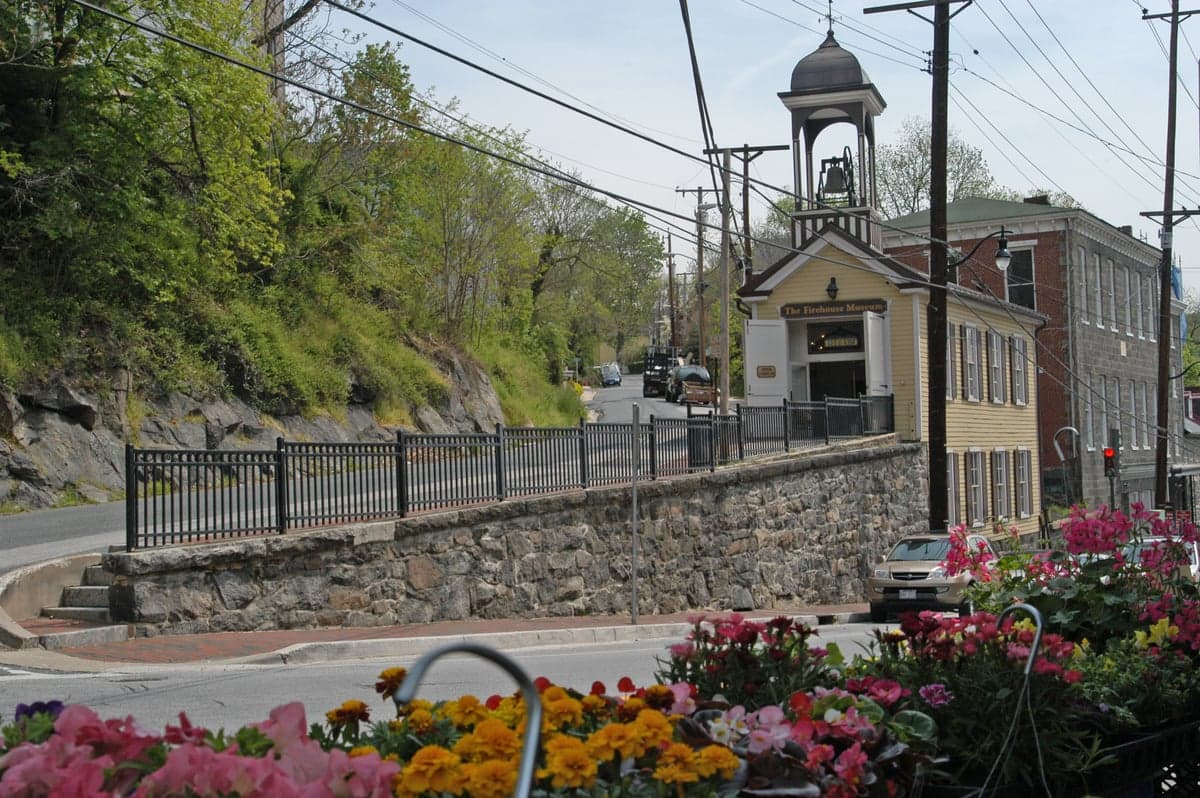
Photo: Wikipedia
Quality of Life in Ellicott City, MD
Above-average quality of iife. The area offers a reasonable cost of living, decent mobility, and a mix of neighborhood amenities.
What does Quality of Life tell us?
Quality of Life blends cost of living, nearby amenities, socioeconomic signals, and neighborhood character. City-level scores represent the whole municipality; individual neighborhoods can differ.
What does this tell us?
Quality of Life blends cost of living, nearby amenities, socioeconomic signals, and neighborhood character. City-level scores represent the whole municipality; individual neighborhoods can differ.
Cost of Living
95% above national average
The Real Cost of Living in Ellicott City, MD for 2026
| Tier | Individual | Family (4) |
|---|---|---|
| Survival | $32k | $60k |
| Comfortable | $125k | $184k |
| Luxury | $228k+ | $353k+ |
| Elite (Top 5%) | $268k+ | $415k+ |
86%
The Area Signal
A metric tracking the socioeconomic signals of the area.
Hobbies
Explore the areaGroceries
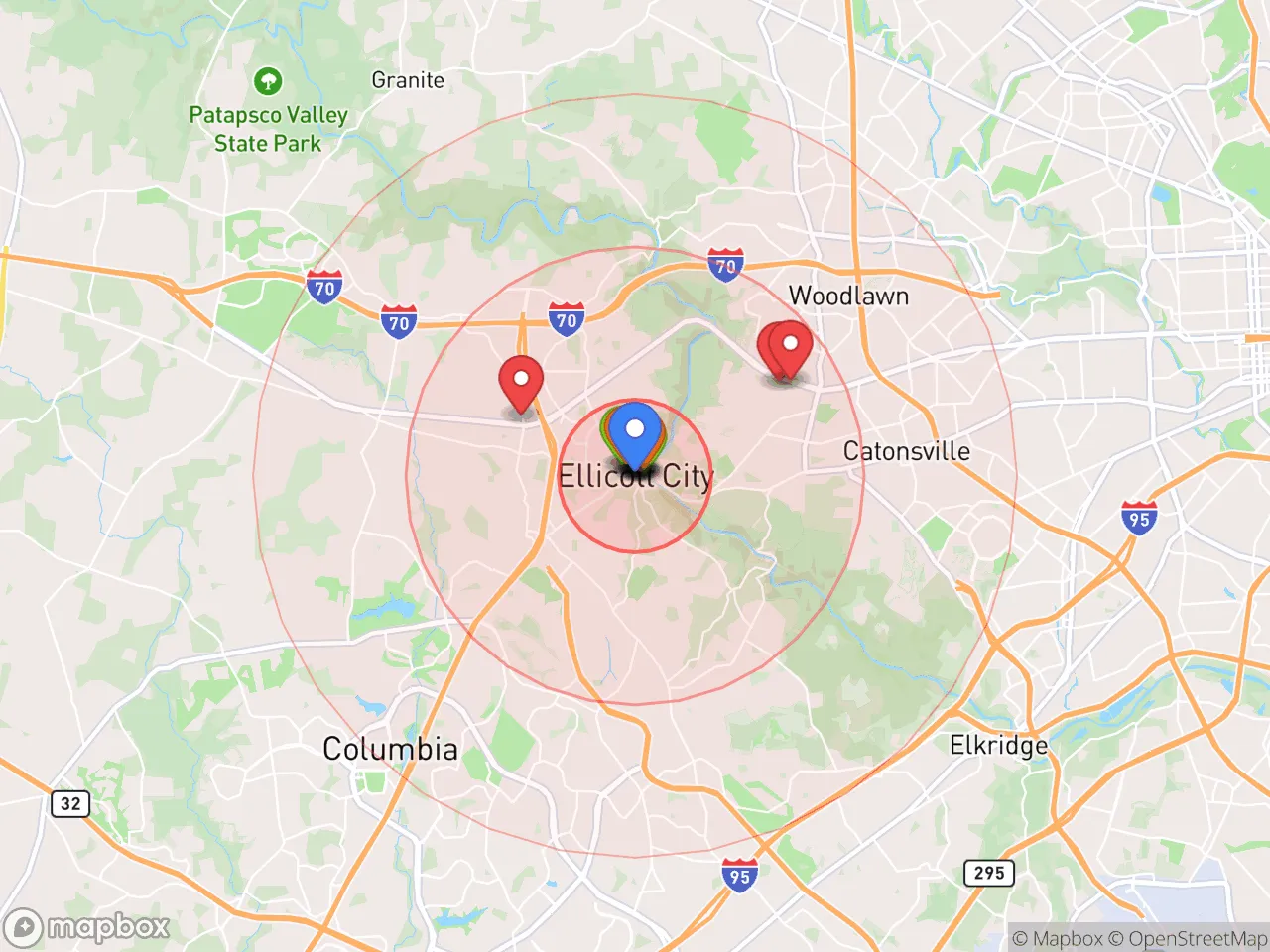
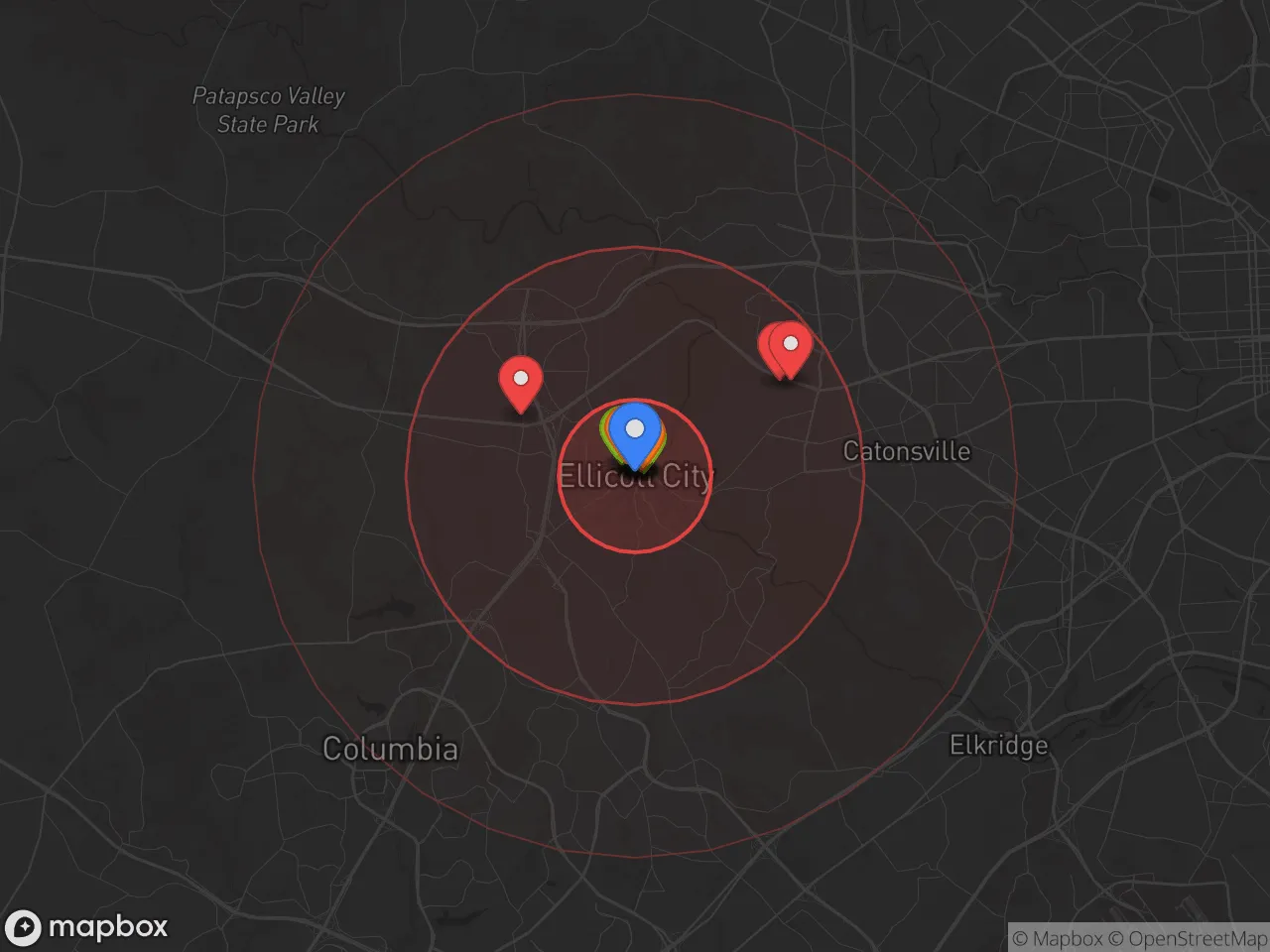
8 within 10 miles
Gas
20 within 10 miles
Hospital
20 within 20 miles
Airport
BWI — Baltimore/Washington International Thurgood Marshall
Post Office
USPS — Ellicott Center Drive, Ellicott
Critical Amenities
Quality-of-Life Analysis
Ellicott City, Maryland, is a high-cost, high-amenity Howard County suburb where the median household income exceeds $130,000 and the cost of living index sits at 195 (nearly double the U.S. average). The area attracts a dense concentration of professionals, executives, and dual-income families who commute to Baltimore, Washington D.C., and Fort Meade, drawn by top-ranked public schools and historic charm. With a median home value of $644,300 and a median rent of $2,001, the community skews affluent and well-educated, though the steep price of entry limits who can afford to live here.
Cost of living, housing affordability, and how Ellicott City compares to nearby suburbs
Ellicott City’s cost of living index of 195 is roughly 30% higher than the Maryland average and significantly above neighboring Columbia (index ~170) and Catonsville (index ~140). The median home value of $644,300 reflects a market where single-family homes in sought-after school districts like Centennial High School routinely sell for $700,000–$900,000. Renters face a median of $2,001 per month, which is about $400 more than the Baltimore metro median. Property taxes in Howard County average 1.08% of assessed value, adding roughly $6,960 annually on a median-priced home. For context, a household earning the area median income of $130,000 would spend about 28% of gross income on a mortgage at current rates, while renters would need to earn roughly $80,000 annually to keep housing costs at the recommended 30% threshold. Compared to Bethesda or Potomac, Ellicott City offers more square footage per dollar, but it remains one of the least affordable suburbs in the Baltimore-Washington corridor for first-time buyers.
What daily life is like for families: schools, commute, and local amenities
Daily life in Ellicott City revolves around its nationally recognized public schools—Howard County Public Schools consistently rank among Maryland’s best, with Ellicott City’s Centennial, River Hill, and Mt. Hebron high schools all earning U.S. News gold medals. The average commute of 28.97 minutes is manageable for the region, with Interstate 70 and Route 29 providing direct access to Baltimore (20–30 minutes) and Washington D.C. (45–60 minutes). The historic Ellicott City Main Street district offers boutique shopping, farm-to-table restaurants, and the B&O Railroad Museum, while the nearby Columbia Mall and Arundel Mills provide larger retail options. Outdoor amenities include the Patapsco Valley State Park, which offers 70 miles of hiking and mountain biking trails, and the Centennial Park lake for kayaking and jogging. The area’s rhythm is distinctly suburban: families fill the parks on weekends, school sports dominate evenings, and the commute-heavy workforce means rush-hour traffic on U.S. 29 and I-70 is a daily reality. Crime rates are low—Howard County’s violent crime rate is roughly 1.5 per 1,000 residents, about half the national average—and the community is known for its active neighborhood associations and well-funded public libraries.
Ellicott City is best suited for established professionals and families who prioritize school quality and suburban safety over urban nightlife or affordability. Dual-income households earning $150,000 or more will find the housing market accessible, while renters and single earners below $80,000 may struggle with the high cost of living. The area is less ideal for young singles seeking walkable nightlife or for retirees on fixed incomes, as property taxes and home prices remain steep. For those who can absorb the cost, Ellicott City delivers a stable, amenity-rich environment with strong property appreciation and a community-oriented lifestyle.

Crime in Ellicott City, MD
Higher crime rates than 58% of comparable U.S. locations.
Violent CrimeViolent Crime Analysis
Property CrimeProperty Crime Analysis
Crime Analysis
Ellicott City, Maryland, presents a mixed safety profile for prospective residents. The city's violent crime rate stands at 364.5 incidents per 100,000 residents, while property crime occurs at a rate of 1,852.3 per 100,000. These figures place Ellicott City in a challenging position: safer than many urban cores but notably riskier than the safest suburban enclaves in Howard County. The area's proximity to Baltimore and Washington, D.C., combined with a progressive local justice system, creates a crime environment that warrants careful consideration.
Crime in context
Ellicott City's violent crime rate is roughly 25% higher than the national average of approximately 290 per 100,000, and significantly above the Maryland state average of about 330 per 100,000. Property crime in the city is also elevated, exceeding the national rate of roughly 1,900 per 100,000 by a narrow margin but running well above Howard County's overall property crime rate of approximately 1,200 per 100,000. A key factor driving these numbers is the area's location within Maryland's liberal judicial district. Howard County's State's Attorney and District Court judges have pursued progressive policies, including reduced cash bail, diversion programs for property offenders, and sentencing guidelines that prioritize rehabilitation over incarceration. While these policies aim to reduce recidivism, critics argue they result in repeat property offenders cycling through the system and embolden violent criminals who face minimal consequences for first-time offenses. The result is a crime rate that, while not catastrophic, is persistently higher than what residents in a wealthy, educated suburb would typically expect.
What residents experience
For daily life, the most tangible impact is property crime. Residents report frequent package thefts, vehicle break-ins, and occasional home burglaries, particularly in neighborhoods near major commuter routes like Route 40 and I-70. Violent crime is less common but not absent; incidents of aggravated assault and robbery occur, often concentrated around commercial corridors and transit hubs. The progressive justice system's approach means that many property crime arrests do not lead to sustained incarceration. Offenders arrested for theft or burglary are frequently released on personal recognizance or given short sentences, leading to a revolving-door effect that frustrates victims and erodes public confidence. Residents should also be aware that Howard County's police department, while well-funded, operates under policies that limit proactive enforcement, such as restrictions on traffic stops and low-level arrests, which some argue allows crime to fester.
Neighborhood-level variation is significant. Historic Ellicott City's walkable downtown area sees higher rates of theft and disorder, while newer subdivisions like those in the Turf Valley area report lower crime but still experience occasional property offenses. The western parts of Ellicott City, closer to the Patapsco River, tend to have the lowest crime rates. Prospective residents should examine block-level crime maps and consider that the area's overall safety is undermined by a justice system that prioritizes offender welfare over public protection. For families and professionals seeking a secure environment, Ellicott City requires a cautious approach, with particular attention to property crime prevention and awareness of the local legal climate.
* Values derived from national, state, county, city and local statistics and may differ in a specific area. Last updated: 2026-08-26T18:44:07.000Z
Narrative content on this page is AI-generated and may contain mistakes. Verify any details that matter before acting on them.
ReloMaps may earn a commission from affiliate links at no extra cost to you.

