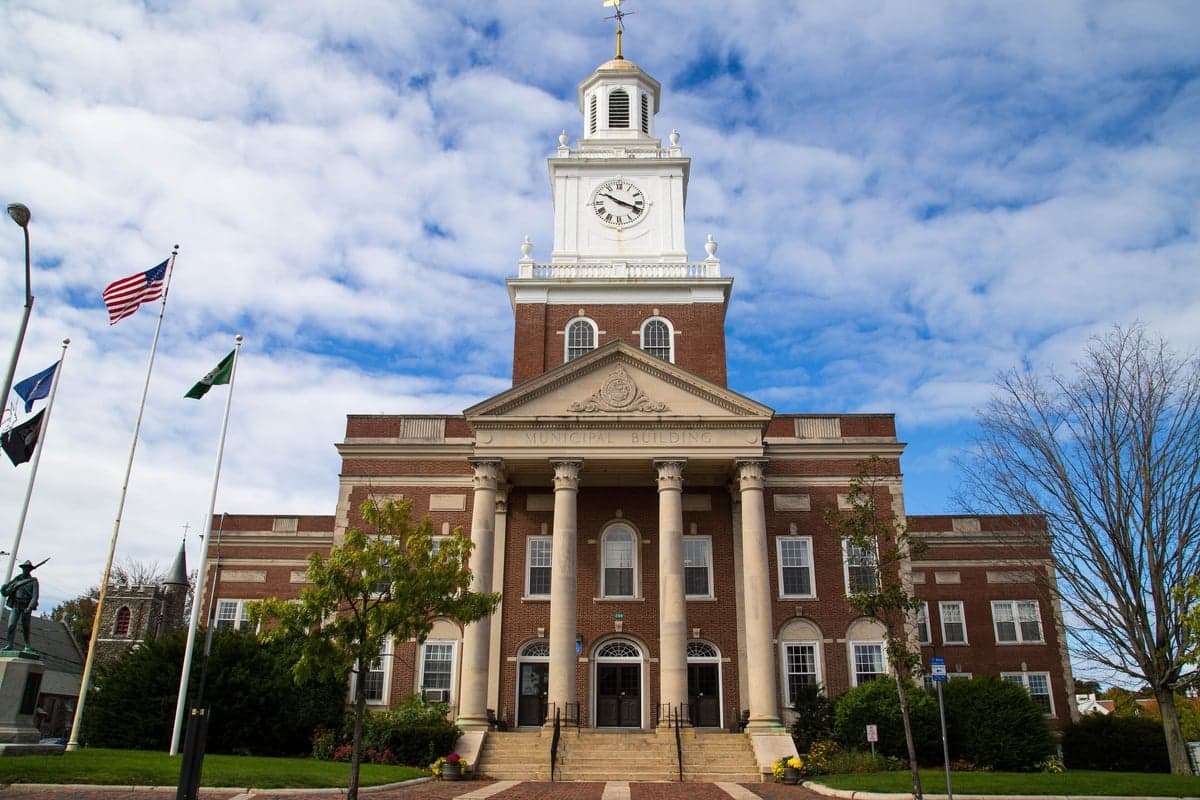
Photo: Wikipedia
Quality of Life in Dover, NH
A high quality of life with strong walkability, manageable living costs, healthy neighborhood signals, and solid amenity access.
What does Quality of Life tell us?
Quality of Life blends cost of living, nearby amenities, socioeconomic signals, and neighborhood character. City-level scores represent the whole municipality; individual neighborhoods can differ.
What does this tell us?
Quality of Life blends cost of living, nearby amenities, socioeconomic signals, and neighborhood character. City-level scores represent the whole municipality; individual neighborhoods can differ.
Cost of Living
36% above national average
The Real Cost of Living in Dover, NH for 2026
| Tier | Individual | Family (4) |
|---|---|---|
| Survival | $25k | $46k |
| Comfortable | $77k | $114k |
| Luxury | $140k+ | $217k+ |
| Elite (Top 5%) | $165k+ | $256k+ |
81%
The Area Signal
A metric tracking the socioeconomic signals of the area.
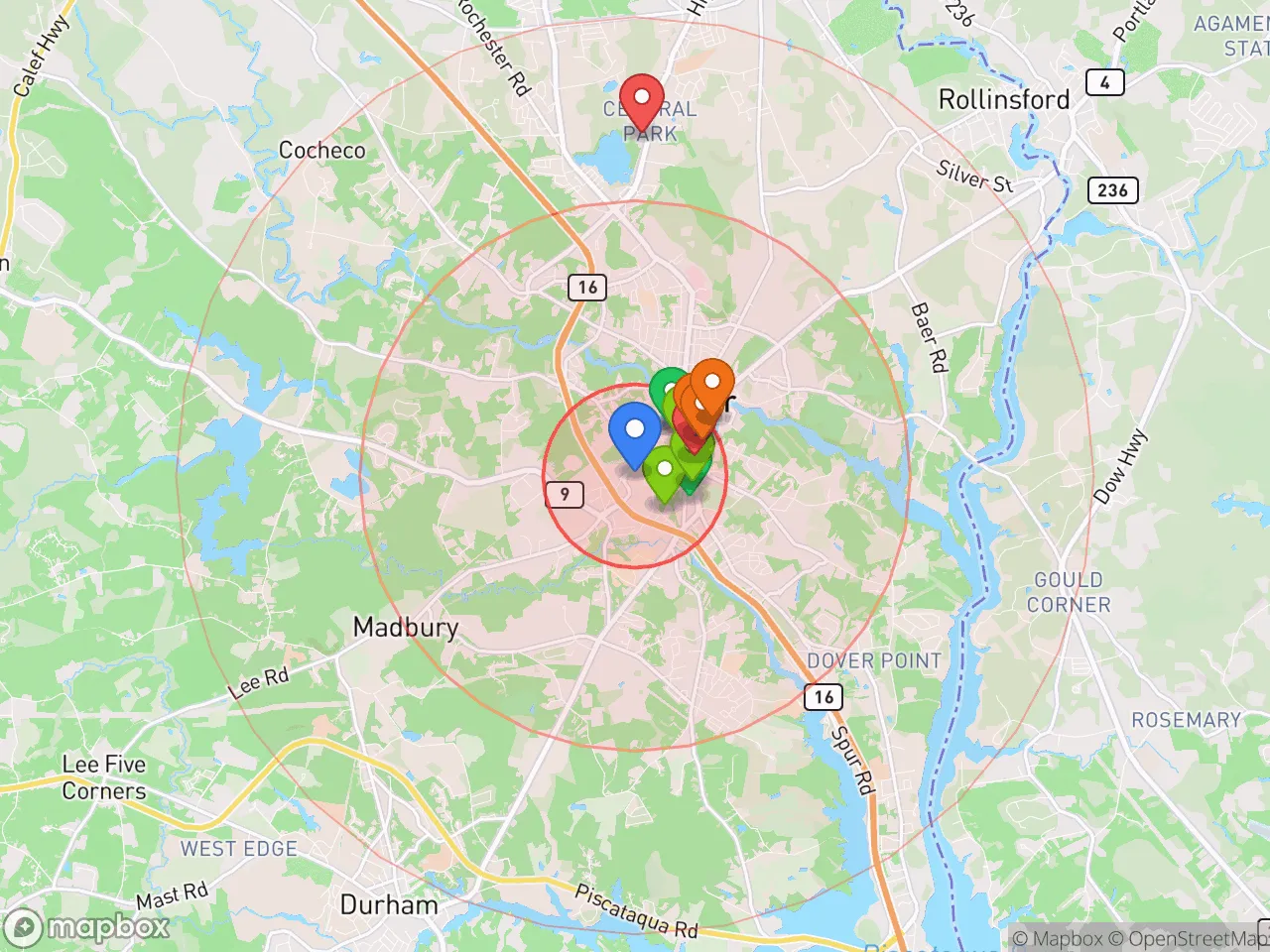

Hobbies
Explore the areaGroceries
7 within 10 miles
Gas
20 within 10 miles
Hospital
7 within 20 miles
Airport
PDX — Portland International Jetport
Post Office
USPS — 133 Washington Street, Dover
Critical Amenities
Quality-of-Life Analysis
Dover, New Hampshire, presents a quality of life defined by a blend of historic New England charm and modern suburban affluence, attracting a demographic mix of young professionals, families, and University of New Hampshire (UNH) affiliates. With a cost of living index of 136 (36% above the U.S. average), the city is notably more expensive than the national norm but remains a relative value compared to the pricier Seacoast hubs of Portsmouth and Kittery, Maine. The population skews educated and active, drawn by the Cocheco River waterfront, a walkable downtown, and proximity to both Boston (via Amtrak Downeaster) and the Atlantic coast.
Cost of living, housing affordability, and how Dover compares to Portsmouth and Rochester
Dover’s housing market is the primary driver of its elevated cost of living. The median home value sits at $398,500, which is roughly $100,000 less than the median in neighboring Portsmouth but about $70,000 more than in inland Rochester. For renters, the median monthly rent of $1,540 places Dover in the mid-range for the Seacoast region—more affordable than Portsmouth’s typical $1,800+ but pricier than Rochester’s $1,200 average. The average commute time of 21.9 minutes is shorter than the national average of 26.4 minutes, a practical advantage for workers commuting to Portsmouth (15 minutes south) or to the Spaulding Turnpike corridor. Property taxes in New Hampshire are high (no state income tax), and Dover’s rate of roughly $22 per $1,000 assessed value adds roughly $8,767 annually on the median home—a factor buyers must weigh against the lack of a state income tax.
Schools, amenities, and the daily rhythm of life in Dover
Daily life in Dover centers on a compact, pedestrian-friendly downtown anchored by the Cocheco River, where residents frequent the Children’s Museum of New Hampshire, the Dover Public Library, and seasonal farmers’ markets. The city’s school system is a key draw: Dover High School and the regional career technical center (RCTC) are well-regarded, and the city is part of the School Administrative Unit 56. For higher education, UNH’s Durham campus is just 10 minutes away, offering cultural events and athletic facilities. Outdoor recreation is abundant, with the 165-acre Bellamy River Wildlife Management Area and the Dover Community Trail providing hiking and biking. The dining scene leans toward farm-to-table and craft breweries (e.g., 7th Settlement Brewery), while retail is concentrated at the Dover Center shopping plaza. The city’s annual Apple Harvest Day and Cocheco Arts Festival reinforce a tight-knit community feel, though the pace is busier than in rural Strafford County towns.
Dover is best suited for professionals and families who prioritize walkability, strong public schools, and quick access to the Seacoast’s job market and recreation without paying Portsmouth-level premiums. Remote workers will appreciate the solid broadband infrastructure and the 21.9-minute commute to downtown offices. Those seeking a slower, more rural pace may find Rochester or Farmington more affordable, while buyers wanting a bustling urban core should look to Portsmouth. For anyone valuing a balanced, amenity-rich small city with a strong sense of place, Dover offers a compelling quality-of-life equation—provided the higher housing costs and property taxes fit the budget.

Crime in Dover, NH
Lower crime rates than 93% of comparable U.S. locations.
Violent CrimeViolent Crime Analysis
Property CrimeProperty Crime Analysis
Crime Analysis
Dover, New Hampshire, presents a mixed safety profile that is significantly safer than national averages but warrants attention due to its proximity to larger, higher-crime metro areas. With a violent crime rate of 58.6 per 100,000 residents and a property crime rate of 568 per 100,000, the city is a statistical outlier for safety within the Seacoast region. However, the influence of progressive judicial policies in nearby larger jurisdictions, such as Portland, Maine, and the broader Boston metro area, creates a regional dynamic that residents and potential movers should carefully consider.
Crime in context
Dover’s violent crime rate of 58.6 per 100,000 is dramatically lower than the national average of roughly 380 per 100,000, placing it among the safest small cities in New England. Property crime, at 568 per 100,000, is also well below the national benchmark of approximately 1,950 per 100,000. These figures are consistent with New Hampshire’s status as one of the safest states in the U.S., where statewide violent crime rates hover around 200 per 100,000. However, the city’s location within the Portsmouth-Dover-Rochester metro area means it is connected by major highways (I-95 and Spaulding Turnpike) to larger urban centers where crime rates are higher and where progressive district attorneys have implemented policies like cash bail reform and reduced prosecution for non-violent offenses. This connectivity can facilitate the movement of offenders into Dover, a concern echoed by local law enforcement.
What residents experience
For most residents, daily life in Dover feels very safe. The most common crimes are property-related, including theft from vehicles and bicycle theft, particularly in the downtown and UNH-affiliated areas. Violent incidents are rare and typically involve individuals known to one another, not random attacks on the public. A key concern for safety-conscious residents is the potential spillover effect from neighboring jurisdictions with lenient criminal justice systems. For example, the progressive policies of the Suffolk County District Attorney in Boston (which includes policies of not prosecuting certain low-level drug and property crimes) and similar approaches in Portland, Maine, have been linked to increased recidivism and a perception that consequences are minimal. While Dover itself maintains a traditional, law-and-order approach under the Strafford County Attorney, the ease of travel between these areas means that offenders from high-crime, progressive jurisdictions can and do target Dover’s relatively affluent neighborhoods and commercial districts.
Neighborhood-level variation is notable. The downtown core and areas near the Cocheco River see higher foot traffic and associated petty crime, while residential neighborhoods like the Dover Point area and the outskirts near the Maine border report very low incident rates. The Garrison City’s historic character and strong community policing efforts help maintain safety, but the regional justice environment is a factor that cannot be ignored. For those prioritizing safety, Dover’s internal statistics are excellent, but the city’s position as a small, safe enclave near larger, more permissive metro areas requires ongoing vigilance.
* Values derived from national, state, county, city and local statistics and may differ in a specific area. Last updated: 2026-05-02T03:52:38.000Z
Narrative content on this page is AI-generated and may contain mistakes. Verify any details that matter before acting on them.
ReloMaps may earn a commission from affiliate links at no extra cost to you.

