Photo: Wikipedia
Political ClimatePolitical Climate in Danbury, CT
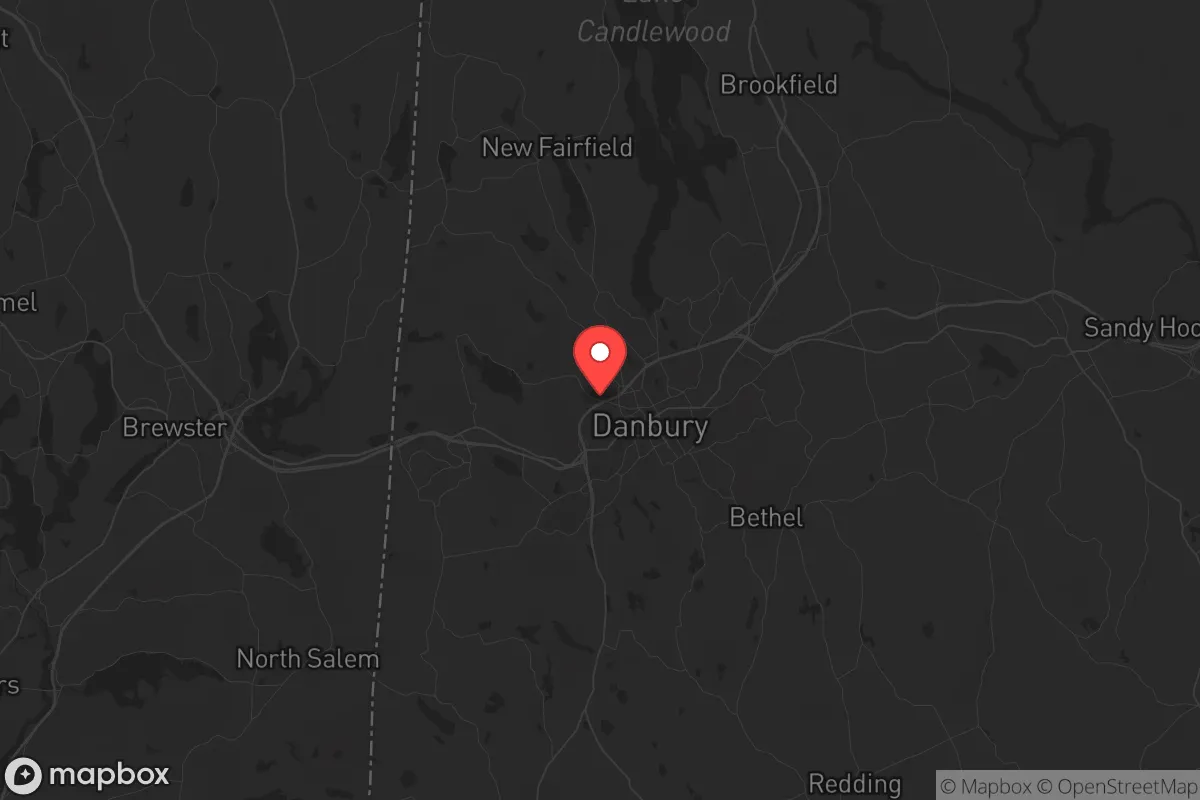
District shown is the primary district for this city’s centroid. Cities may span multiple districts.
Local Political AnalysisPolitical Analysis of Danbury, CT
Danbury’s political climate has shifted noticeably over the past decade, and if you’ve lived here as long as I have, you can feel it. The city’s Cook PVI of D+3 tells the story: it’s a lean-Democratic area, but that’s a relatively recent development. Ten or fifteen years ago, Danbury was a solidly purple town, with a strong conservative backbone in its working-class neighborhoods and among its many small business owners. Today, the local government and much of the public discourse have tilted left, driven by an influx of commuters from New York City and a growing progressive activist presence. The 2020 election results here were a wake-up call—Biden won the city by about 10 points, a far cry from the close races we used to see. The trajectory is concerning for anyone who values limited government and personal freedoms.
How it compares
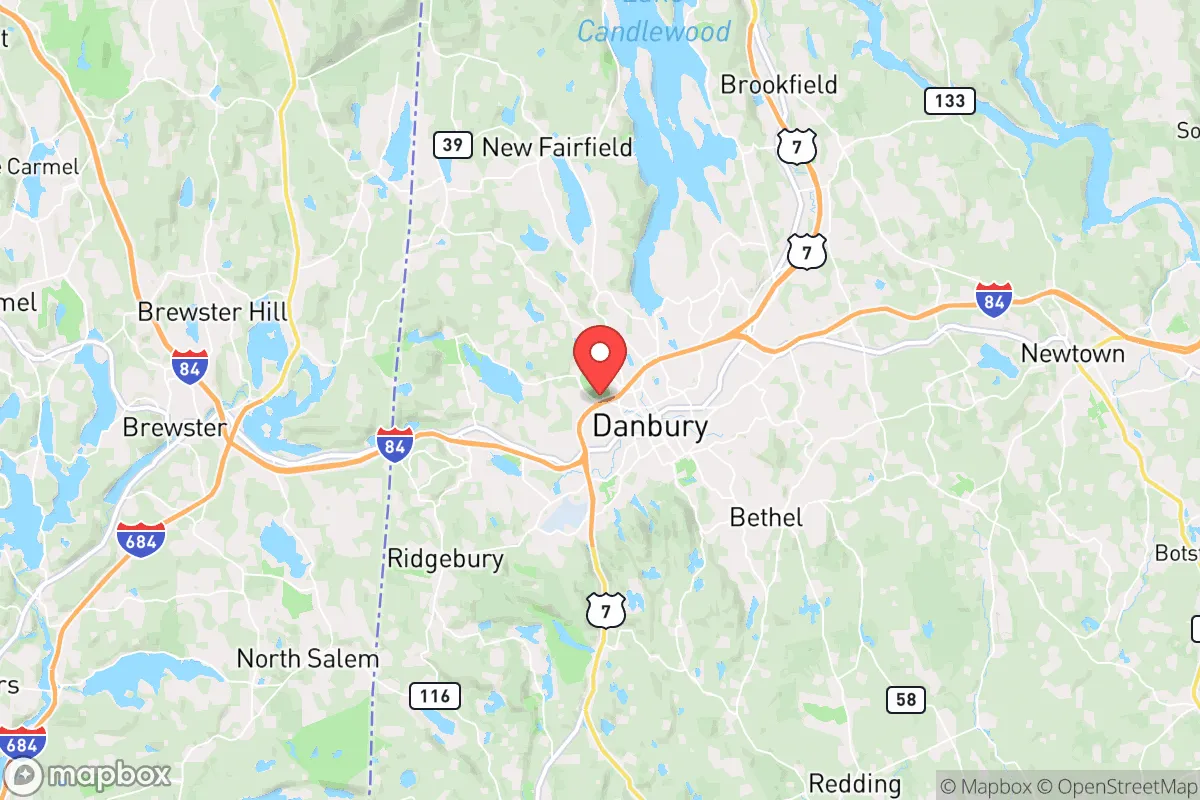
Danbury sits in a political no-man’s-land compared to its neighbors. Drive ten miles north to New Milford or east to Brookfield, and you’re in reliably red territory—those towns voted for Trump by double digits in 2020. Head south to Ridgefield or west to Bethel, and you’ll find the kind of affluent, progressive suburbs that make Danbury’s shift look moderate. The real contrast is with Stamford and New Haven, both deep-blue cities where progressive policies on taxes, zoning, and public safety are fully entrenched. Danbury still has a fighting chance to resist that, thanks to a vocal conservative minority on the city council and a mayor who’s more centrist than the council’s left wing. But the pressure is mounting, especially from Hartford, where the state legislature keeps pushing mandates on everything from energy codes to school curriculum.
What this means for residents
For a conservative or libertarian-leaning resident, the practical impact is already visible. Property taxes have crept up faster than inflation, driven by state-mandated education spending and a local budget that keeps expanding for social programs. The city council has debated “equity” initiatives that sound like government overreach—think diversity training requirements for contractors and preferential zoning for affordable housing projects that bypass local input. On the personal freedom front, Danbury’s mask and vaccine mandates during the pandemic were stricter than in surrounding towns, and there’s a lingering worry that the next public health scare will bring similar overreach. The school board has also become a battleground, with progressive members pushing for curriculum changes that many parents feel sideline traditional values. If you value the right to run your own life without a bureaucrat’s permission, Danbury is becoming a place where you have to stay vigilant.
Culturally, Danbury still holds onto some of its old character—the Portuguese and Italian communities keep a strong family-first ethos, and the gun club and local VFW posts are still active. But the city’s annual “Pride in the Park” event has grown into a major production, and the downtown area now features more “art walks” and “community dialogues” than the old hardware stores and diners. The long-term trend is clear: Danbury is becoming a smaller version of the progressive cities to its south. If the current political trajectory holds, expect more tax hikes, more regulations on small businesses, and a steady erosion of the local control that made this town a good place to raise a family. For now, it’s still worth fighting for, but the clock is ticking.

State Political ClimatePolitical Climate in Connecticut
State Political AnalysisPolitical Environment in the State
Connecticut has long been a solidly blue state in presidential elections, with Democrats winning every contest since 1992, but the picture is more nuanced than the statewide results suggest. The state’s political identity is shaped by a powerful coalition of affluent, educated suburbanites in Fairfield County and urban centers like Hartford and New Haven, while the eastern and northwestern rural areas lean increasingly Republican. Over the past 20 years, the Democratic advantage has hardened at the top of the ticket—Joe Biden won by 20 points in 2020—but down-ballot races and local governance reveal a persistent, if shrinking, conservative minority that feels increasingly alienated by one-party rule in Hartford.
Urban vs. rural divide
The political map of Connecticut is a tale of three regions. The southwestern corner, anchored by Stamford, Greenwich, and Norwalk, is the engine of Democratic dominance. These wealthy commuter towns feed New York City’s economy and culture, and their voters reliably deliver 65-70% Democratic margins. The old industrial cities—Hartford, New Haven, and Bridgeport—are Democratic strongholds, with Bridgeport often exceeding 80% for the party. In contrast, the eastern half of the state, including towns like Mystic, Norwich, and Killingly, has shifted rightward. The 2nd Congressional District, which covers most of eastern Connecticut, flipped from reliably Democratic to a competitive toss-up in 2022, with Republican Mike France coming within 4 points of winning. The Litchfield Hills in the northwest, including Torrington and Litchfield, have also trended red, driven by a mix of rural libertarianism and frustration with Hartford’s tax-and-spend policies. The divide is stark: drive 30 minutes from Hartford to the rural town of Ellington, and you’ll see Trump signs still planted in yards, a silent protest against the state’s direction.
Policy environment
Connecticut’s policy environment is a case study in progressive governance with real consequences for personal freedom. The state has the highest combined state and local tax burden in the nation, with income taxes topping 6.99% and property taxes among the steepest anywhere. In 2023, the legislature passed a paid family and medical leave program funded by a new payroll tax—a mandatory deduction from every worker’s paycheck, regardless of whether they want it. Education policy is dominated by the teachers’ unions, which successfully blocked meaningful school choice expansion; charter schools remain limited, and the state’s “Race to the Top” waiver from No Child Left Behind was used to impose Common Core standards. On healthcare, Connecticut expanded Medicaid under Obamacare and in 2022 passed a public option for health insurance, though enrollment has been low. Election laws are among the most liberal in the country: no-excuse absentee voting was made permanent in 2023, and the state has same-day voter registration and automatic voter registration through the DMV. For a conservative, the message is clear: the state sees itself as a manager of your life, from your paycheck to your child’s curriculum.
Trajectory & freedom
Over the past five years, Connecticut has moved decisively toward greater government control over personal liberty, particularly in areas conservatives value most. Gun rights have been under sustained assault: in 2023, the legislature passed a ban on open carry of handguns and raised the minimum age to purchase a long gun to 21, following a 2022 law that expanded the state’s assault weapons ban and limited magazine capacity to 10 rounds. These laws were passed despite a 2022 Supreme Court ruling (NYSRPA v. Bruen) that seemed to protect the right to carry; Connecticut’s response was to tighten restrictions further. Parental rights took a hit in 2021 when the state passed a law allowing students to use a preferred name and pronouns without parental consent, effectively sidelining parents in schools. On medical freedom, Connecticut was one of the first states to mandate COVID-19 vaccines for healthcare workers and school staff, and it has not repealed those mandates. Property rights are constrained by some of the nation’s most aggressive affordable housing mandates, including a 2023 law that allows developers to bypass local zoning in towns that don’t meet state housing targets. The trend is unmistakable: the state is becoming less free, with Hartford viewing individual choice as a problem to be managed rather than a right to be protected.
Civil unrest & political movements
Connecticut has seen its share of political flashpoints, though they tend to be quieter than in larger states. The Black Lives Matter protests of 2020 were large in Hartford and New Haven, with some turning violent—a statue of Christopher Columbus was toppled in New Haven’s Wooster Square. On the right, the “Reopen Connecticut” movement during COVID-19 drew thousands to the state capitol in 2020 and 2021, protesting Governor Ned Lamont’s extended lockdowns and business closures. That energy has since channeled into local school board races, where parents angry about critical race theory and mask mandates have won seats in towns like Southington and Wallingford. Immigration politics are a simmering issue: Connecticut is a sanctuary state, with a 2013 law (TRUST Act) that limits local police cooperation with federal immigration enforcement. In 2023, the legislature expanded protections, barring local jails from holding immigrants for ICE. Election integrity remains a concern for conservatives, especially after the 2020 election saw widespread use of no-excuse absentee ballots, which were later made permanent. While no major scandals have emerged, the lack of voter ID requirements and the state’s same-day registration system leave many feeling the system is vulnerable.
Projection
Looking ahead five to ten years, Connecticut’s trajectory is concerning for conservatives. The state’s population has been declining for a decade, losing over 80,000 residents since 2010, with many leaving for lower-tax states like Florida, Texas, and New Hampshire. Those who remain are increasingly concentrated in the Democratic-leaning urban and suburban corridors, while rural areas hollow out. The 2020 census redistricting gave Democrats an even firmer grip on the state legislature, and the retirement of moderate Republican legislators has left the GOP caucus more conservative but smaller. In-migration is minimal and skewed toward people moving for jobs in Hartford’s insurance industry or New Haven’s biotech sector—both heavily Democratic. The state’s fiscal situation is precarious, with unfunded pension liabilities exceeding $40 billion, which will likely force either massive tax hikes or service cuts, further driving out the tax base. A conservative moving in now should expect to live in a state where their vote for president is effectively meaningless, their tax dollars fund programs they oppose, and their cultural values are increasingly marginalized. The best-case scenario is that the state’s fiscal crisis eventually forces a reckoning, but that is years away at best.
For a new resident, the bottom line is this: Connecticut offers beautiful scenery, excellent schools in wealthy suburbs, and proximity to New York City, but those come at a steep price—both financially and in terms of personal freedom. If you value low taxes, gun rights, parental control over education, and a government that stays out of your life, this state will be a constant source of frustration. The political climate is hostile to conservative values, and the trend is only getting worse. If you’re considering a move here, do so with eyes wide open: you’ll be a permanent minority in a state that sees your beliefs as obstacles to be overcome, not perspectives to be respected.
* Values derived from national, state, county, city and local statistics and may differ in a specific area. Last updated: 2026-04-30T01:30:52.000Z
Narrative content on this page is AI-generated and may contain mistakes. Verify any details that matter before acting on them.
ReloMaps may earn a commission from affiliate links at no extra cost to you.

