 Popular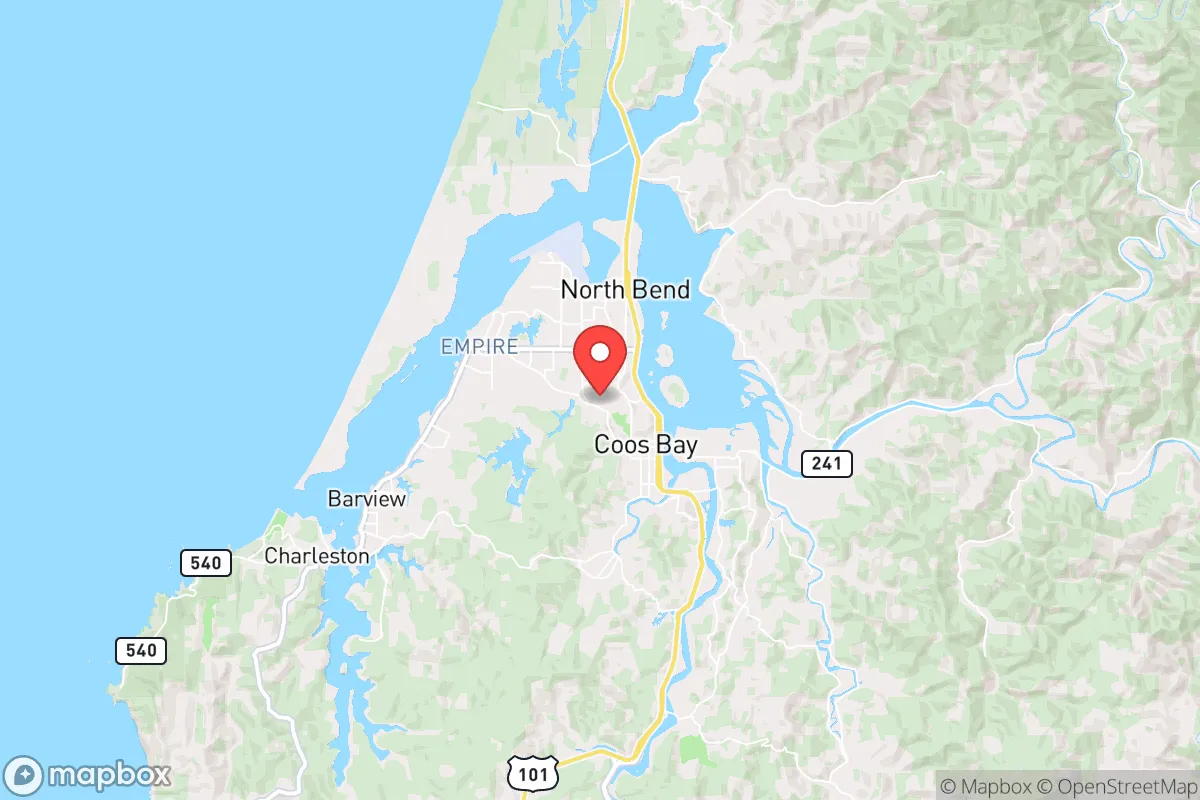
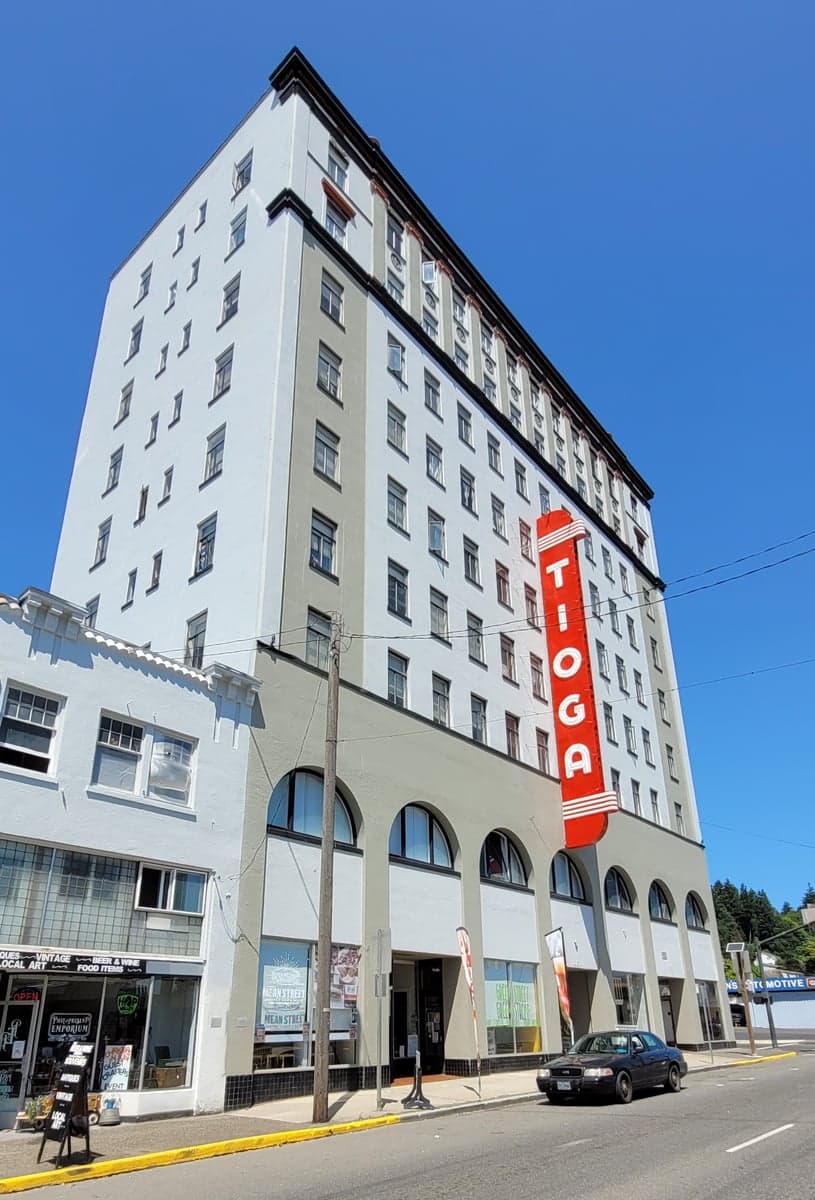
Photo: Wikipedia
Political ClimatePolitical Climate in Coos Bay, OR
District shown is the primary district for this city’s centroid. Cities may span multiple districts.
Local Political AnalysisPolitical Analysis of Coos Bay, OR
Coos Bay has long been a bit of a political island on the Oregon coast. While the state as a whole leans left with a Cook PVI of D+8, Coos Bay and its surrounding area in Coos County have historically been more conservative, voting for Trump in 2020 and 2024 by comfortable margins. The city itself is a D+6 district, but that number hides a lot of local nuance—it’s more of a purple patch in a deeply blue state, where folks are wary of Portland-style politics creeping down the coast.
How it compares
Compared to Oregon as a whole, Coos Bay is a different animal. The state’s D+8 rating is driven by the Willamette Valley—places like Portland, Eugene, and Salem—where progressive policies on taxes, land use, and social issues are the norm. Here in Coos Bay, you’ll find a much more skeptical view of government overreach. Neighboring towns like North Bend and Reedsport lean even more conservative, while Bandon and Gold Beach to the south are similar. The contrast is stark: drive an hour north to Florence, and you’re in a more liberal pocket, but Coos Bay remains a holdout where personal freedoms—like gun rights, property use, and local business autonomy—are taken seriously. The 2024 election saw Coos County vote +12 for Trump, while the state went +14 for Harris. That gap tells you everything about the cultural divide.
What this means for residents
For someone living here, the political climate means you’re constantly navigating state-level mandates that feel out of touch. Oregon’s progressive legislature has pushed through measures like strict land-use planning, high gas taxes, and environmental regulations that hit rural economies hard. In Coos Bay, where timber and fishing are still part of the identity, these policies are seen as government overreach—a red flag for anyone who values local control. The shift toward progressive ideology in Salem is concerning because it often ignores how these laws affect small towns. You’ll hear folks grumble about Measure 110 (drug decriminalization) and the homelessness crisis it’s tied to, or the cap-and-trade schemes that raise energy costs. The long-term worry is that Coos Bay could get squeezed between state mandates and a shrinking tax base, forcing more people to look elsewhere for a place where their rights aren’t second-guessed.
Culturally, Coos Bay still feels like old Oregon—neighborly, self-reliant, and suspicious of big government. The policy distinctions are clear: while Portland debates bike lanes and rent control, Coos Bay debates how to keep the port alive and whether new housing regulations will kill affordable development. If the state keeps pushing, you might see more folks heading to Idaho or Texas, but for now, Coos Bay remains a quiet redoubt where personal freedom isn’t just a talking point—it’s how people live. Just don’t expect the state capital to listen anytime soon.

State Political ClimatePolitical Climate in Oregon
State Political AnalysisPolitical Environment in the State
Oregon has a Cook PVI of D+8, meaning it leans about eight points more Democratic than the national average, but that single number hides a deeply fractured political landscape. The state has shifted leftward over the past 20 years, driven by explosive growth in the Portland metro area and the Willamette Valley, while rural and eastern counties have become more reliably Republican. If you’re considering a move here, understand that the state’s political center of gravity is firmly in the urban corridor, but the margins are where the real tension lives.
Urban vs. rural divide
The political map of Oregon is essentially a tale of two states. The I-5 corridor from Portland through Salem to Eugene is the Democratic stronghold, with Multnomah County (Portland) alone delivering nearly a quarter of the state’s Democratic votes. Portland, Beaverton, and Hillsboro are deep blue, with precincts routinely voting 80-90% Democratic. Eugene and Corvallis, home to the University of Oregon and Oregon State University, are similarly progressive. Meanwhile, Bend in Deschutes County has been a notable swing area—it voted for Biden in 2020 but has seen a steady influx of Californians and out-of-state transplants, making it less reliably Republican than it was a decade ago. Rural counties like Lake, Harney, and Grant in eastern Oregon vote 75-80% Republican, with Baker City and Ontario serving as conservative anchors. The divide is stark: you can drive 30 minutes from Portland’s city center and find yourself in Clackamas County suburbs like Oregon City that vote more evenly split, but the overall trend is that the urban core’s population growth has overwhelmed rural influence.
Policy environment
Oregon’s policy environment is a mixed bag for conservatives. The state has no sales tax, which is a plus, but it has one of the highest personal income tax rates in the nation—top marginal rate of 9.9%—and property taxes are moderate but rising. The regulatory posture is heavy: Oregon has some of the strictest land-use laws in the country, thanks to the 1973 Senate Bill 100, which limits urban growth boundaries and makes building new housing expensive and slow. Education policy is dominated by teachers’ unions, and the state has seen declining test scores and chronic absenteeism. Healthcare is heavily regulated, with a state-run insurance exchange and Medicaid expansion under the Affordable Care Act. Election laws are relatively open: Oregon was the first state to vote entirely by mail, and automatic voter registration is in place. For conservatives, the biggest red flags are the state’s sanctuary status (Oregon was the first sanctuary state in the nation, in 1987) and the lack of voter ID laws, which some argue undermines election integrity. The state also has a “motor voter” law that registers people when they get a driver’s license, which has boosted Democratic turnout.
Trajectory & freedom
Oregon is becoming less free by most conservative measures. The most glaring example is Measure 114, passed in 2022, which requires a permit to purchase a firearm, bans magazines over 10 rounds, and mandates a completed background check before transfer—effectively a de facto gun registry. It’s currently tied up in court, but the intent is clear. On parental rights, Oregon has some of the most progressive sex education laws in the country, and in 2023, the state passed a law allowing minors to access gender-affirming care without parental consent, which has sparked fierce backlash. Medical autonomy took a hit with the state’s strict COVID-19 vaccine mandates for healthcare workers and teachers, which were among the longest-lasting in the nation. Property rights are constrained by the aforementioned land-use laws, and the state’s rent control measures (2019’s SB 608) cap annual rent increases at 7% plus inflation, which landlords argue chokes supply. On the plus side, Oregon has no sales tax and no “right-to-work” law, meaning union membership is still strong. The trajectory is clearly toward more government intervention in personal choices, from guns to healthcare to education.
Civil unrest & political movements
Oregon has a long history of civil unrest, most notably the 2020 Portland protests that lasted for months, with the federal government sending in DHS deploying agents. The city saw nightly clashes between left-wing antifa groups and right-wing counter-protesters, with the Portland Police Bureau often caught in the middle. The state’s sanctuary policy has made it a flashpoint for immigration politics: in 2023, a bus of migrants sent from Texas to Portland was met by activists and city officials, but also by protests from residents who argued the city was overwhelmed. The Pacific Northwest has a small but vocal secession movement—the “State of Jefferson” proposal, which would carve out conservative counties in southern Oregon and northern California, has been around for decades but gained renewed traction after the 2020 election. Election integrity is a hot-button issue: Oregon’s all-mail voting system has been criticized by conservatives for lacking signature verification and chain-of-custody controls, though no major fraud has been proven. The 2022 gubernatorial race saw a rare three-way split, with Democrat Tina Kotek winning with just 47% of the vote, while Republican Christine Drazan got 43% and unaffiliated candidate Betsy Johnson took 9%—a sign that the state is not as blue as the PVI suggests.
Projection
Over the next 5-10 years, Oregon is likely to become more polarized, not less. The Portland metro area will continue to grow, driven by tech and remote workers, while rural counties will see population decline or stagnation. The state’s Democratic supermajority in the legislature will likely push further left on climate, gun control, and social issues, but the 2022 governor’s race showed that a Republican can get close to 45% if the candidate is moderate and the Democratic turnout is low. The biggest wildcard is housing: if the state doesn’t build more, the cost of living will push out middle-class families, accelerating the demographic shift toward wealthier, more progressive transplants. For conservatives, the best bet is to look at Bend, Redmond, or Medford—areas that are still purple but have a strong conservative base. The “State of Jefferson” movement won’t succeed, but it will keep the rural-urban tension alive. Expect more ballot measures on gun rights, parental rights, and tax limits as a counterweight to the legislature.
For a new resident, the bottom line is this: Oregon offers beautiful landscapes and no sales tax, but you’ll pay for it with high income taxes, heavy regulation, and a political culture that is increasingly hostile to conservative values. If you’re moving here, choose your county carefully—Clackamas or Washington County suburbs are more moderate than Portland proper, and Jackson County (Medford) is a conservative stronghold. But be prepared for a state government that will continue to push policies you may find intrusive, from gun control to education mandates. It’s a beautiful place to live, but it’s not getting any freer.
* Values derived from national, state, county, city and local statistics and may differ in a specific area. Last updated: 2026-05-18T00:01:06.000Z
Narrative content on this page is AI-generated and may contain mistakes. Verify any details that matter before acting on them.
ReloMaps may earn a commission from affiliate links at no extra cost to you.

