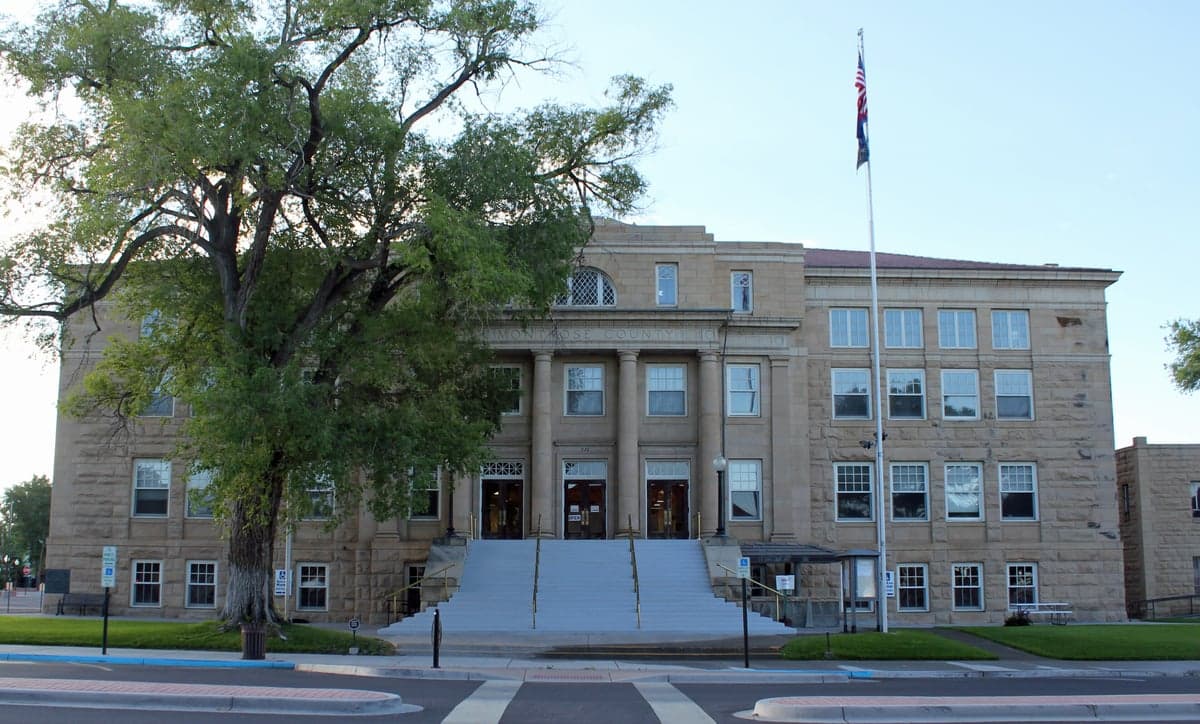
Photo: Wikipedia
Quality of Life in Montrose County
A livable area that tracks near national norms for affordability, walkability, and neighborhood health.
What does Quality of Life tell us?
Quality of Life measures an area by evaluating factors like cost of living, nearby amenities, country club access, airport proximity, socioeconomic signals and neighborhood character. For large states, this is a general average — quality of life can vary dramatically between metro areas, suburbs, and rural communities within the same state.
What does this tell us?
Quality of Life measures an area by evaluating factors like cost of living, nearby amenities, country club access, airport proximity, socioeconomic signals and neighborhood character. For large states, this is a general average — quality of life can vary dramatically between metro areas, suburbs, and rural communities within the same state.
Cost of Living
9% above national average
65%
The Real Cost of Living in Montrose County for 2026
| Tier | Individual | Family (4) |
|---|---|---|
| Survival | $18k | $34k |
| Comfortable | $70k | $102k |
| Luxury | $117k+ | $181k+ |
| Elite (Top 5%) | $137k+ | $213k+ |
Quality-of-Life Analysis
Montrose County, Colorado, offers a broad quality-of-life spectrum that ranges from the full-service hub of Montrose itself to remote, off-grid homesteads in the Uncompahgre Valley and the San Juan Mountains. The county attracts a mix of outdoor recreationists, remote workers seeking lower costs than resort towns, agricultural families, and retirees drawn to a drier, sunnier climate than Colorado’s Front Range. With a cost-of-living index of 109 (just above the national average) and a median home value of $357,900, the county provides a more attainable entry point to western Colorado living than neighboring Telluride or Ouray, though options vary significantly by location.
Largest town(s) & population centers
Montrose, the county seat and largest city with roughly 20,000 residents, is the commercial and civic anchor. Daily life here centers on a walkable historic downtown with local restaurants, the Montrose Farmers Market, and the Ute Indian Museum. The city provides the region’s primary hospital (Montrose Memorial Hospital), a regional airport with daily flights to Denver, and big-box retail along Townsend Avenue. Commute times average just 21 minutes countywide, and in Montrose itself most errands are a short drive. The city’s housing stock includes older bungalows near downtown and newer subdivisions on the south and east sides, with median rents around $1,120. Olathe, about 10 miles east, is a smaller agricultural town of roughly 1,800 known for its sweet corn festival and a quieter, more rural feel while still being a 15-minute commute to Montrose’s amenities.
Smaller towns & rural pockets
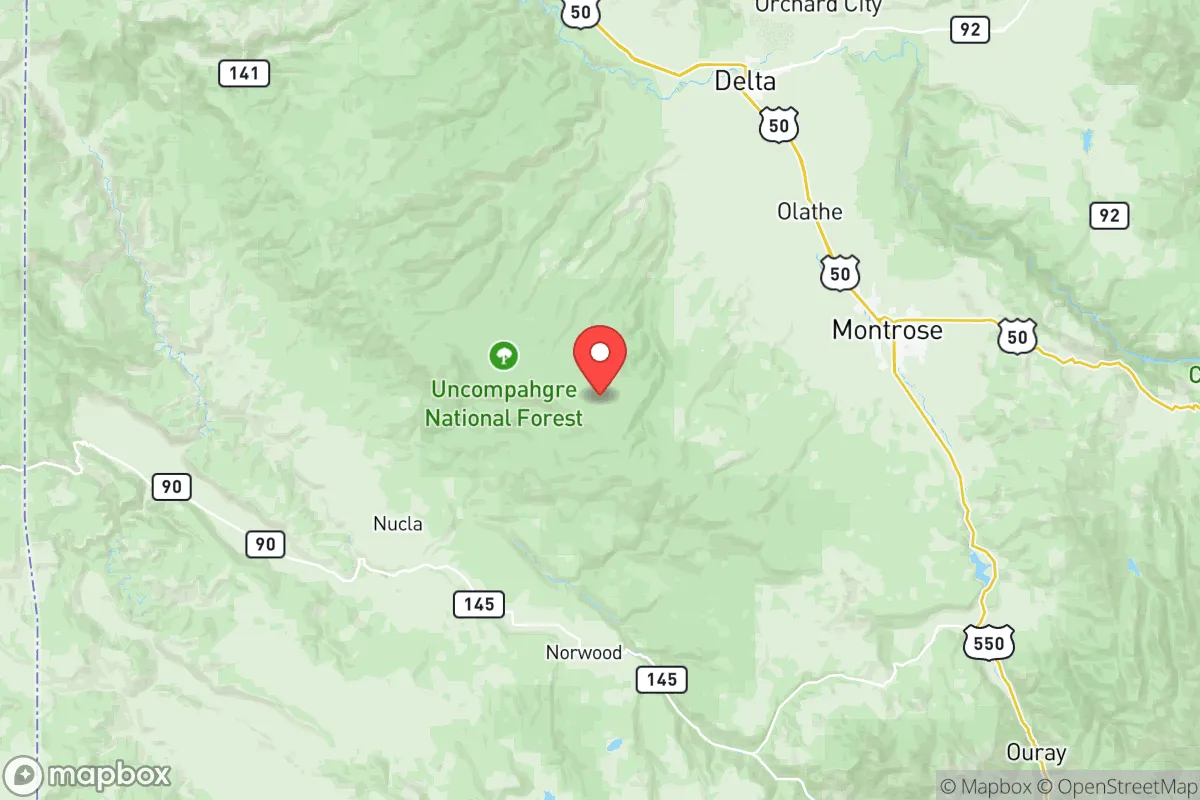
South of Montrose, the unincorporated community of Ridgway (pop. ~1,000) sits at the gateway to the San Juan Mountains and offers a more scenic, higher-altitude lifestyle with the Ridgway State Park and a charming downtown of galleries and cafes. Further south, Ouray (pop. ~1,000) is a historic mountain town known as the “Switzerland of America,” with dramatic box canyon scenery, hot springs, and a tourism-driven economy — but it is also the most expensive pocket in the county for housing. On the western side, Nucla and Naturita (combined pop. ~1,200) sit in the remote Paradox Valley, offering the lowest home prices in the county and a self-reliant, off-grid ethos popular with homesteaders and those seeking extreme affordability. Redvale and Paradox are tiny unincorporated hamlets where properties often come with acreage, well water, and no municipal services.
Cost & lifestyle range
The cost-of-living spread across Montrose County is wide. At the high end, Ouray and Ridgway command median home prices well above the county average — often $600,000 to $1 million+ — due to limited inventory, scenic desirability, and proximity to Telluride. At the low end, Nucla and Naturita offer median home values often below $200,000, though with fewer jobs and longer drives (45–60 minutes) to Montrose for groceries and healthcare. Montrose itself sits in the middle: the countywide median home value of $357,900 and median rent of $1,120 are attainable for many dual-income households, especially compared to the Front Range. Lifestyle trade-offs are clear: Montrose offers convenience and services, Ridgway and Ouray offer mountain beauty and recreation, and the western valleys offer solitude and affordability at the cost of isolation.
Who thrives in Montrose County? Outdoor enthusiasts who want year-round access to hiking, fishing, hunting, and skiing without resort-town prices; remote workers and retirees who value a moderate climate and a slower pace; and families or individuals willing to trade some urban amenities for space and lower housing costs. The county’s diversity of settings — from the full-service city of Montrose to the remote homesteads of the Paradox Valley — means there is a niche for nearly every lifestyle, provided the trade-offs in commute, services, and social scene are understood upfront.

Crime in Montrose County
Higher crime rates than 57% of comparable U.S. locations.
Violent CrimeViolent Crime Analysis
Property CrimeProperty Crime Analysis
Crime Analysis
Montrose County, Colorado, presents a mixed safety picture that demands careful attention from potential residents. The county's violent crime rate of 428.1 incidents per 100,000 residents significantly exceeds both the Colorado state average and the national median, placing it among the higher-risk rural counties in the Western Slope region. Property crime is also elevated at 2,177.4 per 100,000, roughly 20% above the national benchmark, meaning residents face a tangible risk of theft, burglary, and vehicle break-ins that is not uniform across the county's communities.
Crime in context
To understand Montrose County's crime data, it helps to compare it against Colorado's broader trends. The state's violent crime rate hovers around 370 per 100,000, while the national rate sits near 380 — meaning Montrose County's 428.1 figure is roughly 13% higher than the state average and about 12% above the national figure. Property crime in the county, at 2,177.4 per 100,000, is notably higher than the Colorado average of roughly 1,900 and the national median of about 1,950. These numbers are driven substantially by the county seat, Montrose city, which concentrates a disproportionate share of reported offenses. By contrast, smaller towns like Olathe and Nucla report lower raw incident counts, though their smaller populations can produce volatile per-capita rates in any given year. The 7th Judicial District, which covers Montrose, Delta, Gunnison, Hinsdale, Ouray, and San Miguel counties, has seen a notable increase in drug-related property crime since 2020, a pattern law enforcement attributes to methamphetamine and fentanyl trafficking along the US-50 corridor.
What residents experience
For those living in Montrose County, the elevated crime statistics translate into concrete daily concerns. Vehicle break-ins and residential burglaries are the most commonly reported property crimes, particularly in neighborhoods near the US-550 and US-50 intersections within Montrose city limits. Residents in outlying areas such as Redvale or Paradox experience far fewer incidents, but face longer emergency response times due to the county's geography. The violent crime category is dominated by aggravated assault, which accounts for roughly 70% of the county's violent offenses; homicides remain rare, typically 1–2 per year. The local district attorney's office, elected on a platform of law-and-order prosecution, has maintained a conviction rate above 85% for violent felonies, though critics note that progressive sentencing reforms at the state level have reduced minimum sentences for certain drug and property crimes, leading to shorter jail terms for repeat offenders. This dynamic — where local prosecutors pursue charges aggressively but state-level policies limit incarceration time — creates a gap between enforcement and deterrence that residents should factor into their safety expectations.
Neighborhood-level variation within Montrose County is significant. The city of Montrose itself contains both higher-crime zones — particularly the area around Main Street and the US-50 commercial corridor — and safer residential enclaves like the South Uncompahgre subdivision and the Cedar Creek neighborhood. Olathe, roughly 10 miles east, reports property crime rates about 30% lower than Montrose city, while Nucla and Naturita in the western part of the county see very few violent crimes but struggle with occasional rural theft and trespassing. For families prioritizing safety, the unincorporated areas south of Montrose city and the communities along the San Juan River corridor offer the lowest incident rates in the county, though they require longer commutes to shopping and services. Prospective residents should review the Montrose Police Department's annual crime reports and consider visiting neighborhoods at different times of day to assess lighting, traffic, and visible security measures before committing to a specific location.
* Values derived from national, state, county, city and local statistics and may differ in a specific area. Last updated: 2026-08-08T12:42:46.000Z
Narrative content on this page is AI-generated and may contain mistakes. Verify any details that matter before acting on them.
ReloMaps may earn a commission from affiliate links at no extra cost to you.

