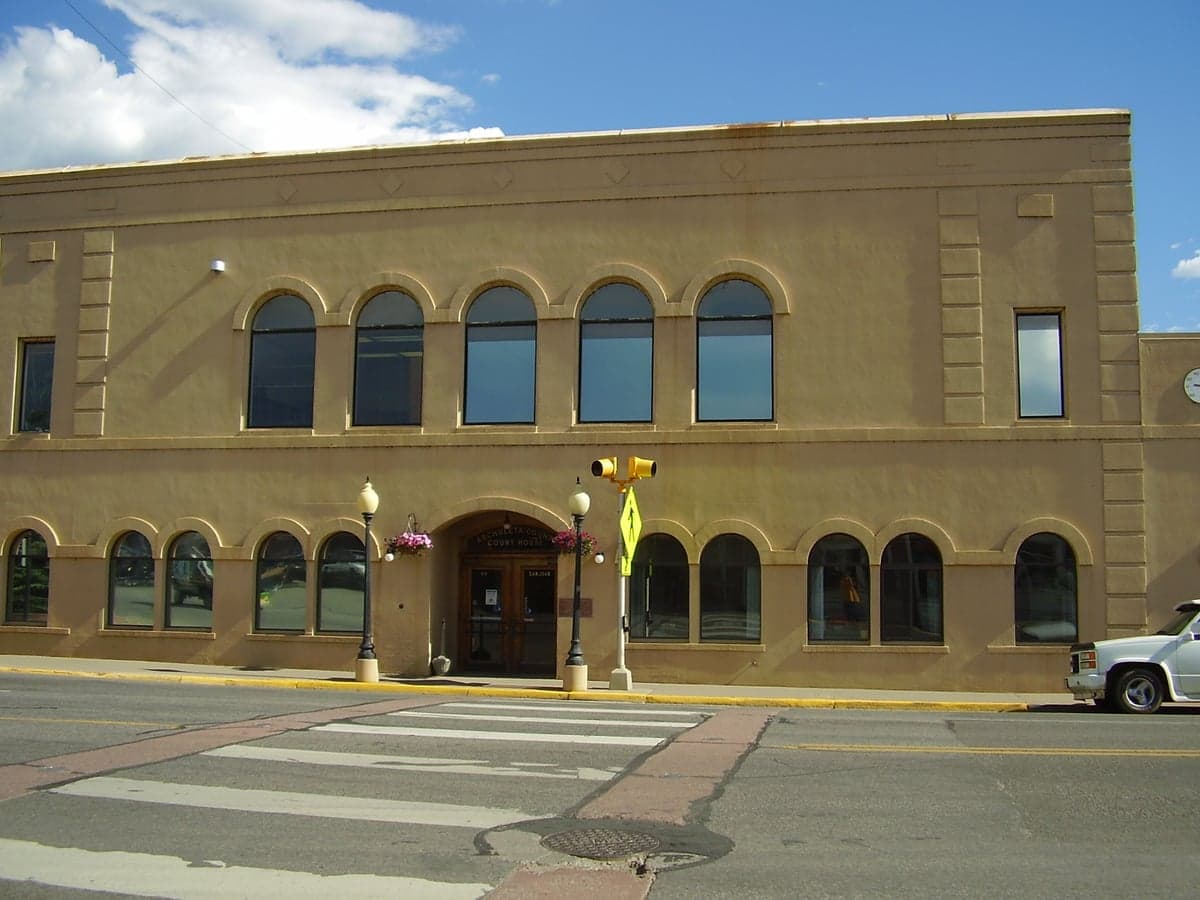
Photo: Wikipedia
Quality of Life in Archuleta County
A livable area that tracks near national norms for affordability, walkability, and neighborhood health.
What does Quality of Life tell us?
Quality of Life measures an area by evaluating factors like cost of living, nearby amenities, country club access, airport proximity, socioeconomic signals and neighborhood character. For large states, this is a general average — quality of life can vary dramatically between metro areas, suburbs, and rural communities within the same state.
What does this tell us?
Quality of Life measures an area by evaluating factors like cost of living, nearby amenities, country club access, airport proximity, socioeconomic signals and neighborhood character. For large states, this is a general average — quality of life can vary dramatically between metro areas, suburbs, and rural communities within the same state.
Cost of Living
37% above national average
60%
The Real Cost of Living in Archuleta County for 2026
| Tier | Individual | Family (4) |
|---|---|---|
| Survival | $22k | $42k |
| Comfortable | $87k | $128k |
| Luxury | $127k+ | $197k+ |
| Elite (Top 5%) | $150k+ | $232k+ |
Quality-of-Life Analysis
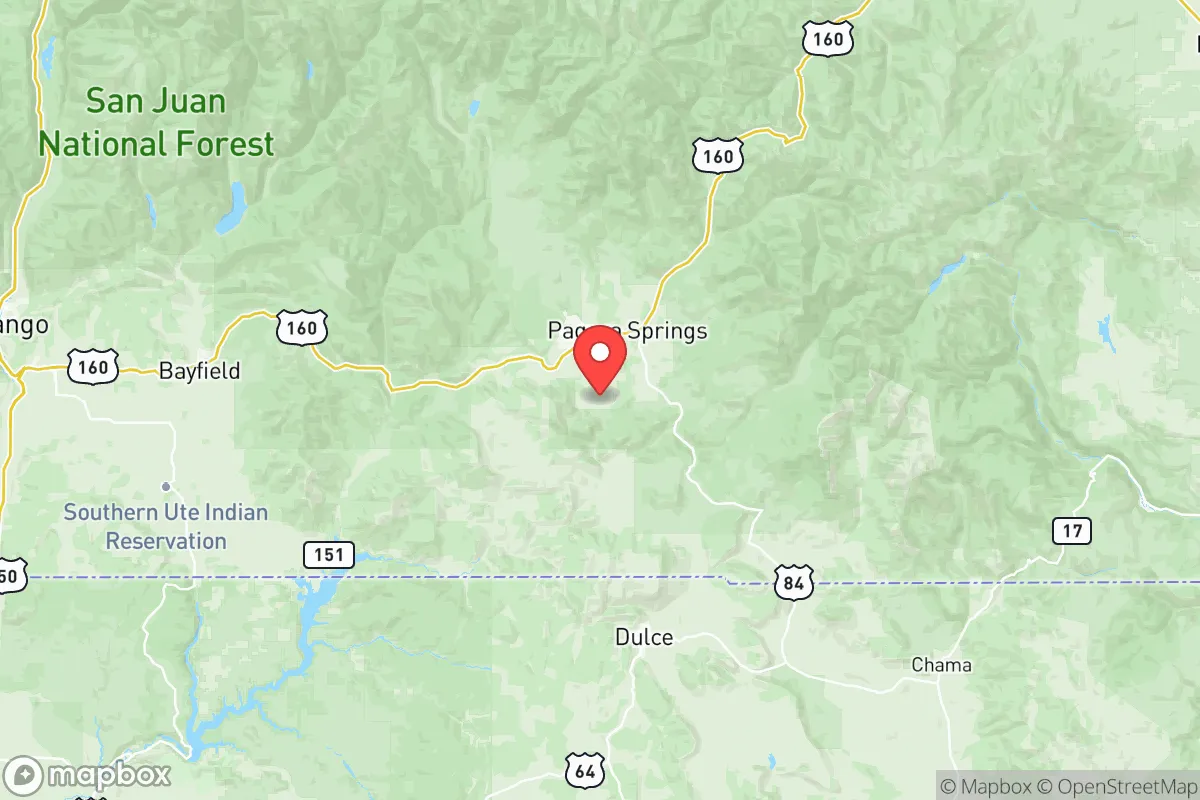
Archuleta County, Colorado, offers a quality-of-life spectrum that stretches from the resort-oriented town of Pagosa Springs to remote, off-grid homesteads along the Piedra River and Navajo Reservoir. The county's character shifts dramatically across its 1,350 square miles, appealing to everyone from second-home buyers seeking luxury mountain amenities to independent ranchers and budget-conscious retirees who value land and solitude over proximity to shops.
Largest town(s) & population centers
Pagosa Springs is the undisputed hub, home to roughly 1,800 of the county's 13,000 residents. Daily life here centers on the hot springs-fed San Juan River, downtown shops along Pagosa Street, and a growing slate of breweries and restaurants. The town has a split identity: the historic core draws tourists and locals to the springs and riverwalk, while the commercial strip on US 160 (Piedra Road area) hosts big-box retail and fast food. Employment is heavily tied to tourism, healthcare (Pagosa Springs Medical Center), and the school district. The average commute is a short 23 minutes, with many workers living outside town limits yet driving into Pagosa for jobs. The year-round population swells with seasonal workers and vacation-home owners, creating a transient undercurrent. For those wanting walkable access to amenities, in-town neighborhoods near the river command a premium; newer subdivisions on Hatcher Lake and North Pagosa Boulevard offer larger lots with quick access to main roads.
Smaller towns & rural pockets
Outside Pagosa Springs, the county consists of unincorporated communities and scattered rural developments. Chromo, 15 miles southeast of Pagosa, is a tiny cluster of homes and a post office along the Rio Grande & San Luis Valley Railroad corridor. Life here is quiet and agricultural, with livestock grazing and hay operations defining the landscape. Arboles, on the shores of Navajo Reservoir in the county’s southwestern corner, is a fishing and boating gateway; its population of roughly 200 consists of retirees, border-town workers (the New Mexico line is minutes away), and second-home owners with lakefront cabins. Piedra area, along the Piedra River north of town, is a mix of vacation rentals and permanent homes on wooded acreage, popular with fly fishers and hikers wanting seclusion. East of Pagosa, the Treasure Mountain subdivision (commercial development aside from the resort) and private land along Quartz Ridge offer large parcels—some exceeding 50 acres—where residents haul water and rely on solar power. These pockets lack municipal services like sewer and street lighting, and daily errands require a 20-to-40-minute drive into Pagosa Springs.
Cost & lifestyle range
Archuleta County's cost of living index of 137 (37% above the US average) masks wide variation within the county. The most expensive option is a new home in the San Juan River corridor or Pagosa Lakes subdivisions (e.g., Fairfield Bay), where median home values climb past $600,000 and HOA fees cover lake access and landscaping. At the other extreme, raw land parcels near Chromo or Arboles still sell for under $100,000, though building costs and well-drilling can push total investment above $350,000. The countywide median home value of $451,400 and median rent of $1,409 are both elevated by the resort premium in Pagosa Springs proper; comparable rents in Chromo or Arboles are scarce because rental inventory is essentially non-existent outside the main town. Utilities are regionally high—electric rates from La Plata Electric Association run about 30% above national benchmarks—and propane delivery is standard for heating in rural homes. Property taxes are relatively low (averaging 0.45% of assessed value) thanks to Colorado's Gallagher Amendment legacy, which keeps the burden on residential owners moderate compared to other mountain counties.
Who thrives in Archuleta County? The range of options means a remote worker with a six-figure income can buy a riverfront home in Pagosa Springs and enjoy walkable amenities, while a retired couple seeking a low-tax, high-solitude lifestyle can settle on 20 acres near Chromo and manage a garden and small livestock operation. The county works best for those who value outdoor recreation—San Juan National Forest, the hot springs, and Navajo Lake are all within 30 minutes—and who accept limited shopping beyond basics, seasonal tourism crowds, and a two-hour drive to the nearest regional hospital in Durango. It is a place where lifestyle choice is dictated less by budget than by tolerance for distance from services.

Crime in Archuleta County
Crime rates similar to the national median for U.S. locations.
Violent CrimeViolent Crime Analysis
Property CrimeProperty Crime Analysis
Crime Analysis
Archuleta County in southwestern Colorado reports a violent crime rate of 426.6 per 100,000 residents and a property crime rate of 2,173.1 per 100,000, placing it above national averages in both categories. The county seat of Pagosa Springs is the primary population center, while smaller communities like Arboles, Chromo, and the area around Chimney Rock see far fewer incidents. Though the county is not a high‑crime destination, its rates are lifted by seasonal tourism and transient traffic along U.S. 160.
Crime in context
Archuleta County’s violent crime rate is higher than Colorado’s statewide average of roughly 370 per 100,000 and exceeds the national figure of about 380 per 100,000. However, property crime at 2,173.1 per 100,000 sits below the Colorado average of approximately 2,450 per 100,000, though still above the U.S. median. Comparing to neighboring rural counties, Archuleta’s rates are moderate — higher than Mineral County’s but lower than La Plata County (which includes Durango). The county’s location on the main corridor between the San Juan Mountains and New Mexico means a disproportionate share of property crime is tied to vehicle break‑ins and theft from vacation rentals in Pagosa Springs.
What residents experience
The typical crime in Archuleta County is non‑violent property crime — burglary, theft from vehicles, and package theft — concentrated in the Pagosa Springs townsite and near the ski resort. Violent crime is rare for most neighborhoods, though the county’s small population means a single family disturbance or a bar fight can spike the per‑capita rate. Unlike large Colorado metros such as Denver and Boulder, where progressive district attorneys have drawn criticism for reducing prosecution of property and drug offenses, Archuleta County falls under the 6th Judicial District, whose elected DA has maintained a historically tough‑on‑crime stance. This conservative judicial approach is cited by local residents as a reason offenders are less likely to return quickly to the streets, keeping repeat property crime lower than in more liberal jurisdictions.
Residents in outlying communities like Arboles and Chromo experience near‑zero violent crime, with police response times of 30‑45 minutes; the isolation itself acts as a deterrent. In contrast, the Wolf Creek Ski Area access corridor and the Pagosa Springs downtown corridor see the highest number of annual theft and assault calls, concentrated during the summer rafting season and winter ski holidays. The Archuleta County Sheriff’s Office and Pagosa Springs Police Department both emphasize proactive patrols during tourism peaks.
Neighborhood-level variation
Safety varies notably between the incorporated town of Pagosa Springs and the unincorporated county. The downtown commercial core and the surrounding residential districts east of U.S. 160 report most of the county’s larceny and vandalism. Newer subdivisions along Piedra Road and the San Juan River corridor are generally safer, though vehicle thefts occur sporadically. The remote areas around the Navajo Lake State Park near Arbol
* Values derived from national, state, county, city and local statistics and may differ in a specific area. Last updated: 2026-06-01T14:46:28.000Z
Narrative content on this page is AI-generated and may contain mistakes. Verify any details that matter before acting on them.
ReloMaps may earn a commission from affiliate links at no extra cost to you.

