 Popular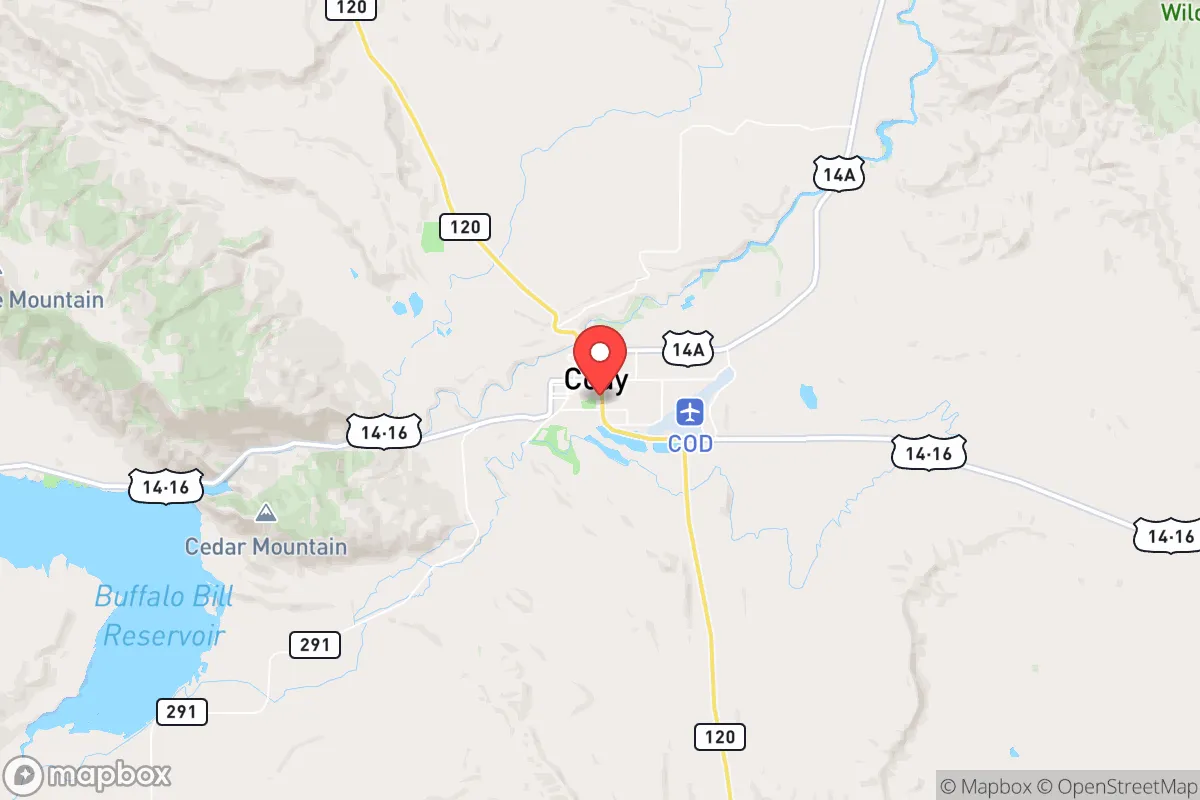
Quality of Life in Cody, WY
A high quality of life with strong walkability, manageable living costs, healthy neighborhood signals, and solid amenity access.
What does Quality of Life tell us?
Quality of Life blends cost of living, nearby amenities, socioeconomic signals, and neighborhood character. City-level scores represent the whole municipality; individual neighborhoods can differ.
What does this tell us?
Quality of Life blends cost of living, nearby amenities, socioeconomic signals, and neighborhood character. City-level scores represent the whole municipality; individual neighborhoods can differ.
Cost of Living
4% above national average
The Real Cost of Living in Cody, WY for 2026
| Tier | Individual | Family (4) |
|---|---|---|
| Survival | $17k | $31k |
| Comfortable | $69k | $102k |
| Luxury | $117k+ | $182k+ |
| Elite (Top 5%) | $138k+ | $214k+ |
67%
The Area Signal
A metric tracking the socioeconomic signals of the area.
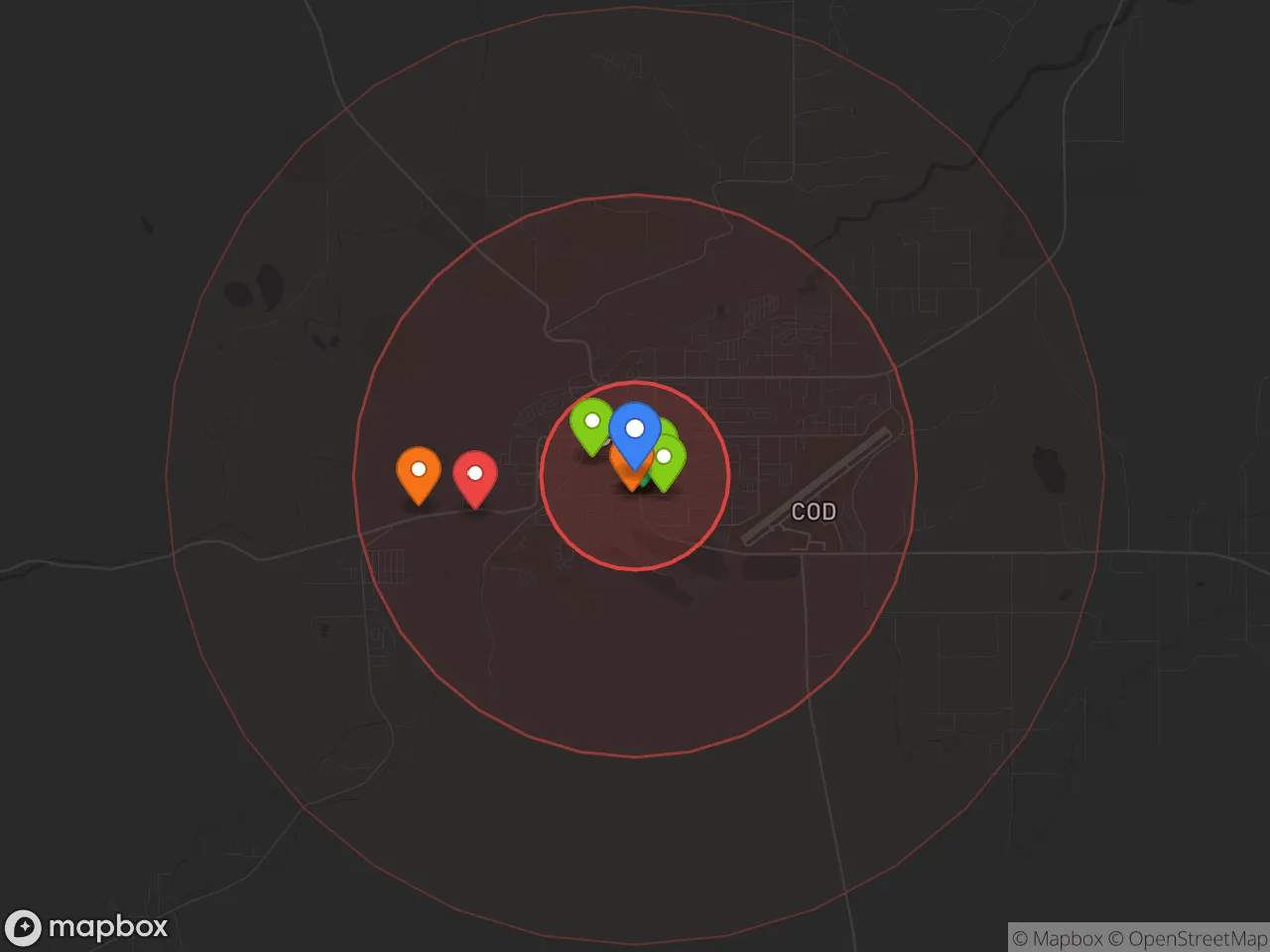
Hobbies
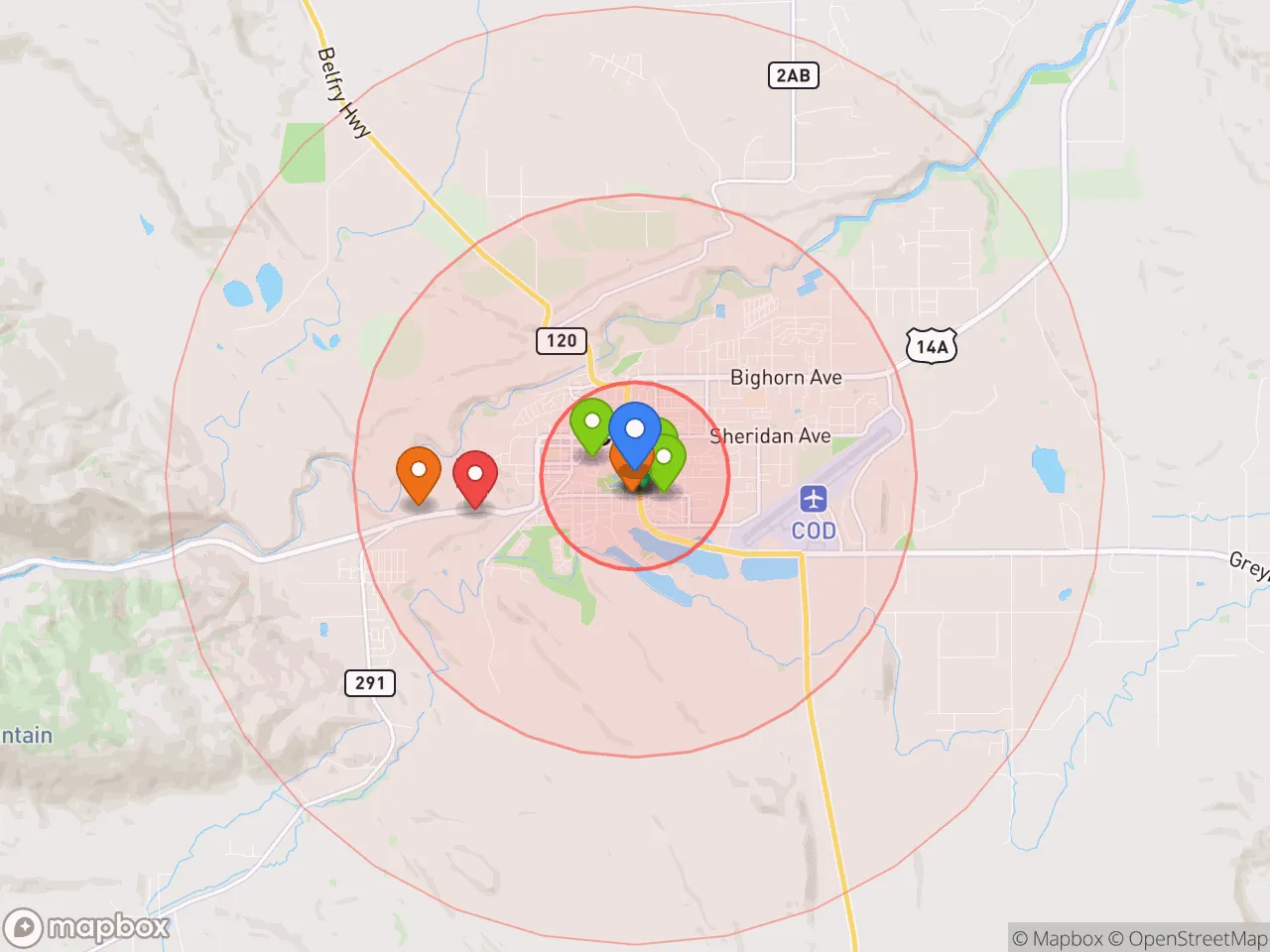
Explore the areaGroceries
2 within 10 miles
Gas
6 within 10 miles
Hospital
1 within 20 miles
Airport
SLC — Salt Lake City International
Post Office
Critical Amenities
Quality-of-Life Analysis
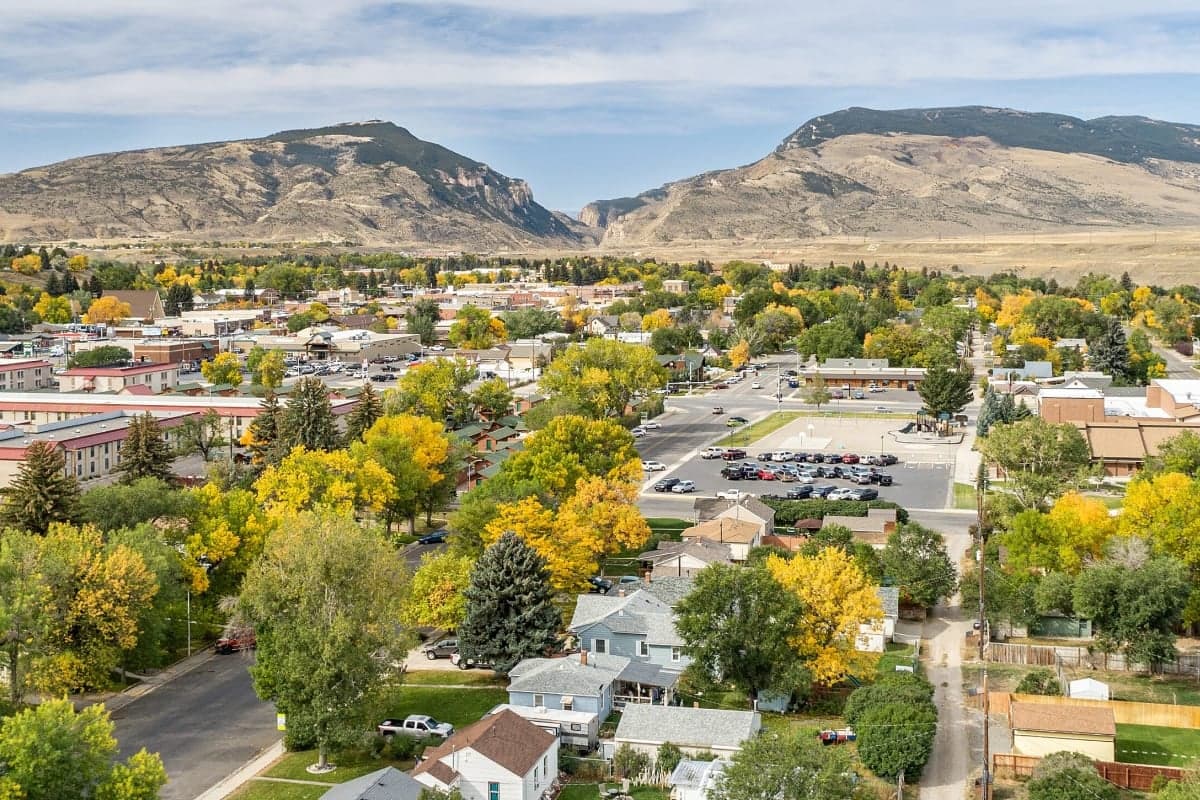
Cody, Wyoming, presents a quality of life defined by its unique blend of Western heritage, outdoor recreation, and a surprisingly affluent population for a town of its size. The community is anchored by the Buffalo Bill Center of the West and serves as the eastern gateway to Yellowstone National Park, attracting a mix of second-home owners, retirees, and professionals in tourism, energy, and healthcare. With a cost of living index of 104 (just above the national average of 100), Cody offers a more attainable lifestyle than Jackson Hole or Bozeman, while still commanding a premium over the rest of rural Wyoming.
Cost of living, housing affordability, and how Cody compares to nearby towns
Cody’s housing market reflects its desirability. The median home value sits at $357,300, which is roughly 15% below the national median but significantly higher than the Wyoming state average of about $280,000. For renters, the median rent of $1,039 is notably affordable compared to tourist-heavy neighbors like Jackson (where median rent exceeds $2,000) or Bozeman, Montana (over $1,800). The average commute time of just 16.3 minutes is a major quality-of-life advantage, allowing residents to live close to work and spend more time on recreation. However, inventory is tight—Cody’s housing stock has not kept pace with population growth, and homes under $300,000 often sell within days. Property taxes remain low by national standards (roughly 0.6% of assessed value), which helps offset the slightly elevated cost of goods and services driven by tourism demand.
What daily life is like: schools, amenities, and the local rhythm
Daily life in Cody revolves around a compact, walkable downtown and easy access to the Shoshone National Forest. The Park County School District #6 consistently ranks among Wyoming’s top performers, with Cody High School posting a graduation rate above 90% and strong STEM programs supported by local energy-sector partnerships. Amenities include a modern hospital (Cody Regional Health), a regional airport with direct flights to Denver, and a surprisingly robust arts scene centered on the Buffalo Bill Center of the West. The local rhythm is seasonal: summer brings a flood of Yellowstone-bound tourists, while winter slows to a quieter pace ideal for snowmobiling, cross-country skiing, and ice fishing at Buffalo Bill Reservoir. Residents frequently note that the town’s small size (roughly 10,000 year-round residents) means most errands can be done in under 15 minutes, and community events like the Cody Stampede Rodeo in July anchor the social calendar.
Cody is best suited for those who value outdoor recreation, low crime rates, and a strong sense of community over urban amenities or career diversity. It works well for families seeking good schools and safe neighborhoods, retirees drawn to the mild summers and low taxes, and remote workers who can tolerate limited high-speed internet options in some outlying areas. The trade-offs are real: winters are long and cold (average January high of 30°F), dining and shopping choices are limited compared to larger cities, and the nearest major metro (Billings, Montana) is 90 minutes away. For those who prioritize space, scenery, and a slower pace, Cody delivers a quality of life that few other Rocky Mountain towns can match at this price point.

Crime in Cody, WY
Lower crime rates than 92% of comparable U.S. locations.
Violent CrimeViolent Crime Analysis
Property CrimeProperty Crime Analysis
Crime Analysis
Cody, Wyoming, presents a notably safe environment compared to national averages, with its crime statistics reflecting a community where violent incidents are rare and property crime, while present, remains below the typical U.S. rate. The city's violent crime rate of 124.3 per 100,000 residents is significantly lower than the national median, and its property crime rate of 650.2 per 100,000 also falls below the national benchmark. This safety profile is a key factor for those considering relocation to the area, particularly for families and retirees seeking a secure, small-town atmosphere.
Crime in context
When compared to both state and national figures, Cody's crime data underscores its reputation as a low-crime community. The violent crime rate is roughly one-third the national average, and property crime is about 20% lower than the typical U.S. city. This aligns with broader trends in Park County, which consistently reports lower crime rates than the Wyoming state average. The absence of a large, progressive urban center with soft-on-crime policies—a dynamic that often drives up crime in many metro areas—is a defining characteristic of Cody's justice environment. Local law enforcement and the judicial system in Park County maintain a traditional, public-safety-first approach, which directly contributes to fewer criminals on the street and a higher degree of accountability for offenders.
What residents experience
For those living in Cody, the low crime rates translate into a tangible sense of security. Violent crime is infrequent, with the most common incidents being simple assaults rather than aggravated attacks or robberies. Property crime, primarily theft from vehicles and burglaries, does occur but is not a daily concern for most residents. The community's strong social fabric and active neighborhood watch programs further deter criminal activity. Unlike in many large metro areas where progressive district attorneys may deprioritize property crimes, Cody's legal system treats all offenses seriously, reinforcing a culture where victims' rights and public safety are paramount. This means residents are less likely to encounter repeat offenders or face the frustration of crimes going unprosecuted.
Neighborhood-level variation in Cody is minimal, with safety being relatively consistent across the city. The downtown core and areas near the historic district see slightly higher foot traffic and occasional petty theft, but violent crime is virtually non-existent in all residential zones. The most affluent areas, such as those near the Buffalo Bill Center of the West or along the Shoshone River, experience the lowest crime rates, while the more affordable neighborhoods near the industrial park see a marginal uptick in property crime. Overall, Cody's uniform safety profile is a direct result of its conservative legal framework and community-oriented policing, making it a standout choice for those seeking to escape the crime problems endemic to larger, more progressive jurisdictions.
* Values derived from national, state, county, city and local statistics and may differ in a specific area. Last updated: 2026-10-02T20:49:12.000Z
Narrative content on this page is AI-generated and may contain mistakes. Verify any details that matter before acting on them.
ReloMaps may earn a commission from affiliate links at no extra cost to you.

