Political ClimatePolitical Climate in Carmichael, CA
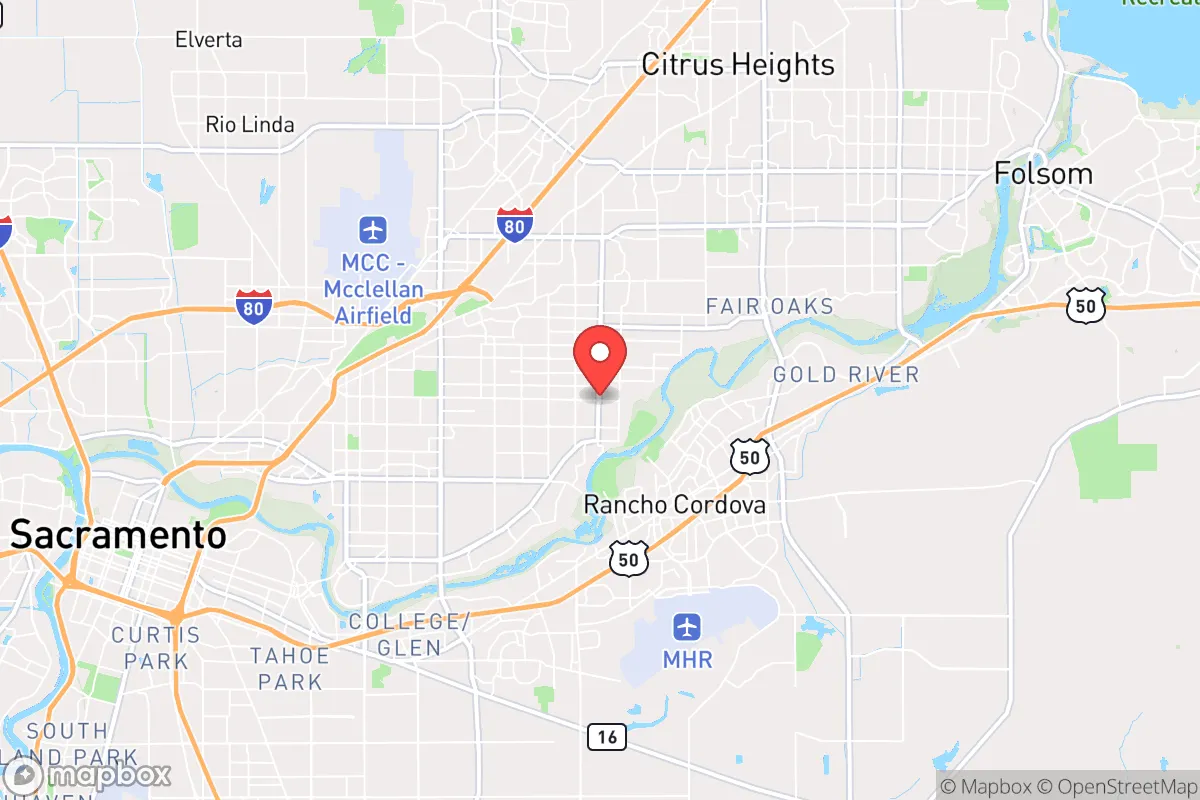
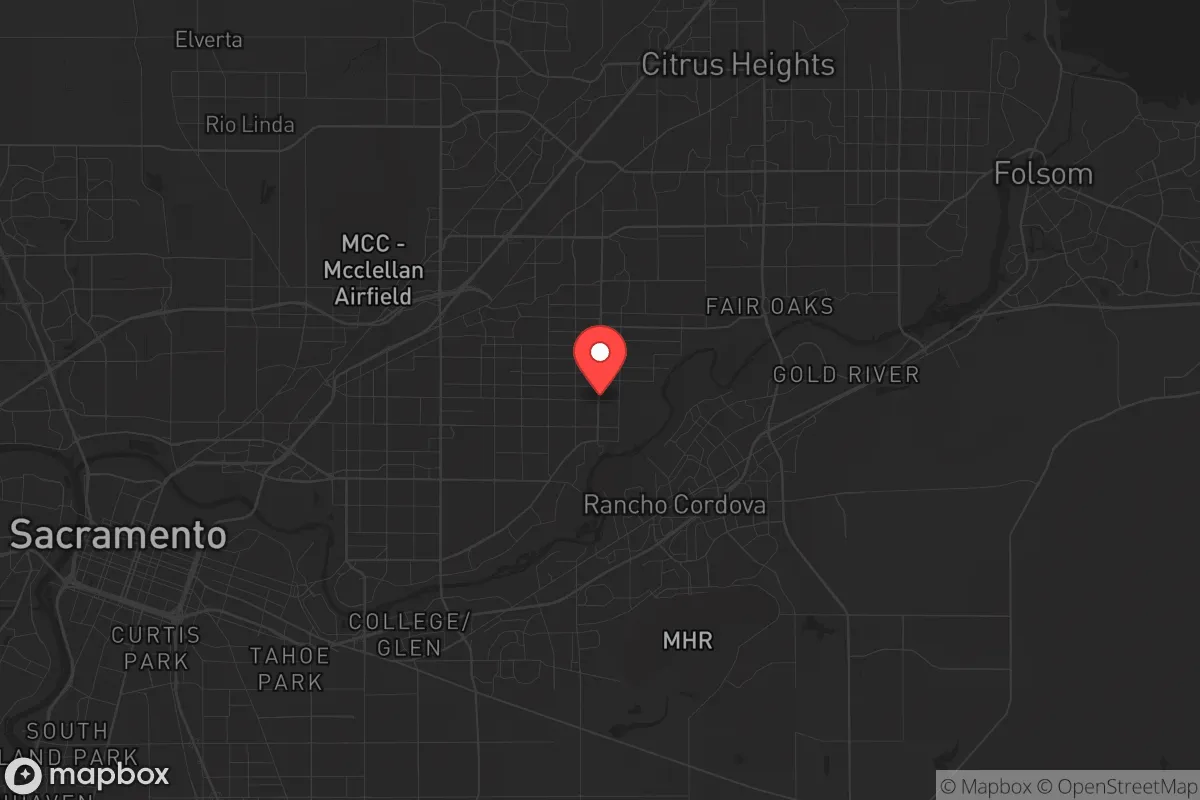
District shown is the primary district for this city’s centroid. Cities may span multiple districts.
Local Political AnalysisPolitical Analysis of Carmichael, CA
How it compares
Compared to California as a whole, Carmichael's D+8 is actually a bit more conservative than the statewide average, which has hovered around D+13 to D+15 in recent cycles. That means Carmichael is a relative moderate pocket within a deep blue state. For context, nearby Roseville and Rocklin in Placer County are solidly Republican (R+12 or more), while downtown Sacramento is D+25 or higher. So Carmichael occupies a genuine middle ground: it's not a swing area, but it's not a progressive stronghold either. In local races, this often produces competitive primaries and general elections where moderate Democrats and pragmatic Republicans both have a shot, especially in city council and county supervisor contests. The surrounding unincorporated areas of Sacramento County lean similarly, though the closer you get to Citrus Heights, the more the numbers tick toward the center-right.What this means for residents
For liberal residents, Carmichael feels comfortable but not overwhelmingly activist. You'll see Harris-Walz yard signs and local Democratic club meetings, but you won't encounter the same intensity of progressive organizing you'd find in Midtown Sacramento or Davis. For conservative residents, the area is still livable politically. Many longtime Republican families remain, and there are active GOP clubs and churches where conservative viewpoints are welcome. The practical effect of the D+8 lean shows up most in policy outcomes: local schools and county services lean progressive on issues like housing density and environmental regulation, but not to the extremes seen in San Francisco or Los Angeles. Property taxes and zoning rules reflect California's statewide framework, so the biggest political friction points for residents are usually state-level mandates on housing and energy, not local ordinances.What this means for families and newcomers
For families moving to Carmichael, the political climate means you'll find a mix of viewpoints at school board meetings and neighborhood gatherings. The area's trajectory suggests it will continue to shift left, but slowly, as new arrivals tend to be younger and more diverse than the retiring generation. Longtime residents often note that Carmichael was once a conservative stronghold where Ronald Reagan signs were common; today, the same streets show a blend of Democratic and nonpartisan leanings. If you're a conservative, you won't feel isolated, but you'll be in the minority in most countywide elections. If you're a liberal, you'll find plenty of like-minded neighbors, but don't expect the same level of political energy you'd get closer to the state capitol. The bottom line: Carmichael is a politically moderate suburb in a blue state, where the D+8 rating reflects a community that votes Democratic but values stability and pragmatism over ideological purity.
State Political ClimatePolitical Climate in California
State Political AnalysisPolitical Environment in the State
California is a deeply blue state where Democrats hold every statewide office and supermajorities in both legislative chambers, but the reality on the ground is far more complex than the national headlines suggest. The state hasn't voted Republican in a presidential race since George W. Bush in 2004, and the partisan gap has only widened since then — Joe Biden won by 29 points in 2020, and Kamala Harris carried it by roughly 20 points in 2024. But that top-line number masks a state that is politically fractured along geographic, economic, and cultural lines, and the last decade has seen a noticeable rightward shift in many inland communities even as the coastal metros pull harder left.
Urban vs. rural divide
The political map of California is essentially a story of three distinct regions. The coastal metros — Los Angeles, the San Francisco Bay Area, and San Diego — generate the vast majority of the state's Democratic votes. Los Angeles County alone casts more ballots than 40 other states, and it votes about 70% Democratic. The Bay Area is even bluer: San Francisco County routinely hits 85% Democratic, and Alameda and Santa Clara counties aren't far behind. These areas are the engine of the state's progressive policy agenda, driven by a mix of tech wealth, union labor, and a dense concentration of college-educated professionals.
Inland, the picture flips hard. The Central Valley, the Inland Empire east of Los Angeles, and the far northern counties are reliably red. Bakersfield and the surrounding Kern County are among the most conservative areas in the entire state, regularly voting 60%+ Republican. Redding in Shasta County is another conservative stronghold, where Trump won by 30 points in 2020 and where local politics have become a flashpoint over election administration and public health mandates. Orange County, once the heart of California conservatism, has been trending blue for a decade — it voted for Biden in 2020 and Harris in 2024, though the margins are tight and the county still has deep red pockets in places like Huntington Beach and Yorba Linda.
The real story of the last decade is the suburban shift. Places like Riverside and San Bernardino counties in the Inland Empire are growing fast and becoming more competitive. Riverside County voted for Trump in 2016 and 2020, but by narrower margins than previous Republicans, and it flipped to Harris in 2024 — a sign that the state's fastest-growing region is slowly trending blue as new arrivals from Los Angeles change the electorate.
Policy environment
California's policy environment is defined by high taxes, heavy regulation, and a robust social safety net. The state has a progressive income tax with a top marginal rate of 13.3%, the highest in the nation, and a state sales tax that averages over 8.5% when local add-ons are included. Property taxes are capped at 1% of assessed value under Proposition 13, but reassessment upon sale means newer homeowners often pay far more than long-term residents. The regulatory climate is famously strict: California has its own environmental standards under the California Environmental Quality Act (CEQA), its own emissions rules that effectively set national auto policy, and some of the nation's toughest labor and employment laws.
On education, California spends above the national average per pupil, but outcomes are mixed — the state ranks near the bottom in fourth-grade reading and math proficiency on national assessments. School choice is limited; charter schools exist but face increasing regulatory pressure from the legislature and teachers unions. Healthcare is heavily regulated, with a state-run insurance exchange (Covered California) and some of the nation's strictest abortion protections, codified into the state constitution in 2022. Election laws are among the most accessible in the country: every registered voter receives a mail ballot automatically, same-day registration is available, and voting by mail is the norm.
Recent policy direction
The last five years have seen California accelerate in a distinctly progressive direction across nearly every policy domain. On gun and self-defense law, the state has passed some of the nation's strictest measures: a 2023 law prohibits carrying firearms in most public places, and a 2024 measure raised the purchasing age to 21 and imposed new storage requirements. The state also bans "assault weapons" and high-capacity magazines, and has a "may issue" concealed carry regime that was tightened further after the Bruen decision.
On parental and education rights, California has moved in the opposite direction of many red states. A 2024 law prohibits school districts from requiring parental notification when a child changes their gender identity or pronouns, and the state has expanded ethnic studies requirements and LGBTQ+ inclusive curriculum. Speech and privacy are protected under the state constitution, but a 2022 law expanded online speech restrictions related to hate speech and harassment. Medical and bodily autonomy is fully protected: abortion and gender-affirming care are legal and shielded from out-of-state legal action, and the state has positioned itself as a "sanctuary" for people traveling from states with bans.
On property rights, California remains a landlord-friendly state in some respects — rent control is limited by state law — but tenant protections have expanded significantly, including just-cause eviction requirements and caps on security deposits. Taxation continues to trend upward: a 2024 ballot measure proposed raising the corporate tax rate, and the state's gas tax is among the highest in the nation. Voting and ballot access has been made as easy as possible, with automatic voter registration, mail ballots for all, and no voter ID requirement — a point of ongoing controversy among conservatives who argue it undermines election integrity.
Civil unrest & political movements
California has been a center of political activism on both sides for decades. The 2020 George Floyd protests were among the largest and most destructive in the state, particularly in Los Angeles and Oakland, where property damage ran into the hundreds of millions. The homelessness crisis has generated its own political movements: in San Francisco and Los Angeles, voters have repeatedly passed measures to fund mental health and housing services, but frustration with street conditions has fueled recall efforts against progressive district attorneys in San Francisco and Alameda County.
On the right, the state's conservative minority has organized around school board elections, parental rights, and opposition to COVID-19 mandates. The 2021 recall of Governor Gavin Newsom failed by a wide margin, but it demonstrated the organizational capacity of the state's Republican base. Immigration politics are a constant flashpoint: California is a "sanctuary state" under SB 54, which limits local law enforcement cooperation with federal immigration authorities, and the state has sued the Trump administration repeatedly over border and immigration policies. Secession rhetoric — the "Calexit" movement — flares up periodically but has never gained serious traction; a 2018 poll found only about 20% of Californians support it.
Projection
Over the next five to ten years, California is likely to remain solidly Democratic at the statewide level, but the margins may narrow slightly as the state's population continues to shift inland and as high housing costs push moderate and conservative-leaning residents to the Central Valley and Inland Empire. The coastal metros will stay deeply blue, but the growing suburbs of Riverside and Bakersfield could become more competitive, potentially flipping a few congressional seats. The state's demographic trends — an aging white population, a growing Latino electorate, and continued in-migration from abroad — suggest the Democratic coalition will hold, but internal tensions between the party's progressive and moderate wings will intensify, especially around housing, crime, and education policy.
For someone moving to California now, the practical takeaway is this: if you're conservative, you will be in the minority statewide, but you will find like-minded communities in the Central Valley, the far north, and parts of the Inland Empire. You will pay high taxes and live under regulations that may feel intrusive, but you will also have access to some of the strongest property rights protections in the country under Prop 13 and a climate that allows for a wide range of outdoor lifestyles. If you're liberal, you will find a state that largely aligns with your values on social issues, but you will also face a high cost of living, a housing crisis that shows no signs of abating, and a political environment where your vote matters less in statewide races but counts heavily in local contests that shape your daily life. Either way, California is not a state that rewards political apathy — your voice matters most at the local level, where the real decisions about housing, schools, and public safety are made.
* Values derived from national, state, county, city and local statistics and may differ in a specific area. Last updated: 2026-08-22T09:41:09.000Z
Narrative content on this page is AI-generated and may contain mistakes. Verify any details that matter before acting on them.
ReloMaps may earn a commission from affiliate links at no extra cost to you.

