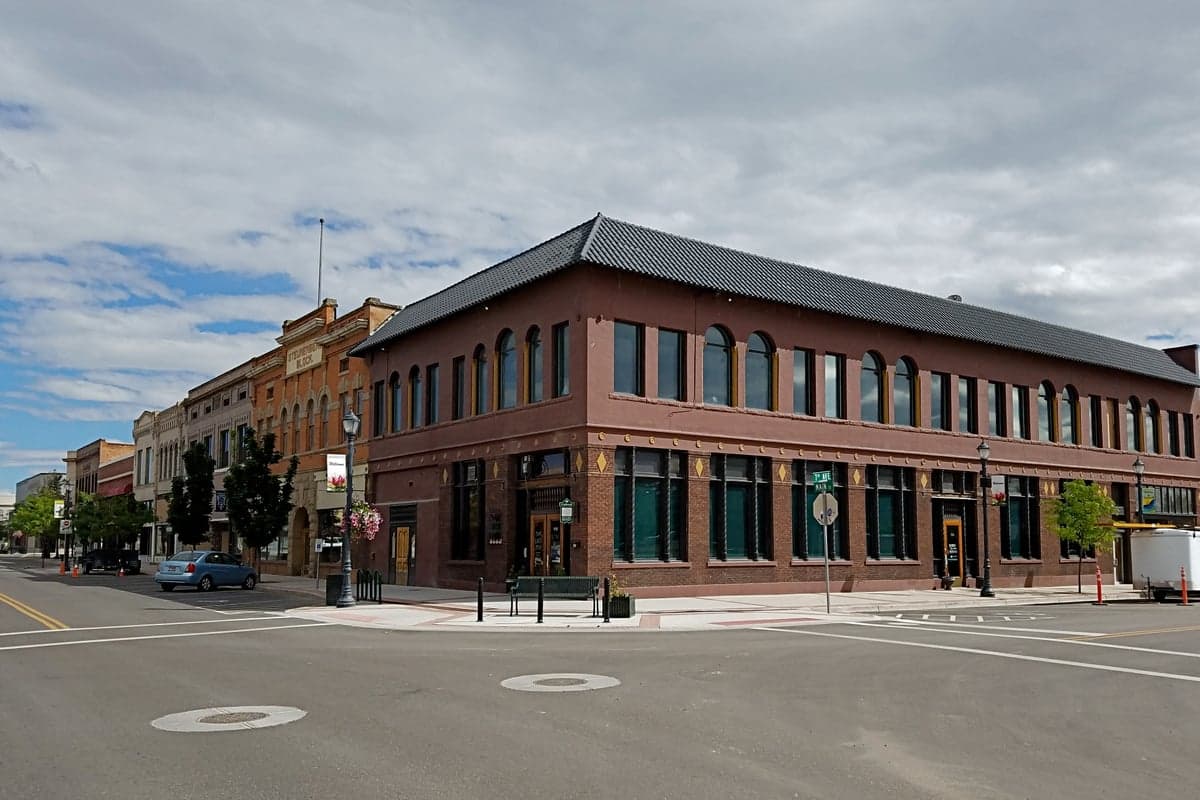
Photo: Wikipedia
Strategic Assessment of Caldwell, ID
Workable tactical position. Some exposure to population density or targets, but generally defensible in a crisis.
What does the Strategic Assessment tell us?
Our Strategic Assessment grades tactical survivability of an area. Major population centers, military targets, fallout zones, natural disasters, and border exposure all drive risk — lower exposure means a more defensible position in a crisis.
This is heavily inspired by Joel Skousen's Strategic Relocation book. Highly recommended you checkout the book ($)What does this tell us?
Our Strategic Assessment grades tactical survivability of an area. Major population centers, military targets, fallout zones, natural disasters, and border exposure all drive risk — lower exposure means a more defensible position in a crisis.
This is heavily inspired by Joel Skousen's Strategic Relocation book. Highly recommended you checkout the book ($)Strategic Pillars

Key Distances
Regional Safe Places
Below is our recommended "safe zones" in Idaho and the surrounding area based on our strategic heuristics. For most people, it's unrealistic to live in a “safe zone” full-time due to work, family or other personal reasons. They tend to be more rural. However, many of these areas are perfect for second homes and retreat properties that double as a vacation home or even a short-term rental.
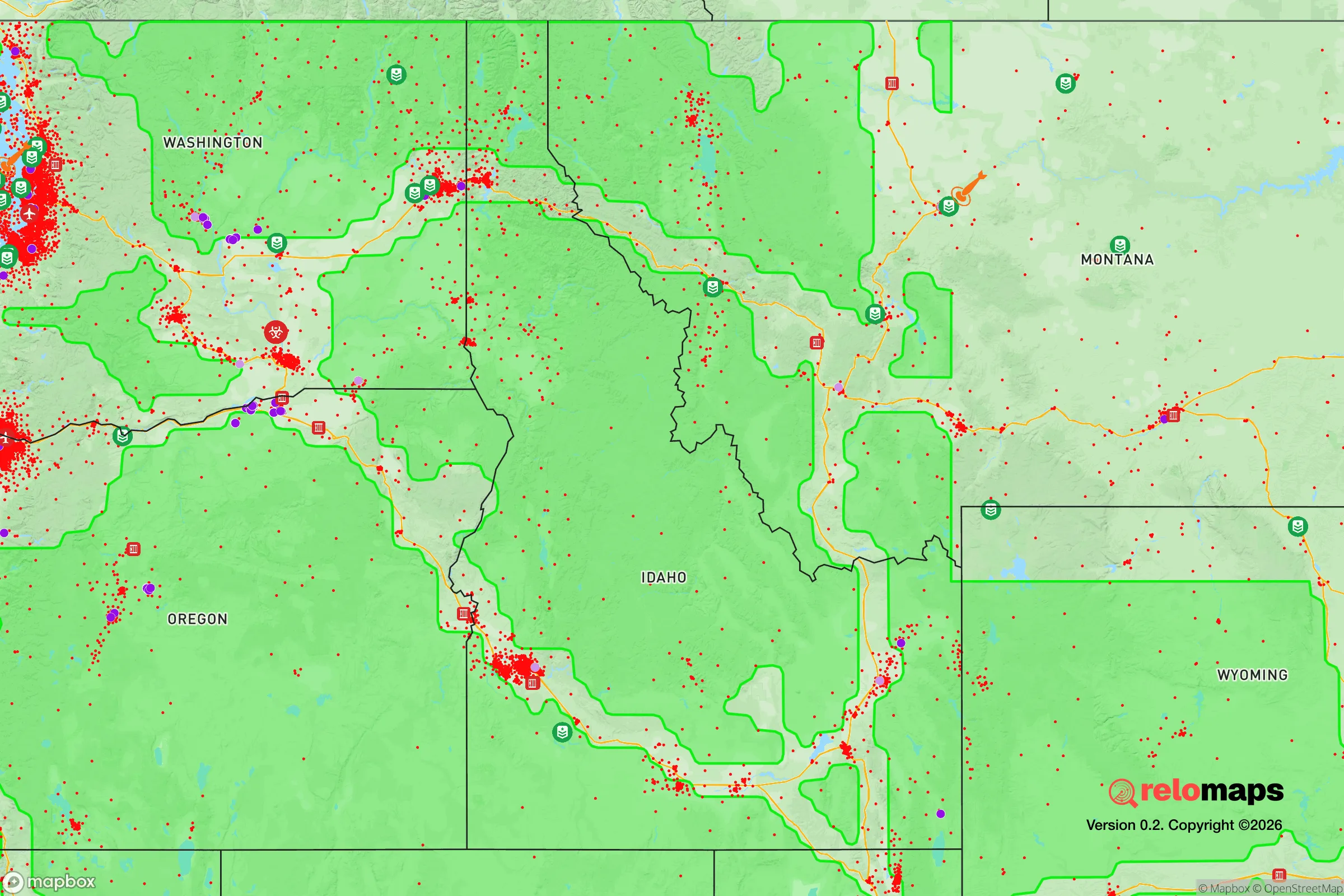
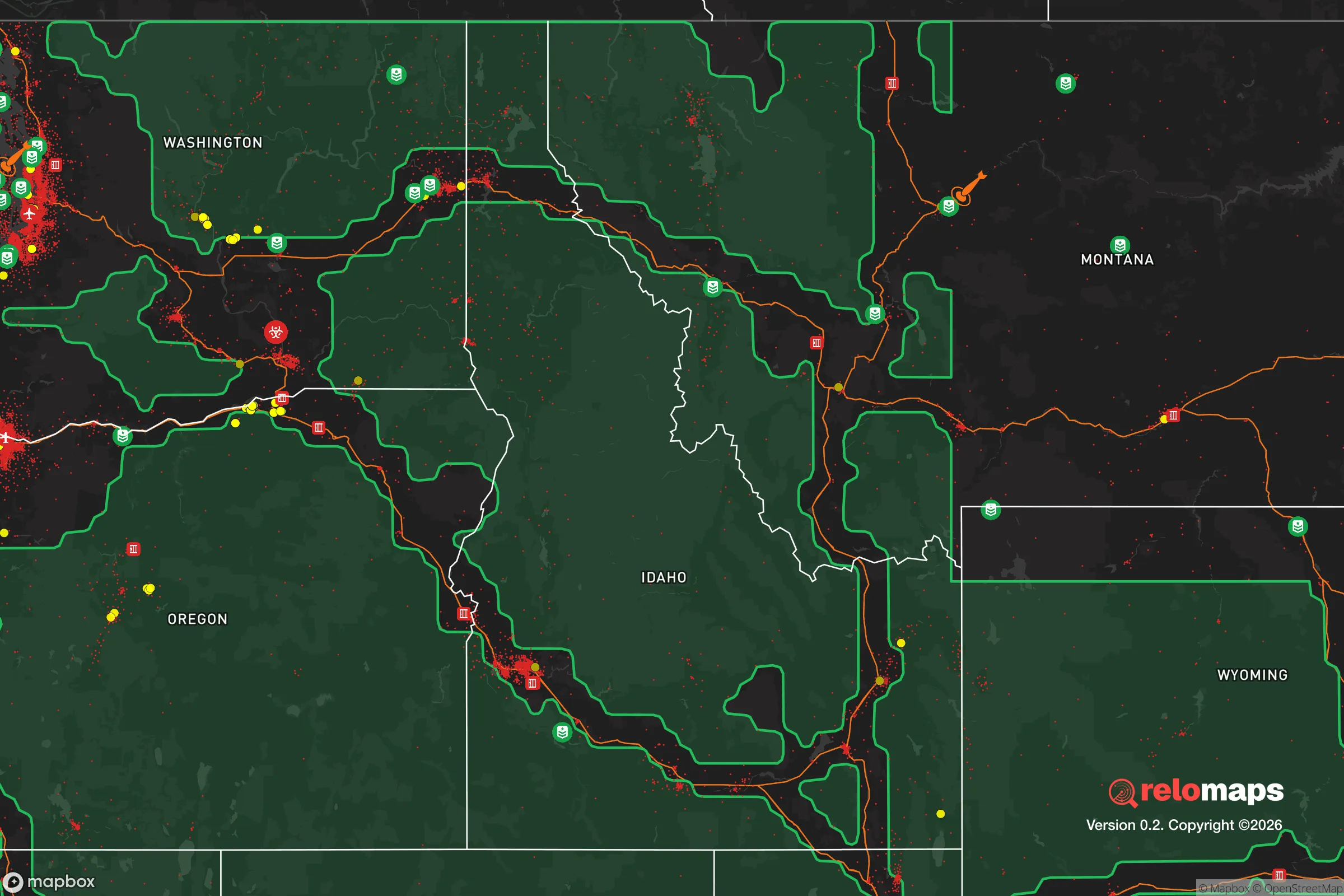


Important Note: For informational purposes only. This does not mean nothing bad ever happens in the green zones. Please use common sense. This is based on public data and modeled with AI. We tried to take a conservative approach but mistakes happen. We update this regularly as new information becomes available.
Solar Generator Recommendations
Backup power matters more here than in safer locations. We've picked three solar generators across budgets and capacity tiers — start with the budget unit if you only need a few essentials, or step up if you want to run a fridge and HVAC for days at a time.

Jackery Portable Power Station Explorer 300
Budget OptionPower on the Go: Weighing only 11 lbs, it's convenient to set up and store with book-sized foldable solar panels

BLUETTI Portable Power Station AC180
Designed for both indoor and outdoor scenarios, AC180 is highly capable as it has a robost capacity and continuous output power.

EF ECOFLOW DELTA Pro Ultra Power Station
Upgraded PickEcoFlow DELTA Pro Ultra is a whole-home energy system designed to grow with your family. Integrated with the Smart Home Panel 2, it scales to meet your evolving energy needs — keeping your home powered, intelligent, and secure through every stage of life.
We earn a commission, at no additional cost to you.
Strategic Assessment Analysis
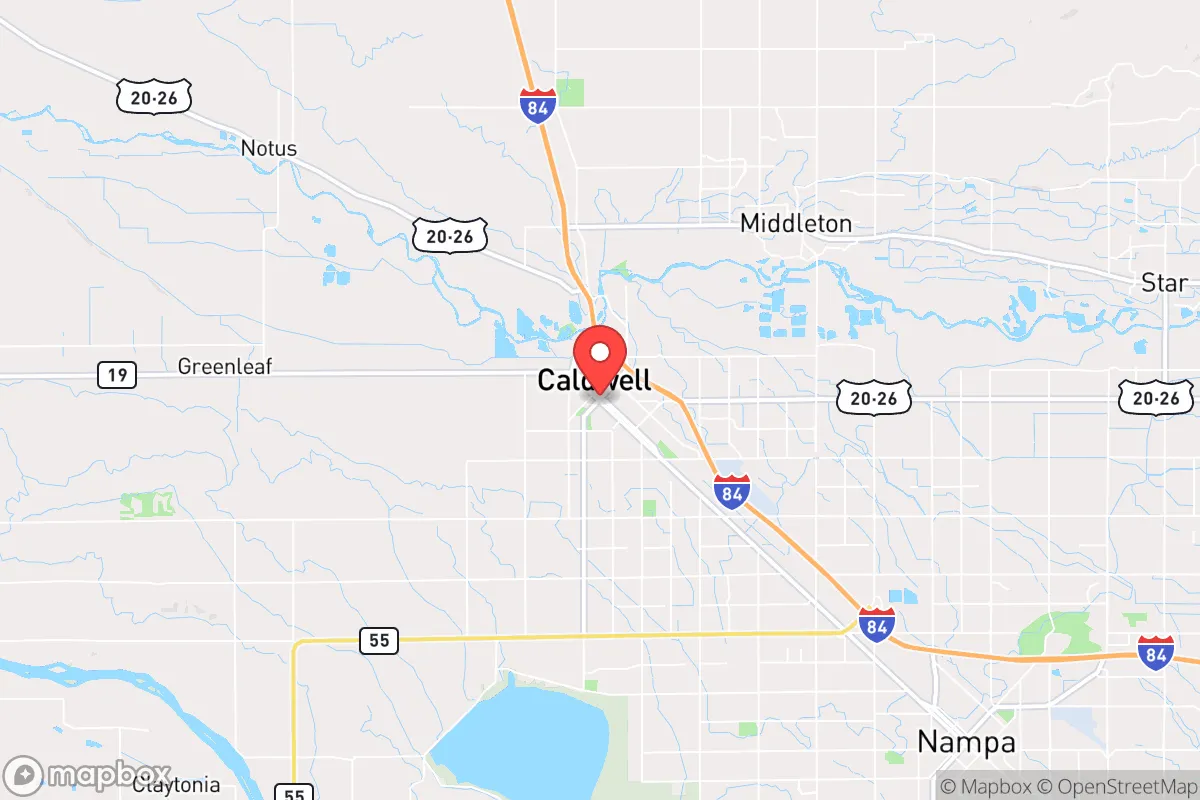
Caldwell, Idaho, presents a compelling case for those prioritizing strategic relocation, blending genuine resilience with proximity to a major metropolitan area that carries both advantages and significant risks. Its position in the Treasure Valley offers a buffer from the immediate chaos of a major city collapse while still providing access to critical resources, but the calculus changes dramatically when you factor in the vulnerabilities inherent in being just 25 miles from Boise and its associated infrastructure. For the prepper or survivalist, Caldwell is a study in trade-offs: a solid base with defensible agricultural land, but one that sits within the blast radius of a potential high-value target.
Geographic position and natural advantages for long-term security
Caldwell’s primary strategic asset is its location within the fertile Boise River Valley, surrounded by irrigated farmland and the Owyhee Mountains to the south. This agricultural base is not theoretical—the region produces a significant portion of Idaho’s crops, including potatoes, sugar beets, and alfalfa, meaning local food production is a tangible reality, not a distant hope. The city itself sits at an elevation of roughly 2,400 feet, offering a moderate climate that avoids the extreme cold of eastern Idaho while still providing four distinct seasons for sustainable gardening and livestock. The Snake River Plain to the east and the foothills to the north create natural chokepoints for any large-scale movement, making the area more defensible than open plains. Water access is a critical advantage: the Boise River and the massive Snake River aquifer provide reliable groundwater, and Caldwell’s municipal water system draws from deep wells, reducing dependence on surface water that could be contaminated or disrupted. For a relocator, this means you can secure a property with a well and be largely self-sufficient for water, a luxury not available in many arid western states.
Risks, exposures, and proximity to fallout-relevant landmarks
The most glaring vulnerability is Caldwell’s proximity to Boise, which is home to the state capital, the National Interagency Fire Center, and a major Air National Guard base (Gowen Field). In a scenario involving civil unrest or a mass casualty event, Boise would be a primary target for both domestic and foreign actors. A conventional or nuclear strike on Gowen Field would place Caldwell within the moderate fallout zone, depending on wind patterns, and the city’s population of roughly 60,000 would be competing for resources with the entire Treasure Valley’s 800,000-plus residents. Interstate 84, which runs through Caldwell, is a double-edged sword: it provides evacuation routes but also funnels refugees and looters from the west coast. The city’s location along the Oregon Trail corridor means it’s a natural migration path, and in a collapse scenario, you could see waves of people moving through. Additionally, the nearby rail lines and major highways make Caldwell a potential target for infrastructure sabotage. The risk of earthquake is low, but the region is not immune to wildfires, which can cut off escape routes and degrade air quality for weeks.
Practical resilience for a relocator: food, water, energy, and defensibility
For the individual or family looking to establish a resilient homestead, Caldwell offers a mix of advantages and challenges. Food security is strong: the surrounding farmland means you can source seeds, livestock, and equipment locally, and the growing season (roughly 150 frost-free days) is sufficient for most vegetables and grains. Farmers’ markets and local co-ops are abundant, but in a crisis, those supply chains will be the first to break. Water is the real win: drilling a well is straightforward, and the water table is high enough that hand pumps can work as a backup. The city’s municipal water is treated with chlorine, so you’ll want a good filtration system for long-term storage. Energy is a mixed bag: Idaho Power’s grid is relatively stable, but it’s heavily reliant on hydroelectric dams on the Snake River, which are vulnerable to both drought and sabotage. Solar is viable—Caldwell averages over 200 sunny days per year—but you’ll need battery storage to handle winter cloud cover. Natural gas is available in town, but rural properties often rely on propane, which requires delivery. Defensibility is moderate: the city’s layout is mostly suburban sprawl, with few natural barriers. However, the surrounding agricultural land offers good visibility, and the foothills provide potential retreat locations. A property with a perimeter fence, a well, and a root cellar would be ideal. The local gun culture is strong, and Idaho has constitutional carry, so you won’t face legal hurdles for self-defense. The downside is that Caldwell’s proximity to Boise means you’re competing with wealthier preppers for rural land, and prices have risen sharply since 2020.
The overall strategic picture for Caldwell is one of cautious optimism for the prepared relocator. It’s not a remote bunker location—you’re still within a day’s drive of Portland and Seattle, and the Treasure Valley’s population density creates a real risk of resource competition during a crisis. But for someone willing to invest in a well, solar panels, and a defensible property on the outskirts, Caldwell offers a solid foundation for long-term survival. The agricultural base, water availability, and relatively low crime rate (though property crime has ticked up with population growth) make it a better bet than most western cities. The key is to avoid the suburban subdivisions and aim for the unincorporated areas south of town or toward the Owyhee foothills. If you can secure a property with a well, a garden, and a good line of sight, Caldwell becomes a viable base of operations—just be prepared to hunker down and let the chaos of Boise play out without you. The area’s conservative culture and self-reliant mindset align well with a prepper’s ethos, but the proximity to a major target means you must have a plan for evacuation or shelter-in-place that accounts for fallout and refugee flows. In short: Caldwell is a solid B+ for strategic relocation, but it’s not a guaranteed safe zone—it’s a place where preparation and situational awareness will determine your outcome.

* Values derived from national, state, county, city and local statistics and may differ in a specific area. Last updated: 2026-04-19T09:41:32.000Z
Narrative content on this page is AI-generated and may contain mistakes. Verify any details that matter before acting on them.
ReloMaps may earn a commission from affiliate links at no extra cost to you.

