 Popular
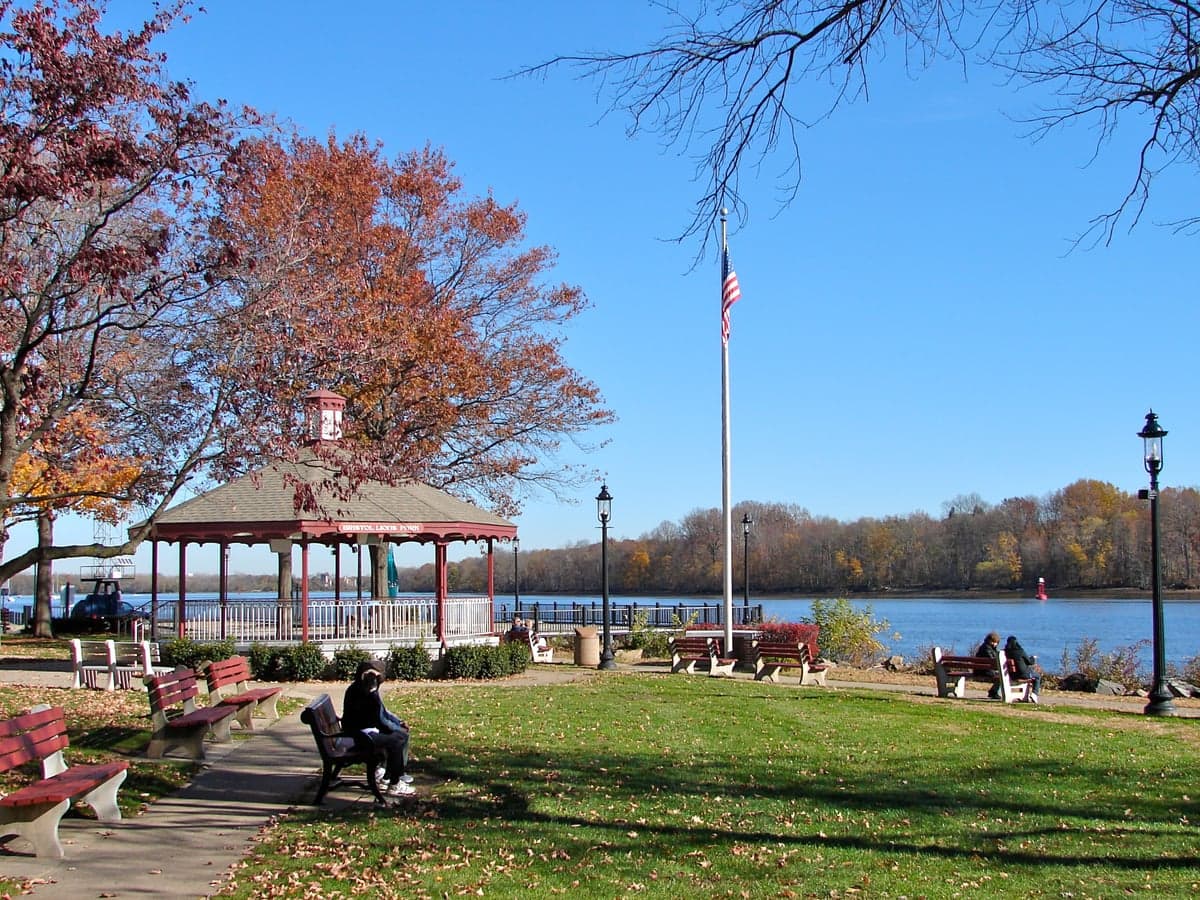
Photo: Wikipedia
Quality of Life in Bristol, PA
A livable area that tracks near national norms for affordability, walkability, and neighborhood health.
What does Quality of Life tell us?
Quality of Life blends cost of living, nearby amenities, socioeconomic signals, and neighborhood character. City-level scores represent the whole municipality; individual neighborhoods can differ.
What does this tell us?
Quality of Life blends cost of living, nearby amenities, socioeconomic signals, and neighborhood character. City-level scores represent the whole municipality; individual neighborhoods can differ.
Cost of Living
The Real Cost of Living in Bristol, PA for 2026
| Tier | Individual | Family (4) |
|---|---|---|
| Survival | $20k | $38k |
| Comfortable | $46k | $68k |
| Luxury | $122k+ | $188k+ |
| Elite (Top 5%) | $143k+ | $222k+ |
105%
The Area Signal
A metric tracking the socioeconomic signals of the area.
Hobbies
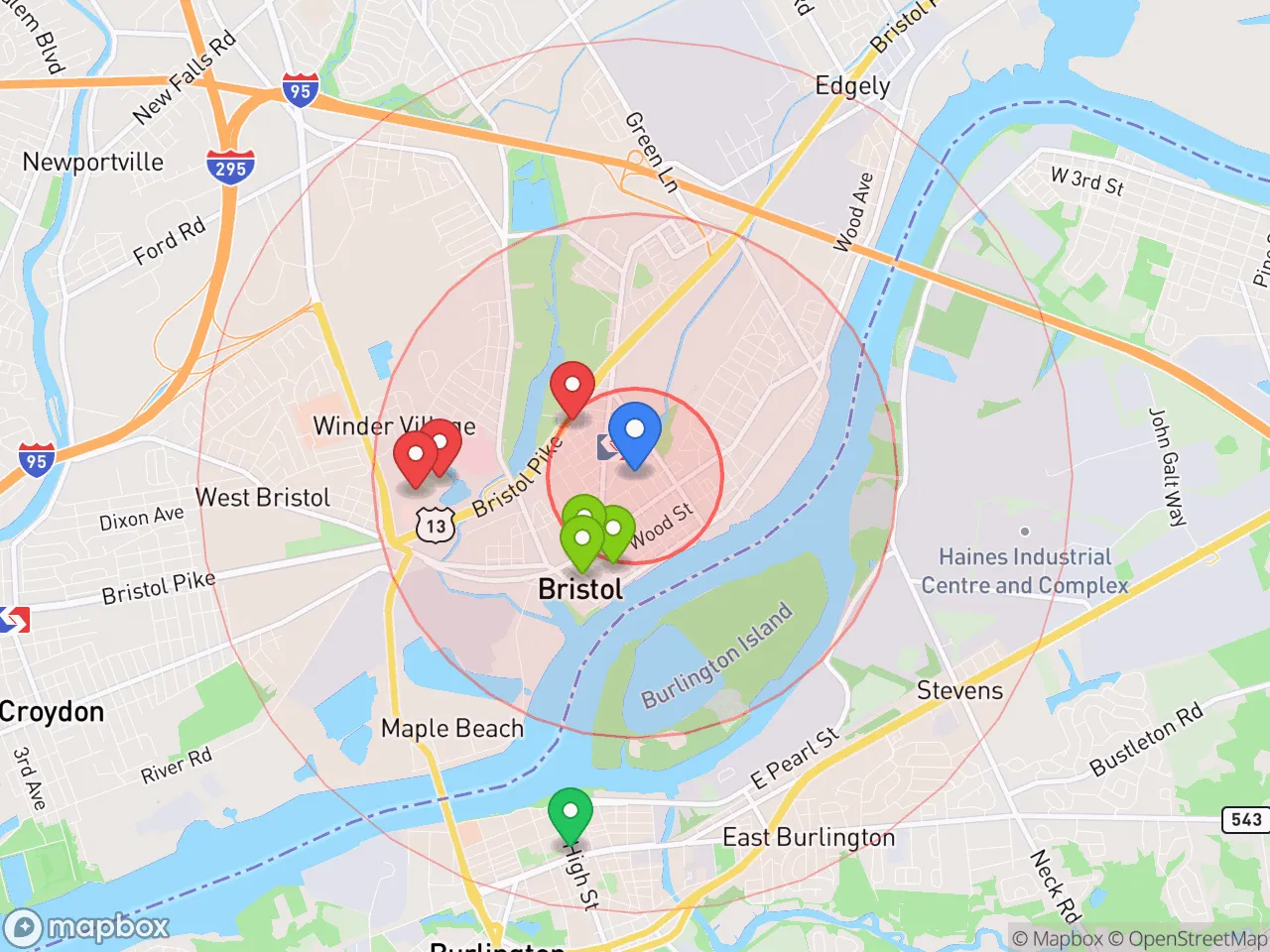
Explore the areaGroceries
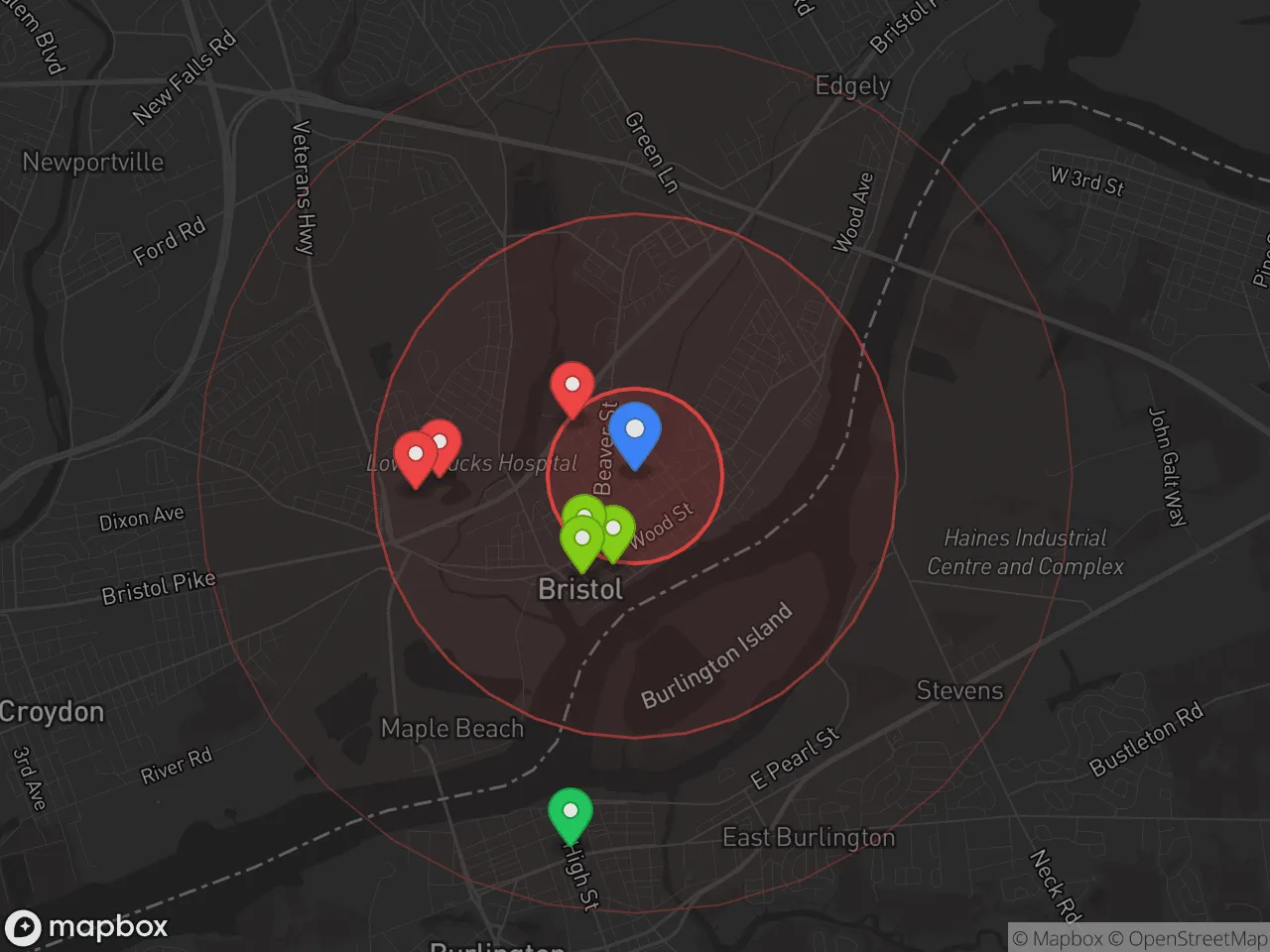
6 within 10 miles
Gas
20 within 10 miles
Hospital
20 within 20 miles
Airport
PHL — Philadelphia International
Post Office
USPS — Bristol, PA
Critical Amenities
Quality-of-Life Analysis
Bristol, Pennsylvania, offers a quality of life defined by its position as a moderately affordable river town within commuting distance of Philadelphia and Trenton. With a cost of living index of 100—exactly on par with the national average—the borough attracts a mix of long-term working-class families, young professionals seeking value, and retirees drawn to its historic Delaware River waterfront. The median household income of roughly $52,000 is below the state average, reflecting a community where affordability, not affluence, is the primary draw.
Cost of living, housing affordability, and how Bristol compares to nearby areas
Bristol’s housing market is a clear advantage over pricier neighbors like New Hope or Princeton. The median home value of $236,400 is significantly lower than the Philadelphia metro median of roughly $280,000, while the median rent of $1,281 undercuts the regional average by about 15%. This affordability comes with trade-offs: the housing stock is older, with many pre-1900 row homes and twins requiring maintenance, and property taxes in Bucks County average around 1.4% of assessed value—higher than in parts of New Jersey but lower than in Philadelphia proper. For renters, the $1,281 median is competitive, though newer apartment complexes near the waterfront command premiums above $1,500. The average commute of 32.6 minutes is slightly longer than the national average of 27 minutes, driven by residents traveling to jobs in Philadelphia (via I-95 or SEPTA’s Trenton Line) or to industrial parks in Burlington County, New Jersey. This commute time is a realistic trade-off for those who prioritize lower housing costs over a short drive to work.
What daily life is like for families: schools, parks, and local amenities
Daily life in Bristol revolves around a compact, walkable downtown and the adjacent Delaware Canal State Park. The borough’s Bristol Borough School District serves about 1,200 students across three schools, with test scores slightly below the state average—a factor that leads some families to consider private options or move to neighboring Levittown for the Pennsbury School District. For recreation, residents use the 60-acre Silver Lake Park for fishing and trails, or the Bristol Wharf for kayaking and riverfront events. The town’s dining scene is modest but authentic, anchored by family-run Italian and seafood spots along Mill Street. Shopping is limited to basic groceries and pharmacies within town; major retail is a 10-minute drive to the Oxford Valley Mall or the Levittown Town Center. The absence of a major hospital within Bristol itself means residents rely on Lower Bucks Hospital (8 minutes away) or St. Mary Medical Center in Langhorne (15 minutes). The overall rhythm is slower than suburban sprawl—neighbors know each other at the post office, and the annual Bristol Day festival draws the entire community.
Bristol is best suited for budget-conscious buyers and renters who value historic character and river access over top-tier schools or luxury amenities. It works well for commuters who can tolerate a 30-minute drive or train ride to Philadelphia, and for empty-nesters who want a walkable downtown without suburban strip-mall monotony. Families with school-age children should carefully evaluate the district’s performance against their priorities. For those who prioritize affordability, a strong sense of place, and proximity to outdoor recreation along the Delaware, Bristol delivers a grounded, no-frills quality of life that wealthier river towns cannot match at this price point.

Crime in Bristol, PA
Lower crime rates than 84% of comparable U.S. locations.
Violent CrimeViolent Crime Analysis
Property CrimeProperty Crime Analysis
Crime Analysis
Bristol, Pennsylvania, presents a mixed safety picture: its violent crime rate of 89.9 per 100,000 residents is significantly lower than both the national average and the Pennsylvania state average, but its property crime rate of 1,298.2 per 100,000 is notably higher than the state average. This contrast means that while the risk of a violent encounter is relatively low, residents face a substantially elevated risk of theft, burglary, and vehicle-related crime. The town’s proximity to Philadelphia, a major metro area with well-documented progressive criminal justice policies, introduces a regional dynamic that residents should factor into their safety assessment.
Crime in context
Bristol’s violent crime rate of 89.9 per 100,000 is roughly 75% lower than the national average of about 380 per 100,000 and well below Pennsylvania’s state average of approximately 300 per 100,000. This places Bristol among the safer small towns in the state for violent offenses like homicide, assault, and robbery. However, the property crime rate of 1,298.2 per 100,000 is about 30% higher than the Pennsylvania average of roughly 1,000 per 100,000 and slightly above the national average. Theft and burglary are the primary drivers of this elevated property crime figure. It is important to note that Bristol is part of the Philadelphia-Camden-Wilmington metro area, where many jurisdictions have adopted progressive prosecutorial policies—such as reduced bail, diversion programs, and lower charging rates for property offenses—which critics argue can lead to higher recidivism and more property crimes on the street.
What residents experience
For daily life in Bristol, the low violent crime rate means that random acts of violence are uncommon, and most residents feel safe walking in the historic downtown and residential neighborhoods during the day. However, the high property crime rate translates into a tangible risk: car break-ins, package theft, and home burglaries are the most frequently reported incidents. Residents often invest in security cameras, motion-sensor lights, and locked garages as a routine precaution. The town’s police department is active in community policing, but the proximity to Philadelphia means that transient offenders and organized retail theft rings occasionally target Bristol’s commercial corridors. The broader regional context—where progressive district attorneys in Philadelphia and nearby counties have deprioritized prosecution of low-level property crimes—contributes to a sense among some residents that the justice system is not fully deterring repeat offenders.
Neighborhood-level variation
Safety in Bristol is not uniform. The historic waterfront district and the area around Bristol Borough’s central business district see lower crime rates due to higher foot traffic and police presence. In contrast, the more suburban sections near the Bristol Township line, particularly along Route 13 and near the Levittown area, experience higher property crime rates. The neighborhoods closest to the Philadelphia border, such as those near the Burlington-Bristol Bridge, report the most theft-related incidents, likely due to easier access for transient offenders. Prospective residents should research block-level crime maps and consider that while violent crime is rare, property crime is a persistent concern that varies significantly from street to street.
* Values derived from national, state, county, city and local statistics and may differ in a specific area. Last updated: 2026-08-25T10:51:30.000Z
Narrative content on this page is AI-generated and may contain mistakes. Verify any details that matter before acting on them.
ReloMaps may earn a commission from affiliate links at no extra cost to you.

