Photo: Wikipedia
Strategic Assessment of Bradford, PA
Meaningful friction. Expect exposure to either population pressure, blast zones, or natural disaster risk. Consider buying a retreat property.
What does the Strategic Assessment tell us?
Our Strategic Assessment grades tactical survivability of an area. Major population centers, military targets, fallout zones, natural disasters, and border exposure all drive risk — lower exposure means a more defensible position in a crisis.
This is heavily inspired by Joel Skousen's Strategic Relocation book. Highly recommended you checkout the book ($)What does this tell us?
Our Strategic Assessment grades tactical survivability of an area. Major population centers, military targets, fallout zones, natural disasters, and border exposure all drive risk — lower exposure means a more defensible position in a crisis.
This is heavily inspired by Joel Skousen's Strategic Relocation book. Highly recommended you checkout the book ($)Strategic Pillars

Key Distances
Regional Safe Places
Below is our recommended "safe zones" in Pennsylvania and the surrounding area based on our strategic heuristics. For most people, it's unrealistic to live in a “safe zone” full-time due to work, family or other personal reasons. They tend to be more rural. However, many of these areas are perfect for second homes and retreat properties that double as a vacation home or even a short-term rental.
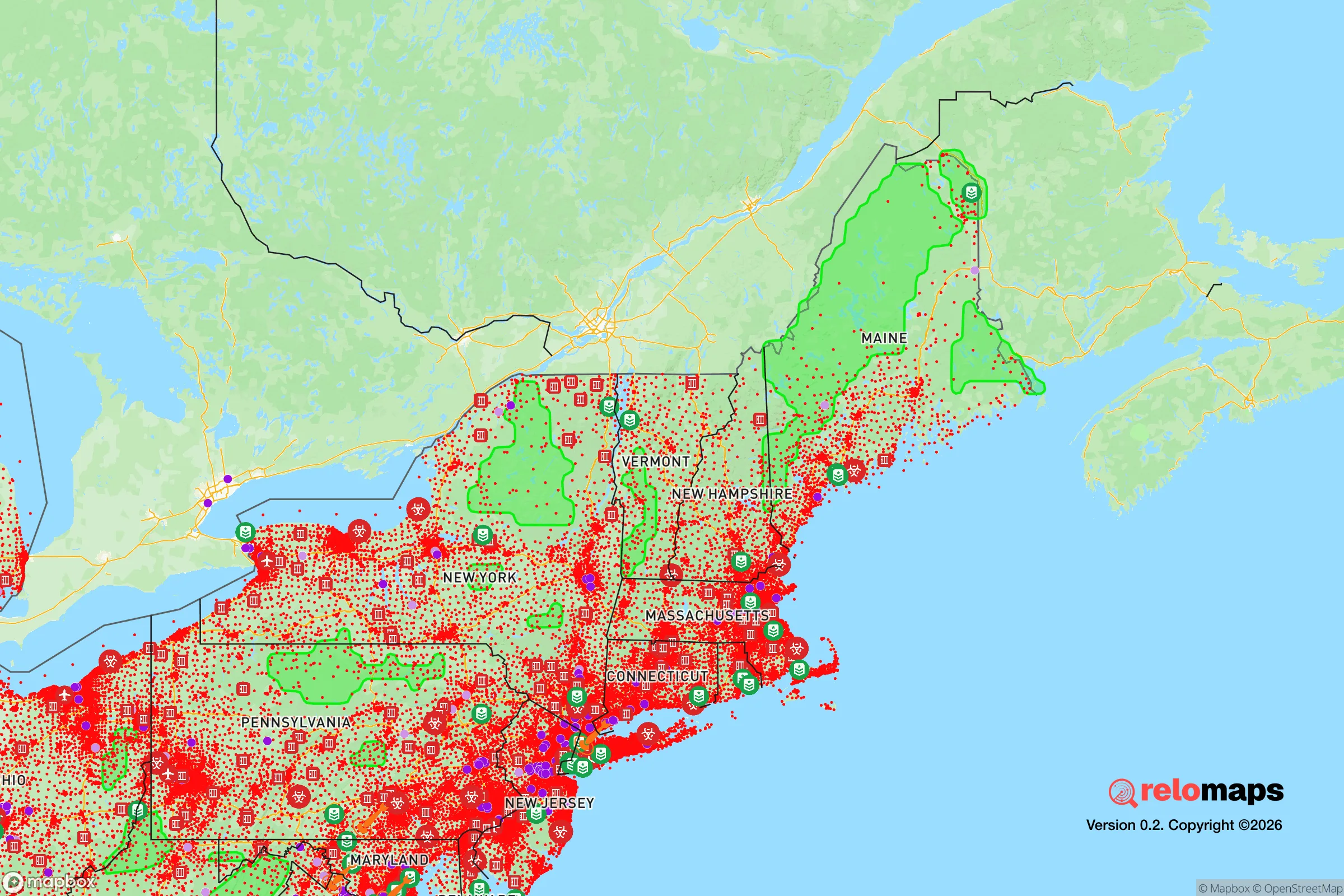
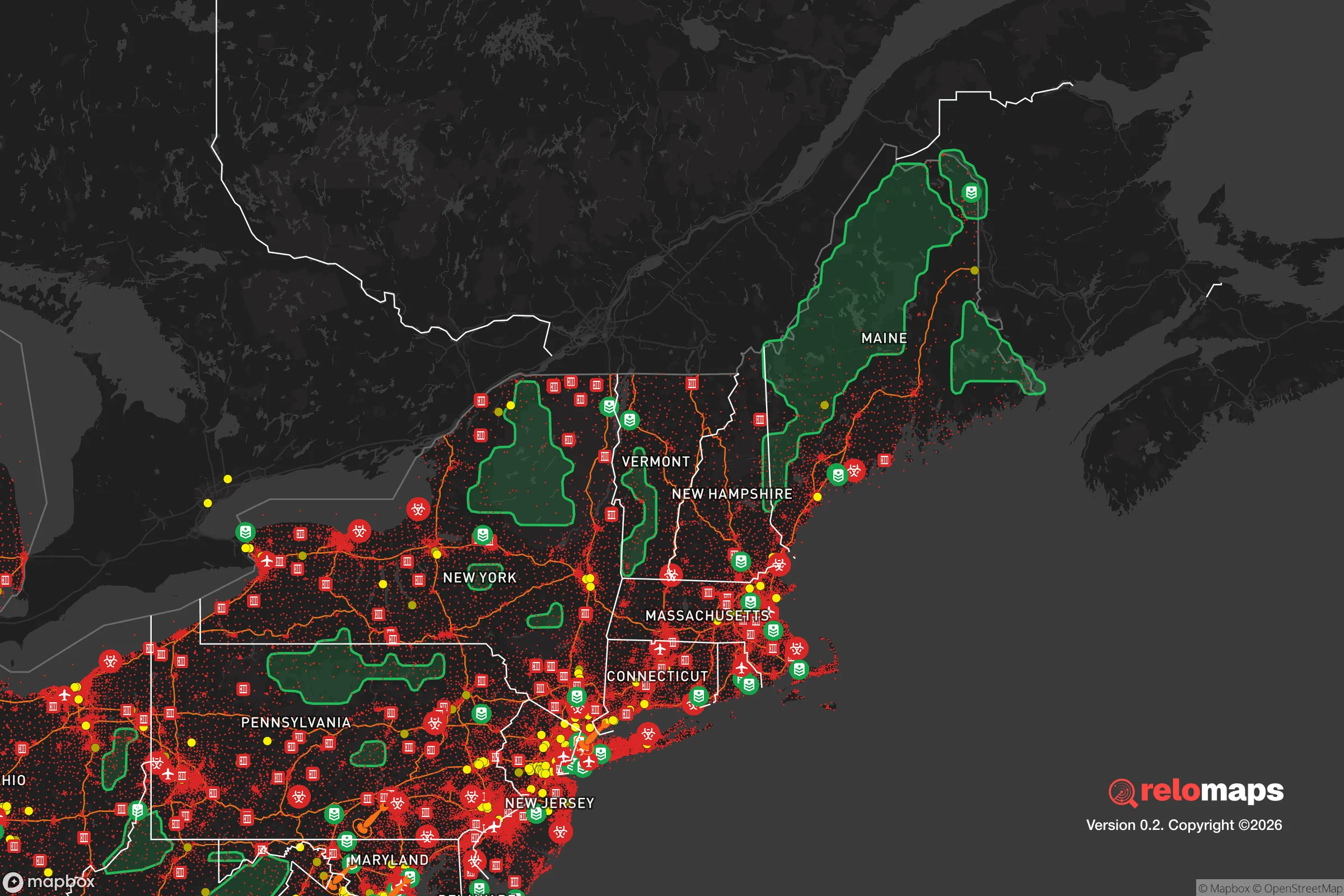


Important Note: For informational purposes only. This does not mean nothing bad ever happens in the green zones. Please use common sense. This is based on public data and modeled with AI. We tried to take a conservative approach but mistakes happen. We update this regularly as new information becomes available.
Solar Generator Recommendations
Backup power matters more here than in safer locations. We've picked three solar generators across budgets and capacity tiers — start with the budget unit if you only need a few essentials, or step up if you want to run a fridge and HVAC for days at a time.

Jackery Portable Power Station Explorer 300
Budget OptionPower on the Go: Weighing only 11 lbs, it's convenient to set up and store with book-sized foldable solar panels

BLUETTI Portable Power Station AC180
Designed for both indoor and outdoor scenarios, AC180 is highly capable as it has a robost capacity and continuous output power.

EF ECOFLOW DELTA Pro Ultra Power Station
Upgraded PickEcoFlow DELTA Pro Ultra is a whole-home energy system designed to grow with your family. Integrated with the Smart Home Panel 2, it scales to meet your evolving energy needs — keeping your home powered, intelligent, and secure through every stage of life.
We earn a commission, at no additional cost to you.
Strategic Assessment Analysis
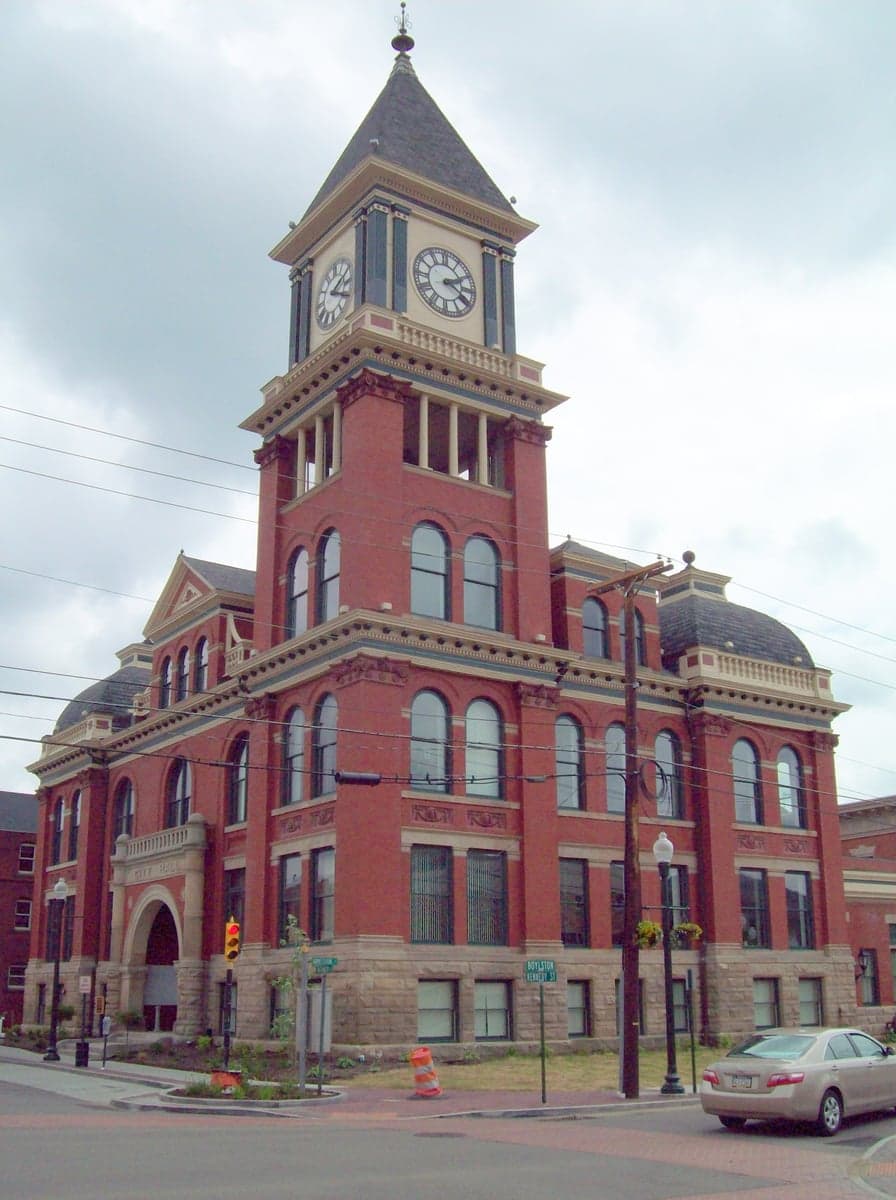
Bradford, Pennsylvania, offers a compelling mix of geographic isolation and practical self-sufficiency that makes it a serious contender for those prioritizing disaster readiness and long-term resilience. Nestled in the Allegheny Plateau of McKean County, this small city of roughly 8,000 people sits far from major metropolitan targets, yet retains access to critical infrastructure and natural resources that support a self-reliant lifestyle. For a relocator weighing strategic advantages against real-world risks, Bradford presents a grounded option that balances remoteness with enough connectivity to avoid the pitfalls of total isolation.
Geographic position and natural advantages for self-sufficiency
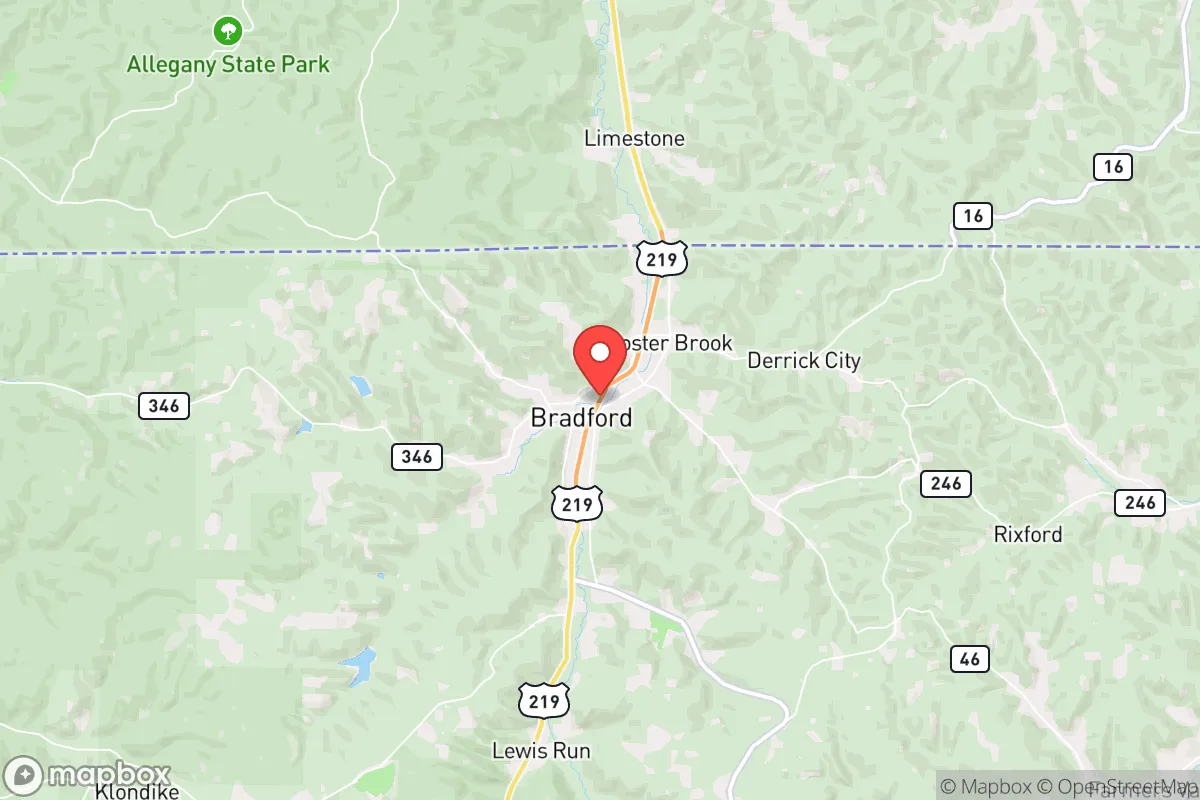
Bradford’s location is its strongest asset for resilience. The city lies in a valley surrounded by the Allegheny National Forest, placing it over 100 miles from Buffalo, 130 miles from Pittsburgh, and 150 miles from Cleveland. This distance from major population centers dramatically reduces exposure to the primary risks of a large-scale event: civil unrest, supply chain collapse, and fallout from targeted infrastructure strikes. The surrounding terrain is rugged, with steep hills and dense hardwood forests that naturally limit access and provide cover. The area’s elevation—around 1,500 feet—keeps it cooler and less prone to flooding than lower-lying regions, though the valley floor itself can experience localized drainage issues during heavy rains. For a relocator, the key takeaway is that Bradford sits in a natural buffer zone: far enough from urban chaos to buy time, but close enough to regional hubs like Erie (90 miles) for emergency supply runs if roads remain open.
Risks, exposures, and proximity to fallout-relevant landmarks
No location is risk-free, and Bradford has specific vulnerabilities that a strategic assessment must acknowledge. The most significant man-made risk is proximity to the nuclear power plants along Lake Erie: the Perry Nuclear Power Plant in Ohio (about 100 miles northwest) and the Beaver Valley Power Station in Pennsylvania (roughly 120 miles southwest). While these are not immediate fallout dangers—prevailing winds typically carry airborne contaminants east or northeast—a catastrophic failure could still deposit measurable radiation in the region. More directly, Bradford lies within 50 miles of the Kinzua Dam, a major hydroelectric and flood-control structure on the Allegheny River. A deliberate or accidental breach of this dam would cause catastrophic flooding downstream, but Bradford itself sits above the dam’s floodplain, so the primary risk is to the dam’s integrity as a potential target. On the natural disaster front, the area faces moderate risks: occasional ice storms, heavy snow (averaging 80 inches annually), and the rare tornado (McKean County has seen only two EF-2 or stronger tornadoes since 1950). Earthquakes are negligible. For a relocator, the calculus is clear: Bradford avoids the high-probability risks of coastal hurricanes, seismic zones, and wildfire corridors, but it is not immune to industrial accidents or winter-related infrastructure failures.
Practical resilience for a relocator: food, water, energy, and defensibility
Bradford’s practical resilience is where it truly shines for a self-sufficiency-minded individual or family. Food security is strong: the surrounding county has active agricultural operations, including cattle farms, dairy operations, and small-scale vegetable growers. The Allegheny National Forest offers hunting for deer, turkey, and small game, plus fishing in the Allegheny River and its tributaries. Local farmers’ markets operate seasonally, and the city itself has a Walmart and a regional grocery chain (Tops Markets) for stockpiling, though these would be strained in a prolonged crisis. Water access is excellent: the area receives abundant rainfall (about 40 inches annually), and private wells are common in rural properties. The city’s municipal water comes from the Allegheny River, but a relocator with a drilled well and a hand pump would have a reliable off-grid source. Energy resilience is a mixed bag. The grid is served by Penelec, and outages are frequent during winter storms, often lasting 24–48 hours. However, the region’s dense forests provide ample firewood for heating and cooking, and the hilly terrain offers potential for small-scale hydro or wind generation. Solar is viable but less efficient due to frequent cloud cover—expect 30–40% less output than sunnier regions. Defensibility is Bradford’s standout feature. The valley geography creates natural chokepoints: only a handful of roads (primarily US-219 and PA-346) lead into the city, and the surrounding hills provide excellent vantage points for observation. Rural properties outside the city limits offer even greater security, with long driveways, wooded buffers, and limited neighbors. The local population is sparse (about 40 people per square mile in McKean County), reducing the risk of resource competition. For a relocator, the practical takeaway is that Bradford offers a rare combination of abundant natural resources, defensible terrain, and low population density that makes it one of the more viable locations in the Northeast for long-term self-sufficiency.
The overall strategic picture for Bradford is one of a solid, if unglamorous, resilience hub. It lacks the glamour of mountain retreats or coastal enclaves, but it compensates with genuine practical advantages: isolation from major targets, abundant water and timber, defensible geography, and a local culture that still values hunting, gardening, and mechanical self-reliance. The trade-offs are real—harsh winters, limited medical infrastructure (the nearest Level 1 trauma center is in Buffalo), and a declining local economy that offers few professional opportunities. For a relocator who can work remotely, has a trade, or is willing to adapt to a slower pace, Bradford provides a foundation that is both strategically sound and livable in normal times. It is not a fortress, but it is a place where a prepared family can weather most disruptions with a reasonable degree of confidence.

* Values derived from national, state, county, city and local statistics and may differ in a specific area. Last updated: 2026-08-31T00:19:54.000Z
Narrative content on this page is AI-generated and may contain mistakes. Verify any details that matter before acting on them.
ReloMaps may earn a commission from affiliate links at no extra cost to you.

