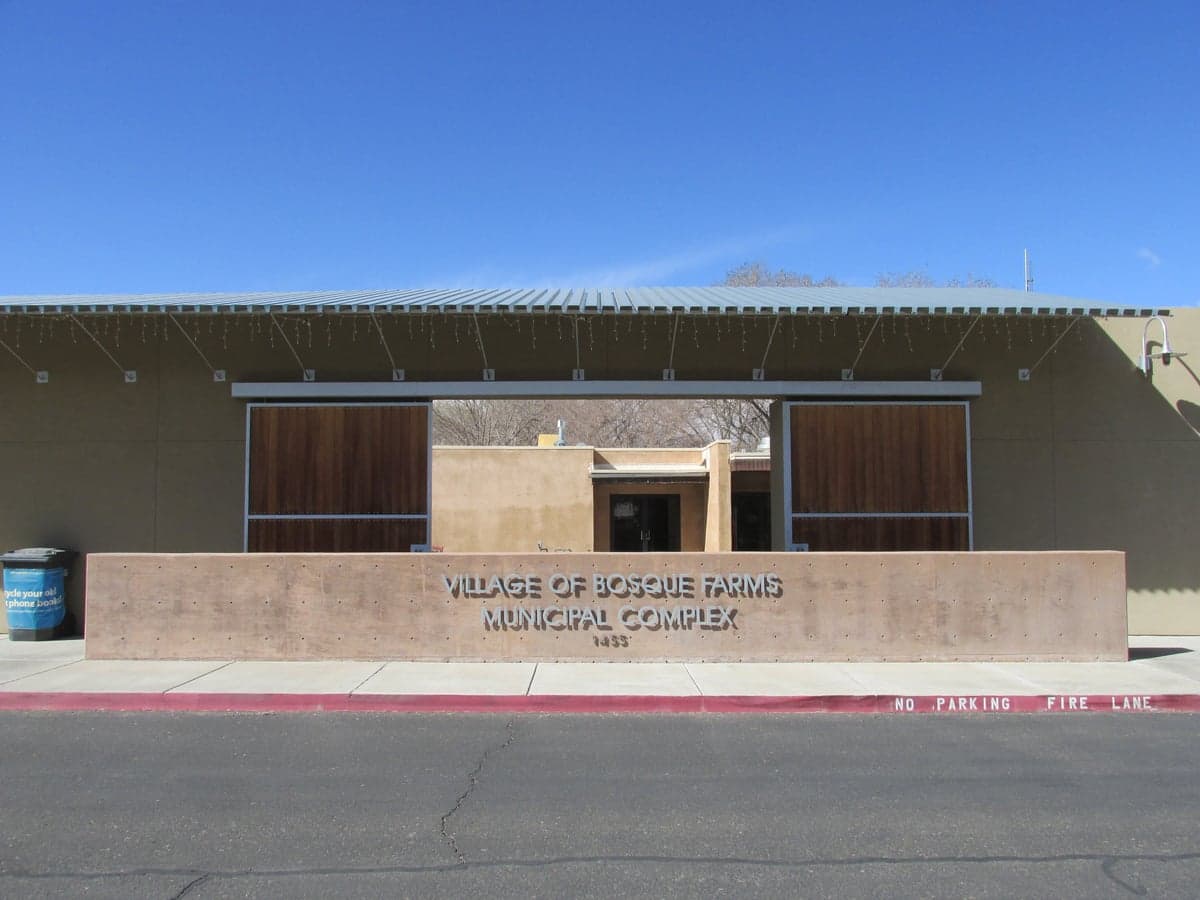
Photo: Wikipedia
Strategic Assessment of Bosque Farms, NM
Meaningful friction. Expect exposure to either population pressure, blast zones, or natural disaster risk. Consider buying a retreat property.
What does the Strategic Assessment tell us?
Our Strategic Assessment grades tactical survivability of an area. Major population centers, military targets, fallout zones, natural disasters, and border exposure all drive risk — lower exposure means a more defensible position in a crisis.
This is heavily inspired by Joel Skousen's Strategic Relocation book. Highly recommended you checkout the book ($)What does this tell us?
Our Strategic Assessment grades tactical survivability of an area. Major population centers, military targets, fallout zones, natural disasters, and border exposure all drive risk — lower exposure means a more defensible position in a crisis.
This is heavily inspired by Joel Skousen's Strategic Relocation book. Highly recommended you checkout the book ($)Strategic Pillars

Key Distances
Regional Safe Places
Below is our recommended "safe zones" in New Mexico and the surrounding area based on our strategic heuristics. For most people, it's unrealistic to live in a “safe zone” full-time due to work, family or other personal reasons. They tend to be more rural. However, many of these areas are perfect for second homes and retreat properties that double as a vacation home or even a short-term rental.

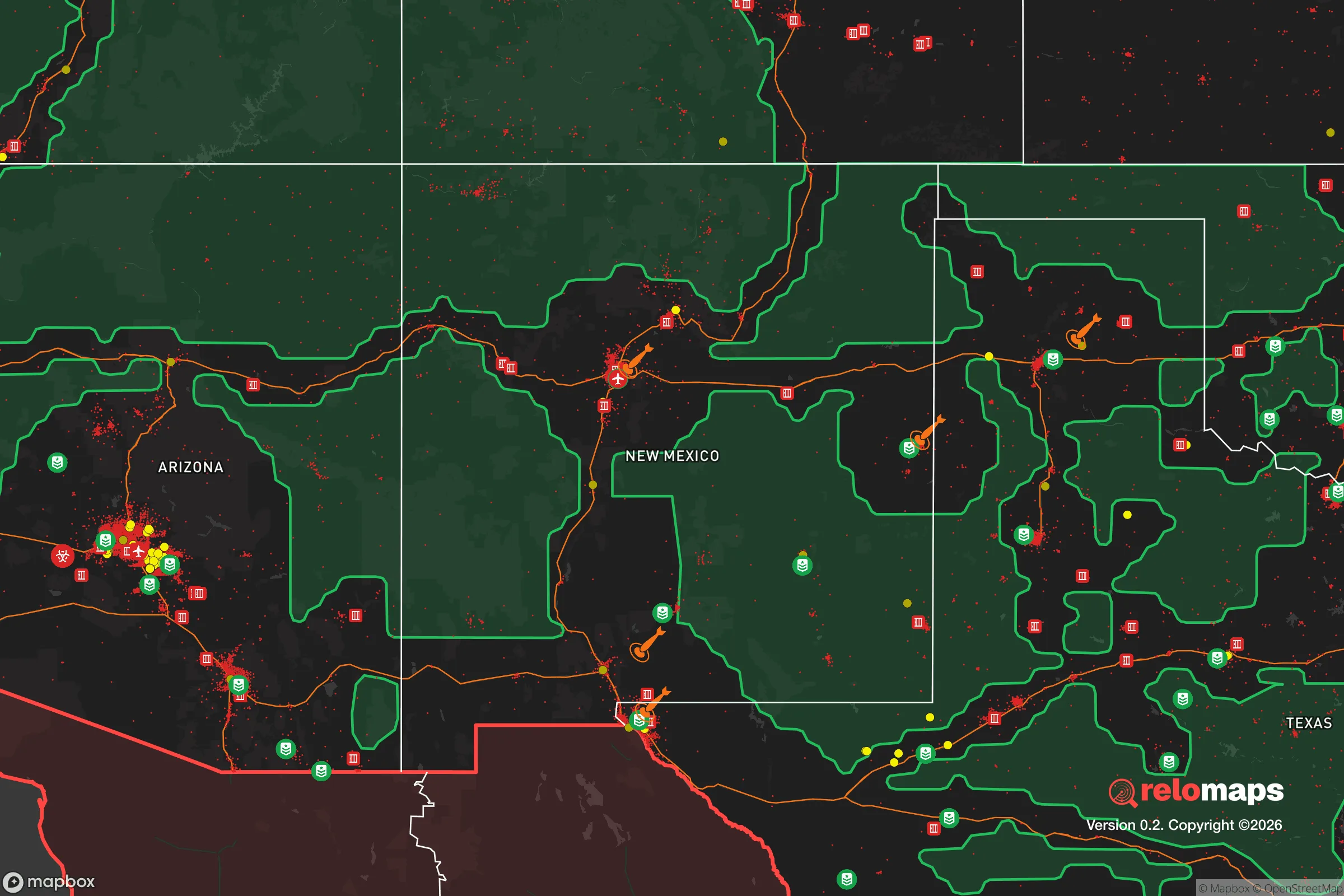


Important Note: For informational purposes only. This does not mean nothing bad ever happens in the green zones. Please use common sense. This is based on public data and modeled with AI. We tried to take a conservative approach but mistakes happen. We update this regularly as new information becomes available.
Solar Generator Recommendations
Backup power matters more here than in safer locations. We've picked three solar generators across budgets and capacity tiers — start with the budget unit if you only need a few essentials, or step up if you want to run a fridge and HVAC for days at a time.

Jackery Portable Power Station Explorer 300
Budget OptionPower on the Go: Weighing only 11 lbs, it's convenient to set up and store with book-sized foldable solar panels

BLUETTI Portable Power Station AC180
Designed for both indoor and outdoor scenarios, AC180 is highly capable as it has a robost capacity and continuous output power.

EF ECOFLOW DELTA Pro Ultra Power Station
Upgraded PickEcoFlow DELTA Pro Ultra is a whole-home energy system designed to grow with your family. Integrated with the Smart Home Panel 2, it scales to meet your evolving energy needs — keeping your home powered, intelligent, and secure through every stage of life.
We earn a commission, at no additional cost to you.
Strategic Assessment Analysis
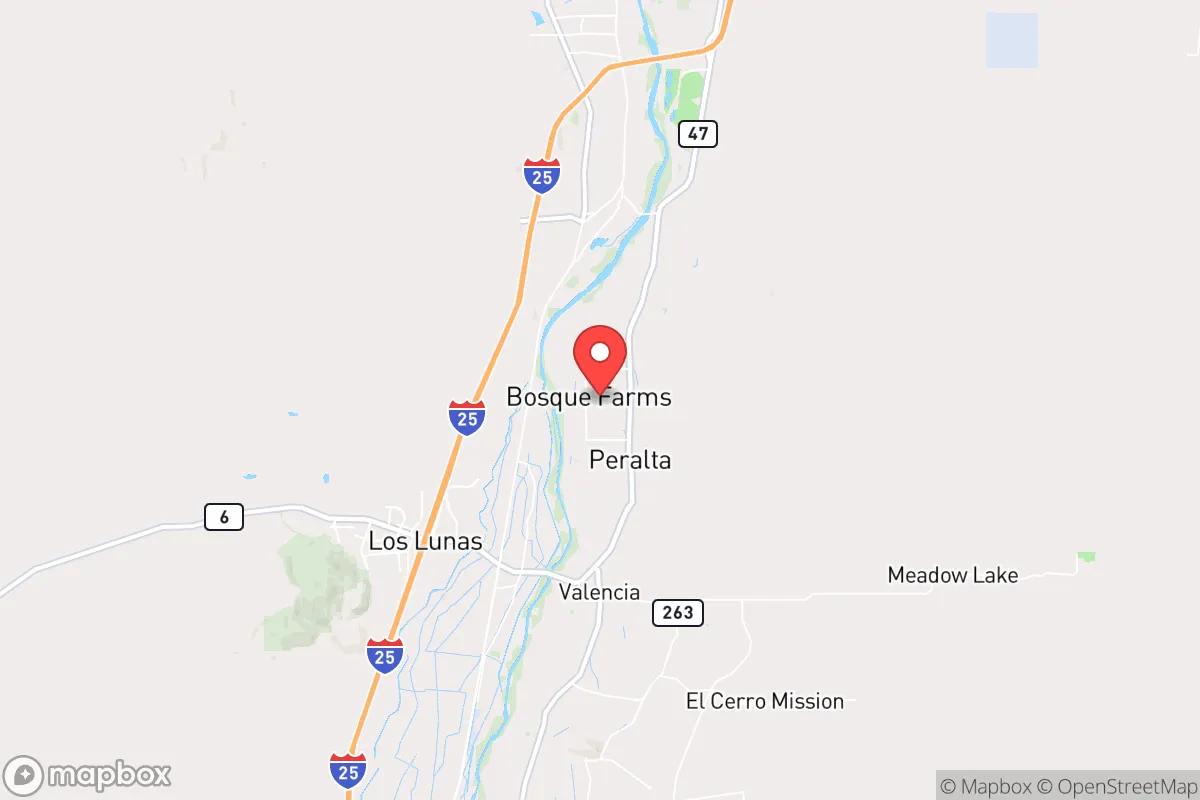
Bosque Farms, New Mexico, offers a compelling mix of strategic depth and vulnerability for the conservative prepper. Its location—a small, incorporated village in Valencia County, roughly 20 miles south of Albuquerque—places it within striking distance of a major urban center while maintaining a distinctly rural, agricultural character. The village sits on the floodplain of the Rio Grande, which provides both a critical water resource and a natural barrier against certain types of encroachment. For the relocator seeking a balance between isolation and access to supplies, Bosque Farms presents a nuanced picture: defensible in some respects, exposed in others, and requiring a clear-eyed assessment of its proximity to potential fallout zones and civil unrest vectors.
Geographic position and natural advantages for a retreat
The village’s geography is its primary asset. Bosque Farms is nestled within the Rio Grande Valley, flanked by the Manzano Mountains to the east and the Rio Puerco Valley to the west. This valley corridor provides a natural funnel for travel and trade, but also creates chokepoints that could be monitored or defended. The Bosque (cottonwood forest) along the river offers excellent cover and concealment for movement, foraging, and establishing hidden caches. The area’s high desert climate—arid, with over 280 days of sunshine per year—reduces the risk of moisture-related decay of stored supplies and limits the spread of many waterborne diseases. The elevation, around 4,900 feet, provides a moderate climate with four distinct seasons, though winter lows can dip into the teens, requiring robust heating and shelter preparations. The proximity to the Manzano Mountains (about 15 miles east) opens up opportunities for hunting, timber, and remote bug-out locations, while the Rio Grande itself is a perennial water source—though its flow is heavily managed by upstream dams and irrigation districts, meaning it could be contested or diverted in a crisis.
Risks, exposures, and proximity to fallout-relevant landmarks
The most significant strategic weakness is Bosque Farms’ location relative to Albuquerque and Kirtland Air Force Base. Albuquerque is a primary target for any nuclear exchange due to Kirtland’s role as a major nuclear weapons storage and research facility (Sandia National Laboratories) and its proximity to the nation’s nuclear stockpile. A ground burst or airburst over Albuquerque would generate fallout that could drift south-southeast into the Bosque Farms area within hours, depending on wind patterns. The prevailing winds in the Rio Grande Valley are from the southwest, but spring and summer storms can shift them unpredictably. Additionally, the village lies within 30 miles of the WIPP (Waste Isolation Pilot Plant) near Carlsbad, though that is a deep geological repository and not a primary target. More immediate is the risk of civil unrest: Albuquerque has experienced elevated violent crime rates, and a collapse of law and order there could send refugees south along I-25, which passes just 5 miles east of Bosque Farms. The village itself has a population of about 3,900, but the surrounding Valencia County adds another 76,000 people, many of whom would be competing for the same limited resources. The Bosque Farms area is also prone to flooding from the Rio Grande during heavy snowmelt or monsoon events, which could damage roads, bridges, and stored supplies. The 2005 and 2013 floods demonstrated that the acequia (irrigation ditch) system can overflow, turning low-lying areas into impassable mud.
Practical resilience for a relocator: food, water, energy, and defensibility
For the prepper, Bosque Farms offers a mixed bag of practical advantages and challenges. Water is the most critical resource: the village sits on the Rio Grande, but surface water rights are complex and heavily regulated by the Middle Rio Grande Conservancy District. Many homes have private wells tapping into the shallow aquifer (typically 50-150 feet deep), but these are vulnerable to contamination from agricultural runoff and septic systems. A deep well with a hand pump or solar-powered backup is essential. The area’s agricultural heritage means soil is fertile for small-scale farming, with a growing season of about 180 days. Many properties have existing gardens, fruit trees (apples, apricots, peaches), and space for livestock like chickens, goats, or even a milk cow. The local acequia system, while aging, provides a gravity-fed irrigation network that could be maintained with community cooperation. For energy, the region averages 5.5-6.0 peak sun hours per day, making solar panels highly effective. Wind is also a viable supplement, with average speeds of 10-15 mph. Natural gas is piped into the village, but a propane backup or wood-burning stove is wise given the grid’s vulnerability to winter storms and summer monsoon outages. Defensibility is moderate: the village is laid out on a grid of mostly unpaved roads, with the Bosque providing cover to the west and the river to the east. However, the lack of natural high ground and the flat terrain make it difficult to establish a long-range observation post. Neighbors are close (typically 1-5 acre lots), which can be a security asset if the community is cohesive, but a liability if it fractures. The local sheriff’s office (Valencia County) is understaffed, with response times often exceeding 30 minutes even in normal conditions. A well-armed, trained group of like-minded neighbors is a practical necessity.
The overall strategic picture for Bosque Farms is one of calculated risk. It is not a remote, self-sufficient fortress; it is a semi-rural agricultural community with a strong Hispanic and Native American cultural heritage that values self-reliance and mutual aid. For the conservative relocator who is willing to invest in deep wells, solar arrays, food storage, and community building, it offers a viable base of operations. The proximity to Albuquerque is a double-edged sword: it provides access to medical facilities, hardware stores, and trade networks in normal times, but becomes a liability during a collapse. The key is to establish a robust, layered defense-in-depth: a primary residence in Bosque Farms with a secondary bug-out location in the Manzanos or the remote plains east of the mountains. The area’s water availability and agricultural potential are genuine advantages, but they must be secured against both natural and man-made threats. For the prepper who understands that no location is perfect, Bosque Farms represents a solid B+ option—livable, defensible, and strategically located, but requiring constant vigilance and preparation to offset its exposure to the big city’s shadow.

* Values derived from national, state, county, city and local statistics and may differ in a specific area. Last updated: 2026-05-01T07:10:09.000Z
Narrative content on this page is AI-generated and may contain mistakes. Verify any details that matter before acting on them.
ReloMaps may earn a commission from affiliate links at no extra cost to you.

