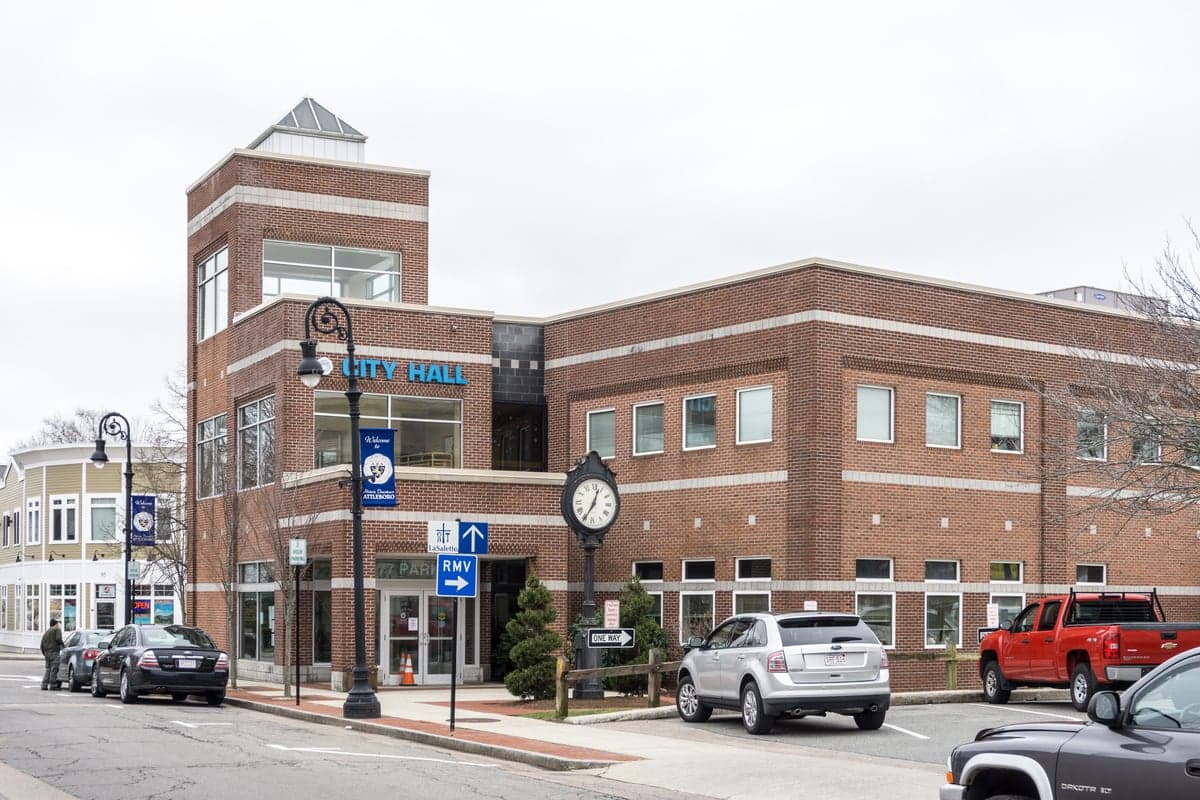
Photo: Wikipedia
Personal Sovereignty in Attleboro, MA
Moderate friction. Expect trade-offs in some aspect of personal liberty and independence.
What does Personal Sovereignty tell us?
Personal Sovereignty measures your capacity for self-reliance and independence with minimal government friction. Higher scores mean fewer barriers between you and the way you want to live... but it assumes you have the space you need and good neighbors.
What does this tell us?
Personal Sovereignty measures your capacity for self-reliance and independence with minimal government friction. Higher scores mean fewer barriers between you and the way you want to live... but it assumes you have the space you need and good neighbors.
State Policy
Energy independence: Importer (5% of energy produced in-state)
Personal Liberty
Homesteading

Personal Liberty Analysis
Attleboro, Massachusetts, presents a mixed picture for those prioritizing personal sovereignty, with the city's location near the Rhode Island border offering some strategic advantages but the state's broader policy environment imposing significant constraints. For conservative-leaning individuals and families concerned with government overreach, Attleboro's autonomy is heavily shaped by Massachusetts' progressive governance, which consistently ranks among the most restrictive in the nation for gun rights, tax burdens, and parental control over education. While the city itself has a more moderate local character than Boston or Cambridge, the legal framework from Beacon Hill means that personal freedoms in Attleboro are often subject to state-level mandates that limit self-reliance and individual decision-making. This analysis examines the specific factors that determine how much control a resident truly has over their life, property, and family in this southeastern Massachusetts community.
Tax burden and regulatory posture in Attleboro
Massachusetts imposes one of the highest combined state and local tax burdens in the country, and Attleboro residents feel this directly. The state's income tax rate is a flat 5.0% on most income, with a separate 12% tax on short-term capital gains, and the sales tax stands at 6.25% with few exemptions. Property taxes in Attleboro are moderate for the state—around $14.50 per $1,000 of assessed value—but the overall effective tax rate on a median home is still higher than in most of the South or Midwest. For a prepper or survivalist mindset, the regulatory posture is equally concerning: Massachusetts has some of the strictest building codes, environmental regulations, and land-use restrictions in New England. The state's Title V septic system requirements, for example, can make developing rural property expensive and time-consuming. Zoning in Attleboro is largely suburban, with most residential lots under half an acre, and the city's master plan emphasizes dense development near commuter rail stations, which limits opportunities for large-scale self-sufficient homesteading. The state's energy policies, including aggressive mandates for solar and heat pumps, add compliance costs for homeowners who might prefer off-grid or low-tech solutions.
Self-defense and gun law specifics in Attleboro
Massachusetts has some of the most restrictive gun laws in the United States, and Attleboro residents must navigate a complex licensing system that directly impacts personal sovereignty. The state requires a License to Carry (LTC) for any handgun possession, which involves a background check, fingerprinting, a firearms safety course, and a $100 fee, with local police chiefs having significant discretion to deny or restrict licenses. Attleboro's police department is generally considered moderate in its issuance of LTCs, but the state's "may issue" framework means that approval is not guaranteed, and restrictions like "target and hunting only" are common for those who cannot demonstrate a specific need for self-defense. The state also bans so-called "assault weapons" by name, limits magazine capacity to 10 rounds, and requires all firearm transfers to go through a licensed dealer with a background check. For a prepper, this means that building a robust personal armory is legally difficult and expensive, and the state's red flag law allows for temporary seizure of firearms based on complaints from family or law enforcement. Open carry is effectively prohibited, and carrying in many public places—including schools, government buildings, and establishments serving alcohol—is restricted. Compared to neighboring Rhode Island, which also has strict laws but allows constitutional carry for residents, Attleboro offers less flexibility for those who view firearms as a cornerstone of personal defense and preparedness.
Self-reliance and homesteading viability in Attleboro
Attleboro's suburban character and zoning regulations make serious homesteading or off-grid living challenging for most residents. The typical residential lot size in the city is between 0.25 and 0.5 acres, which limits space for large gardens, livestock, or rainwater collection systems. The city's zoning code allows for backyard chickens in some districts but requires a permit and limits the number of birds, and larger animals like goats or pigs are generally prohibited on standard residential lots. For those seeking true self-reliance, the rural areas of nearby Rehoboth or Seekonk offer larger parcels—often 1 to 5 acres—but these towns are also subject to Massachusetts' strict environmental regulations, including wetland protection laws that can restrict clearing, building, or farming near water features. Off-grid living is effectively illegal in Attleboro: the city requires connection to municipal water and sewer in most areas, and building codes mandate grid-tied electrical systems for new construction. Solar panels are allowed but must comply with state net metering rules, and standalone battery systems without grid connection are rare and expensive. For a prepper focused on food security, the growing season in Zone 6b is about 150 days, and community gardens exist but are limited. The overall message is clear: Attleboro is not a location for those seeking to live independently of government infrastructure or regulations.
Personal liberties in Attleboro: parental rights, medical autonomy, and speech
Massachusetts has a strong record of limiting parental rights in education and healthcare, which is a major concern for conservative families evaluating Attleboro. The state does not require schools to notify parents about changes in a student's gender identity or pronoun usage, and the Department of Elementary and Secondary Education has issued guidance that effectively allows students to participate in sports and use facilities matching their gender identity without parental consent. Medical autonomy is similarly constrained: Massachusetts has universal health insurance mandates, and the state's Public Health Council has broad authority to impose vaccine requirements for school attendance, including COVID-19 shots for certain age groups during the pandemic era. For those concerned about medical freedom, the state's strict prescription drug monitoring program and limits on alternative treatments (like ivermectin for off-label use) create barriers. Free speech protections are generally strong under the Massachusetts Constitution, but the state has enacted laws against "hate speech" that some conservatives view as chilling political expression, and the attorney general's office actively investigates complaints of discrimination. Property rights are also limited: the state's Chapter 40B law allows developers to override local zoning for affordable housing projects, and the Community Preservation Act imposes a surcharge on property taxes for open space and historic preservation. For a survivalist, these policies represent a steady erosion of individual control over family, health, and property decisions.
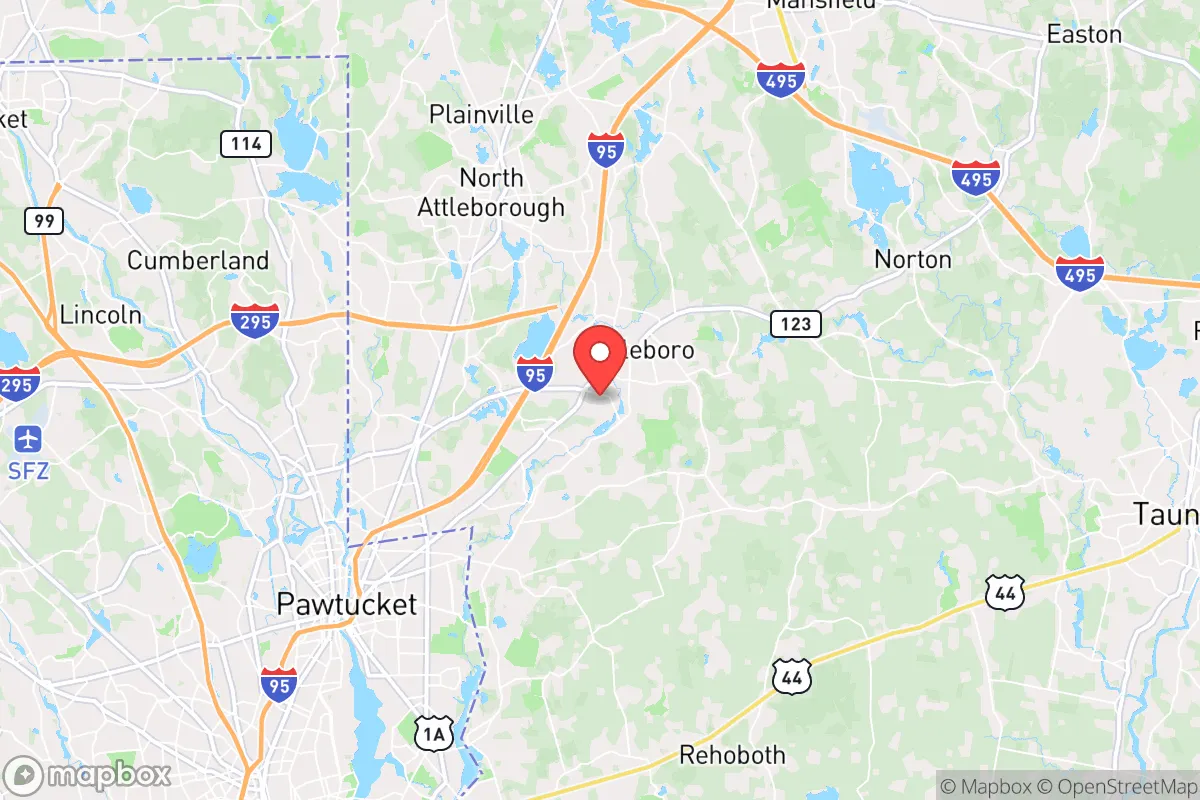
In the broader context of personal sovereignty, Attleboro offers a strategic location near the Rhode Island border—which provides a potential escape route or alternative jurisdiction—but the city itself is firmly within a state that prioritizes collective governance over individual autonomy. Compared to areas like New Hampshire or Maine, where tax burdens are lower, gun laws are more permissive, and zoning is less restrictive, Attleboro ranks poorly for those seeking maximum personal freedom. For a conservative individual or family willing to navigate high taxes and regulatory hurdles, the city's proximity to employment centers and its relatively moderate local politics may be tolerable, but for preppers and survivalists who value self-reliance above all, Attleboro is a compromise that requires constant vigilance against state overreach. The bottom line: if your priority is maximizing personal sovereignty, look north to New Hampshire or west to the more rural parts of central Massachusetts, but if you must be in southeastern New England, Attleboro is at least a better bet than Boston or Cambridge.

* Values derived from national, state, county, city and local statistics and may differ in a specific area. Last updated: 2026-05-01T11:28:13.000Z
Narrative content on this page is AI-generated and may contain mistakes. Verify any details that matter before acting on them.
ReloMaps may earn a commission from affiliate links at no extra cost to you.

