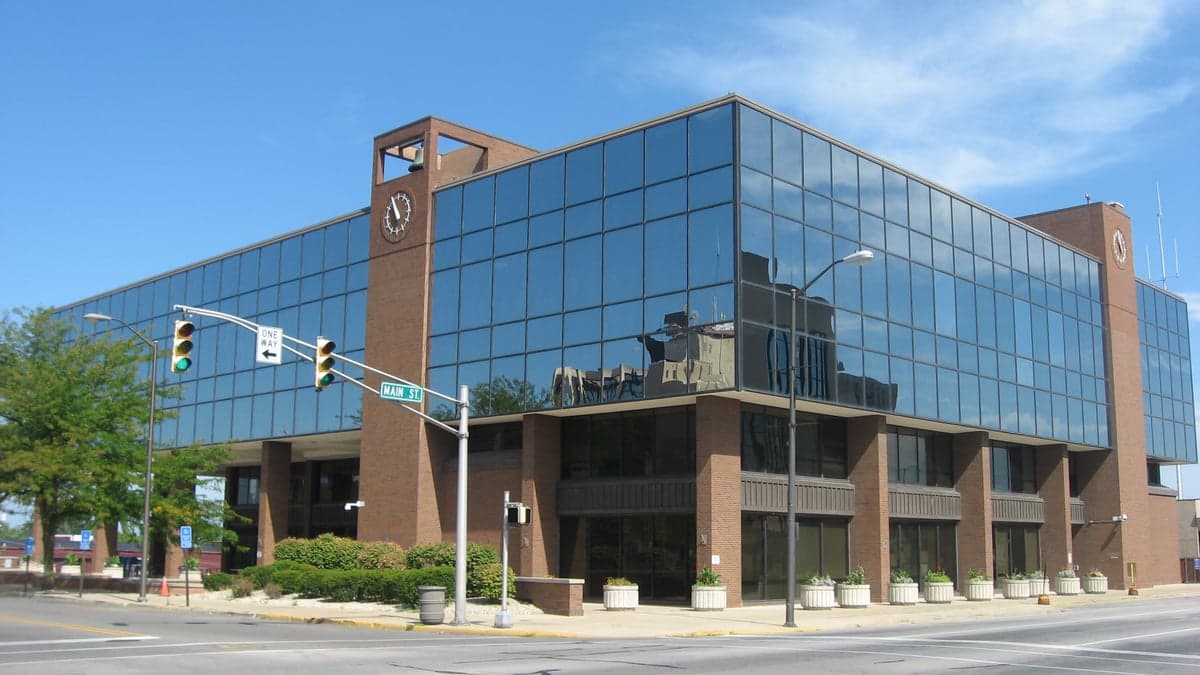
Photo: Wikipedia
Strategic Assessment of Anderson, IN
Meaningful friction. Expect exposure to either population pressure, blast zones, or natural disaster risk. Consider buying a retreat property.
What does the Strategic Assessment tell us?
Our Strategic Assessment grades tactical survivability of an area. Major population centers, military targets, fallout zones, natural disasters, and border exposure all drive risk — lower exposure means a more defensible position in a crisis.
This is heavily inspired by Joel Skousen's Strategic Relocation book. Highly recommended you checkout the book ($)What does this tell us?
Our Strategic Assessment grades tactical survivability of an area. Major population centers, military targets, fallout zones, natural disasters, and border exposure all drive risk — lower exposure means a more defensible position in a crisis.
This is heavily inspired by Joel Skousen's Strategic Relocation book. Highly recommended you checkout the book ($)Strategic Pillars

Key Distances
Regional Safe Places
Below is our recommended "safe zones" in Indiana and the surrounding area based on our strategic heuristics. For most people, it's unrealistic to live in a “safe zone” full-time due to work, family or other personal reasons. They tend to be more rural. However, many of these areas are perfect for second homes and retreat properties that double as a vacation home or even a short-term rental.

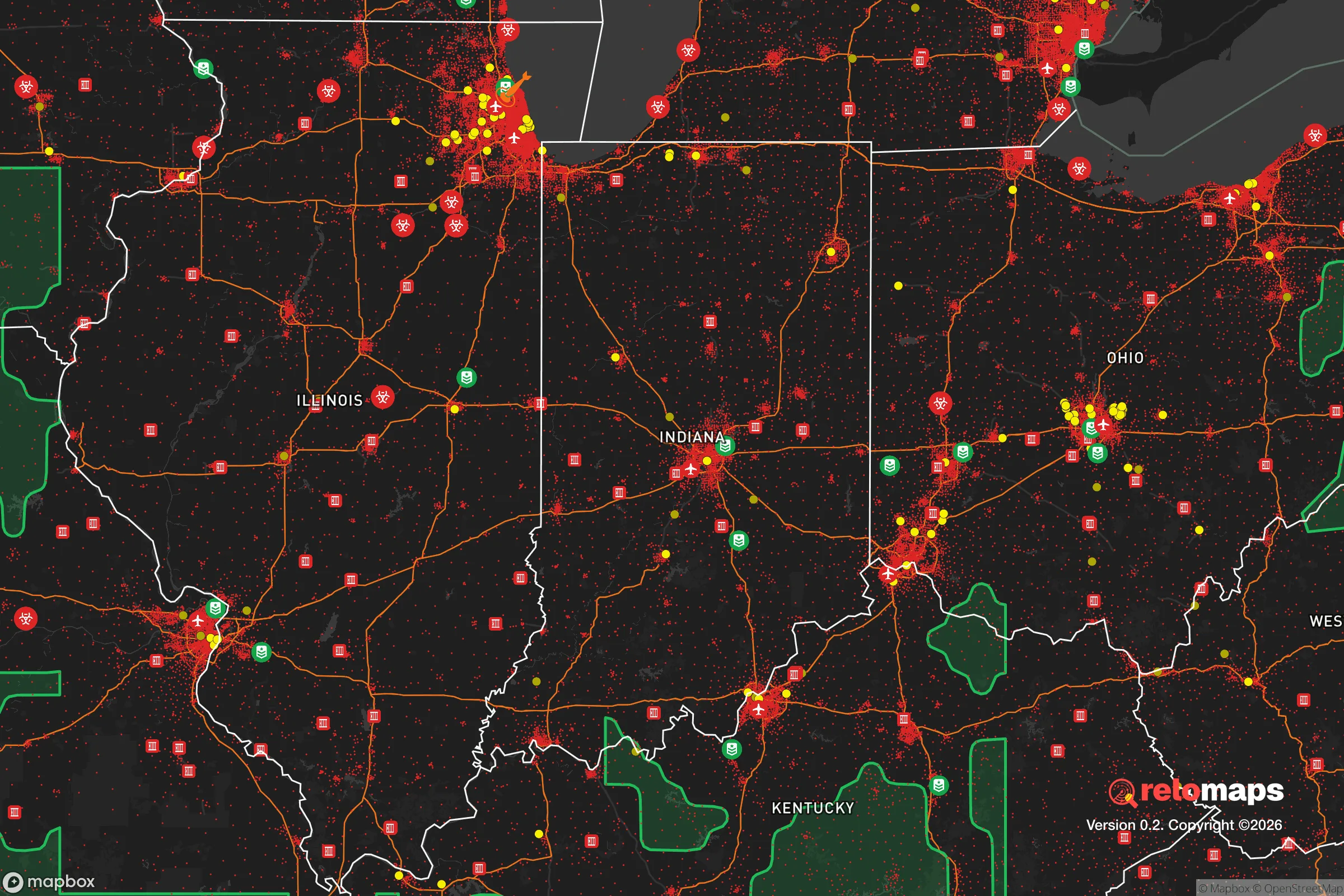


Important Note: For informational purposes only. This does not mean nothing bad ever happens in the green zones. Please use common sense. This is based on public data and modeled with AI. We tried to take a conservative approach but mistakes happen. We update this regularly as new information becomes available.
Solar Generator Recommendations
Backup power matters more here than in safer locations. We've picked three solar generators across budgets and capacity tiers — start with the budget unit if you only need a few essentials, or step up if you want to run a fridge and HVAC for days at a time.

Jackery Portable Power Station Explorer 300
Budget OptionPower on the Go: Weighing only 11 lbs, it's convenient to set up and store with book-sized foldable solar panels

BLUETTI Portable Power Station AC180
Designed for both indoor and outdoor scenarios, AC180 is highly capable as it has a robost capacity and continuous output power.

EF ECOFLOW DELTA Pro Ultra Power Station
Upgraded PickEcoFlow DELTA Pro Ultra is a whole-home energy system designed to grow with your family. Integrated with the Smart Home Panel 2, it scales to meet your evolving energy needs — keeping your home powered, intelligent, and secure through every stage of life.
We earn a commission, at no additional cost to you.
Strategic Assessment Analysis
Anderson, Indiana, sits in a position that demands a hard look from anyone serious about long-term resilience. Its location along the White River and its history as a manufacturing hub give it a skeleton of infrastructure that can be repurposed, but the city’s proximity to Indianapolis and its own economic fragility create a mixed strategic picture. For a relocator thinking about civic unrest, supply chain disruptions, or mass casualty events, Anderson offers some genuine advantages—but only if you understand where the real risks lie and plan accordingly.
Geographic position and natural advantages for long-term self-sufficiency
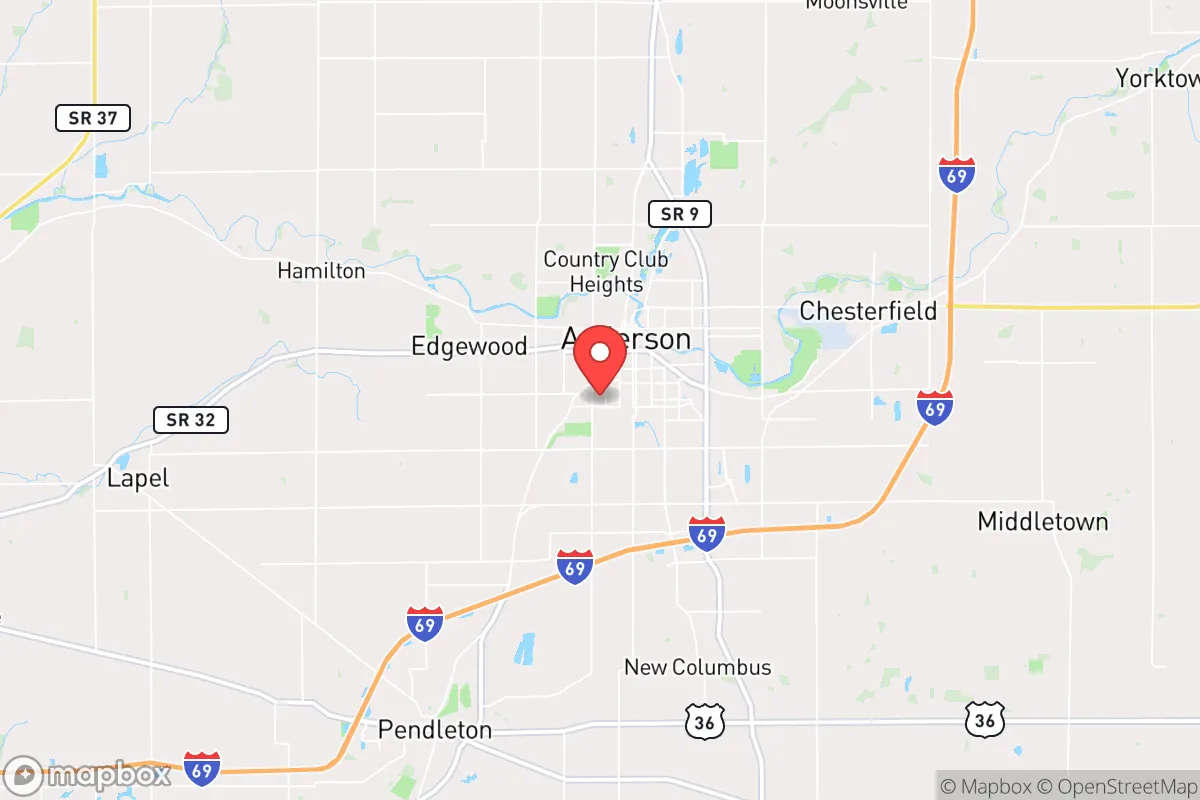
Anderson’s geographic reality is defined by its position in east-central Indiana, roughly 40 miles northeast of Indianapolis. That distance is both a blessing and a curse. On the plus side, it places you outside the immediate blast radius of any major event targeting a large city, but close enough that you can still access urban resources—if they exist. The area sits on the White River, which provides a surface water source for filtration, though it’s not pristine and requires serious treatment. The surrounding Madison County is mostly flat, agricultural land, which means decent soil for gardening and small-scale farming, but also limited natural cover for concealment or defensive positions. The region’s temperate climate allows for a growing season of roughly 170 days, enough for staple crops like corn, beans, and squash, but winters can be harsh, with average January lows around 18°F. That cold is a double-edged sword: it slows down pest cycles and preserves stored food, but it also demands reliable heating and winterized shelter. The area’s lack of significant elevation changes means drainage is slow, so flooding along the White River is a real concern during heavy rains—something to factor into any property selection.
Risks, exposures, and proximity to fallout-relevant landmarks
The biggest strategic liability for Anderson is its proximity to Indianapolis, a major population center and transportation hub. In a scenario involving civil unrest, mass casualty events, or a coordinated attack, Indianapolis becomes a primary target. Anderson sits within the likely fallout zone for any conventional or dirty bomb strike on the city, depending on wind direction. The city itself has a population of around 55,000, but Madison County’s total is about 130,000, meaning you’re not isolated—you’re in a semi-urban environment with all the associated risks of resource competition during a crisis. The nearby Interstate 69 corridor is a major north-south route that would become a chokepoint for evacuation or supply movement, and it’s also a likely vector for refugees fleeing Indianapolis. On the industrial side, Anderson has its own legacy of manufacturing, including former General Motors plants, which means there are old industrial sites with potential chemical or heavy metal contamination. The area also sits within 100 miles of several rail lines and pipelines that carry hazardous materials, including crude oil and anhydrous ammonia. A derailment or pipeline rupture could create localized contamination zones. For the prepper mindset, these are not deal-breakers, but they demand situational awareness and a plan for rapid relocation if conditions deteriorate.
Practical resilience for a relocator: food, water, energy, and defensibility
For a single individual or family looking to build a resilient setup, Anderson offers a mixed bag. The agricultural land around the city is affordable, with rural properties under $200,000 still available as of 2026, which is a fraction of what you’d pay in the Pacific Northwest or Appalachia. That land can support a substantial garden, small livestock, and rainwater catchment. The White River is a year-round water source, but it’s heavily silted and carries agricultural runoff, so a high-quality filtration system—like a Berkey or a DIY sand filter—is non-negotiable. Groundwater in the area is generally good, with wells typically producing 10-20 gallons per minute at depths of 50-100 feet, but you’ll need to test for nitrates and bacteria. Energy-wise, the grid is reliable in normal times, but Anderson is in a region prone to ice storms and summer thunderstorms that can knock out power for days. Solar is viable, with the area averaging about 4.5 peak sun hours per day, but you’ll need battery storage to handle the cloudy stretches. Natural gas is available in most of the city, but rural properties may rely on propane, which requires storage and resupply. Defensibility is the weak point. The flat terrain means any property is visible from a distance, and the lack of natural barriers—no mountains, no dense forests—makes it hard to create a secure perimeter. A rural property with a long driveway and a good fence is your best bet, but you’re not going to replicate a mountain redoubt here. The local community is generally conservative and self-reliant, which can be an asset for mutual aid, but it also means you’re not going to find a prepper community already organized—you’ll need to build those relationships yourself.
The overall strategic picture for Anderson is one of calculated trade-offs. It’s not a survivalist paradise, and it’s not a high-risk urban trap. It’s a middle-ground location where a prepared individual or family can establish a resilient base at a reasonable cost, provided they accept the limitations of the terrain and the proximity to Indianapolis. The key is to treat Anderson as a staging area, not a final redoubt. Have a bug-out plan for a secondary location further north or east, stockpile supplies for at least 90 days, and invest in water filtration and off-grid energy. If you do that, Anderson can work as a long-term home base for someone who wants to be ready for the worst while still living a normal life in the meantime. Just don’t get complacent about the risks from the city to the southwest—they’re real, and they’re not going away.

* Values derived from national, state, county, city and local statistics and may differ in a specific area. Last updated: 2026-04-30T01:45:18.000Z
Narrative content on this page is AI-generated and may contain mistakes. Verify any details that matter before acting on them.
ReloMaps may earn a commission from affiliate links at no extra cost to you.

