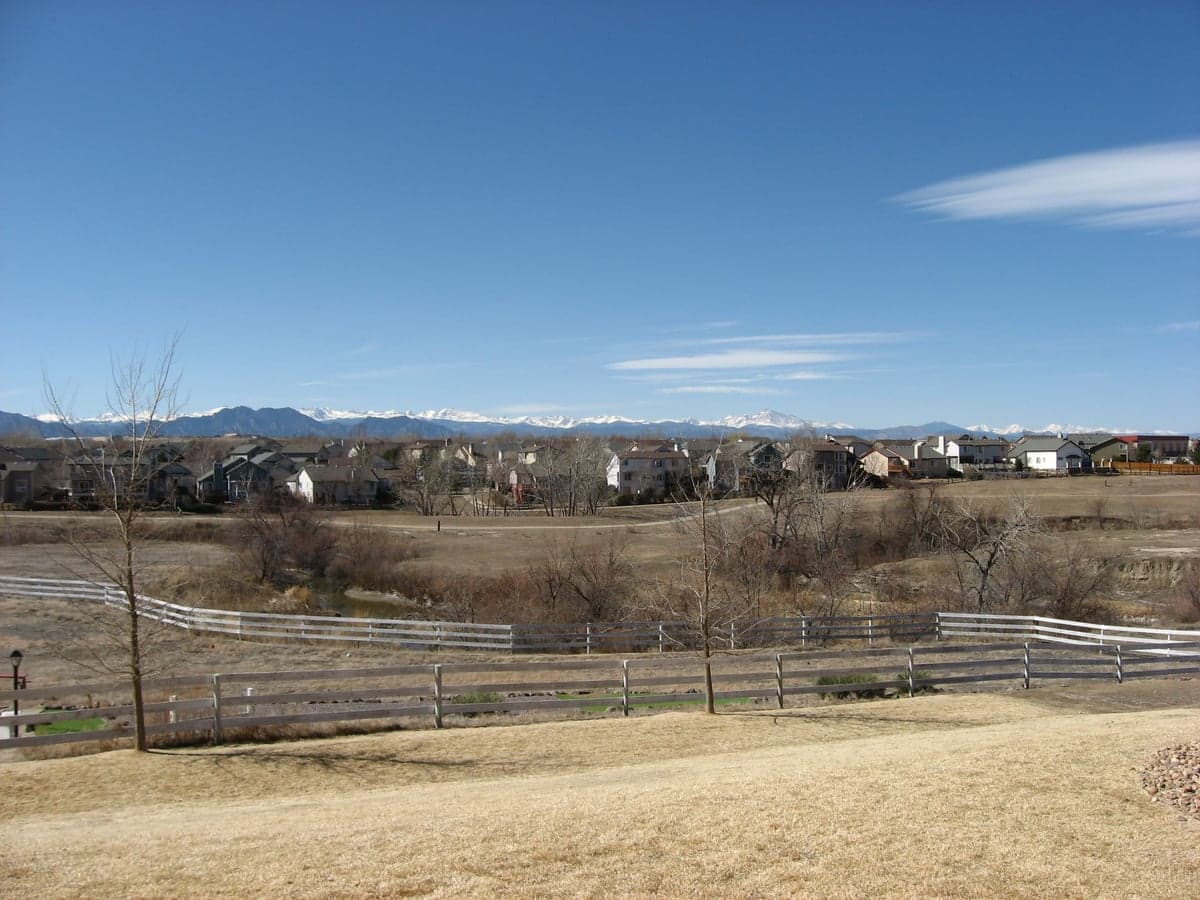
Photo: Wikipedia
Political ClimatePolitical Climate in Westminster, CO
District shown is the primary district for this city’s centroid. Cities may span multiple districts.
Local Political AnalysisPolitical Analysis of Westminster, CO
Westminster, Colorado, has shifted noticeably to the left over the past decade, and the numbers back it up. The area now carries a Cook Partisan Voting Index of D+8, meaning it votes about eight points more Democratic than the national average. That wasn’t always the case. I remember when this town was a lot more balanced—you’d see as many McCain signs as Obama ones in 2008. Now, the local elections and ballot measures tend to lean heavily progressive, and it feels like the old-school, live-and-let-live attitude is getting squeezed out by a more activist government mindset.
How it compares
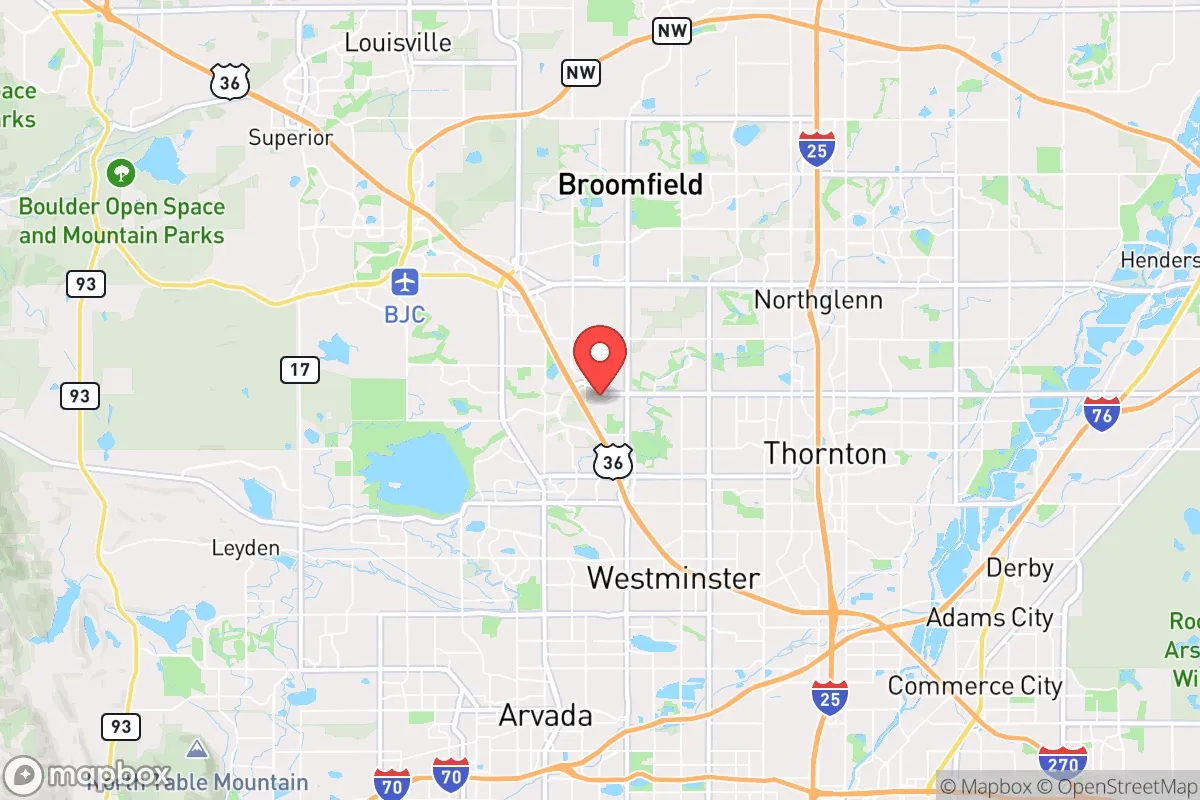
Westminster sits right on the border of Adams and Jefferson counties, and that geography tells you a lot. Drive a few miles north to Broomfield or east to Thornton, and you’ll find similar Democratic-leaning suburbs. But head west into the foothills—places like Golden or unincorporated Jefferson County—and the political vibe gets noticeably more conservative. Even Arvada, just south of us, still holds onto a more moderate, independent streak. Westminster, though, has become a stronghold for progressive policies, especially compared to the more rural areas just 20 minutes away. It’s a real contrast: you can go from a city council meeting here where they’re debating new housing mandates to a county fair in Weld County where the biggest concern is property taxes and water rights.
What this means for residents
For folks who value personal freedom and limited government, the trend in Westminster is a real concern. The city council has been pushing through a lot of new regulations—think strict energy codes for new homes, mandates on what you can build on your own property, and a general willingness to use city ordinances to shape behavior. It’s not just about politics; it’s about the creeping sense that the government knows better than you do. Property taxes have gone up, and while some of that funds new parks and trails, a lot of it goes toward expanding city staff and programs that feel more like social engineering than core services. If you’re the kind of person who wants to be left alone to raise your family, run a small business, or just enjoy your backyard without a bunch of new rules, Westminster is becoming a tougher place to do that.
Looking ahead, I don’t see this trend reversing anytime soon. The demographics are shifting—younger families and transplants from more liberal states are moving in, and they bring their voting habits with them. The long-time residents who remember when Westminster was a quieter, more independent-minded community are slowly being outnumbered. The city’s embrace of regional transit-oriented development and its participation in metro-wide climate initiatives mean more layers of government oversight, not less. If you’re considering a move here, just know that the political climate is increasingly one-size-fits-all progressive, and the days of a truly local, hands-off approach to governance are fading fast. It’s still a fine place to live, but you’ll want to keep an eye on the ballot box and the city council agenda if you want to preserve your freedoms.

State Political ClimatePolitical Climate in Colorado
State Political AnalysisPolitical Environment in the State
Colorado has shifted from a classic purple swing state to a solidly blue-leaning state over the past two decades, driven largely by explosive growth in the Denver-Boulder corridor and the Front Range. While the state voted for a Republican governor as recently as 2014, it has voted for the Democratic presidential candidate in every election since 2008, and Democrats now control the governorship, both chambers of the legislature, and all statewide offices. For a conservative considering relocation, the state’s trajectory is a cautionary tale of how rapid in-migration from progressive areas can fundamentally alter a state’s political DNA.
Urban vs. rural divide
The political map of Colorado is a stark study in contrast. The Denver metro area, including Denver, Boulder, Aurora, and Lakewood, is the engine of Democratic power, producing massive vote margins that overwhelm the rest of the state. Boulder County, home to the University of Colorado, is one of the most liberal counties in the nation, routinely delivering 75-80% of its vote to Democrats. The I-25 corridor from Fort Collins down through Colorado Springs is a mixed bag: Fort Collins and Loveland have trended blue, while Colorado Springs remains a conservative stronghold, home to Focus on the Family and a large military presence. The rural Eastern Plains, Western Slope, and San Luis Valley are deeply red, with counties like Elbert, Lincoln, and Moffat routinely voting 70-80% Republican. However, these rural areas simply lack the population to counterbalance the Front Range. A key example: Weld County, once a reliably red agricultural hub, has seen its margins shrink as commuters from Denver move into new subdivisions in Greeley and Windsor.
Policy environment
Colorado’s policy environment has become increasingly progressive, with a few notable exceptions. The state has a flat income tax rate of 4.4%, which is relatively low, but property taxes are moderate and sales taxes can be high in local jurisdictions. The regulatory posture is decidedly left-leaning: the state has some of the strictest environmental regulations in the West, including a 2022 law requiring a 50% reduction in greenhouse gas emissions by 2030, which has driven up energy costs. Education policy is dominated by the teachers’ unions, and the state has a robust school choice system, including charter schools and open enrollment, though this is under constant attack from the legislature. Healthcare is heavily regulated, with a state-run insurance exchange and a public option bill that passed in 2021. Election laws are among the most liberal in the country: Colorado automatically mails a ballot to every registered voter, allows same-day registration, and has no voter ID requirement at the polls. This system, while convenient, has raised concerns among conservatives about election integrity, particularly after the 2020 election saw a surge in mail-in ballots.
Trajectory & freedom
Colorado is becoming less free by any conservative measure. The most glaring example is the erosion of Second Amendment rights: in 2023, the legislature passed a ban on so-called “assault weapons” and high-capacity magazines, along with a three-day waiting period for all firearm purchases. The state also has a “red flag” law that allows for the temporary seizure of firearms without a criminal conviction. On parental rights, the state passed a law in 2023 that allows minors as young as 12 to consent to gender-affirming care without parental notification, a major flashpoint for conservative families. Medical autonomy has been curtailed by strict vaccine mandates for healthcare workers and schoolchildren, though these have been partially rolled back. Property rights are under pressure from a 2021 law that allows local governments to impose rent control, a policy previously banned in the state. On the positive side, Colorado has a strong Taxpayer’s Bill of Rights (TABOR), which limits tax increases and requires voter approval for new taxes, though the legislature has found ways to work around it through fees and “enterprise funds.”
Civil unrest & political movements
Colorado has seen its share of political flashpoints. The 2020 protests in Denver turned violent, with looting and arson, and the city’s progressive district attorney, Beth McCann, has been criticized for a lenient approach to prosecution. The state is a sanctuary state, with a 2019 law that limits cooperation between local law enforcement and federal immigration authorities, a major concern for conservatives. The election integrity debate is alive and well: in 2022, a Republican candidate for secretary of state, Pam Anderson, ran on a platform of restoring trust in the system, but lost to a Democrat who defended the mail-in system. There have been secessionist movements in rural areas, most notably the “51st State” movement in Weld County, which sought to break away from the Front Range’s political dominance, but these have gained little traction. The state is also home to a growing “parents’ rights” movement, particularly in Douglas County, where school board elections have become battlegrounds over critical race theory and LGBTQ curriculum.
Projection
Over the next 5-10 years, Colorado will likely continue its leftward drift. The demographic trends are clear: the state is attracting a disproportionate number of young, college-educated professionals from California and the Northeast, who tend to vote Democratic. The rural population is stagnant or declining, while the Front Range continues to grow. The Republican Party in Colorado is in disarray, having lost every statewide race since 2016, and the party’s internal divisions between moderates and Trump-aligned conservatives show no signs of healing. A new resident moving in now should expect to see more gun control, higher taxes, and a continued erosion of parental rights. The one wild card is the state’s housing crisis: if the cost of living continues to skyrocket, it could slow in-migration and potentially shift the political calculus. But for now, the trajectory is clear: Colorado is becoming a blue state in the mold of California or Oregon.
For a conservative moving to Colorado, the bottom line is this: you will find like-minded communities in the rural areas and in Colorado Springs, but you will be fighting an uphill battle at the state level. The state’s natural beauty and outdoor lifestyle are undeniable, but the political climate is increasingly hostile to traditional values. If you value low taxes, gun rights, and local control, you may want to look at neighboring states like Wyoming or Utah. If you do move here, get involved in local politics—school boards, county commissions, and city councils—because that’s where the real fight for freedom is happening.
* Values derived from national, state, county, city and local statistics and may differ in a specific area. Last updated: 2026-05-01T10:00:27.000Z
Narrative content on this page is AI-generated and may contain mistakes. Verify any details that matter before acting on them.
ReloMaps may earn a commission from affiliate links at no extra cost to you.

