
Photo: Wikipedia
Political ClimatePolitical Climate in Virginia
Political Environment in the State
Virginia has shifted from a reliably purple swing state to a solidly Democratic-leaning one, with a Cook PVI of D+4, driven almost entirely by explosive growth in the Washington, D.C. suburbs. Over the last 20 years, the state has moved leftward at the ballot box and in policy, but the shift is not uniform—it’s a story of two Virginias: a rapidly urbanizing, progressive northern crescent and a more conservative, rural south and west. For a conservative considering relocation, the key question is whether you can live in the Virginia that still values limited government, or whether the state-level trends will eventually reach you.
Urban vs. rural divide
The political map of Virginia is a stark study in contrast. The entire northern Virginia region—Fairfax County, Loudoun County, Prince William County, and Arlington—now votes Democratic by margins of 30 to 50 points. These counties alone produce enough votes to swing statewide elections. The Richmond metro area, especially Henrico County and the city of Richmond itself, has also trended hard left, with Henrico flipping from red to blue over the past decade. Meanwhile, the rural south and southwest—places like Roanoke, Lynchburg, Danville, and the Shenandoah Valley—remain deeply conservative. The I-81 corridor from Winchester to Bristol is a Republican stronghold, and the coal country of far southwest Virginia votes red by 40-point margins. The divide is so sharp that a conservative moving to Virginia must choose their county carefully: living in Loudoun means living under a Democratic supermajority, while living in Spotsylvania or Stafford (just south of the D.C. suburbs) still offers a competitive political environment.
Policy environment
Virginia’s state-level policy has lurched left since Democrats took full control of the governorship and legislature in 2019. The tax burden is moderate—income tax rates range from 2% to 5.75%, and the state sales tax is 5.3% (higher in some localities)—but the trend is toward higher spending. The 2020 General Assembly passed a slew of progressive bills: abolishing the death penalty, legalizing marijuana (with a state-run retail model), and enacting some of the strongest gun control laws in the South, including universal background checks, a red-flag law, and a one-handgun-per-month purchase limit. Education policy has become a flashpoint: the state eliminated its charter school cap in 2021 but has not aggressively expanded school choice, and the Virginia Department of Education has pushed critical race theory-adjacent curriculum standards, leading to fierce local battles in Loudoun and Fairfax counties. Election laws have also tightened in a way that concerns conservatives: no-excuse absentee voting, same-day registration, and a permanent absentee voter list were all enacted, and the state’s voter ID law was weakened. For a conservative, the policy environment is increasingly hostile to gun rights, parental control in schools, and election integrity.
Trajectory & freedom
Virginia is becoming less free by any measure of personal liberty that conservatives care about. The 2020 gun control package—SB 70 (red flag law), HB 2 (universal background checks), and HB 674 (one-handgun-per-month)—was the most aggressive in the South. In 2021, the state repealed its right-to-work law for public-sector unions, a move that weakens economic freedom. On medical freedom, Virginia imposed some of the nation’s strictest COVID-19 vaccine mandates for state employees and healthcare workers, though many have since been rescinded. Parental rights took a hit with the 2020 law that removed the requirement for schools to notify parents when a child requests a name or pronoun change—a policy that sparked massive protests in Loudoun County. On the positive side for conservatives, Virginia remains a right-to-work state for private-sector employees, and there is no state income tax on military retirement pay, which attracts veterans. But the trajectory is clear: each Democratic trifecta pushes the state further from the limited-government ideal that once defined it.
Civil unrest & political movements
Virginia has been a national flashpoint for political conflict. The 2017 Unite the Right rally in Charlottesville and the subsequent removal of Confederate statues sparked years of litigation and protest. In 2020, the Second Amendment Sanctuary movement swept the state—over 100 counties and cities passed resolutions vowing not to enforce new gun laws, and the issue remains a live political battle. The Loudoun County school board meetings in 2021 became a national symbol of the parental rights movement, with thousands of parents protesting transgender policies and critical race theory. Immigration politics are also volatile: Prince William County has a long history of sanctuary policy debates, and the state’s “sanctuary city” ban was repealed in 2020, allowing localities to adopt non-cooperation policies. Election integrity remains a sore point: the 2020 and 2021 elections saw widespread allegations of irregularities in Fairfax and Loudoun counties, though courts largely rejected challenges. A new resident will find that political activism is intense and organized on both sides, with the left dominating the suburbs and the right holding strong in the counties.
Projection
Over the next 5-10 years, Virginia will likely continue its leftward drift, driven by the relentless population growth of northern Virginia. The D.C. suburbs are adding tens of thousands of new residents annually, most of whom vote Democratic. The 2021 gubernatorial election, where Republican Glenn Youngkin won by focusing on parental rights and education, was a temporary backlash, not a realignment—Democrats retook the House of Delegates in 2023 and are favored to hold the governorship in 2025. The rural conservative strongholds are losing population, which means their political influence is shrinking. A conservative moving to Virginia today should expect that statewide elections will be increasingly difficult for Republicans to win, and that the policy environment will continue to tighten on guns, taxes, and education. The best-case scenario is a continued split government that blocks the worst excesses, but the demographic trend is clear: Virginia is becoming a blue state, and the only question is how fast.
For a conservative relocating to Virginia, the bottom line is this: you can still find a community that reflects your values in the Shenandoah Valley, the Roanoke area, or the rural counties south of Richmond. But you must be strategic about your county choice, because the state government in Richmond is increasingly hostile to gun rights, parental control, and fiscal conservatism. If you want a state where your vote still matters and your local government respects your freedoms, stick to the red counties and prepare for a long-term fight to keep them that way. If you move to northern Virginia, you will be living under a progressive regime that is actively expanding government power into every corner of your life.

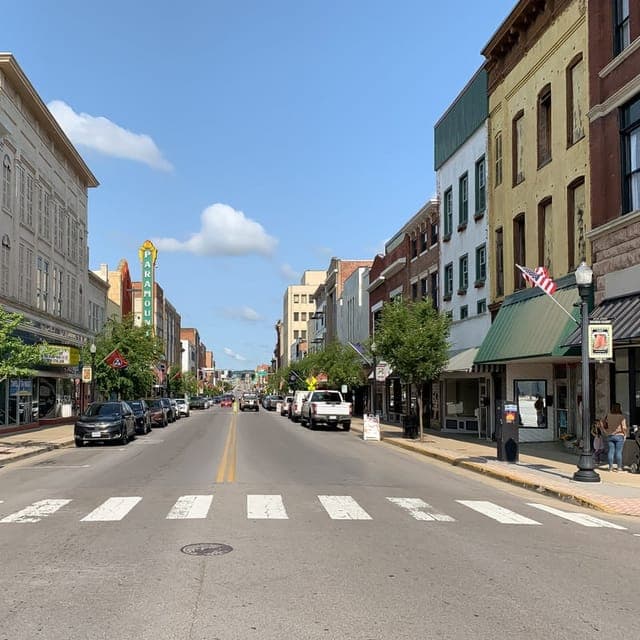
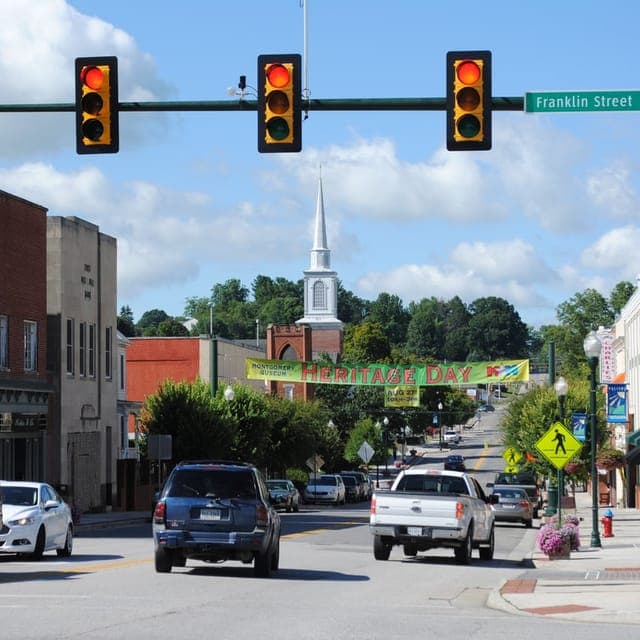
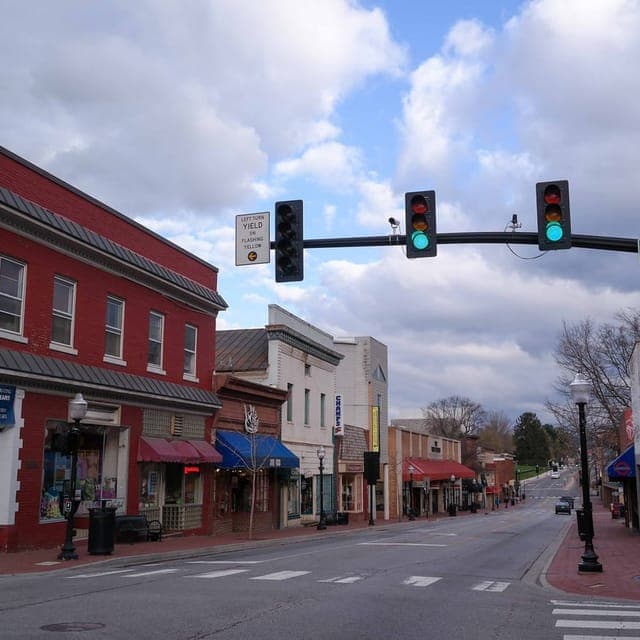
Most Conservative Cities in Virginia

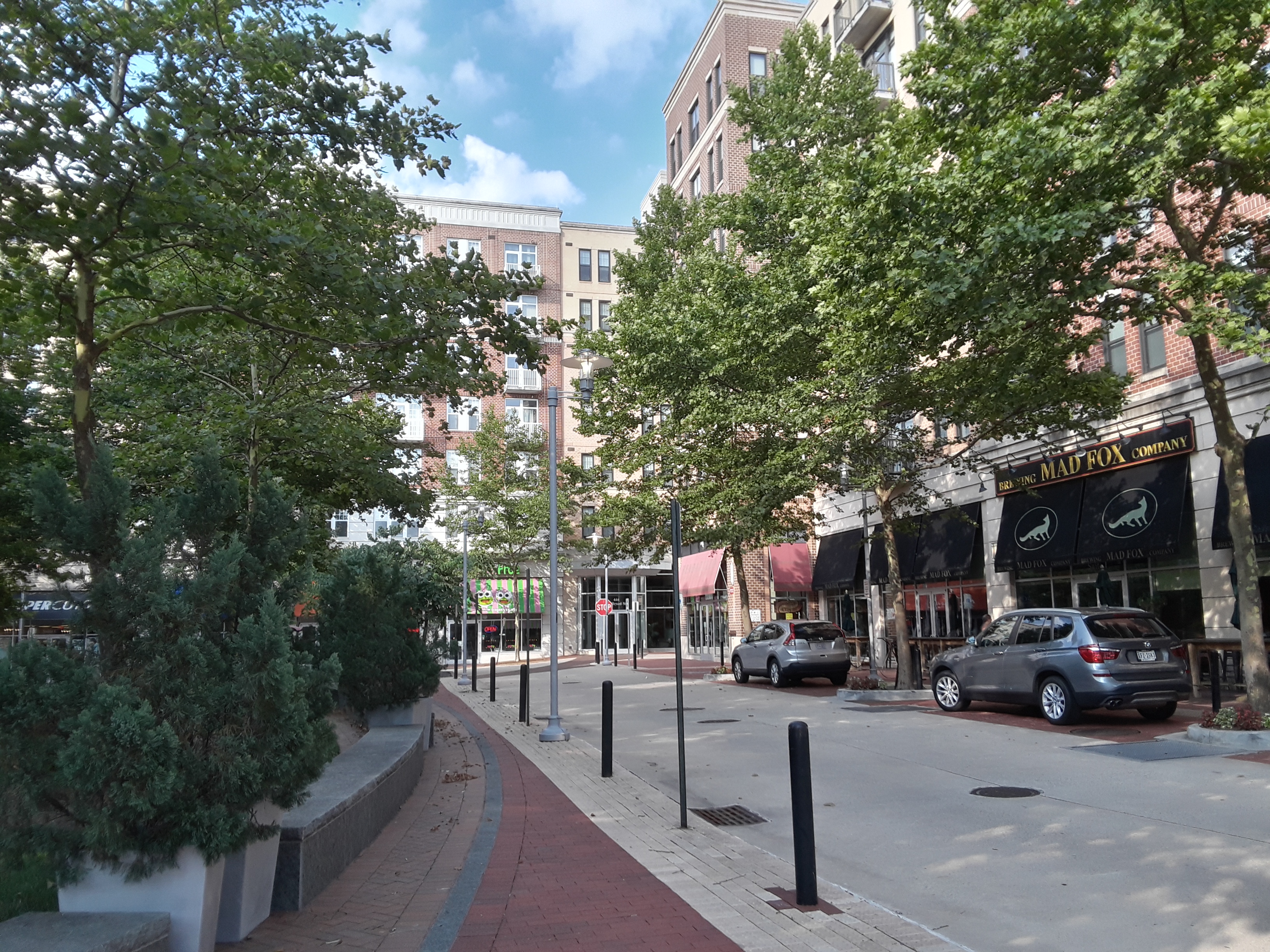
Most Liberal Cities in Virginia


* Values derived from national, state, county, city and local statistics and may differ in a specific area. Last updated: 2026-04-19T08:36:37.000Z
Narrative content on this page is AI-generated and may contain mistakes. Verify any details that matter before acting on them.
ReloMaps may earn a commission from affiliate links at no extra cost to you.

