Quality of Life in Martinsville City County
A livable area that tracks near national norms for affordability, walkability, and neighborhood health.
What does Quality of Life tell us?
Quality of Life measures an area by evaluating factors like cost of living, nearby amenities, country club access, airport proximity, socioeconomic signals and neighborhood character. For large states, this is a general average — quality of life can vary dramatically between metro areas, suburbs, and rural communities within the same state.
What does this tell us?
Quality of Life measures an area by evaluating factors like cost of living, nearby amenities, country club access, airport proximity, socioeconomic signals and neighborhood character. For large states, this is a general average — quality of life can vary dramatically between metro areas, suburbs, and rural communities within the same state.
Cost of Living
46% below national average
131%
The Real Cost of Living in Martinsville City County for 2026
| Tier | Individual | Family (4) |
|---|---|---|
| Survival | $13k | $24k |
| Comfortable | $22k | $32k |
| Luxury | $77k+ | $119k+ |
| Elite (Top 5%) | $116k+ | $179k+ |
Quality-of-Life Analysis
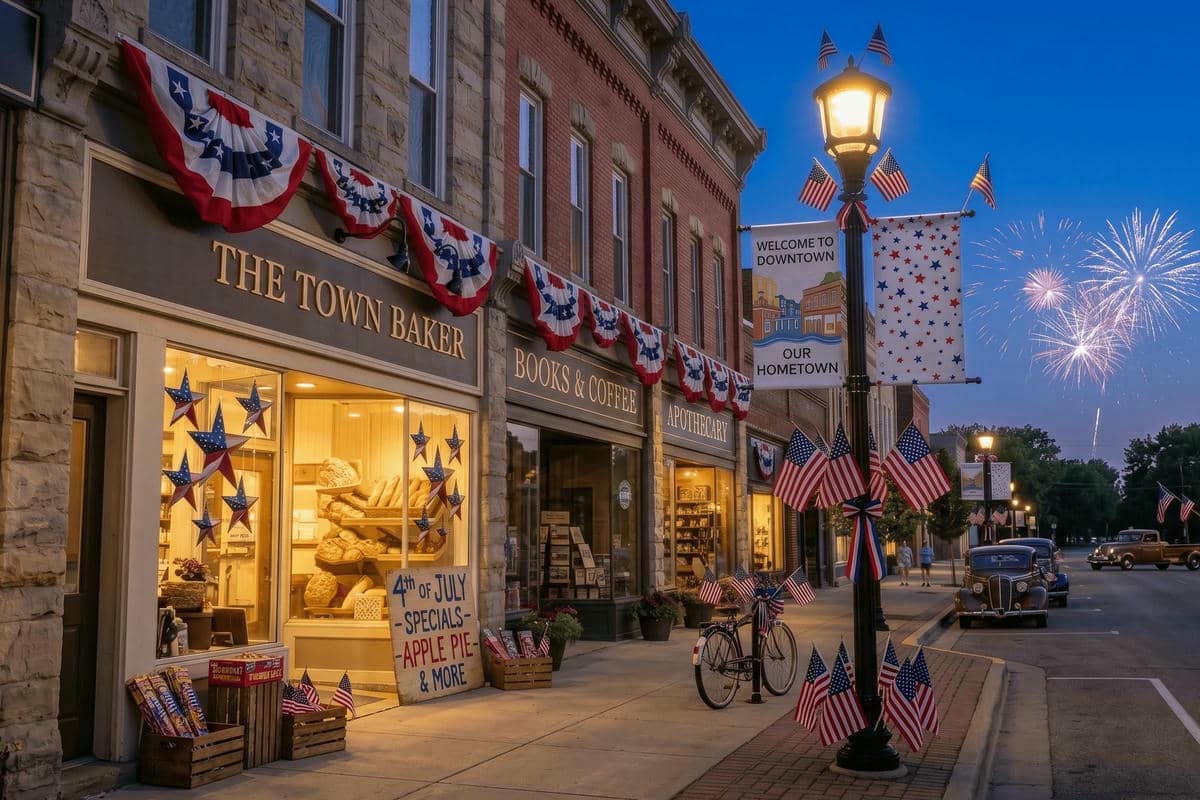
Martinsville City County, Virginia, offers a quality-of-life spectrum that ranges from the compact, walkable urban core of Martinsville itself to the quiet, wooded rural stretches of the county’s unincorporated communities. The county’s overall cost of living index sits at 54 — roughly half the national average — with a median home value of $92,500 and median rent of $784, making it one of the most affordable places in the state. This broad affordability attracts a mix of retirees seeking low property taxes, remote workers drawn by the short average commute of 19.6 minutes, and families looking for space and slower pace. The character of daily life shifts noticeably depending on whether you live in the town center, a suburban-style neighborhood on the outskirts, or a farmstead in the county’s rural southern and western reaches.
Largest town(s) & population centers
The county’s primary population center is the independent city of Martinsville, which is geographically surrounded by but politically separate from the county. Despite its small size — roughly 13,000 residents — Martinsville functions as the region’s commercial and civic hub. Daily life here is centered around the historic Uptown district, which has seen reinvestment in recent years, including the Martinsville Speedway (a NASCAR short track that draws tens of thousands of visitors twice a year) and the Piedmont Arts Association museum. Residents walk to local diners, the public library, and the Martinsville-Henry County YMCA. Housing in the city leans older and denser: many early-20th-century bungalows and row houses line streets within a 10-minute walk of downtown. The city’s public schools, part of Martinsville City Public Schools, serve a higher proportion of students from low-income households than the county’s schools, which is a factor some families weigh when choosing where to live. Just east of the city, the Commonwealth Crossing Business Centre industrial park anchors employment in logistics and light manufacturing.
Smaller towns & rural pockets
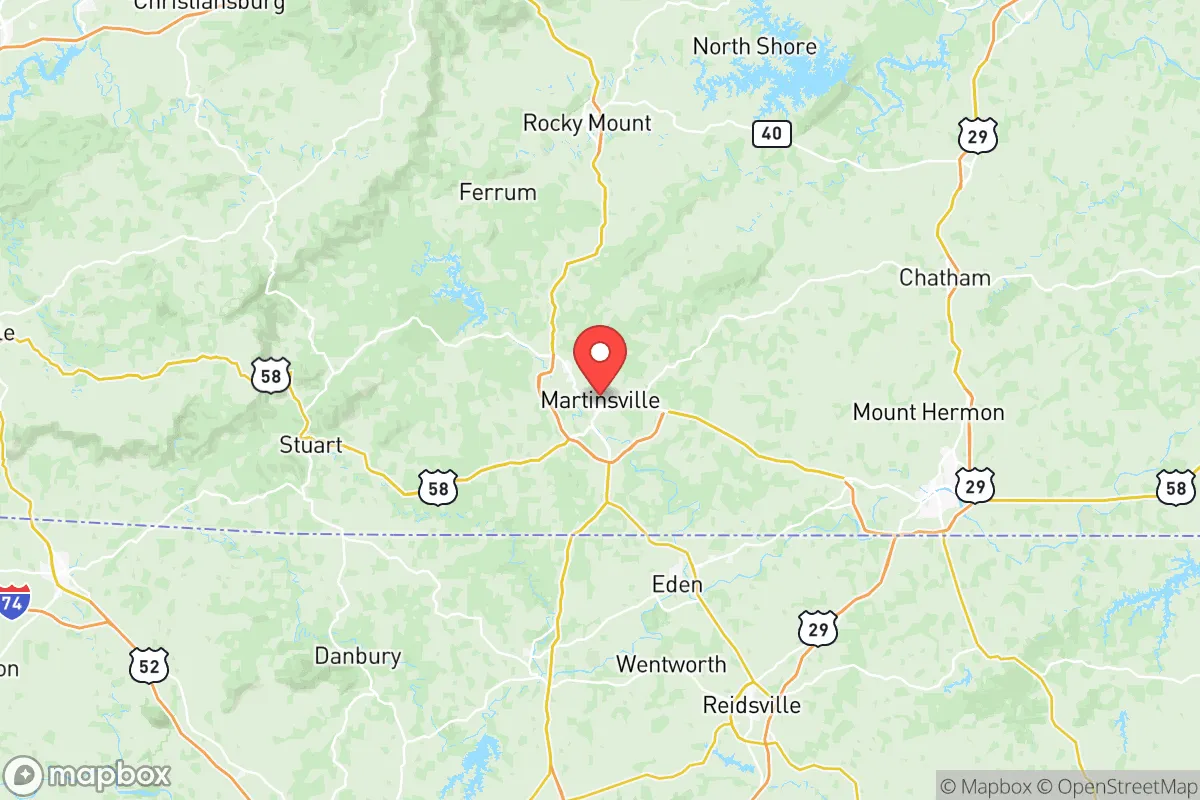
Outside the city limits, the county’s unincorporated communities offer a distinctly different lifestyle. Collinsville, a census-designated place just north of Martinsville, is the largest of these, with a mix of mid-century ranch homes, newer subdivisions, and strip-commercial development along Virginia 57. It feels suburban but still rural — many homes sit on half-acre to two-acre lots. Further south, Fieldale is a former mill village along the Smith River, where older company-built houses cluster near the river and the Fieldale Trail walking path. Bassett, straddling the county line with Henry County, is another small community with a strong industrial history tied to the Bassett Furniture company. The most rural pockets lie in the county’s western and southern sections, particularly around Doe Run and Kings Mountain Road, where properties are often 5–20 acres of mixed hardwood forest and pasture, with no public water or sewer. These areas attract people who want privacy, space for horses or hobby farming, and minimal neighbors.
Cost & lifestyle range
The cost spread across the county is narrower than in many metro areas, but meaningful differences exist. At the low end, a two-bedroom rental in central Martinsville can be found for $600–$700, and a fixer-upper house in Fieldale or near the city’s older industrial corridors might sell for $60,000–$80,000. At the higher end, newer construction in the Collinsville area — such as homes in the Lake View subdivision or along Mountain Valley Road — can reach $180,000–$220,000, still well below national medians. The lifestyle trade-off is clear: living in Martinsville proper means shorter commutes, walkable access to the Martinsville Farmers Market and Uptown events, but less land and older housing stock. Living in rural Doe Run or Kings Mountain means a 20–30 minute drive to the nearest grocery store, but the ability to own acreage, hunt, or garden without zoning restrictions. The county’s 19.6-minute average commute reflects the fact that most residents work within the county or in adjacent Henry County, with a small number commuting to Danville (40 minutes) or Greensboro, North Carolina (50 minutes).
People who thrive in Martinsville City County are those who value affordability and space over urban amenities and career density. Retirees on fixed incomes, remote workers who need a low-cost base, and families who want a house with a yard and short school commutes all find a fit here — but the specific fit depends on whether they choose the walkable, historic city core, the suburban-style subdivisions of Collinsville, or the quiet, wooded acreage of the county’s rural fringe.

Crime in Martinsville City County
Generally safer than 60% of comparable U.S. locations.
Violent CrimeViolent Crime Analysis
Property CrimeProperty Crime Analysis
Crime Analysis
Martinsville City County, Virginia, reports a violent crime rate of 209.3 per 100,000 residents and a property crime rate of 1,392 per 100,000, placing it in a middle tier for safety within the state. While these figures indicate that serious violent incidents are less frequent than in many larger urban centers, the property crime rate is notably elevated, suggesting that theft, burglary, and vehicle-related crimes are a more common concern for residents. The overall picture is one of a small city (population roughly 13,000) where most blocks are quiet, but specific property-crime patterns and isolated violent events require attention.
Crime in context
Martinsville’s violent crime rate of 209.3 per 100,000 is roughly 40% lower than the national average of about 370 per 100,000 and sits below the Virginia state average of approximately 240 per 100,000. This means a resident’s statistical risk of experiencing a violent crime—such as assault, robbery, or homicide—is lower here than in comparable small cities like Danville (which reports around 280 per 100,000) or in the larger Roanoke metro area. However, the property crime rate of 1,392 per 100,000 is about 15% higher than the national average of 1,200 per 100,000 and significantly exceeds the Virginia state average of roughly 1,100 per 100,000. This disparity is driven largely by larceny and motor vehicle theft, which are concentrated in commercial corridors and near major thoroughfares like U.S. Route 58 and Business 220.
What residents experience
For daily life in Martinsville, the most tangible safety concern is property crime rather than violent confrontation. Residents in neighborhoods like Fayette Street Historic District and West Martinsville report occasional break-ins and vehicle larcenies, particularly near the shopping centers along Commonwealth Boulevard. Violent crime, while less common, tends to be concentrated in a few specific areas: the East End and Uptown district near the intersection of Church and Broad Streets see a disproportionate share of aggravated assaults and drug-related incidents. The Martinsville Police Department has responded by increasing patrols in these zones and partnering with the Henry County Sheriff’s Office for joint operations. Residents in safer pockets like Mountain Valley or the Oak Level area (just outside city limits) experience crime rates closer to the state average, with property crime being the primary nuisance.
Judicial philosophy matters here. The 21st Judicial Circuit, which covers Martinsville and Henry County, has seen a mix of conservative and moderate judges in recent years. However, progressive-leaning district attorneys in nearby larger jurisdictions like Roanoke and Danville have influenced regional sentencing trends, with some critics arguing that lenient plea deals for property offenders lead to higher recidivism. In Martinsville itself, the local Commonwealth’s Attorney’s office has maintained a more traditional approach, but the proximity to more liberal judicial environments means that repeat property offenders from outside the city sometimes cycle through the system with minimal consequences. This dynamic is a concern for residents who want to see stronger accountability for theft and burglary.
Neighborhood-level variation is significant. The safest areas in Martinsville City County are generally the southwest quadrant near the Martinsville Speedway and the Riverside Drive corridor, where single-family homes and newer subdivisions see very low incident rates. Conversely, the East End and parts of Uptown have violent crime rates that can be 2–3 times the city average, though still below the national norm. For prospective residents, choosing a home in the southwest or near the county line (closer to Henry County’s lower crime rates) offers the most security, while those considering Uptown should prioritize well-lit streets and secure parking. Overall, Martinsville is a safe city for families and retirees who take standard precautions, but the property crime rate warrants vigilance, especially near commercial zones.
* Values derived from national, state, county, city and local statistics and may differ in a specific area. Last updated: 2026-07-30T07:18:01.000Z
Narrative content on this page is AI-generated and may contain mistakes. Verify any details that matter before acting on them.
ReloMaps may earn a commission from affiliate links at no extra cost to you.

