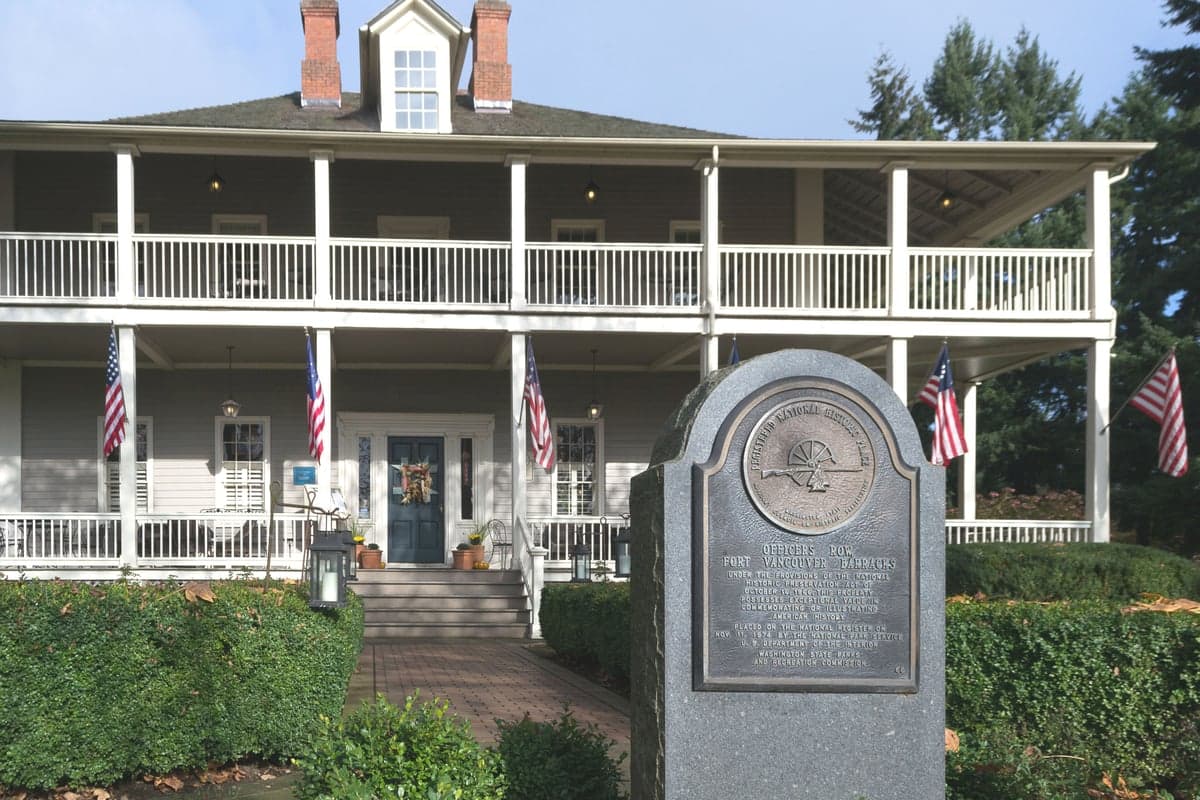
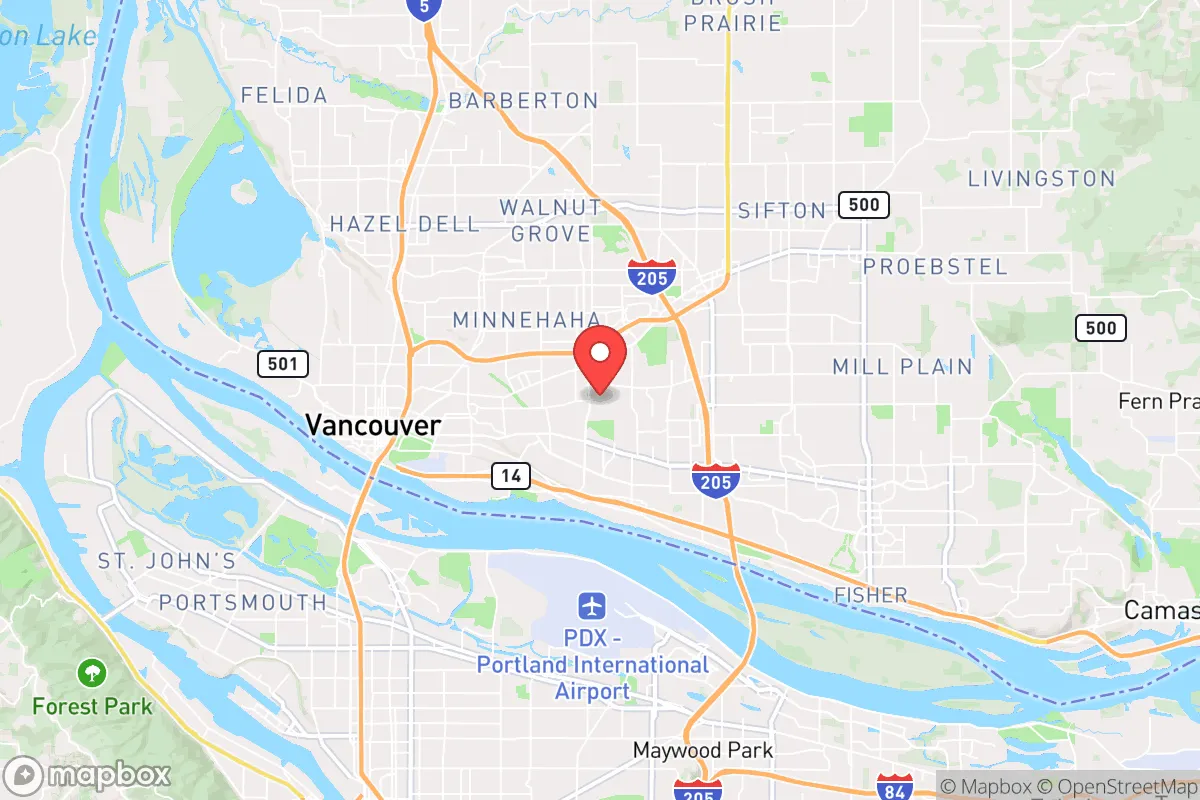
Photo: Wikipedia
Find The Best Places To Live
in Vancouver
PRO TIP! You can paste a Zillow or Redfin link to get info on that property.
What It's Like Living in Vancouver, WA
Living in Vancouver, WA feels a bit like being the sensible older sibling in a family where Portland, Oregon is the flashy, eccentric younger one. You get the Pacific Northwest scenery and access to big-city amenities, but the pace of life here is noticeably slower, more family-oriented, and—let’s be honest—a whole lot more affordable than what you’d find across the river. It’s a city of nearly 193,000 people that still holds onto a small-town, almost suburban feel, where your weekend plans are as likely to involve a hike in a nearby gorge as they are a craft brewery patio.
Daily Rhythm: The Commute, the Weather, and the Weekend
The average commute here is just over 23 minutes, which is a sweet spot for most people. You’re not stuck in soul-crushing traffic, but you’re also not living in a rural bubble. A huge chunk of the workforce actually crosses the Columbia River into Portland for work, and that bridge—the I-5 or I-205—is the single biggest practical frustration for locals. If you’re heading south in the morning, you’re part of the problem. If you’re heading north, you’re laughing. The weather is classic PNW: gray and drizzly from November through March, with a glorious, dry summer that runs from late June through September. Locals don’t own umbrellas; they own fleece jackets and a “it’s just a little rain” attitude. Weekends are built around the outdoors—hiking the Columbia River Gorge, walking the Waterfront Renaissance Trail, or hitting up Vancouver Lake for a paddle. The Vancouver Farmers Market is a Saturday morning institution, packed with local produce, hot food stalls, and live music.
Sports & Community: High School Pride and a Quiet Pro Scene
Sports here are a big deal, but not in a “sell out the arena” kind of way. High school football is genuinely important—Union High School and Camas High School have fierce rivalries that pack bleachers on Friday nights. For pro sports, you’re a Portland fan by default: the Trail Blazers (NBA) and Timbers (MLS) are the local teams, and you’ll see their gear everywhere. But Vancouver has its own minor-league charm with the Vancouver Canadians, a High-A affiliate of the Toronto Blue Jays. Games at Gesa Stadium are cheap, family-friendly, and a perfect summer evening activity. The city also has a strong youth soccer and baseball culture, with leagues that feel like the social backbone for parents.
What’s There to Do: Breweries, Festivals, and the Waterfront
The social scene is anchored by the Vancouver Waterfront, a redeveloped stretch of the Columbia River that’s become the city’s living room. You’ve got McMenamins on the Columbia (a historic schoolhouse turned into a bar/hotel with a killer rooftop view), Heathen Brewing for craft beer, and Twilight Pizza Bistro for a solid slice. The big annual event is the Fourth of July fireworks at Fort Vancouver, which draws tens of thousands. There’s also the Vancouver Wine & Jazz Festival in August and the Holiday Tree Lighting at Esther Short Park. For entertainment, Kiggins Theatre is a beloved old-school movie house that shows indie films and cult classics. If you want live music, you’re usually driving to Portland for bigger acts, but local bands play at The Thirsty Sasquatch and Tommy O’s. The outdoor scene is the real star: Frenchman’s Bar for a beach-like river experience, Lacamas Lake for a scenic loop trail, and Mount St. Helens for a day trip that feels like another planet.
Pros and Cons of Living Here: The Honest Trade-Offs
Let’s be real. The pros are strong: no state income tax (Washington’s big draw), a cost of living index of 147 (high, but still lower than Seattle or Portland proper), and a median home value of $440,300 that feels almost reasonable compared to the rest of the West Coast. The median household income of $78,156 means a dual-income couple can afford a decent home without being house-poor. The schools are solid, especially in the Camas and Evergreen districts, and the community is heavily family-oriented. The cons? The violent crime rate is 551.3 per 100,000, which is noticeably higher than the national average—property crime and car break-ins are a real annoyance, especially near the waterfront and downtown. Traffic on the I-5 bridge is a daily headache if you commute to Portland. And the weather: the gray, damp winters can wear on you if you’re not used to it. The city also lacks a true “nightlife” scene—bars close early, and there’s no major music venue. You’re trading the 24/7 energy of Portland for quieter streets and better schools.
Culturally, Vancouver has a distinct identity: it’s a bit more conservative and blue-collar than its Oregon neighbor, with a strong military presence from Joint Base Lewis-McChord nearby. You’ll see American flags on porches and pickup trucks in driveways. The median age is 37.5, and 31.5% of adults have a college degree—so it’s educated but not elite. The kind of person who fits in here is someone who wants the Pacific Northwest lifestyle without the Portland price tag or politics. It’s for the person who wants a yard, a good school district, and a 20-minute drive to a world-class hike, and who is willing to put up with drizzle and a slightly boring Tuesday night to get it.

Similar small cities to Vancouver
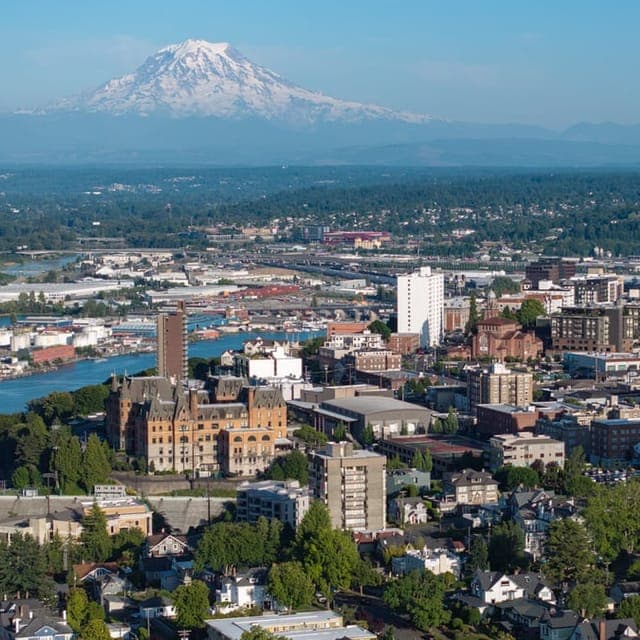
* Values derived from national, state, county, city and local statistics and may differ in a specific area. Last updated: 2026-04-21T11:07:28.000Z
Narrative content on this page is AI-generated and may contain mistakes. Verify any details that matter before acting on them.
ReloMaps may earn a commission from affiliate links at no extra cost to you.

