Photo: Wikipedia
Demographics of Unalakleet, AK
Affluence Level in Unalakleet, AK
A below-average socioeconomic profile. Incomes, home values, and educational attainment trail the U.S., with higher poverty and unemployment.
People of Unalakleet, AK
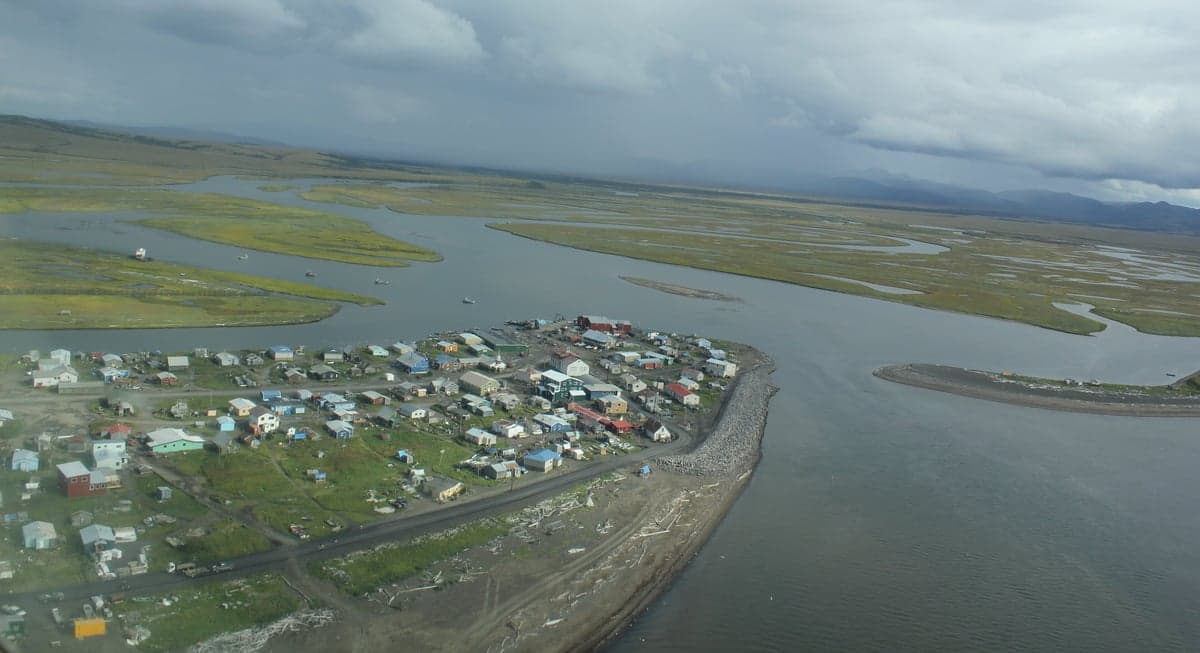
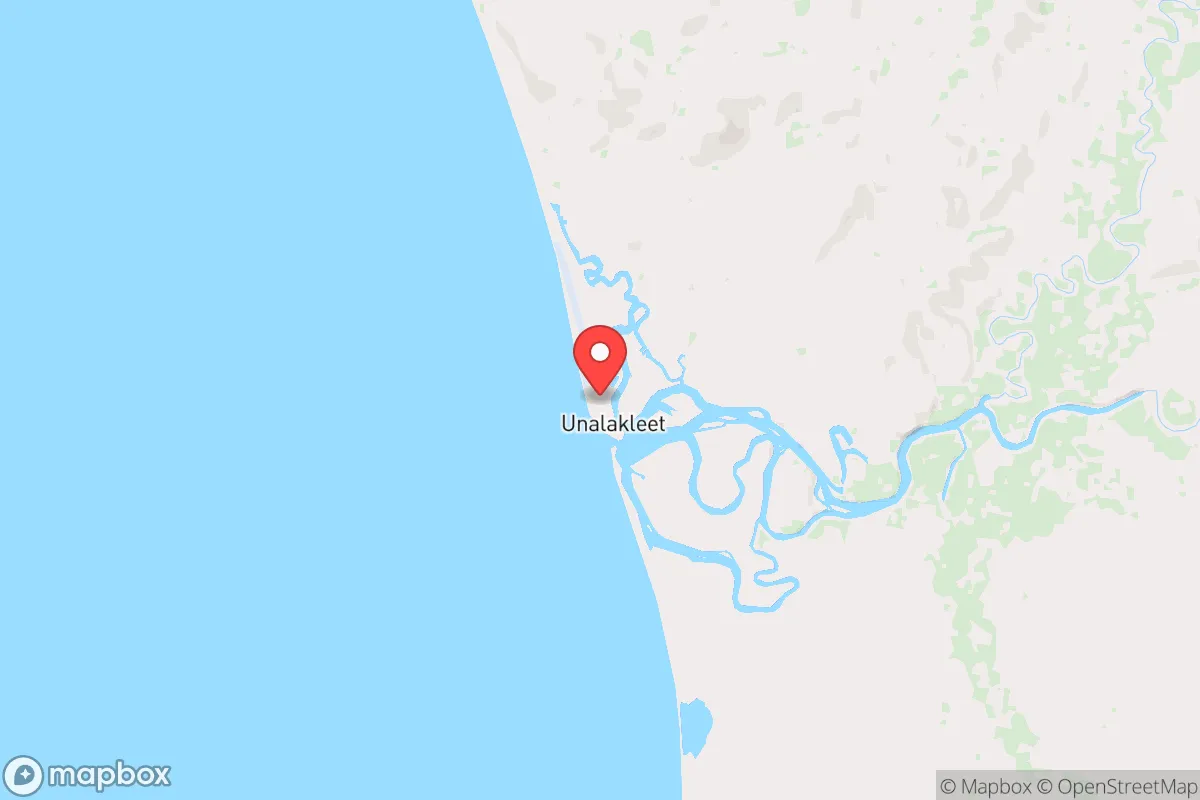
The people of Unalakleet, Alaska, are a predominantly Alaska Native community of roughly 800 residents, with a distinctive identity rooted in Iñupiaq and Yup’ik heritage. The city is not a melting pot but a tight-knit, culturally cohesive village where 75% of the population identifies as Alaska Native or American Indian, and the foreign-born share is 0.0%. Unalakleet’s character is defined by subsistence traditions, a strong local school system, and a remote location on the Norton Sound coast that has shaped its population for centuries.
How the city was settled and grew
Unalakleet’s human history begins long before recorded records, as the site has been a seasonal fishing and trading camp for Iñupiaq and Yup’ik peoples for over 1,000 years. The name itself comes from the Iñupiaq word Una-laqliq, meaning “place where the south wind blows.” The first permanent settlement emerged in the early 19th century when Russian fur traders established a trading post near the mouth of the Unalakleet River, drawing Iñupiaq families from the interior and coastal Yup’ik groups to a central location. By the 1880s, a small mission school and reindeer herding station, introduced by the U.S. government, solidified the village as a year-round community. The original core of settlement clustered around what is now Old Town Unalakleet, the historic neighborhood along the beachfront where the earliest log cabins and sod houses stood. A second wave arrived in the 1930s and 1940s, when the Civilian Conservation Corps built airstrips and the U.S. Army established a weather station and radar site during World War II. This brought a handful of non-Native workers, mostly white military and construction personnel, who settled in a small area near the airstrip known as Camp Area, though most left after the war. The population remained overwhelmingly Alaska Native through the mid-20th century, with subsistence fishing and trapping as the economic backbone.
Modern era (post-1965)
After 1965, Unalakleet’s population stabilized rather than grew dramatically, as the Alaska Native Claims Settlement Act (ANCSA) of 1971 transferred land ownership to Native corporations, reinforcing the community’s indigenous character. The modern era saw no significant influx of foreign-born residents—the foreign-born share remains 0.0%—and no Hispanic, Black, or Indian subcontinent populations. The white share, at 25.0%, consists almost entirely of teachers, health care workers, and public safety officers who rotate through on short-term contracts, living in the Teacher Housing and Clinic Housing neighborhoods near the school and the Norton Sound Health Corporation clinic. The East/Southeast Asian population, at 0.5%, is negligible and likely tied to a single family or seasonal worker. The college-educated rate of 43.9% is high for rural Alaska, driven by the presence of professional staff and a strong local high school that sends graduates to universities. Most Alaska Native families live in the Main Village area, a grid of gravel roads and modern houses built since the 1980s, while a few extended families maintain seasonal fish camps along the river in the Riverfront district. The community has not suburbanized; there are no subdivisions or exurbs, and housing remains scarce and expensive due to the remote location.
The future
Unalakleet’s population is likely to remain stable or decline slightly over the next 10–20 years, as out-migration of young adults for education and jobs in Anchorage or Fairbanks offsets a modest birth rate. The community is not homogenizing into a broader American culture but is instead reinforcing its Alaska Native identity through language revitalization programs and subsistence practices. The immigrant communities that are growing in other parts of Alaska—such as Filipino or Hispanic populations in Anchorage—have no presence here, and the 0.0% foreign-born share is expected to persist given the lack of economic opportunities for newcomers. The white professional population will continue to cycle through, but they do not put down roots or form permanent enclaves. The main demographic trend is a slow aging of the Native population, with younger families moving to regional hubs like Nome for better services. No new neighborhoods are being built; the existing housing stock in Old Town and Main Village is being renovated but not expanded.
For someone moving in now, Unalakleet is becoming a place where Alaska Native culture is the dominant and enduring force, not a diverse or growing community. The population is stable, insular, and deeply connected to the land and sea. A newcomer—almost certainly a white professional—will find a welcoming but culturally distinct village where integration requires respect for subsistence rhythms and local governance. This is not a city of demographic change or opportunity for long-term settlement; it is a resilient indigenous community holding its ground in a remote corner of Alaska.

* Values derived from national, state, county, city and local statistics and may differ in a specific area. Last updated: 2026-04-19T19:39:39.000Z
Narrative content on this page is AI-generated and may contain mistakes. Verify any details that matter before acting on them.
ReloMaps may earn a commission from affiliate links at no extra cost to you.

