 Popular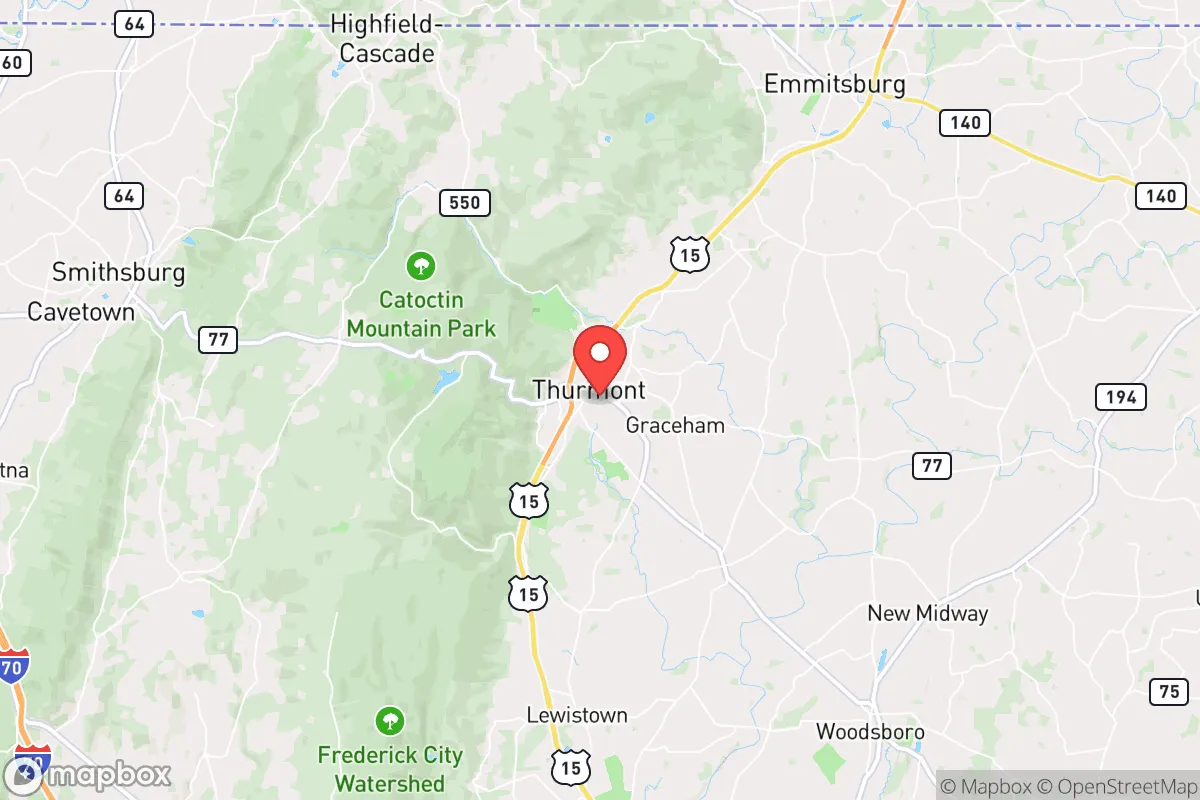
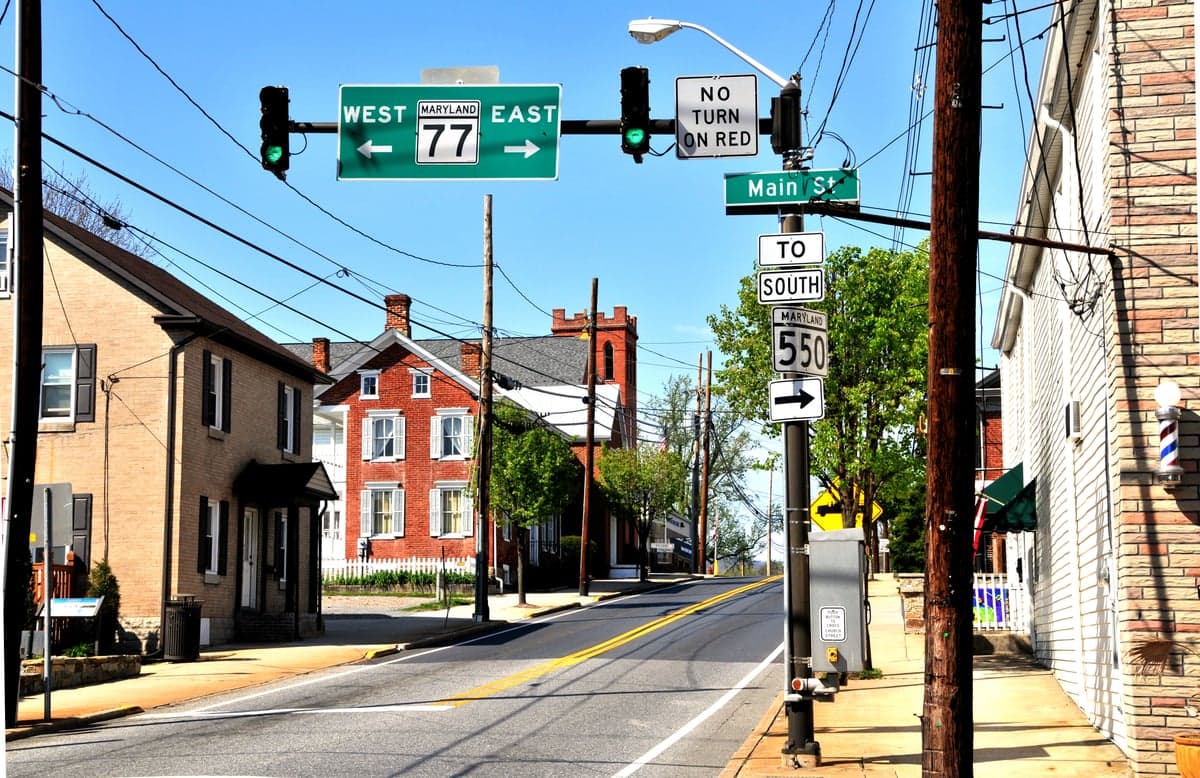
Photo: Wikipedia
Political ClimatePolitical Climate in Thurmont, MD
District shown is the primary district for this city’s centroid. Cities may span multiple districts.
Local Political AnalysisPolitical Analysis of Thurmont, MD
Thurmont’s political climate is a quiet but stubborn conservative holdout in a county that’s been trending blue for a while now. The Cook PVI for the area sits at D+3, which tells you the district as a whole leans Democrat, but that number doesn’t capture the real story on the ground in Thurmont itself. Walk into any diner on Main Street or chat with folks at the Catoctin Wildlife Preserve, and you’ll hear a different tune—one that’s skeptical of big government, protective of Second Amendment rights, and wary of the progressive wave washing over places like Frederick City just 15 miles south. The trajectory here is defensive: we’re holding the line against policies that feel like they’re handed down from Annapolis without a thought for rural life.
How it compares
Drive ten minutes south to Frederick, and you’re in a whole different world—college town energy, bike lanes, and city council debates about sanctuary city status. That’s the D+3 district in action. But Thurmont? We’re closer in spirit to Emmitsburg to the north or even Hagerstown out west, where folks still wave the Gadsden flag and remember when the county commission wasn’t a rubber stamp for state mandates. The contrast is stark: Frederick County’s board flipped blue in 2022, and you can feel it in everything from school board decisions to zoning laws that make it harder to run a small farm or keep a gun safe. Thurmont’s town council, by contrast, has stayed reliably red, pushing back on things like mask mandates and property tax hikes that feel like they’re punishing the rural taxpayer for city problems.
What this means for residents
If you value personal freedom—the kind where you don’t need a permit to put up a shed or a dozen layers of approval to start a home business—Thurmont is still a refuge. But the pressure is real. The county’s push for higher density housing and transit-oriented development is creeping north, and with it comes more regulation. You’ll notice it in the annual property tax reassessments that seem to climb faster than your paycheck, or in the school system’s shift toward DEI training that feels like it’s more about ideology than reading and math. For now, you can still buy a rifle at the local shop without a background check that takes weeks, and your kids can say the Pledge of Allegiance without a side of social justice lecture. But the long-term trend is concerning: as Frederick’s population swells with transplants from D.C. and Baltimore, the voting power shifts, and Thurmont’s voice gets quieter in county decisions.
Culturally, Thurmont holds onto distinctions that feel almost defiant. The annual Colorfest craft fair still draws crowds without a single “equity” booth, and the town’s zoning code hasn’t been rewritten to favor bike lanes over parking lots. There’s no talk of banning gas stoves or limiting water usage for gardens—yet. But the policy creep is real: the county’s recent push to restrict short-term rentals and mandate solar panels on new construction feels like a preview of what’s coming. For a long-time resident, the advice is simple: get involved in local elections, show up at town hall, and don’t assume the old ways will protect themselves. The D+3 label might say “moderate,” but the reality is a slow squeeze on the rural conservative lifestyle that made this town what it is.

State Political ClimatePolitical Climate in Maryland
State Political AnalysisPolitical Environment in the State
Maryland has long been a deep blue state, but the reality on the ground is far more complicated than its statewide election results suggest. The Democratic Party holds a supermajority in both chambers of the General Assembly and has won every presidential election since 1992, often by double digits, but this dominance is almost entirely driven by the Washington, D.C. suburbs and Baltimore City. Over the past 20 years, the state has shifted further left on social and fiscal policy, but a growing conservative backlash in the rural counties and exurbs has created a widening cultural and political chasm that any new resident needs to understand before unpacking their boxes.
Urban vs. rural divide
The political map of Maryland is a tale of two completely different states. The western panhandle, including Garrett County and Allegany County, votes reliably Republican by margins of 30 to 40 points, with Cumberland and Hancock serving as conservative strongholds. The Eastern Shore, from Cecil County down through Queen Anne’s and Worcester County, is similarly red, with Ocean City and Easton anchoring a rural and small-town conservative culture. Meanwhile, the D.C. suburbs — Montgomery County, Prince George’s County, and increasingly Howard County — drive the state’s blue lean, with Montgomery alone casting more votes than the entire Eastern Shore. Baltimore City is a Democratic stronghold, but the surrounding Baltimore County has become a key swing area, flipping from purple to reliably blue in the last decade as suburban voters moved left on social issues. Frederick County and Carroll County remain the most politically competitive exurbs, with Frederick trending blue and Carroll holding steady as a conservative outlier near the D.C. orbit.
Policy environment
Maryland’s policy environment is a textbook example of progressive governance that conservatives find increasingly burdensome. The state has a graduated income tax with a top rate of 5.75%, but when combined with county-level piggyback taxes, effective rates can exceed 9% in places like Baltimore City and Montgomery County. Property taxes are high, with the state ranking 5th in the nation for combined state and local tax burden. The regulatory climate is dense: Maryland has a strict ban on almost all private firearm carry without a permit (though a 2022 Supreme Court ruling forced a loosening), a statewide plastic bag ban, and some of the most aggressive climate mandates in the country, including a 60% renewable energy target by 2030. Education policy is dominated by the Blueprint for Maryland’s Future, a massive funding overhaul that increases per-pupil spending but also centralizes curriculum decisions in Annapolis, raising concerns among parents about local control. Election laws are among the most liberal in the nation: no-excuse mail-in voting, same-day registration, and automatic voter registration are all in place, which critics argue erodes ballot integrity. The state also has a sanctuary policy that limits cooperation between local law enforcement and federal immigration authorities, a flashpoint in rural counties where sheriffs have publicly resisted.
Trajectory & freedom
Over the last five years, Maryland has moved decisively toward less personal freedom by any conservative measure. The 2023 passage of the Maryland Gun Safety Act expanded the list of “sensitive places” where concealed carry is banned, including hospitals, public transit, and any establishment that serves alcohol — a direct response to the Bruen decision. Parental rights took a hit with the 2021 passage of a law that allows minors as young as 12 to receive certain mental health and reproductive health services without parental consent, and the state’s Healthy Howard and similar county-level programs have pushed comprehensive sex education that many parents find objectionable. Medical autonomy was further restricted by the state’s strict COVID-19 vaccine mandates for healthcare workers and school employees, which were among the longest-lasting in the country. On the tax front, the 2021 Transportation and Climate Initiative (TCI) was defeated by rural opposition, but the state still imposes a gas tax that is the 7th highest in the nation. Property rights are under pressure from the state’s aggressive Smart Growth policies, which concentrate development in designated areas and limit building in rural zones, effectively telling landowners what they can and cannot do with their land.
Civil unrest & political movements
Maryland has seen its share of political turbulence. The 2015 Baltimore riots following the death of Freddie Gray were a national flashpoint, leading to a sustained period of activist pressure that resulted in police reform laws, including the repeal of the Law Enforcement Officers’ Bill of Rights. More recently, the 2020 protests over George Floyd’s death saw significant property damage in Baltimore and even spilled into suburban Columbia and Silver Spring. On the right, the Maryland Shall Issue gun rights group has been a persistent legal force, successfully challenging the state’s carry ban in federal court. The Eastern Shore has seen a growing secessionist sentiment, with groups like the Maryland Eastern Shore Independence Movement advocating for a separate state, though this remains fringe. Immigration politics are a constant source of tension: the Maryland Trust Act (2018) limits local police from inquiring about immigration status, and several counties, including Frederick and Harford, have passed resolutions declaring themselves “Second Amendment Sanctuaries” in defiance of state gun laws. Election integrity remains a hot-button issue, with the 2020 and 2022 cycles seeing widespread use of mail-in ballots and ballot drop boxes, leading to ongoing litigation from conservative groups.
Projection
Looking ahead five to ten years, Maryland is likely to become even more blue, but the divide between the urban core and the rest of the state will deepen. In-migration from the D.C. area is pushing the exurbs of Frederick and Howard County further left, while the rural counties are aging and losing population, reducing their political clout. The General Assembly is expected to continue its progressive agenda: a public option for health insurance, further gun restrictions, and a potential wealth tax are all on the table. However, the conservative counter-movement is also hardening. The Maryland Republican Party has shifted further right, and candidates who embrace Second Amendment and parental rights platforms are winning local offices in the panhandle and Eastern Shore. The state’s high cost of living and tax burden may eventually slow in-migration from blue states, but for now, the trend is clear: if you value low taxes, gun rights, and local control, you’ll find yourself increasingly at odds with Annapolis.
Bottom line for a new resident: If you’re moving to Maryland, understand that your experience of freedom will depend almost entirely on which county you choose. The rural counties offer a more conservative lifestyle, but you’ll still be subject to state-level policies that feel like they were written in a different country. Expect to pay more in taxes, navigate a dense regulatory environment, and live under a government that is actively expanding its reach into your personal decisions. If that sounds like a dealbreaker, you might want to look at Pennsylvania or Virginia instead. If you’re willing to fight for your values at the local level, Maryland’s red counties are worth a look — just know what you’re signing up for.
* Values derived from national, state, county, city and local statistics and may differ in a specific area. Last updated: 2026-04-22T02:34:52.000Z
Narrative content on this page is AI-generated and may contain mistakes. Verify any details that matter before acting on them.
ReloMaps may earn a commission from affiliate links at no extra cost to you.

