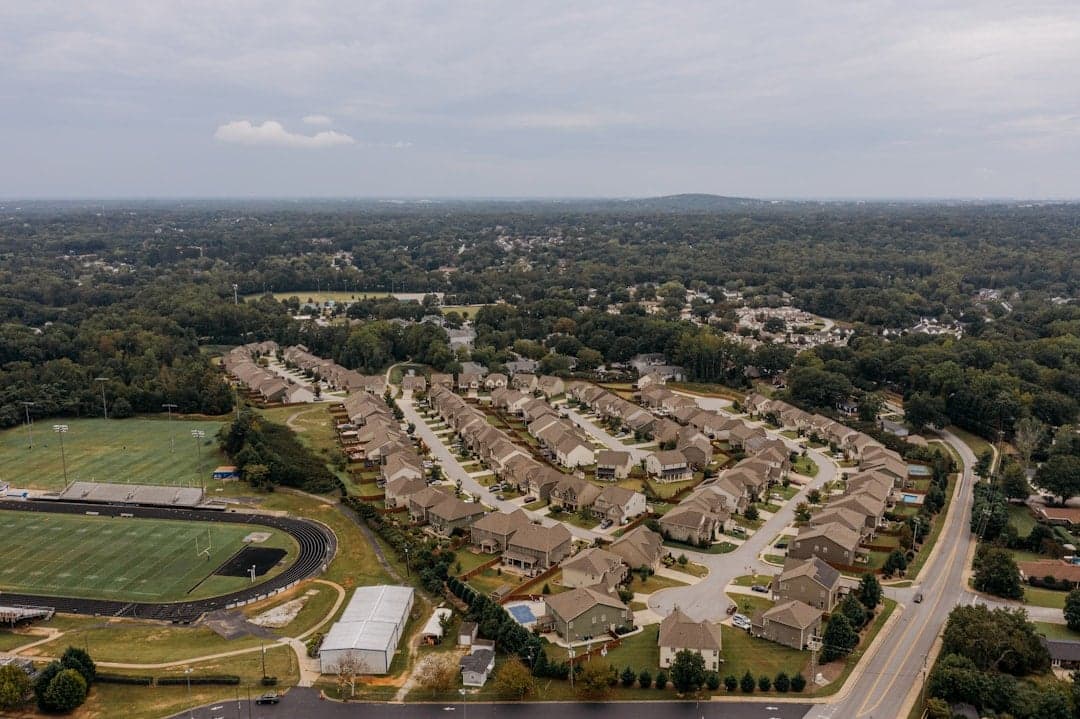

Photo: Alex Reynolds via Unsplash
Political ClimatePolitical Climate in The Cliffs Valley, SC
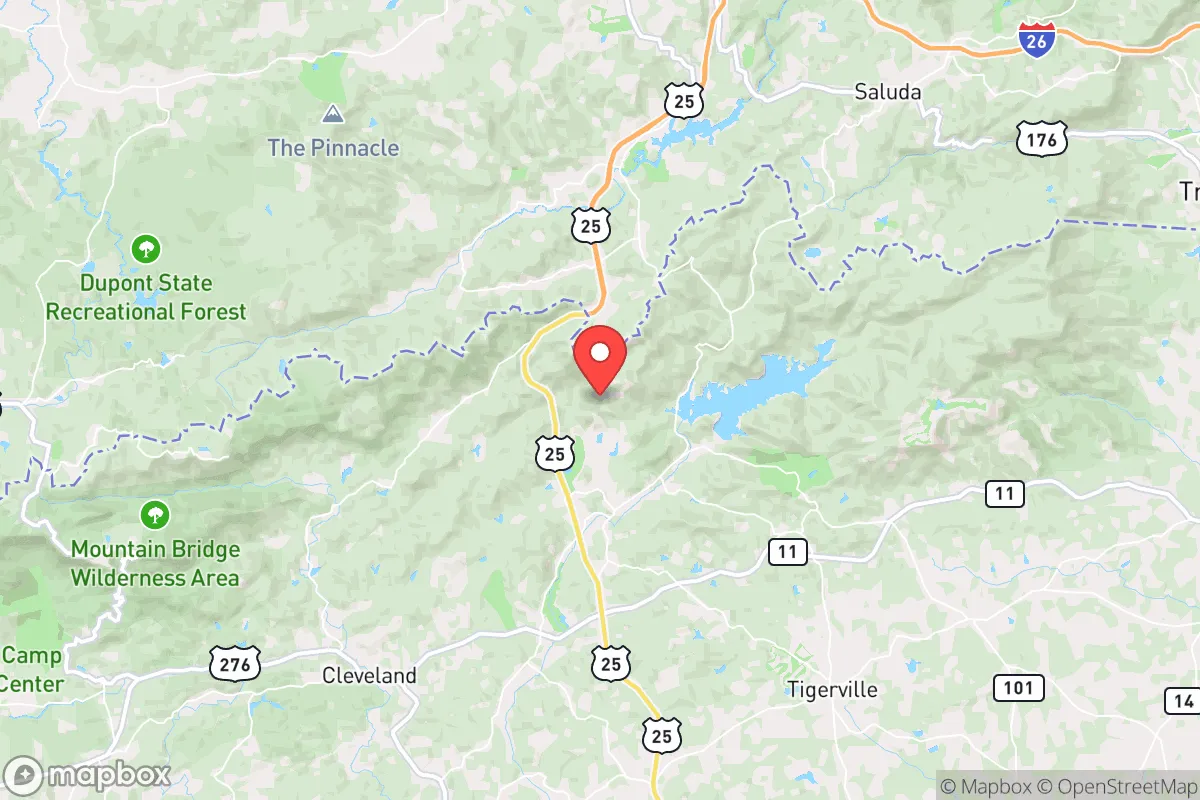
District shown is the primary district for this city’s centroid. Cities may span multiple districts.
Local Political AnalysisPolitical Analysis of The Cliffs Valley, SC
The Cliffs Valley sits in a solidly conservative pocket of upstate South Carolina, with a Cook PVI of R+11 that reflects the area's long-standing preference for limited government and traditional values. This isn't a place that's suddenly flipped—it's been reliably red for decades, and the local culture still prizes self-reliance, Second Amendment rights, and low taxes. If you're looking at moving here, you're stepping into a community where folks generally believe the best government is the one that stays out of your business, and that's not changing anytime soon.
How it compares
Drive twenty minutes east to Greenville, and you'll notice a different energy—the city has seen an influx of out-of-state transplants and corporate relocations that have nudged its politics toward the center, with some precincts now voting blue in local races. The Cliffs Valley, by contrast, remains a stronghold of conservative voting patterns, with precincts routinely turning out 65-70% Republican in statewide elections. Neighboring Landrum and Tryon, North Carolina, lean similar but have a slightly more libertarian streak, especially on property rights and zoning. The real contrast is with Spartanburg, which has a more mixed political landscape due to its larger industrial base and growing Hispanic population. Here in The Cliffs Valley, the political DNA is still rooted in the old-school Southern conservatism that values fiscal discipline and personal freedom over government programs.
What this means for residents
For daily life, the R+11 lean translates into policies that keep taxes low—property tax rates in the area are among the lowest in the state, and there's no county-level income tax to worry about. The local school board and county council have consistently resisted progressive curriculum changes and DEI initiatives that have caused headaches in other districts. You won't see mask mandates or vaccine passports being pushed here, and the sheriff's office has a clear policy of not enforcing federal gun restrictions that conflict with state law. The downside? If you're hoping for expanded public transit or big government-funded projects, you'll be disappointed—the prevailing attitude is that your tax dollars should stay in your pocket, not fund pet projects. That said, the trade-off is a community where neighbors look out for each other without waiting for a government program to step in.
One thing that's worth watching is the slow creep of development from Greenville. As more people move up from the city, there's been some pressure to adopt more progressive zoning and environmental regulations. So far, the local leadership has held the line, but it's something long-time residents keep an eye on. The Cliffs Valley itself is a gated community with its own homeowners' association, which adds another layer of local governance—some folks love the control over aesthetics and property values, while others find the HOA rules a bit too intrusive for their taste. Overall, if you value a place where your personal freedoms are respected and the government keeps its hands off, this area delivers. Just don't expect it to stay exactly the same forever—the growth from Greenville is real, and it's up to the community to decide how much change they'll accept.

State Political ClimatePolitical Climate in South Carolina
State Political AnalysisPolitical Environment in the State
South Carolina has been a reliably red state for decades, but the nature of that conservatism is shifting. The state leans Republican by about 18 points in statewide races, with the GOP holding a supermajority in both legislative chambers. Over the last 10-20 years, the old-school, establishment-friendly Republicanism of places like Columbia has been slowly giving way to a more populist, liberty-minded conservatism driven by explosive growth in the Upstate and along the coast. The real story isn't just that it's red; it's that the center of gravity is moving from the old capital to the new suburbs.
Urban vs. rural divide
The political map is a classic tale of three regions. The Lowcountry around Charleston has become a fascinating battleground. Charleston County itself is now a blue-leaning island, driven by tourism wealth, a booming tech sector, and an influx of out-of-state professionals. But drive 20 minutes inland to Summerville or Mount Pleasant, and you hit some of the most reliably conservative suburbs in the Southeast. The Upstate, anchored by Greenville and Spartanburg, is the engine of the state's rightward shift. Greenville County is the most populous in the state and votes about 60% Republican, with a brand of conservatism that's more focused on economic growth, school choice, and Second Amendment rights than on old-guard social issues. The Midlands, around Columbia and Richland County, is the Democratic stronghold, but it's surrounded by deep-red rural counties like Lexington and Kershaw. The rural areas—the Pee Dee, the Savannah River counties, and the Lowcountry's interior—are overwhelmingly Republican, but their population is stagnant or declining. The real political power is shifting to the fast-growing suburbs of Greenville, Bluffton, and Fort Mill, where new arrivals are voting for lower taxes and less regulation.
Policy environment
South Carolina's policy environment is broadly conservative, but with some notable wrinkles. The state has a flat income tax of 6.2%, which is being phased down to 6% by 2026, and no inheritance tax. Property taxes are among the lowest in the nation, especially for owner-occupied homes, thanks to a 6% assessment cap. On education, the state passed a universal school choice program in 2023 that allows any family to use state funds for private or homeschool expenses—a major win for parental rights. Healthcare is a mixed bag: the state did not expand Medicaid, and the regulatory environment for direct primary care and concierge medicine is relatively friendly. Election laws are strict but not draconian: voter ID is required, absentee voting requires an excuse, and the state has a 14-day early voting window. There's no ballot harvesting, and the state purges inactive voters regularly. The constitutional carry law passed in 2021 was a landmark—no permit needed to carry a concealed firearm for anyone 18 or older who can legally own a gun. That's a concrete freedom that sets South Carolina apart from its neighbor, North Carolina, which still requires a permit.
Trajectory & freedom
The trajectory is toward more personal freedom, but it's not a straight line. The biggest recent win was the Fetal Heartbeat Act (2023), which bans abortion after about six weeks. That law is currently tied up in court, but the political will behind it is strong. On the liberty front, the state also passed a parental rights in education bill in 2023 that requires schools to notify parents of any medical or mental health services offered to their children and prohibits instruction on sexual orientation and gender identity in K-5 classrooms. That's a direct check on government overreach into family matters. The Second Amendment Preservation Act was also passed, which prohibits state resources from being used to enforce any future federal gun bans. However, there are concerns: the state's blue laws still restrict Sunday alcohol sales in many counties, and the Medical Marijuana bill has stalled repeatedly, leaving patients with few options. The biggest threat to freedom is the rapid growth itself—as more people move in from blue states, there's a constant pressure to adopt their zoning, tax, and regulatory preferences. The state's Freedom Caucus is fighting to keep that from happening, but it's an ongoing battle.
Civil unrest & political movements
South Carolina has not seen the kind of large-scale civil unrest that has hit cities like Portland or Atlanta. The Confederate flag removal from the Statehouse grounds in 2015 was a major flashpoint, but it was handled through the legislative process, not street violence. Since then, the state has been relatively quiet. There are active Moms for Liberty chapters in Greenville, Charleston, and Lexington counties, and they've been effective at school board races. The immigration debate is heating up, with a bill in the 2024 session to require local law enforcement to cooperate with ICE—a direct response to sanctuary city policies in other states. There's no sanctuary policy here, but the influx of migrant labor in the Lowcountry's construction and hospitality sectors has created tension. The election integrity movement is strong, with the state's State Election Commission being sued by both sides over voter roll maintenance. You won't see street protests like in other states, but you will see intense activism at the county GOP convention level, especially in Beaufort and York counties, where the populist wing is challenging the old guard.
Projection
Over the next 5-10 years, South Carolina will likely become more conservative, but in a different way. The old guard—chamber-of-commerce Republicans who prioritize economic development above all else—are losing ground to a newer coalition of school-choice advocates, Second Amendment absolutists, and limited-government populists. The demographic shift is real: the state is growing by about 100,000 people a year, and most of them are moving to the Greenville-Spartanburg corridor and the Lowcountry suburbs. These new arrivals are not moderates; they're often fleeing high-tax states and are more radicalized on issues like property rights and parental control. The Hispanic population is growing, especially in the Upstate, but they're not voting as a monolithic bloc—many are small business owners who lean conservative on economic issues. The biggest wildcard is the Charleston area, which could flip the entire state if its blue trend continues. But for now, the state's political future looks like a more populist, more liberty-focused version of its present. The constitutional carry and school choice victories are likely to be defended and expanded, not rolled back.
For someone moving here now, the bottom line is this: South Carolina is a state where your personal freedoms—to own a gun, to educate your kids as you see fit, to keep more of your money—are broadly protected and likely to stay that way. But it's not a libertarian paradise. You'll still deal with county-level bureaucracy, especially on zoning and development, and the state's alcohol laws are a relic of a bygone era. The political culture is serious but not hostile; you can have a conversation with your neighbor even if you disagree. The key is to pick your county wisely. If you want the most freedom from government overreach, look at Greenville or Lexington counties. If you want a more moderate, coastal vibe, Beaufort or Mount Pleasant might suit you. Just know that the state is changing fast, and the people who are happiest here are the ones who get involved early—at the school board, the county council, and the precinct level—to make sure the freedom you moved here for stays intact.
* Values derived from national, state, county, city and local statistics and may differ in a specific area. Last updated: 2026-04-23T03:13:27.000Z
Narrative content on this page is AI-generated and may contain mistakes. Verify any details that matter before acting on them.
ReloMaps may earn a commission from affiliate links at no extra cost to you.

