Photo: Wikipedia
Strategic Assessment of Tennessee
Meaningful friction. Expect exposure to either population pressure, blast zones, or natural disaster risk. Consider buying a retreat property.
What does the Strategic Assessment tell us?
Our Strategic Assessment grades tactical survivability of an area. Major population centers, military targets, fallout zones, natural disasters, and border exposure all drive risk — lower exposure means a more defensible position in a crisis.
This is heavily inspired by Joel Skousen's Strategic Relocation book. Highly recommended you checkout the book ($)What does this tell us?
Our Strategic Assessment grades tactical survivability of an area. Major population centers, military targets, fallout zones, natural disasters, and border exposure all drive risk — lower exposure means a more defensible position in a crisis.
This is heavily inspired by Joel Skousen's Strategic Relocation book. Highly recommended you checkout the book ($)Regional Safe Places
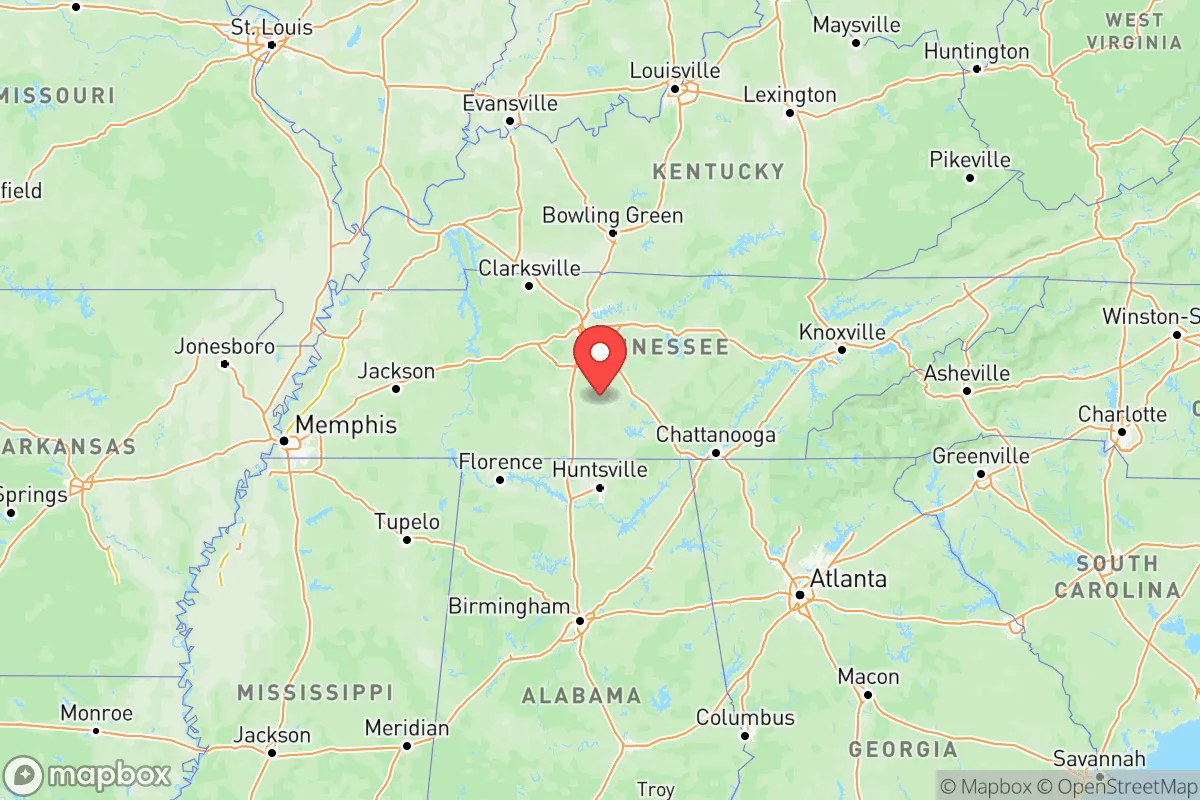
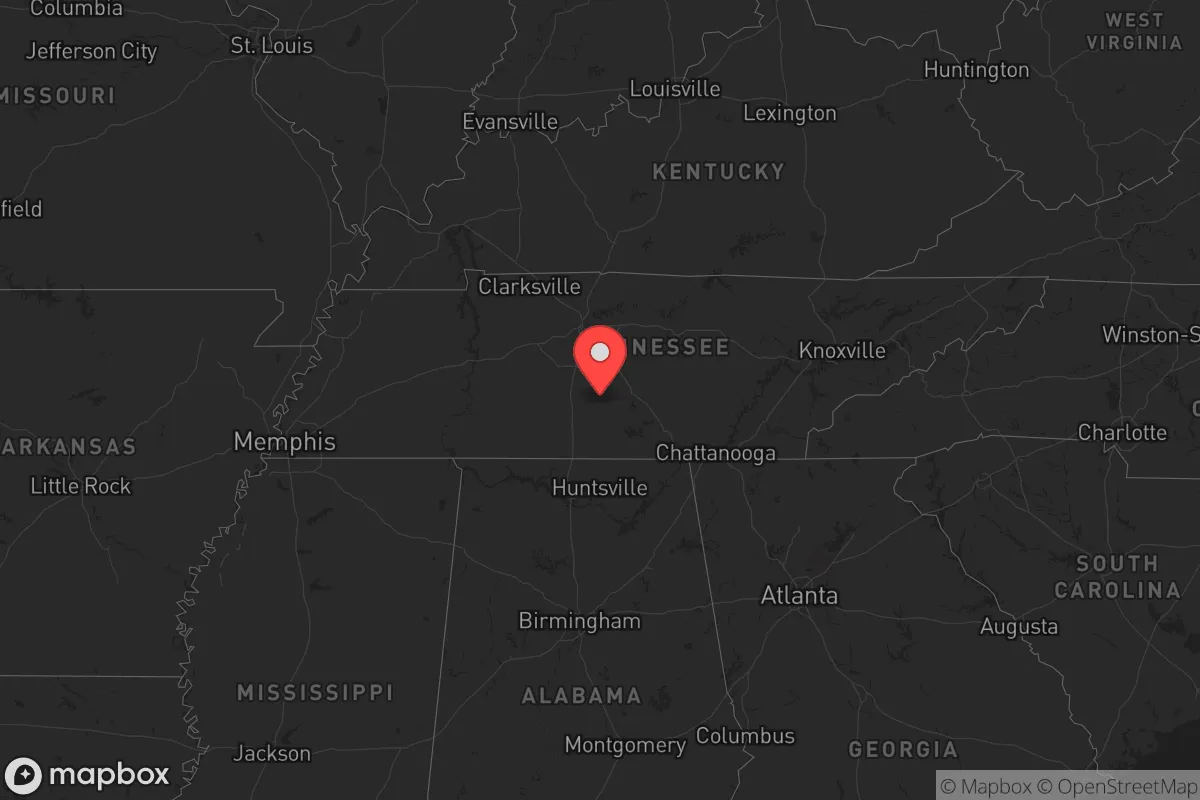
Below is our recommended "safe zones" in Tennessee and the surrounding area based on our strategic heuristics. For most people, it's unrealistic to live in a “safe zone” full-time due to work, family or other personal reasons. They tend to be more rural. However, many of these areas are perfect for second homes and retreat properties that double as a vacation home or even a short-term rental.
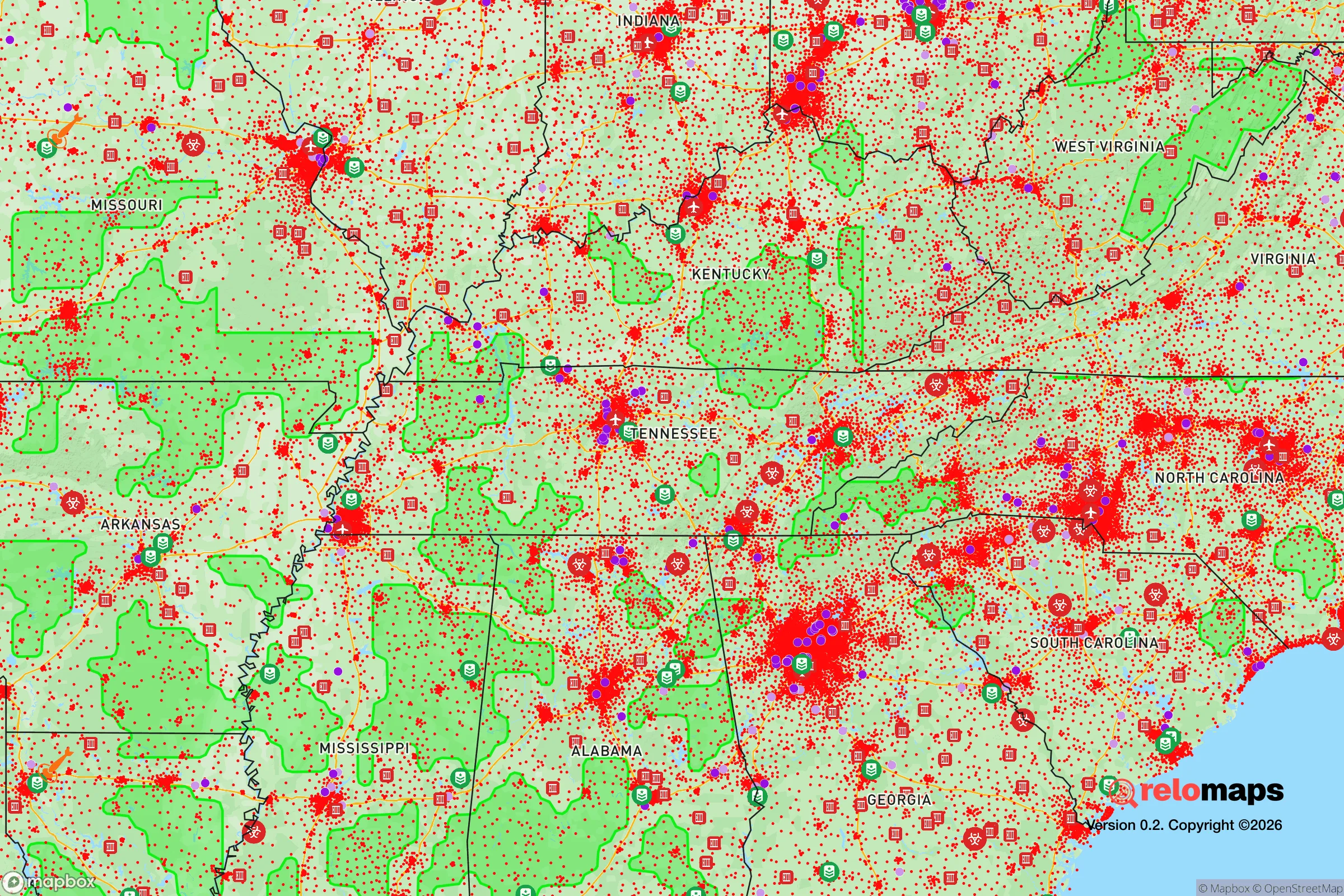
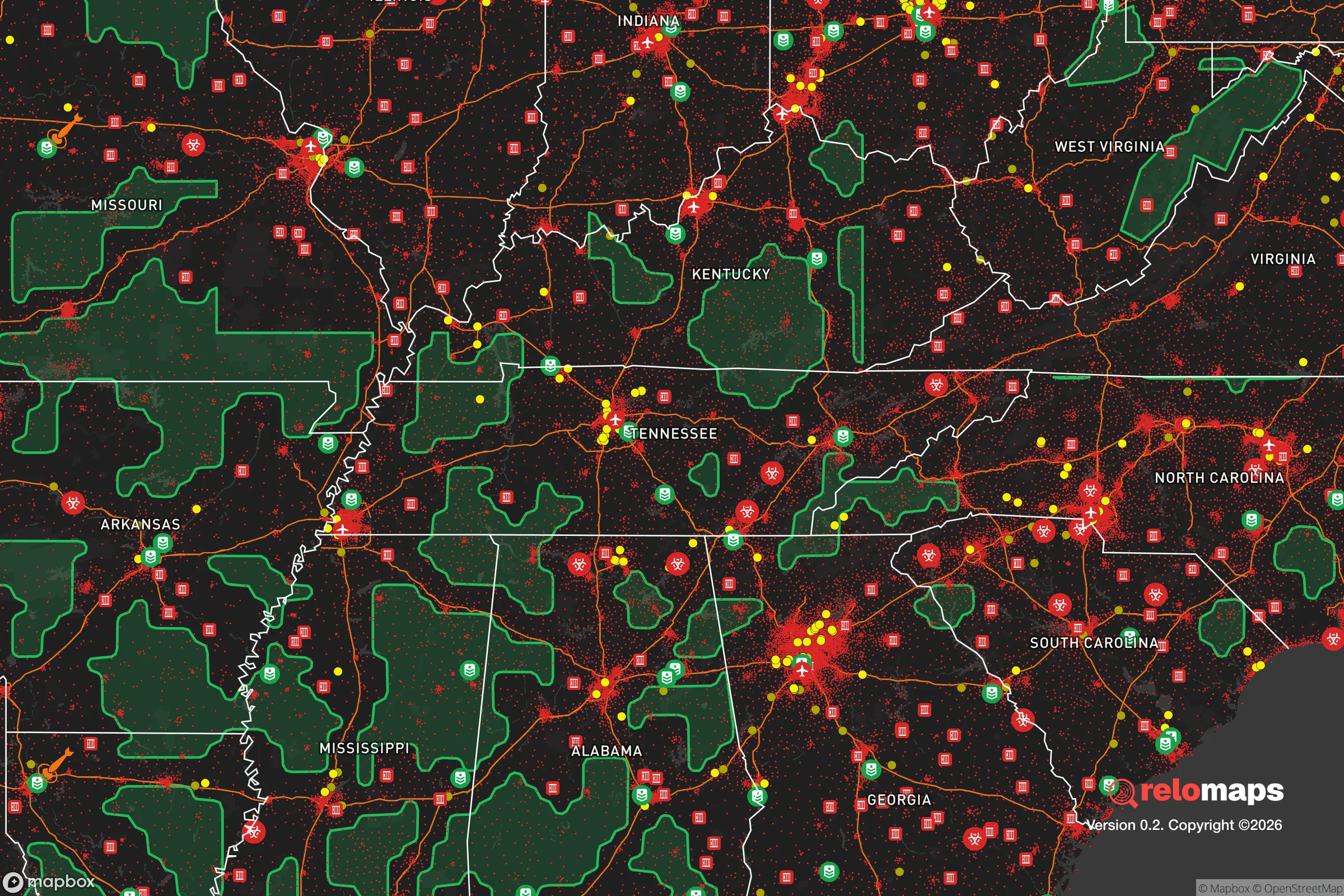


Important Note: For informational purposes only. This does not mean nothing bad ever happens in the green zones. Please use common sense. This is based on public data and modeled with AI. We tried to take a conservative approach but mistakes happen. We update this regularly as new information becomes available.
Solar Generator Recommendations
Backup power matters more here than in safer locations. We've picked three solar generators across budgets and capacity tiers — start with the budget unit if you only need a few essentials, or step up if you want to run a fridge and HVAC for days at a time.

Jackery Portable Power Station Explorer 300
Budget OptionPower on the Go: Weighing only 11 lbs, it's convenient to set up and store with book-sized foldable solar panels

BLUETTI Portable Power Station AC180
Designed for both indoor and outdoor scenarios, AC180 is highly capable as it has a robost capacity and continuous output power.

EF ECOFLOW DELTA Pro Ultra Power Station
Upgraded PickEcoFlow DELTA Pro Ultra is a whole-home energy system designed to grow with your family. Integrated with the Smart Home Panel 2, it scales to meet your evolving energy needs — keeping your home powered, intelligent, and secure through every stage of life.
We earn a commission, at no additional cost to you.
Strategic Assessment Analysis
Tennessee offers a compelling mix of geographic resilience and strategic depth for those prioritizing long-term security and self-sufficiency. Its central position within the eastern U.S. provides a buffer from both coastal hurricane surges and the most immediate fallout zones of major metropolitan areas, while its mountainous eastern third and rolling central plateau create natural defensibility. For a conservative-leaning relocator concerned with civic unrest, supply chain disruptions, or mass casualty events, Tennessee’s combination of inland location, varied topography, and relatively low population density outside its major cities makes it a strong candidate for a base of operations.
Geographic position and natural advantages for long-term security
Tennessee’s geography is its first line of defense. The state stretches from the Mississippi River in the west to the Appalachian Mountains in the east, offering a range of microclimates and terrains. The eastern region, particularly around Chattanooga and the Great Smoky Mountains, provides rugged, forested terrain ideal for off-grid living and natural concealment. The Cumberland Plateau, running through the middle of the state, offers elevated ground with fewer flood risks and abundant limestone caves that can serve as natural shelters or storage. The western part, near Memphis, is flatter and more exposed, but the state’s overall elevation gain from west to east means relocators can choose their risk profile. Water resources are a standout advantage: Tennessee is bordered by the Tennessee River, Cumberland River, and Mississippi River, with dozens of large reservoirs like Percy Priest Lake and Center Hill Lake providing reliable freshwater sources. This water abundance is critical for long-term resilience, especially if municipal systems are compromised. The state also sits outside the primary tornado alley, though severe weather does occur, and it is far from active fault lines, reducing earthquake risk compared to the West Coast or New Madrid zone to the west.
Risks, exposures, and proximity to fallout-relevant landmarks
No location is without vulnerabilities, and Tennessee has several that a strategic relocator must weigh. The most significant risk is proximity to the Oak Ridge National Laboratory and the Y-12 National Security Complex near Knoxville. These are high-value targets for any adversary, handling nuclear weapons components and sensitive research. A direct strike or accident there could render large portions of eastern Tennessee uninhabitable for generations. Similarly, the Tennessee Valley Authority (TVA) operates multiple nuclear plants, including Watts Bar and Sequoyah, both near Chattanooga and Knoxville. While these are well-regulated, they remain potential fallout sources in a crisis. On the industrial side, the state hosts major chemical and manufacturing plants along the Tennessee River corridor, particularly around Chattanooga and Memphis, which could become secondary hazards if infrastructure fails. The Fort Campbell military base on the Kentucky border is a major Army installation, which could be a target or a source of military traffic during unrest. Urban centers like Nashville, Memphis, and Knoxville are growing rapidly, and their suburbs are expanding into previously rural areas. For a prepper, being within 50 miles of any of these cities increases exposure to civil unrest, resource competition, and evacuation chaos. The I-40 and I-75 corridors are choke points that could become impassable during a mass evacuation event.
Practical resilience for a relocator: food, water, energy, and defensibility
For someone serious about self-sufficiency, Tennessee delivers on the basics. Water is abundant and accessible—most rural properties can drill a well, and surface water from the numerous rivers and lakes is plentiful for filtration. The growing season is long enough for substantial food production, with fertile soil in the central basin and eastern valleys supporting gardens, orchards, and small livestock. The state has a strong hunting culture, with deer, turkey, and wild hog populations providing protein sources. Energy resilience is also favorable: Tennessee has a mix of hydroelectric, coal, natural gas, and nuclear power, but the grid is aging. Solar potential is moderate, but the tree cover in the east means careful site selection is needed for panels. Wood heating is a practical option given the forested terrain, and many rural properties already have wood stoves. Defensibility varies by region. The eastern mountains offer natural chokepoints—narrow valleys, single-lane roads, and steep ridges that can be monitored and controlled. The central plateau is more open but still has rolling hills and scattered woodlots. The western region is the least defensible, with flat farmland and proximity to the Mississippi River, which could become a corridor for displaced populations. For a relocator, the sweet spot is often the Cumberland Plateau or the Appalachian foothills around Cookeville or Crossville, where land is affordable, water is reliable, and you’re far enough from major targets to avoid the worst fallout patterns.
Overall, Tennessee presents a balanced strategic picture for the conservative prepper. It avoids the coastal exposure of the Carolinas or Florida, the seismic risks of the West, and the extreme cold of the northern states. The main trade-offs are the nuclear infrastructure near Knoxville and the growing urban sprawl around Nashville and Memphis. A well-chosen property in the central or eastern rural areas—away from major highways and military installations—offers a strong foundation for long-term resilience. The state’s gun-friendly laws, strong community networks in rural areas, and lack of restrictive land-use regulations further support a self-reliant lifestyle. For someone looking to ride out the coming instability, Tennessee is a solid bet, provided you pick your spot carefully and stay clear of the obvious targets.

Top 10 Cities by Strategic Assessment in Tennessee


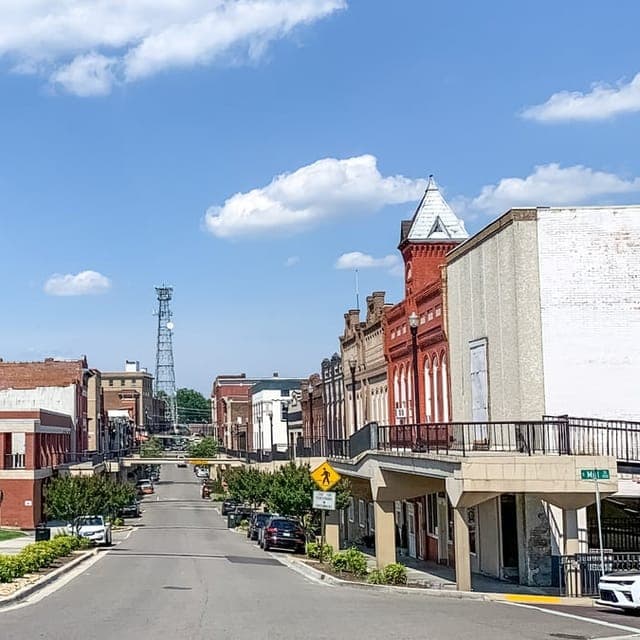
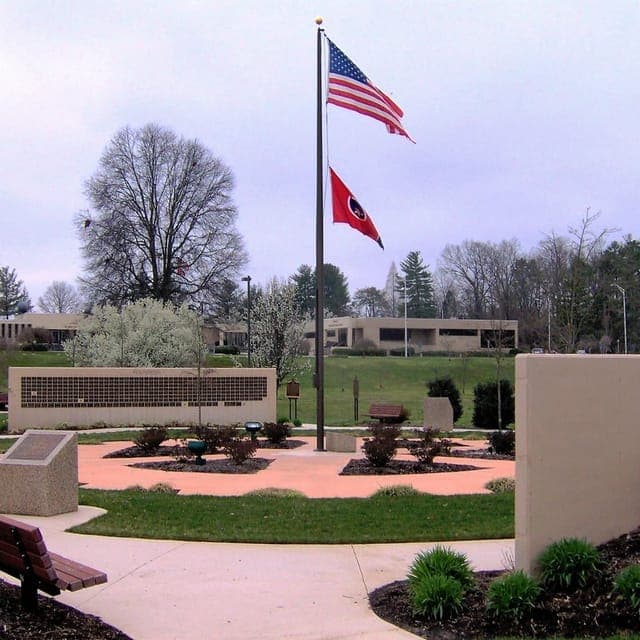
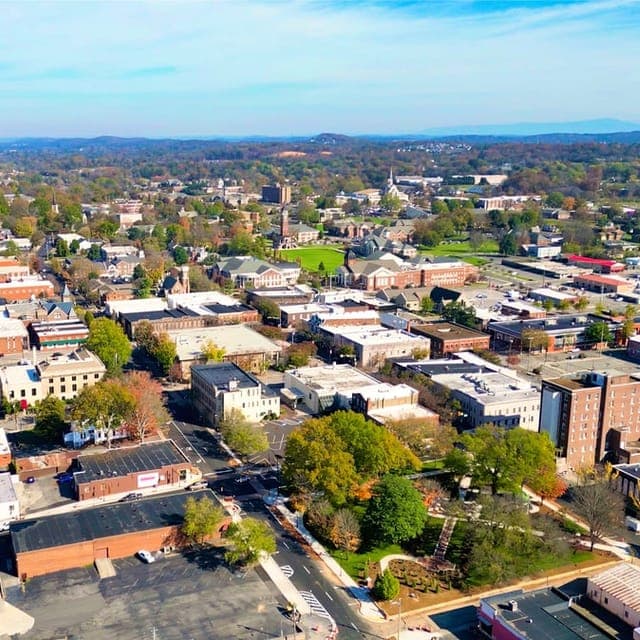
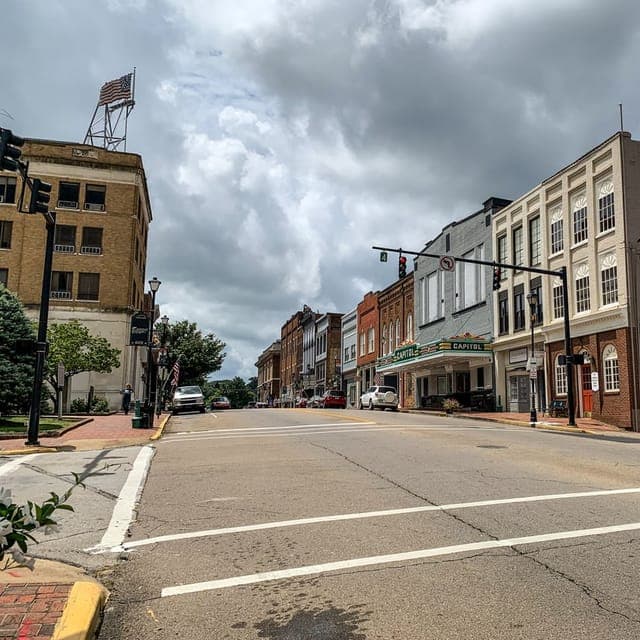
* Values derived from national, state, county, city and local statistics and may differ in a specific area. Last updated: 2026-04-14T06:22:16.000Z
Narrative content on this page is AI-generated and may contain mistakes. Verify any details that matter before acting on them.
ReloMaps may earn a commission from affiliate links at no extra cost to you.

