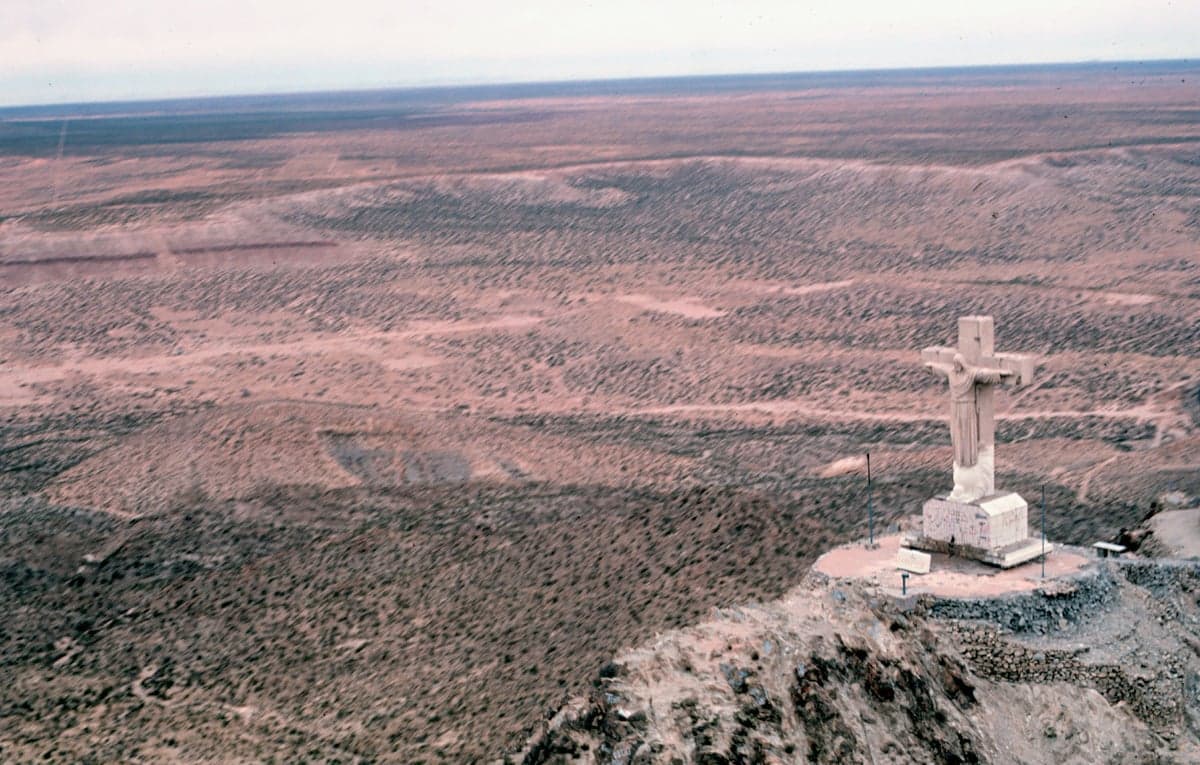
Photo: Wikipedia
Strategic Assessment of Sunland Park, NM
Multiple tactical vulnerabilities. Population density, target proximity, or disaster risk are likely compounding. A retreat property and exit planning is required.
What does the Strategic Assessment tell us?
Our Strategic Assessment grades tactical survivability of an area. Major population centers, military targets, fallout zones, natural disasters, and border exposure all drive risk — lower exposure means a more defensible position in a crisis.
This is heavily inspired by Joel Skousen's Strategic Relocation book. Highly recommended you checkout the book ($)What does this tell us?
Our Strategic Assessment grades tactical survivability of an area. Major population centers, military targets, fallout zones, natural disasters, and border exposure all drive risk — lower exposure means a more defensible position in a crisis.
This is heavily inspired by Joel Skousen's Strategic Relocation book. Highly recommended you checkout the book ($)Strategic Pillars

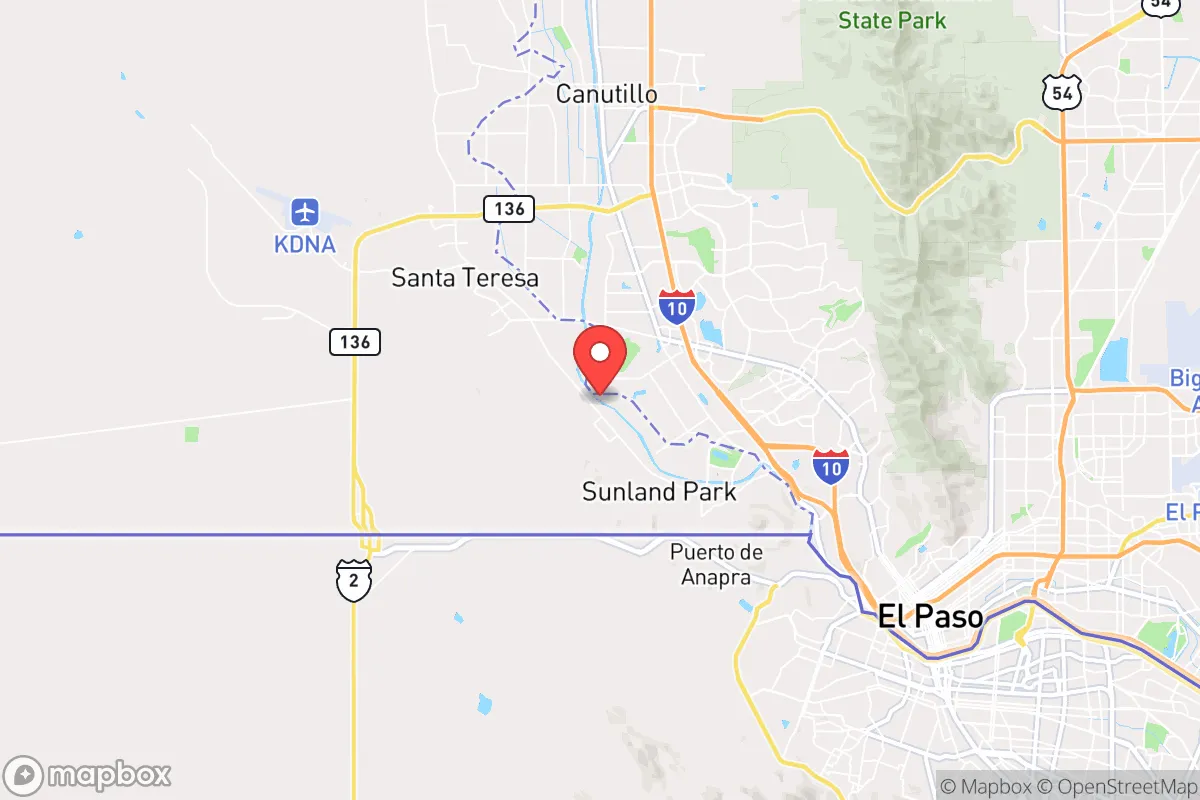
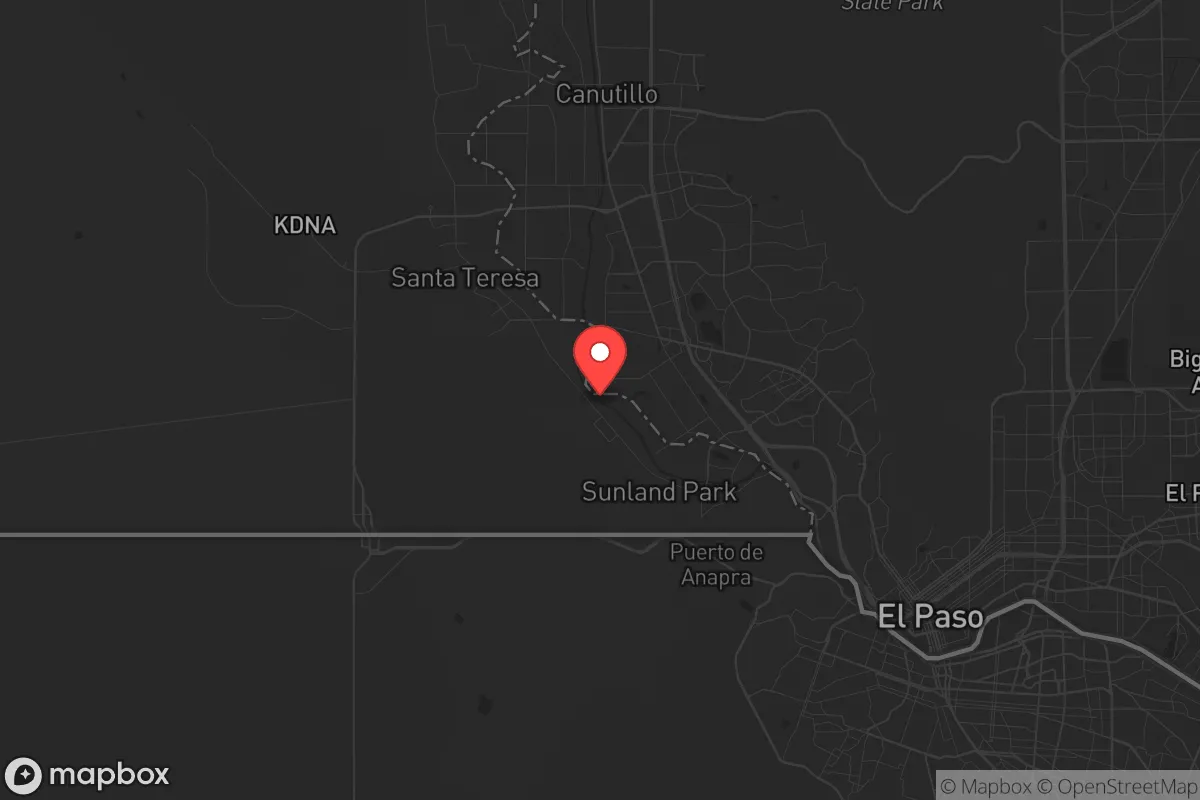
Key Distances
Regional Safe Places
Below is our recommended "safe zones" in New Mexico and the surrounding area based on our strategic heuristics. For most people, it's unrealistic to live in a “safe zone” full-time due to work, family or other personal reasons. They tend to be more rural. However, many of these areas are perfect for second homes and retreat properties that double as a vacation home or even a short-term rental.

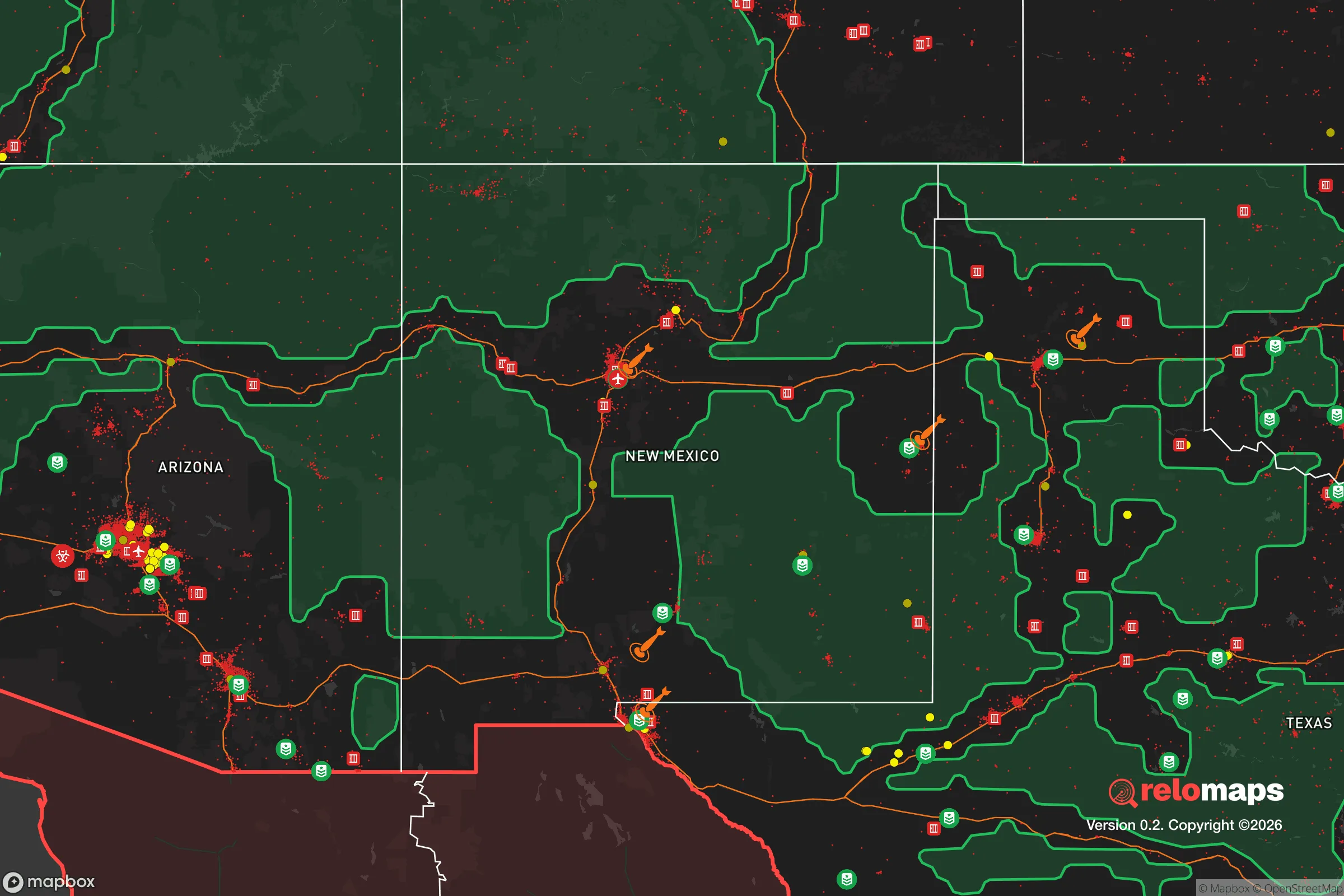


Important Note: For informational purposes only. This does not mean nothing bad ever happens in the green zones. Please use common sense. This is based on public data and modeled with AI. We tried to take a conservative approach but mistakes happen. We update this regularly as new information becomes available.
Solar Generator Recommendations
Backup power matters more here than in safer locations. We've picked three solar generators across budgets and capacity tiers — start with the budget unit if you only need a few essentials, or step up if you want to run a fridge and HVAC for days at a time.

Jackery Portable Power Station Explorer 300
Budget OptionPower on the Go: Weighing only 11 lbs, it's convenient to set up and store with book-sized foldable solar panels

BLUETTI Portable Power Station AC180
Designed for both indoor and outdoor scenarios, AC180 is highly capable as it has a robost capacity and continuous output power.

EF ECOFLOW DELTA Pro Ultra Power Station
Upgraded PickEcoFlow DELTA Pro Ultra is a whole-home energy system designed to grow with your family. Integrated with the Smart Home Panel 2, it scales to meet your evolving energy needs — keeping your home powered, intelligent, and secure through every stage of life.
We earn a commission, at no additional cost to you.
Strategic Assessment Analysis
Sunland Park, New Mexico, sits in a precarious but potentially strategic pocket along the southern border, offering a mix of geographic insulation and glaring exposure that demands a hard-eyed assessment. Its location—wedged between the urban sprawl of El Paso, Texas, and the rugged Organ Mountains—provides a unique buffer zone for those looking to stay close enough to resources but far enough from the chaos of a major metro collapse. For a conservative-leaning relocator thinking about resilience, this town’s real value lies in its ability to serve as a staging ground or a fallback position, not a permanent fortress, given the risks baked into its proximity to a border crossing and a major city.
Geographic position and natural advantages for a strategic retreat
Sunland Park’s geography is a double-edged sword, but the natural advantages are worth noting first. The town sits at the southern tip of the Rio Grande Valley, with the Franklin Mountains to the east and the Rio Grande itself forming a natural boundary. This creates a defensible corridor—think of it as a choke point where movement can be observed and controlled, especially if you’re looking to bug in or bug out toward the more remote areas of southern New Mexico. The nearby Organ Mountains-Desert Peaks National Monument offers rugged terrain for off-grid camping, water sourcing, and concealment, with elevations reaching over 9,000 feet that provide both a climate buffer and a vantage point for monitoring regional activity. The area’s arid climate means less risk of flooding or storm damage compared to coastal zones, and the low population density of Doña Ana County (roughly 220,000 people spread over 3,800 square miles) gives you room to maneuver. For a prepper, the proximity to Interstate 10 is a mixed blessing—it’s a major evacuation route west to Arizona or east to Texas, but it’s also a likely target for roadblocks or refugee flows during a crisis. The key advantage here is that Sunland Park is small enough (around 17,000 residents) to avoid being a primary target, yet close enough to El Paso’s medical and supply infrastructure to stock up before things go sideways.
Risks, exposures, and proximity to fallout-relevant landmarks
The downsides are significant and demand a sober look. Sunland Park is less than 10 miles from the El Paso-Juárez border crossing, one of the busiest land ports in the United States. In a scenario involving civil unrest, mass migration, or a biosecurity event, this becomes a funnel for chaos. The 2024 surge of over 2 million border encounters nationwide highlighted how quickly a border town can become a pressure cooker—supply chains get disrupted, law enforcement gets overwhelmed, and the risk of violence spikes. The nearby Fort Bliss military base, while a source of security in normal times, is also a potential target for asymmetric attacks or a focal point for federal mobilization that could draw unwanted attention. Additionally, the Union Pacific rail line running through Sunland Park carries hazardous materials, including crude oil and chemicals, making a derailment or sabotage event a real concern. The area’s water supply is tied to the Rio Grande, which is already over-allocated and subject to interstate disputes—during a drought or infrastructure failure, you could see rationing or contamination. For a relocator, the biggest risk is being caught in a crossfire between cartel activity (which has spilled into southern New Mexico) and federal response, especially if the border becomes a flashpoint. The 2023 shooting at a Sunland Park gas station that left three dead was a reminder that this isn’t just theoretical—the violence is already here.
Practical resilience for a relocator: food, water, energy, and defensibility
If you’re serious about setting up in Sunland Park, you need to think like a forward operator, not a suburbanite. Water is the first hard limit—the municipal supply comes from the Rio Grande and local wells, but both are vulnerable to contamination or cutoff. A deep well on your property is non-negotiable if you’re buying land, and you should budget for a solar-powered pump and a 1,000-gallon storage tank as a baseline. The area gets less than 10 inches of rain annually, so rainwater catchment is supplemental at best. For food, the growing season runs from March to November, and the local soil is sandy but workable with raised beds and compost—think drought-tolerant crops like beans, squash, and prickly pear. The nearby Mesilla Valley is agricultural, so you can source seeds and livestock from local farms, but don’t count on the grocery stores staying stocked during a crisis. Energy is a bright spot: New Mexico averages 300 sunny days a year, making solar a reliable primary source. Pair it with a propane generator for backup, and you can run a modest homestead off-grid. Defensibility is where Sunland Park gets tricky—the town’s layout is mostly flat with open desert, offering little natural cover. Your best bet is to buy property on the outskirts, near the foothills of the Organ Mountains, where you can establish a perimeter with natural terrain and line-of-sight advantages. A rural parcel of 5-10 acres gives you room for a garden, a well, and a workshop, while staying far enough from the border crossing to avoid the worst of the foot traffic. The local sheriff’s office is understaffed (about 60 deputies for the county), so you’re largely responsible for your own security—think reinforced doors, a good fence, and a community of like-minded neighbors.
The overall strategic picture for Sunland Park is one of calculated risk. It’s not a bug-out paradise like the Idaho panhandle, but it’s a viable option for someone who wants to stay in the Southwest without being swallowed by a mega-city. The proximity to El Paso gives you access to medical care, hardware stores, and a regional airport for resupply, but that same proximity means you’re on the front lines of any border-related crisis. For a conservative relocator who values self-reliance and is willing to put in the work—digging a well, installing solar, building a community—Sunland Park offers a low-cost entry point (median home price around $200,000) with room to grow. The key is to treat it as a base of operations, not a final destination: have a bug-out plan for heading north toward the Gila National Forest or west into Arizona if the situation deteriorates. In a world where the government’s ability to maintain order is increasingly questionable, Sunland Park is a place where you can be prepared for the worst while still living a normal life—if you’re honest about the risks and disciplined about the prep.

* Values derived from national, state, county, city and local statistics and may differ in a specific area. Last updated: 2026-04-22T09:12:26.000Z
Narrative content on this page is AI-generated and may contain mistakes. Verify any details that matter before acting on them.
ReloMaps may earn a commission from affiliate links at no extra cost to you.

