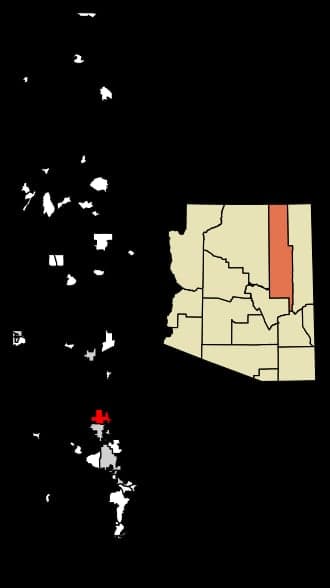
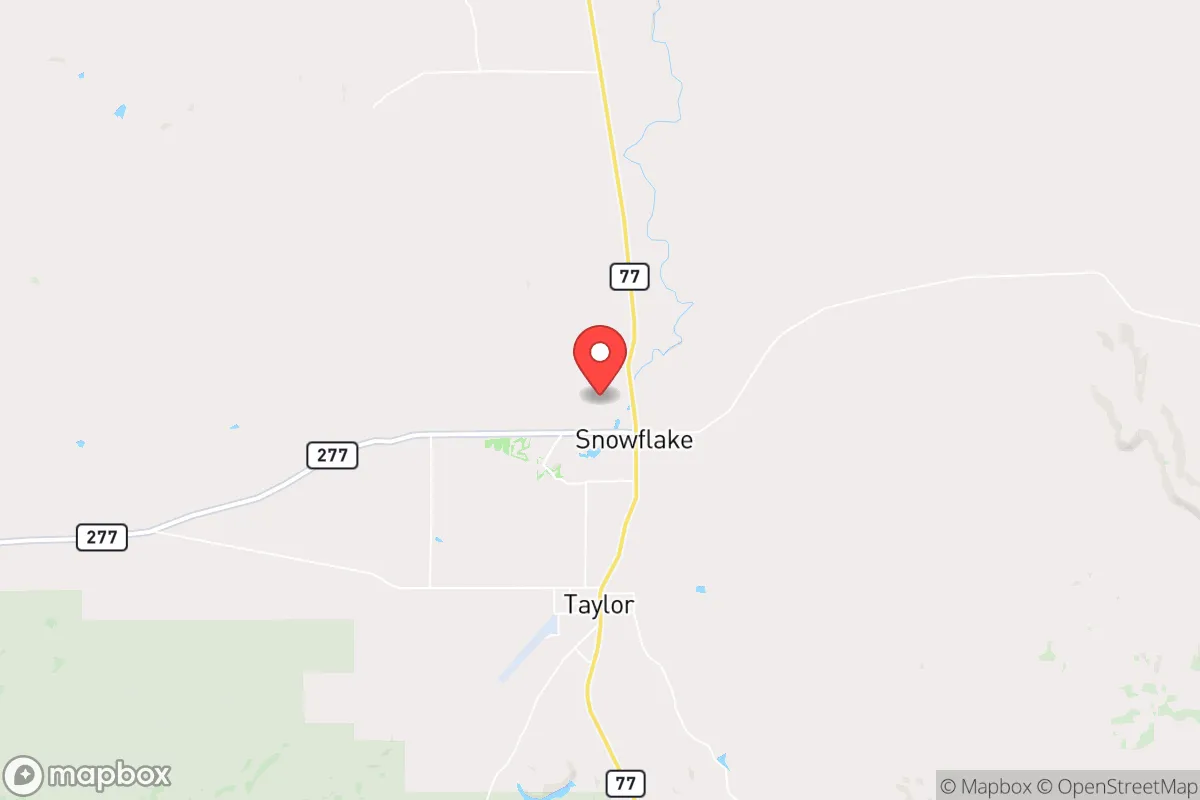
Photo: Wikipedia
Quality of Life in Snowflake, AZ
A high quality of life with strong walkability, manageable living costs, healthy neighborhood signals, and solid amenity access.
What does Quality of Life tell us?
Quality of Life blends cost of living, nearby amenities, socioeconomic signals, and neighborhood character. City-level scores represent the whole municipality; individual neighborhoods can differ.
What does this tell us?
Quality of Life blends cost of living, nearby amenities, socioeconomic signals, and neighborhood character. City-level scores represent the whole municipality; individual neighborhoods can differ.
Cost of Living
2% above national average
The Real Cost of Living in Snowflake, AZ for 2026
| Tier | Individual | Family (4) |
|---|---|---|
| Survival | $21k | $39k |
| Comfortable | $48k | $71k |
| Luxury | $94k+ | $145k+ |
| Elite (Top 5%) | $110k+ | $171k+ |
103%
The Area Signal
A metric tracking the socioeconomic signals of the area.
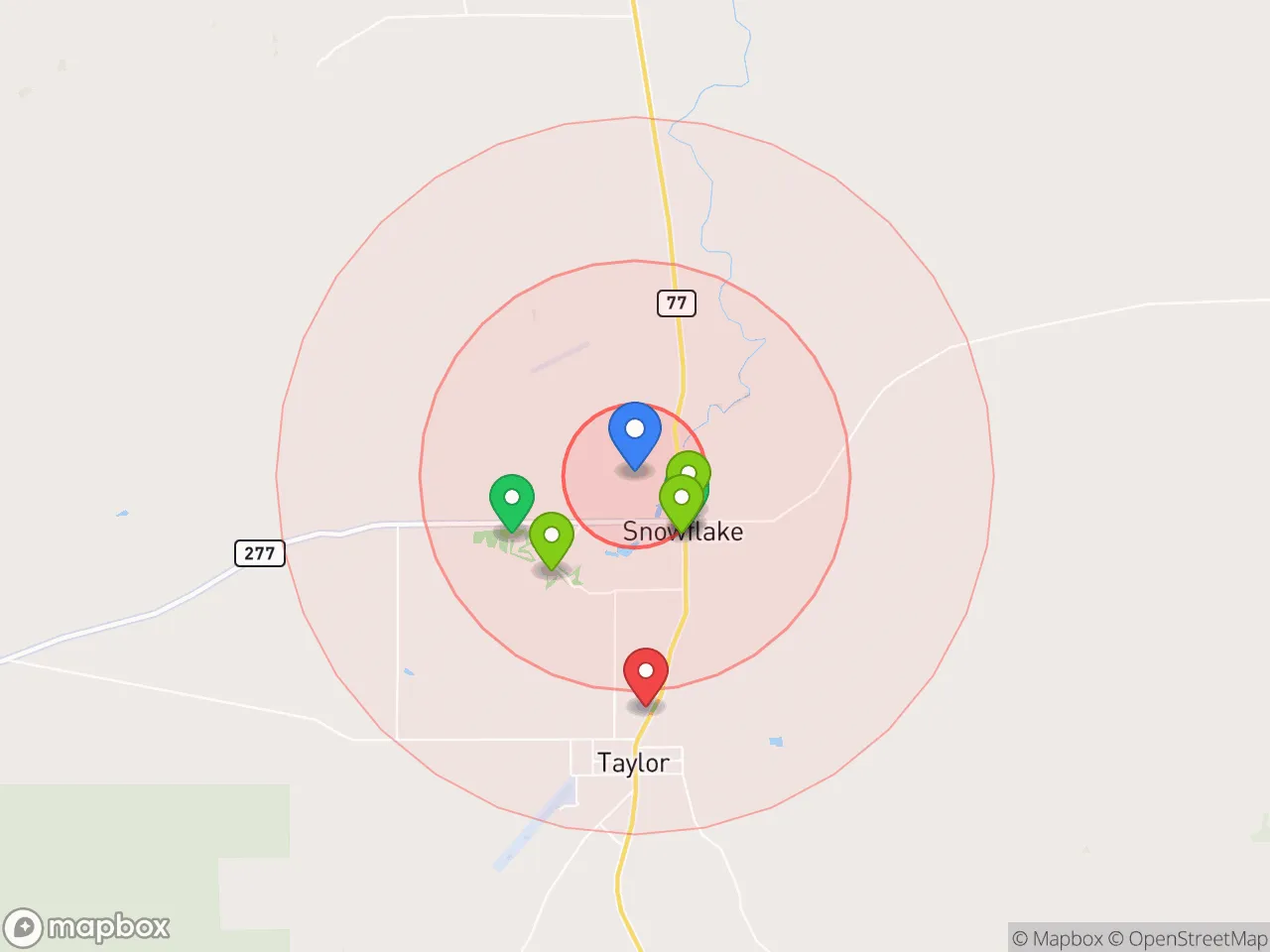
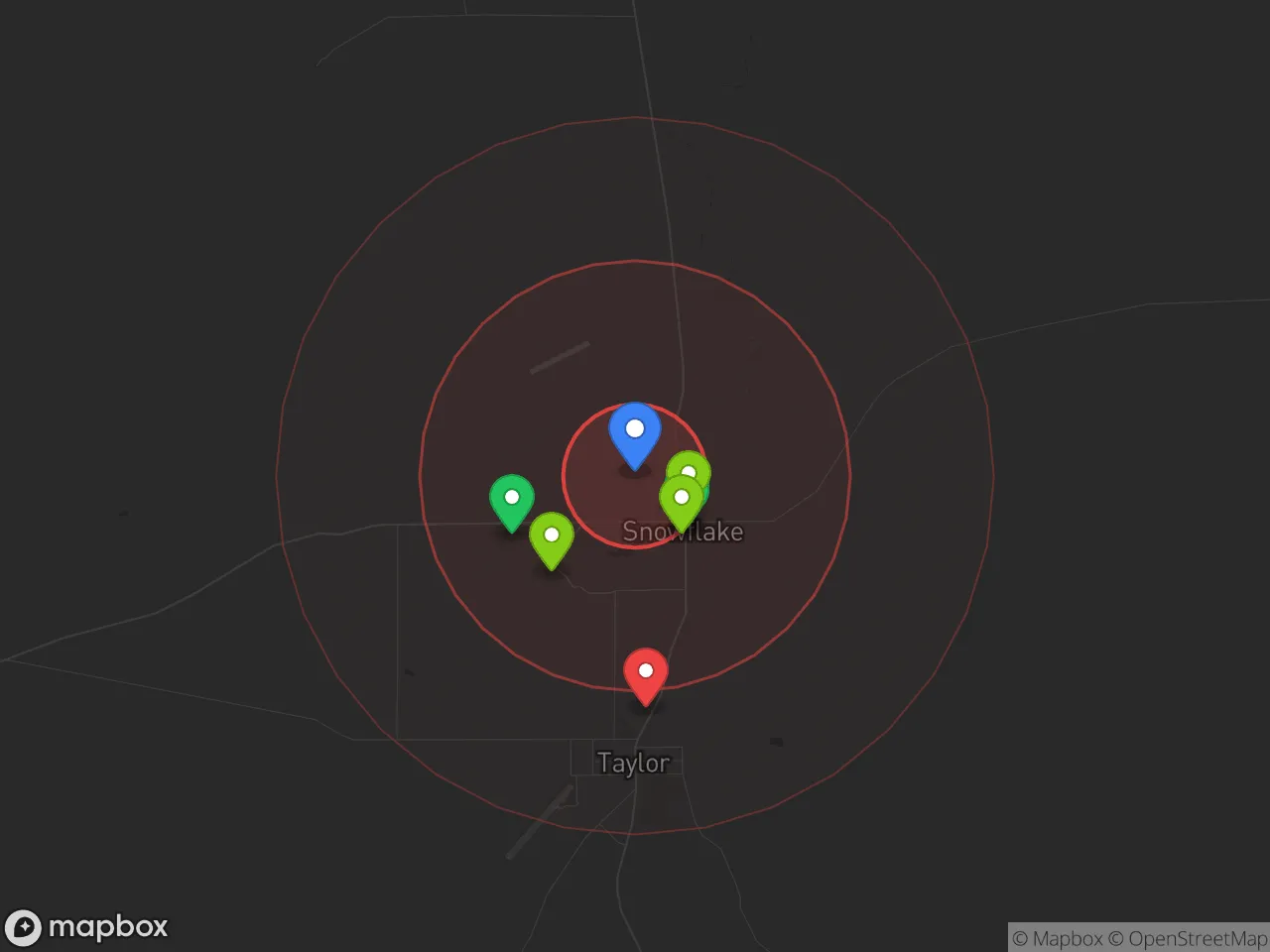
Hobbies
Explore the areaGroceries
1 within 10 miles
Gas
5 within 10 miles
Hospital
0 within 20 miles
Airport
SAN — San Carlos Apache
Post Office
USPS — Snowflake, AZ
Critical Amenities
Quality-of-Life Analysis
Snowflake, Arizona, presents a quality of life defined by small-town affordability and a predominantly conservative, family-oriented population. With a cost of living index of 102—just 2% above the national average—the town offers a notably lower financial barrier to homeownership than the booming Phoenix metro area, attracting retirees, remote workers, and families seeking a quieter, more spacious lifestyle. The median home value of $248,000 and median rent of $1,304 place it well below Arizona’s statewide averages, making it one of the more accessible communities in Navajo County for those looking to escape urban price pressures.
Cost of living, housing affordability, and how Snowflake compares to nearby towns
Snowflake’s housing market is a primary draw for newcomers. The median home value of $248,000 is roughly 40% lower than the Phoenix metro median and significantly undercuts nearby Show Low (median ~$350,000) and Pinetop-Lakeside. Renters also benefit: the median rent of $1,304 is about $200–$300 less per month than comparable units in Show Low or Taylor. The overall cost of living index of 102 is driven by slightly higher-than-average transportation and utility costs—common in rural Arizona—but groceries and healthcare remain near the national baseline. For buyers, this means a typical mortgage payment on a median-priced home can be under $1,600 per month at current rates, a figure that is increasingly rare in the state. The average commute of 25.5 minutes reflects the town’s spread-out layout and the fact that many residents drive to jobs in Show Low (20 minutes east) or Holbrook (30 minutes north), with fuel costs being a notable monthly expense.
Local amenities, schools, and what daily life feels like in Snowflake
Daily life in Snowflake centers on a compact downtown with a grocery store, hardware shop, and a handful of local restaurants and cafes. The town is part of the Snowflake Unified School District, which serves roughly 2,000 students across three elementary schools, one middle school, and Snowflake High School—a school with a strong agricultural and vocational program that reflects the area’s ranching roots. For healthcare, residents rely on the Summit Healthcare Regional Medical Center in Show Low (20 minutes away) for emergencies and specialist care. Outdoor recreation is a major amenity: the town sits at 5,600 feet elevation, offering mild summers and snowy winters, with the Apache-Sitgreaves National Forest and Fool Hollow Lake Recreation Area within a 30-minute drive for hiking, fishing, and camping. The social rhythm is quiet and church-centered, with several LDS and Protestant congregations anchoring community events. There is no major nightlife or shopping mall; for retail and entertainment, most residents drive to Show Low’s Safeway, Walmart, and movie theater.
Snowflake is best suited for those who prioritize affordable homeownership, low crime, and a slower pace over urban amenities and career density. Retirees on fixed incomes, remote workers with stable internet (Starlink is common here), and families who value outdoor access and a tight-knit, conservative community will find the trade-offs worthwhile. Professionals seeking high-paying jobs, diverse dining, or cultural institutions should look to Flagstaff or the Valley. For the right buyer, Snowflake offers a rare combination of financial breathing room and mountain-country living that is increasingly hard to find in Arizona.

Crime in Snowflake, AZ
Crime rates similar to the national median for U.S. locations.
Violent CrimeViolent Crime Analysis
Property CrimeProperty Crime Analysis
Crime Analysis
Snowflake, Arizona, reports a violent crime rate of 395 per 100,000 residents and a property crime rate of 1,167.4 per 100,000, placing it above national averages for both categories. While not among the most dangerous towns in the state, these figures indicate a higher-than-desirable risk environment, particularly when compared to safer rural communities in Navajo County. The town’s location near the larger Show Low metro area means it is not insulated from regional crime trends, and local law enforcement resources are stretched across a wide, sparsely populated jurisdiction.
Crime in context
Snowflake’s violent crime rate of 395 per 100,000 is roughly 13% higher than the national average of approximately 350 per 100,000 and significantly exceeds the Arizona state average of about 430 per 100,000. Property crime, at 1,167.4 per 100,000, is about 20% above the national average of roughly 1,000 per 100,000. These numbers place Snowflake in a middle tier among Arizona towns of similar size—safer than the most troubled parts of the Phoenix metro area but riskier than many isolated rural communities. The proximity to the larger Show Low area, which has its own crime challenges, likely contributes to spillover effects in Snowflake.
What residents experience
Residents report that property crime—particularly vehicle break-ins, theft from sheds and garages, and occasional burglaries—is the most common safety concern. Violent incidents are less frequent but do occur, often tied to domestic disputes or alcohol-related altercations. The town’s small size means that many crimes are known within the community, which can create a heightened sense of vulnerability. Snowflake’s police department is small, and response times can be slower in outlying areas. The broader Navajo County justice system, which includes the county attorney’s office and local courts, has not adopted the progressive, offender-focused policies seen in some large metro areas. This is a positive factor: a traditional approach to prosecution and sentencing helps ensure that offenders face meaningful consequences, reducing the likelihood of repeat crimes and supporting public safety. Residents generally feel that the justice system is fair and responsive to victims, which contributes to a sense of order despite the elevated crime rates.
Neighborhood-level variation is notable. The older, more established parts of Snowflake—particularly near the historic downtown and along the main thoroughfares—tend to have lower crime rates, as they are more heavily patrolled and have stronger neighborhood watch networks. Newer subdivisions on the town’s outskirts, especially those near the highway corridors, see more property crime, likely due to easier access for transient offenders. The area around the Snowflake-Taylor border, where the two towns blend together, can be a higher-risk zone for both property and violent crime. Prospective residents should prioritize homes in well-lit, established neighborhoods with active community engagement and consider investing in security systems, particularly for properties with detached garages or sheds.
* Values derived from national, state, county, city and local statistics and may differ in a specific area. Last updated: 2026-08-24T17:17:43.000Z
Narrative content on this page is AI-generated and may contain mistakes. Verify any details that matter before acting on them.
ReloMaps may earn a commission from affiliate links at no extra cost to you.

