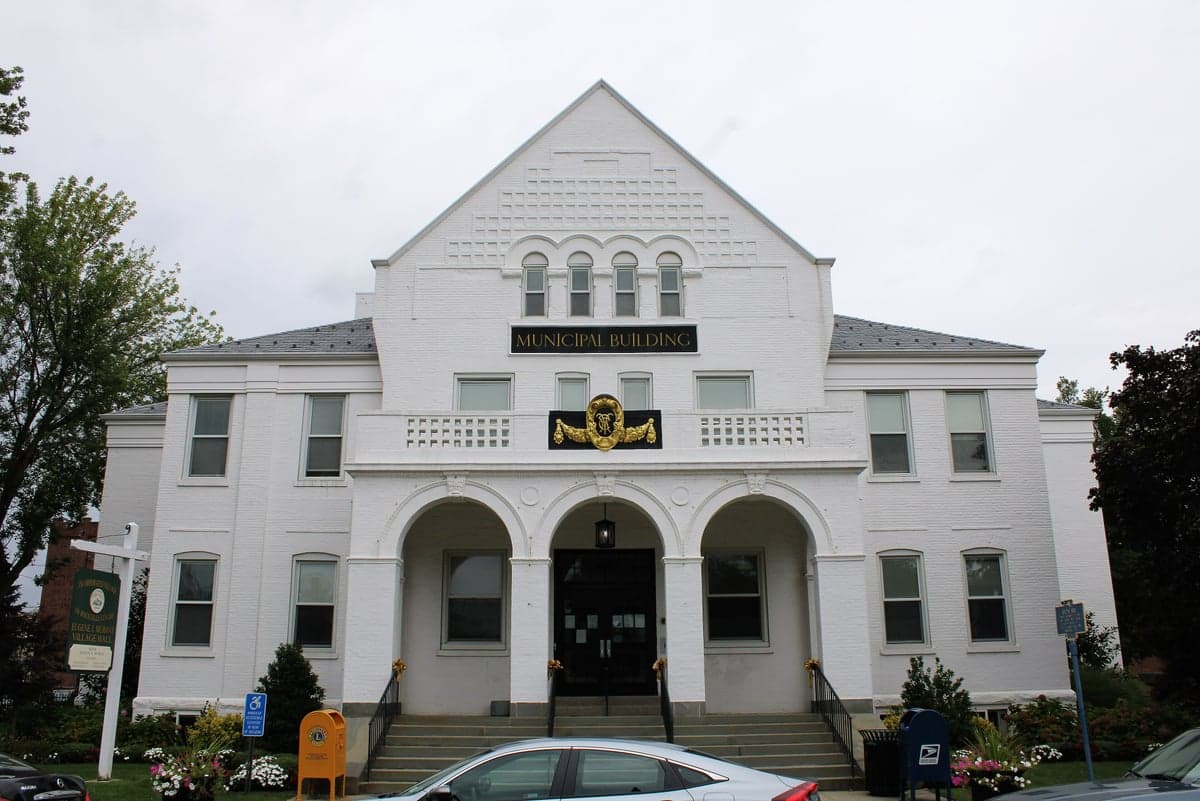
Photo: Wikipedia
Strategic Assessment of Rockville Centre, NY
High tactical risk. This location is likely close to major population centers, strategic targets, or sits in a high-disaster corridor. A retreat property and careful exit planning is required.
What does the Strategic Assessment tell us?
Our Strategic Assessment grades tactical survivability of an area. Major population centers, military targets, fallout zones, natural disasters, and border exposure all drive risk — lower exposure means a more defensible position in a crisis.
This is heavily inspired by Joel Skousen's Strategic Relocation book. Highly recommended you checkout the book ($)What does this tell us?
Our Strategic Assessment grades tactical survivability of an area. Major population centers, military targets, fallout zones, natural disasters, and border exposure all drive risk — lower exposure means a more defensible position in a crisis.
This is heavily inspired by Joel Skousen's Strategic Relocation book. Highly recommended you checkout the book ($)Strategic Pillars

Key Distances
Regional Safe Places
Below is our recommended "safe zones" in New York and the surrounding area based on our strategic heuristics. For most people, it's unrealistic to live in a “safe zone” full-time due to work, family or other personal reasons. They tend to be more rural. However, many of these areas are perfect for second homes and retreat properties that double as a vacation home or even a short-term rental.
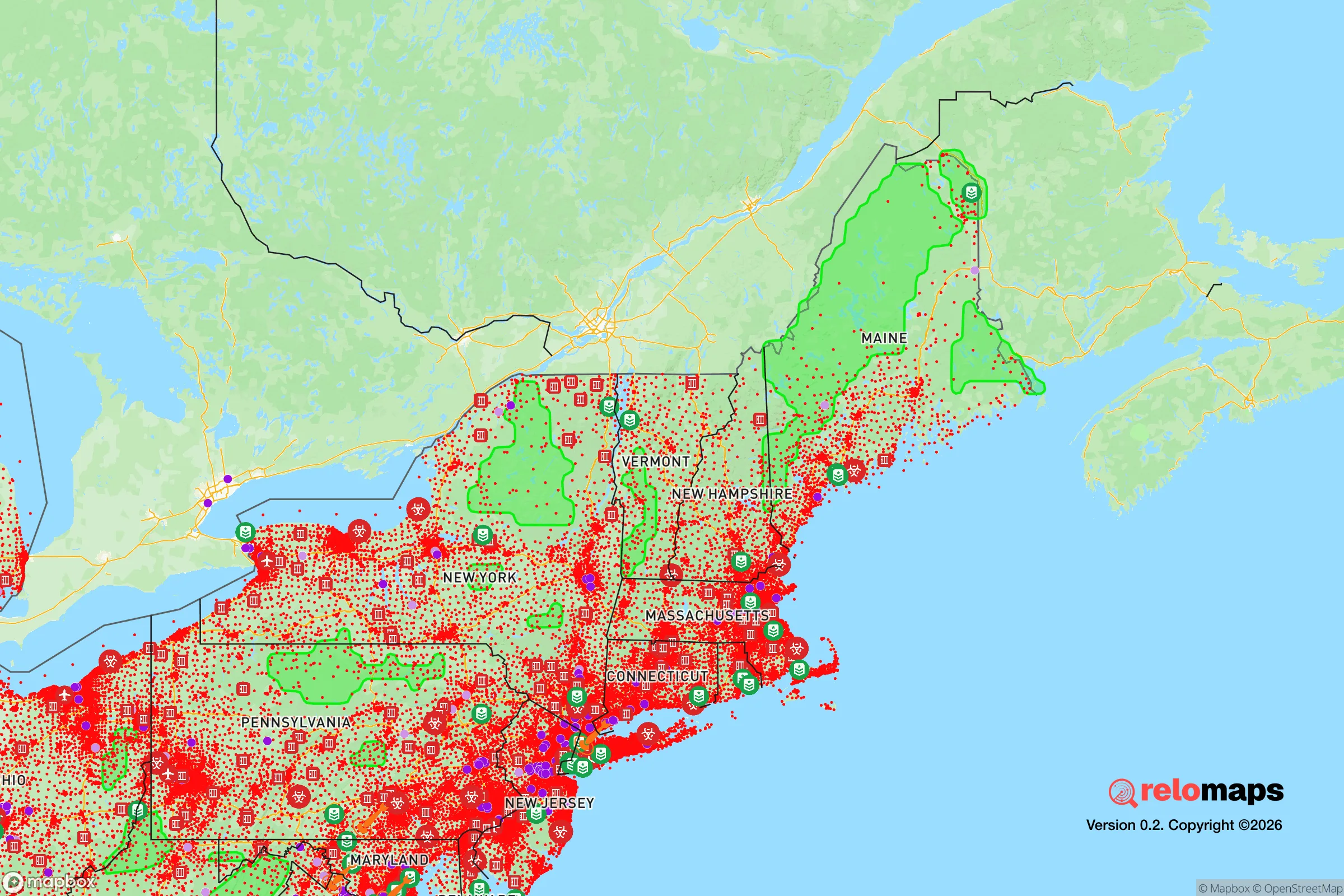
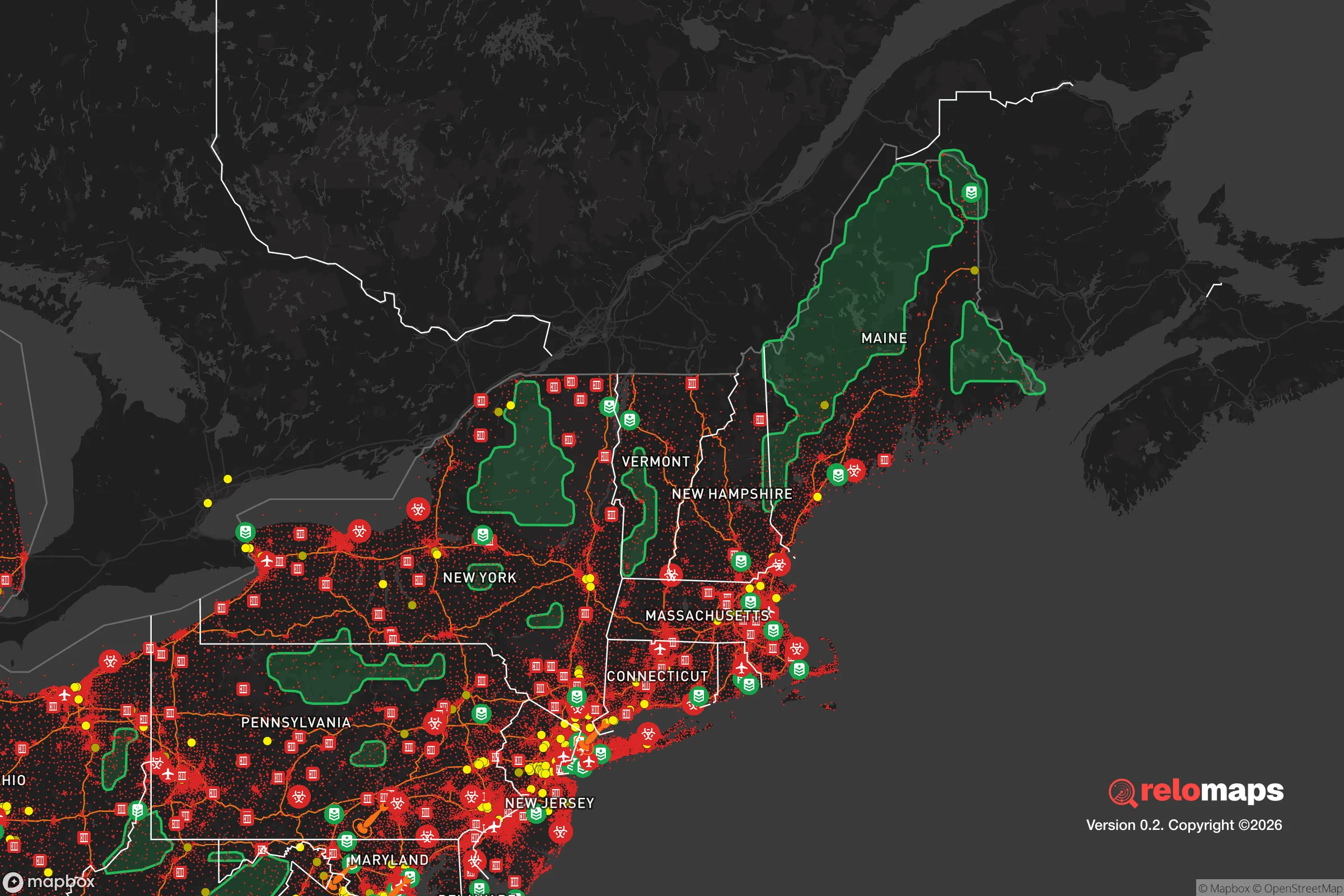


Important Note: For informational purposes only. This does not mean nothing bad ever happens in the green zones. Please use common sense. This is based on public data and modeled with AI. We tried to take a conservative approach but mistakes happen. We update this regularly as new information becomes available.
Solar Generator Recommendations
Backup power matters more here than in safer locations. We've picked three solar generators across budgets and capacity tiers — start with the budget unit if you only need a few essentials, or step up if you want to run a fridge and HVAC for days at a time.

Jackery Portable Power Station Explorer 300
Budget OptionPower on the Go: Weighing only 11 lbs, it's convenient to set up and store with book-sized foldable solar panels

BLUETTI Portable Power Station AC180
Designed for both indoor and outdoor scenarios, AC180 is highly capable as it has a robost capacity and continuous output power.

EF ECOFLOW DELTA Pro Ultra Power Station
Upgraded PickEcoFlow DELTA Pro Ultra is a whole-home energy system designed to grow with your family. Integrated with the Smart Home Panel 2, it scales to meet your evolving energy needs — keeping your home powered, intelligent, and secure through every stage of life.
We earn a commission, at no additional cost to you.
Strategic Assessment Analysis
Rockville Centre, New York, presents a complex strategic picture for the conservative prepper. On one hand, its dense suburban layout and proximity to New York City create significant vulnerabilities in a collapse scenario. On the other, its established infrastructure, strong local governance, and access to the South Shore's natural resources offer a degree of resilience that a pure urban environment lacks. The key question for a relocator is whether the area's advantages in daily stability outweigh the severe risks posed by its location in a high-value, high-density target zone.
Geographic position and natural advantages for long-term stability
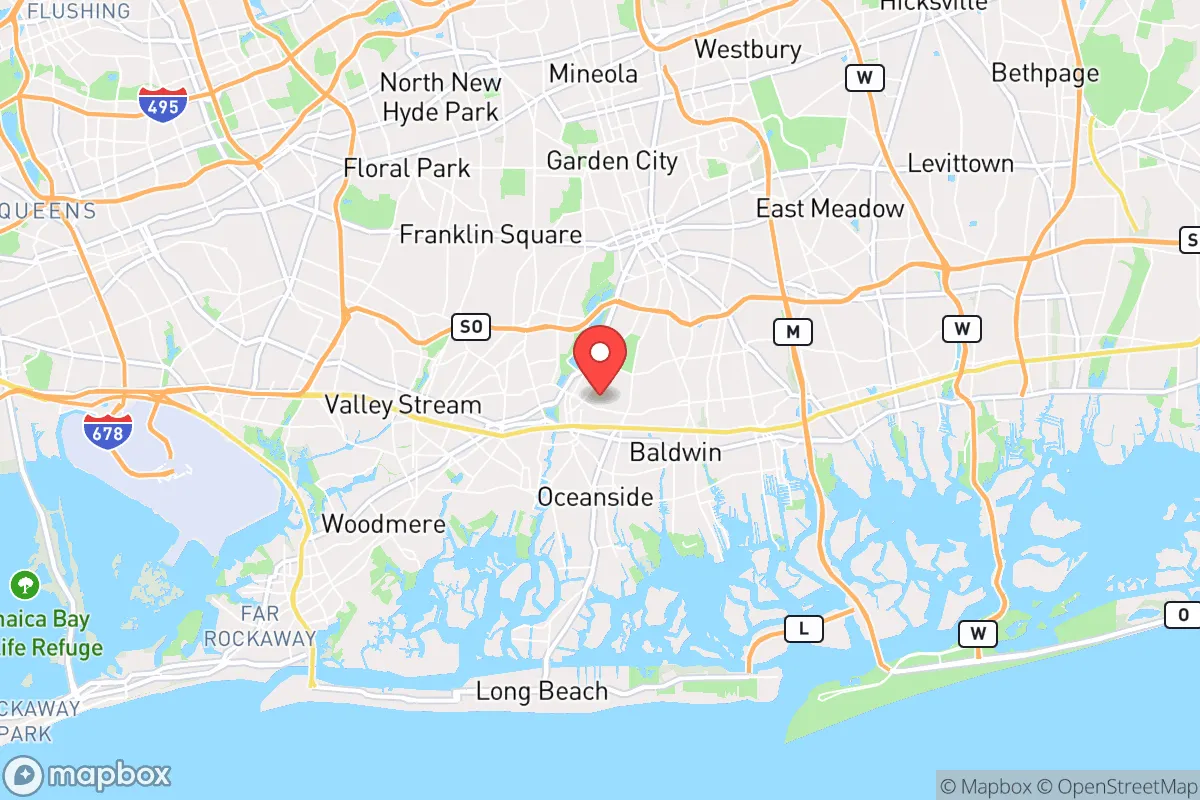
Rockville Centre sits on the south shore of Long Island, roughly 20 miles east of Midtown Manhattan. This places it within the New York metropolitan area's commuter belt, which is a double-edged sword. The natural advantage here is the proximity to the Atlantic Ocean and the extensive network of bays, inlets, and marshes along the South Shore. This provides a significant water source, though it is saltwater and requires desalination or advanced filtration for drinking. The area's flat, coastal geography offers no natural defensive high ground, but the labyrinth of canals and waterways could be used to slow or channel movement in a grid-down scenario. The local climate is temperate, with four distinct seasons, meaning a relocator must prepare for both nor'easters and summer heat waves, but the growing season is long enough for serious gardening efforts. The primary natural advantage is the sheer volume of marine life—fish, shellfish, and crustaceans—which could serve as a protein source if the water remains uncontaminated by a nuclear or industrial event.
Risks, exposures, and proximity to fallout-relevant landmarks
The most glaring risk is Rockville Centre's proximity to New York City, a prime target for any state-level adversary or domestic terror event. A nuclear detonation at the city's core would subject the area to significant fallout, depending on wind patterns. The area is also within the blast radius of the Indian Point nuclear power plant, though it is currently decommissioned, the spent fuel pools remain a potential target. Additionally, the Long Island Rail Road runs directly through the village, making it a chokepoint for evacuation and a potential target for sabotage. The area's high population density—over 24,000 people in just over three square miles—means that any mass casualty event, whether from a biological agent or a coordinated attack, would spread rapidly. The local hospital, Mercy Medical Center, is a small community facility and would be overwhelmed within minutes of a major incident. The nearby John F. Kennedy International Airport is a constant source of risk, both as a potential target and as a vector for disease or contaminated cargo. For the conservative prepper, the concentration of political and financial power in Manhattan makes the entire island a high-risk zone, and Rockville Centre is squarely within the danger radius.
Practical resilience for a relocator: food, water, energy, and defensibility
For a single individual or family looking to hunker down, Rockville Centre offers a mixed bag. Water is the most critical vulnerability. The village relies on a municipal well system drawing from the Magothy aquifer, which is vulnerable to contamination from saltwater intrusion and surface pollutants. In a long-term grid-down scenario, residents without private wells or rainwater catchment systems would be dependent on bottled water or boiling from local ponds, which are brackish. Food security is moderately better than in the city. The area has several supermarkets, but they would be stripped within hours of a crisis. The real advantage is the ability to fish the local waters and the presence of community gardens and backyard space in many homes. However, most homes are on small lots, limiting large-scale agriculture. Energy is a major concern. The grid is old and prone to outages from storms, and natural gas lines are common but not universal. Solar panels are a viable option, but many homes have tree cover that reduces efficiency. A generator and a substantial fuel cache are non-negotiable for any serious prepper here. Defensibility is poor. The village is a grid of streets with easy access from all directions. There are no natural barriers, and the population density means that any civil unrest would quickly spill into residential areas. The local police department is well-funded and professional, but in a widespread collapse, they would be overwhelmed. The best defensive strategy is to have a hardened safe room and a plan to bug out to a more rural location, as holding a suburban home against a determined mob is nearly impossible. Community is the hidden asset. Rockville Centre has a strong sense of local identity and active civic organizations, including volunteer fire departments and religious institutions. In a crisis, these networks could be the difference between survival and chaos, but they also require active participation and trust-building before the event.
The overall strategic picture for Rockville Centre is one of calculated risk. It is not a survivalist's paradise, nor is it an immediate death trap. For the conservative relocator who values the stability of a well-run suburb with good schools and a low crime rate in peacetime, it offers a comfortable base. However, the prepper must recognize that this comfort is built on a fragile infrastructure that is highly exposed to the consequences of national instability. The area's proximity to New York City is its greatest liability, and any serious crisis—whether economic collapse, pandemic, or war—would turn this quiet village into a pressure cooker. The wise relocator would treat Rockville Centre as a temporary staging ground, not a final redoubt. Build your supplies, establish your local network, and have a secondary location in the Adirondacks or Pennsylvania ready to go. In a world where the unthinkable becomes routine, this village offers a decent place to live, but a poor place to die.

* Values derived from national, state, county, city and local statistics and may differ in a specific area. Last updated: 2026-04-24T12:35:23.000Z
Narrative content on this page is AI-generated and may contain mistakes. Verify any details that matter before acting on them.
ReloMaps may earn a commission from affiliate links at no extra cost to you.

