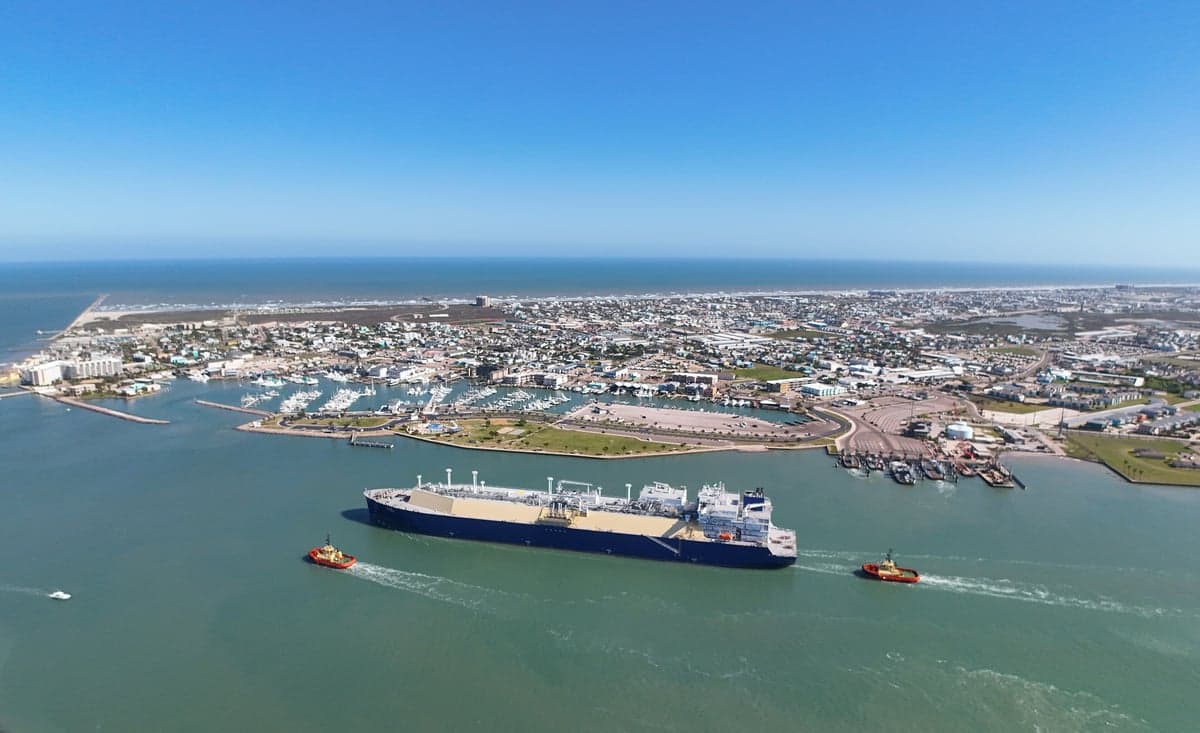
Photo: Wikipedia
Demographics of Port Aransas, TX
Affluence Level in Port Aransas, TX
An upper-middle-class area. Household wealth, education levels, and homeownership run ahead of national benchmarks.
People of Port Aransas, TX
The people of Port Aransas, Texas, today number roughly 3,141, forming a tight-knit, predominantly white coastal community with a distinctive identity shaped by fishing, tourism, and a strong sense of isolation on Mustang Island. The city is 86.0% white and 4.5% Hispanic, with a very small foreign-born population of just 3.2% and a college-educated rate of 37.1%. This is not a diverse or rapidly changing population; it is a stable, insular community where generational ties to the coast run deep, and new arrivals are typically drawn by lifestyle rather than economic opportunity. The character is best described as a working-to-middle-class beach town with a seasonal influx that swells the permanent population several times over.
How the city was settled and grew
Port Aransas was never a colonial-era settlement. Its human history begins in earnest after the Civil War, when the shallow-draft Aransas Pass became a vital shipping channel for cotton and cattle from South Texas. The first permanent residents were Anglo-American pilots, fishermen, and lighthouse keepers who built small homes along the harbor. The original settlement clustered around what is now Harbor Island, where the Aransas Pass Lighthouse was established in 1857. By the 1880s, a small fishing village called Ropesville (later Port Aransas) had formed on the northern tip of Mustang Island, populated largely by Anglo families from the Gulf Coast states. The arrival of the railroad to nearby Corpus Christi in the 1890s spurred a modest tourist trade, but the population remained under 500 until the mid-20th century. The historic Tarpon Street district, now the commercial heart of the city, was built by these early fishing families and remains the core of the original settlement.
Modern era (post-1965)
The modern demographic story of Port Aransas is one of slow, steady domestic in-migration rather than any significant shift from immigration. The 1965 Hart-Cellar Act had virtually no effect here; the foreign-born share remains just 3.2%, and there are no measurable East/Southeast Asian or Indian subcontinent populations. Instead, the post-1965 growth came from two domestic sources: retirees from the Midwest and Texas interior, and second-home buyers from Houston and San Antonio. These groups built out the Mustang Beach subdivision and the Island Retreat area south of the municipal golf course, where larger vacation homes and permanent residences now sit on canals. The Hispanic population, at 4.5%, is largely composed of long-established Tejano families who worked in the fishing and shrimping industries, concentrated in the older Cottonwood neighborhood near the south jetty. The Black population remains negligible at 0.9%, reflecting the city’s historical lack of industrial or agricultural employment that drew Black workers elsewhere in Texas. The college-educated rate of 37.1% is notably higher than the Texas average, reflecting the influx of educated retirees and remote workers who have bought property since 2000.
The future
The population trajectory of Port Aransas is toward slow, homogenizing growth rather than diversification. The city added roughly 300 residents between 2010 and 2020, and projections suggest a similar pace through 2035. The Hispanic share is likely to rise modestly as service workers in the tourism industry settle in the Pioneer Shores area, but the overall demographic profile will remain overwhelmingly white and native-born. The biggest wildcard is climate-driven insurance costs and hurricane risk; Hurricane Harvey in 2017 and the 2020 freeze prompted some departures, but rebuilding has been robust. The next decade will likely see continued gentrification of the older Tarpon Street and Harbor Island neighborhoods, as aging fishing cottages are replaced by higher-value vacation rentals. For a conservative-leaning mover, Port Aransas offers a stable, low-crime, family-oriented beach community with minimal cultural change and a population that votes heavily Republican in local and national elections.
Port Aransas is becoming a more affluent, more educated, and slightly older version of itself—not a place of demographic transformation, but of steady, predictable continuity. For someone moving in now, the city offers a community where neighbors have known each other for decades, where the pace of life is dictated by tides and tourist seasons, and where the population is likely to look much the same in 2040 as it does today.

* Values derived from national, state, county, city and local statistics and may differ in a specific area. Last updated: 2026-05-12T00:15:21.000Z
Narrative content on this page is AI-generated and may contain mistakes. Verify any details that matter before acting on them.
ReloMaps may earn a commission from affiliate links at no extra cost to you.

